





 Portuguese
  English
  Spanish
  3 min of reading
  0 comments


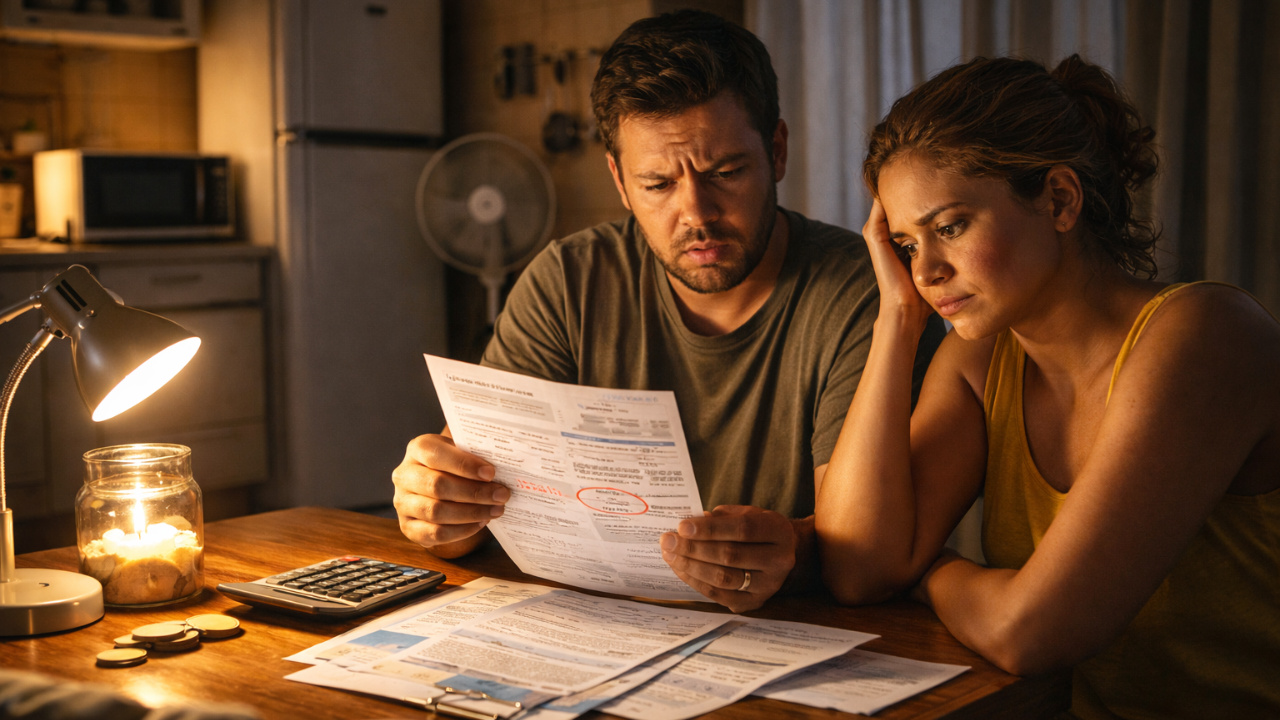
Even after almost two years since the announcement, the solar energy project in My House, My Life remains stalled. Low-income families continue to pay high prices for electricity while billions remain on paper.
While millions of Brazilians struggle to pay their electricity bill, a promise from the federal government remains unfulfilled. The program that would bring solar energy to homes in My House, My Life was announced with great fanfare, but more than 19 months later, nothing has changed in practice.
The project was created through Decree No. 12,084, published in June 2024. Since then, the expectation was that low-income families would begin producing their own electricity.
However, so far, no household has been equipped with solar systems through the program.
-
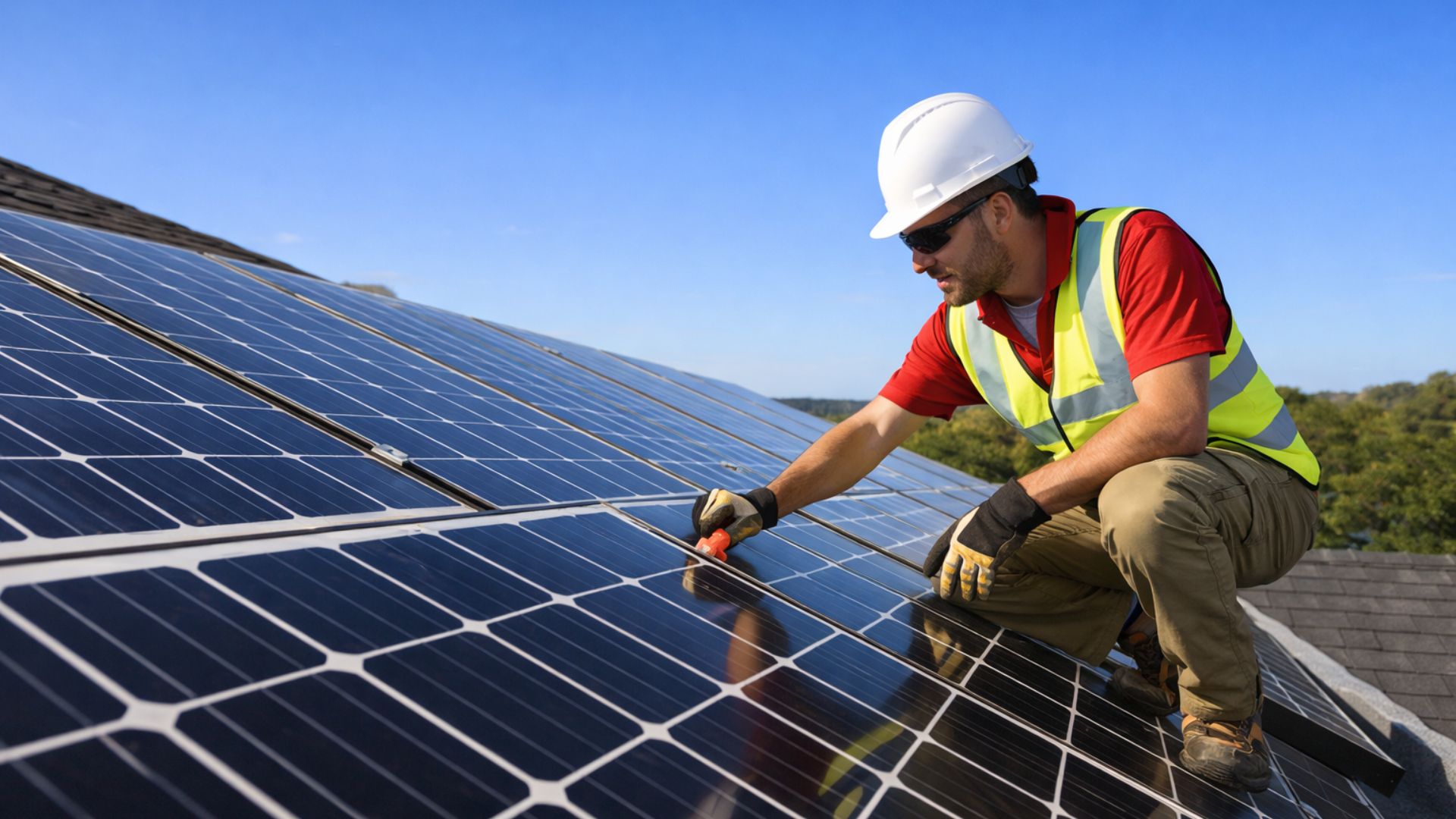
Seagri’s headquarters invests in solar energy with Neoenergia Coelba and promises to cut electricity costs, highlighting a strategic advance in sustainability and energy efficiency within state public administration.
-
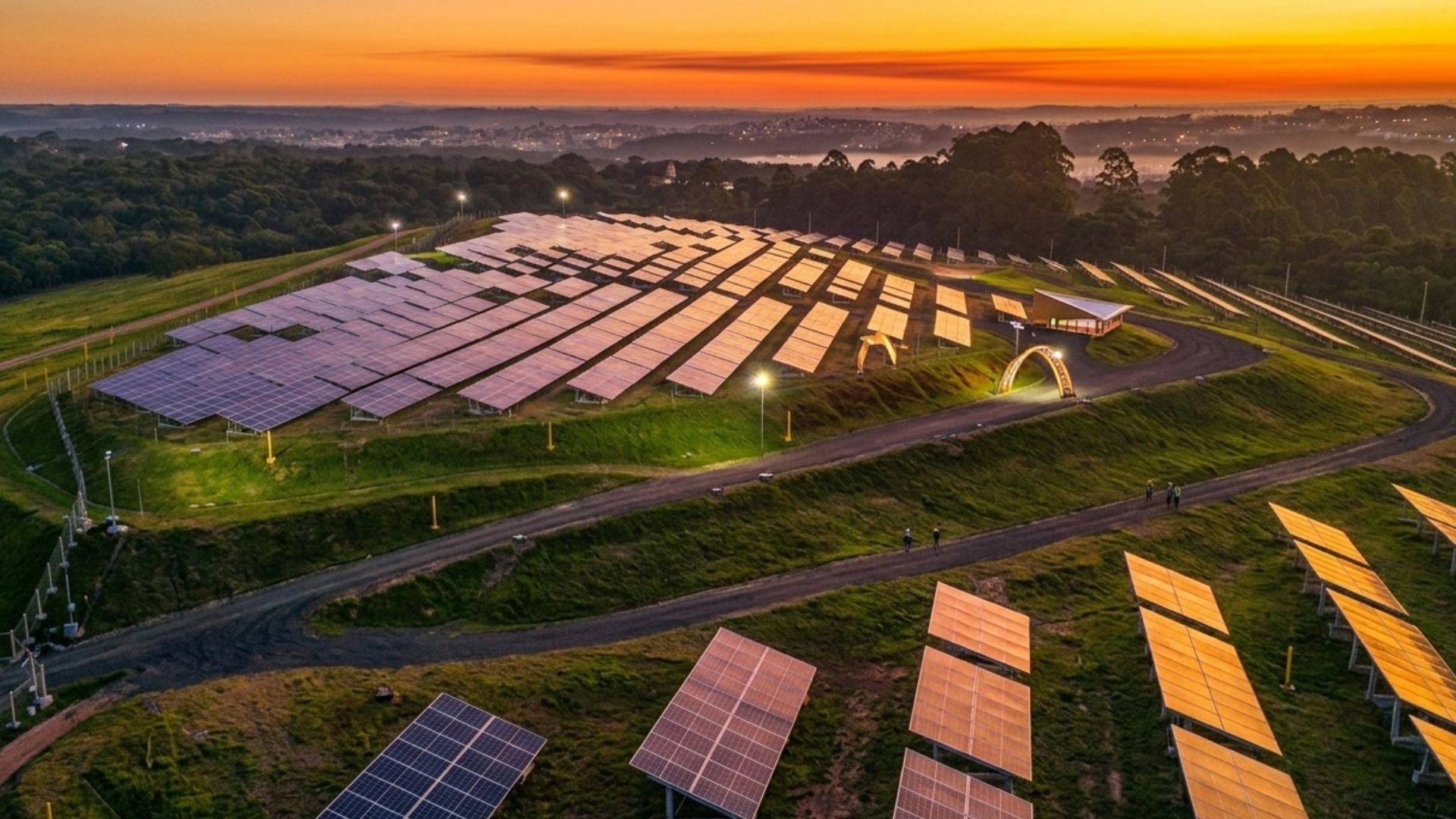
Solar Pyramid draws attention by converting solar energy into million-dollar savings and repositioning the City Hall of Curitiba as an example of innovation, sustainability, and intelligent use of public resources.
-
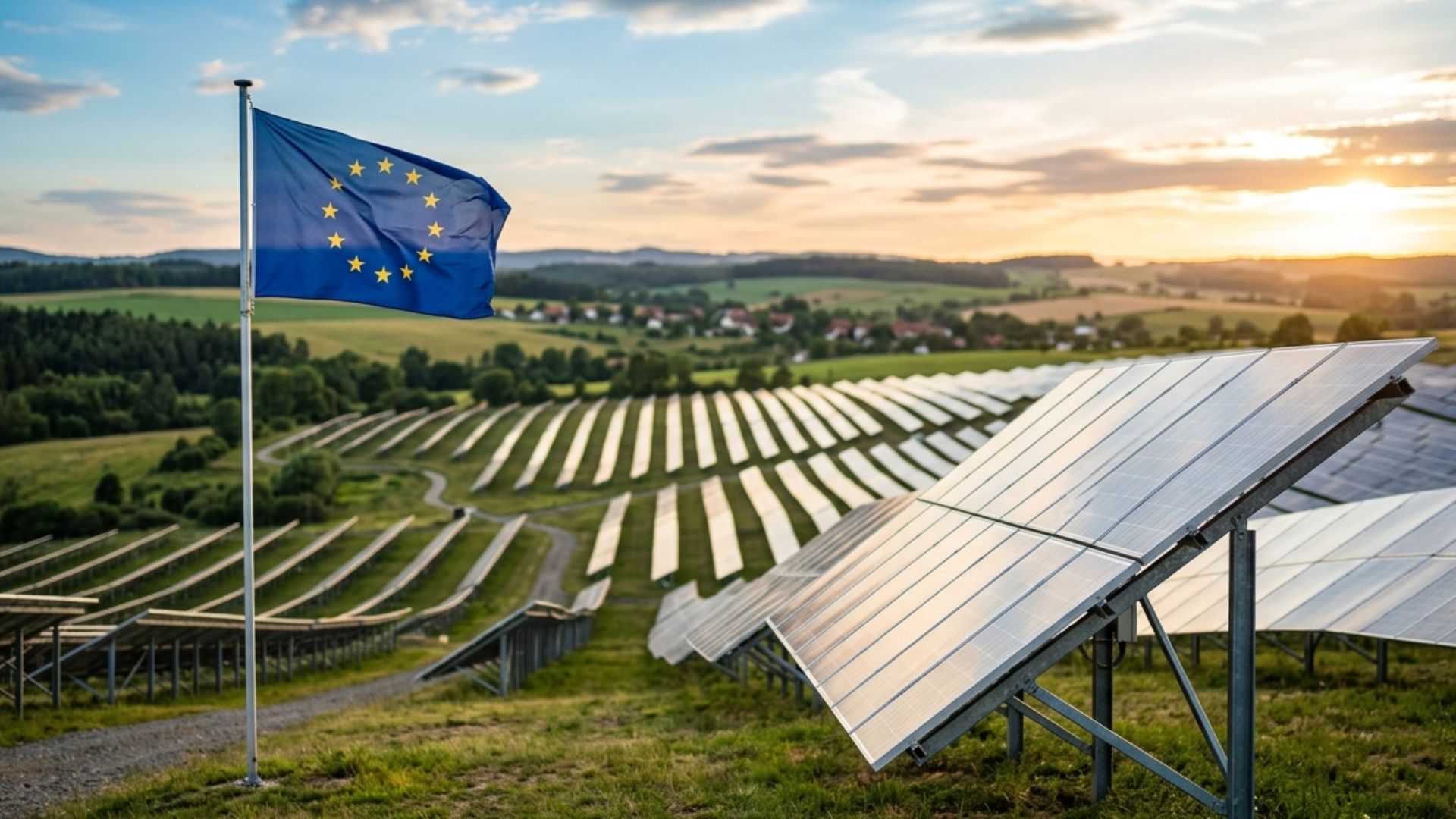
Europe records strong euro economy with solar energy in March and sparks curiosity about which country leads growth that redefines the energy market and reduces costs.
-
Piauí reaches a historic milestone in energy transition: State records nearly 160,000 households powered by solar energy and leads growth in the Northeast.
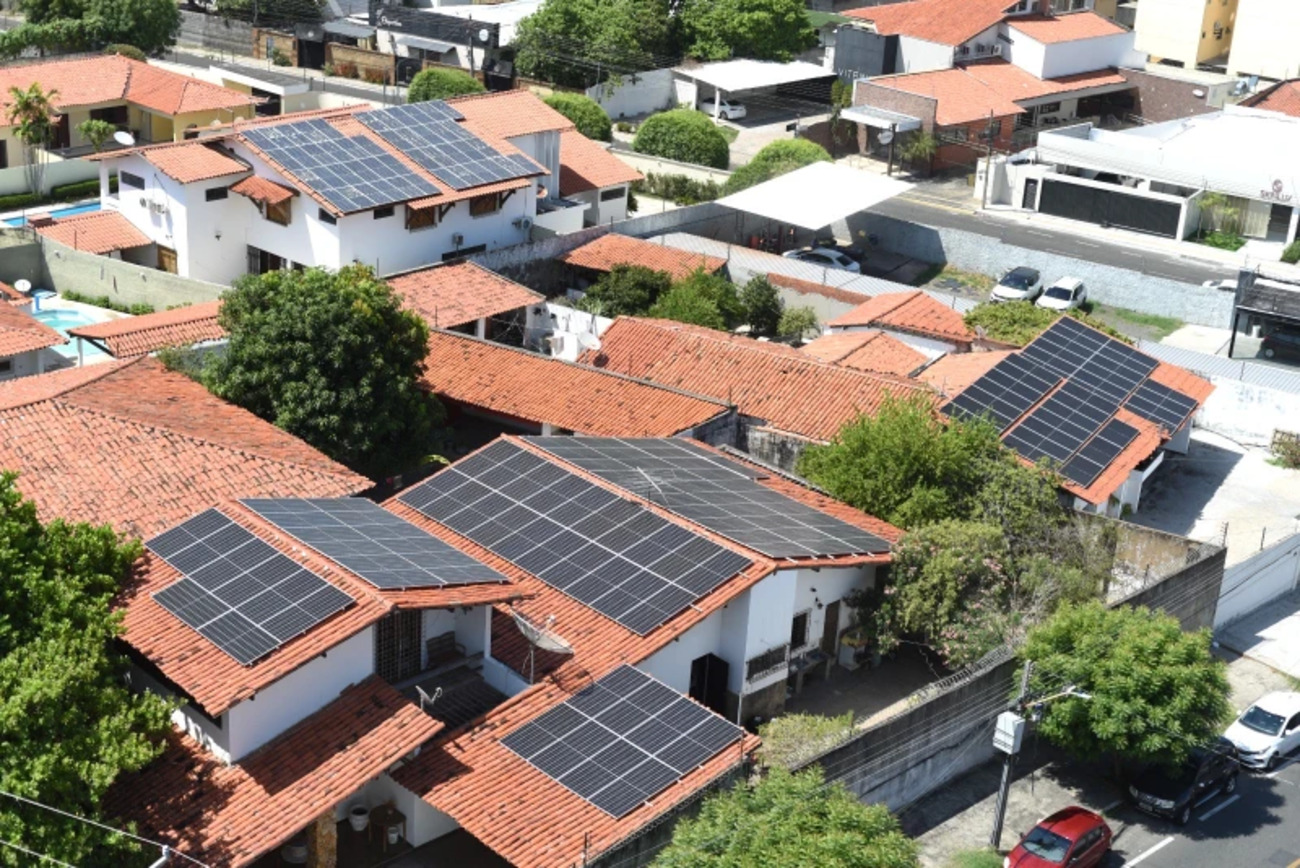

Meanwhile, electricity bills continue to weigh heavily on the pockets of Brazilians, especially the poorest.
Billions Promised And No Roofs With Panels
The government’s plan anticipated R$ 3 billion in investments by 2027. Additionally, the official goal was to install solar energy systems in up to 500,000 affordable homes throughout the country.
The program would be coordinated by the Ministry of Cities (MCID) and the Ministry of Mines and Energy (MME). However, even with this entire structure, the project has yet to start functioning.
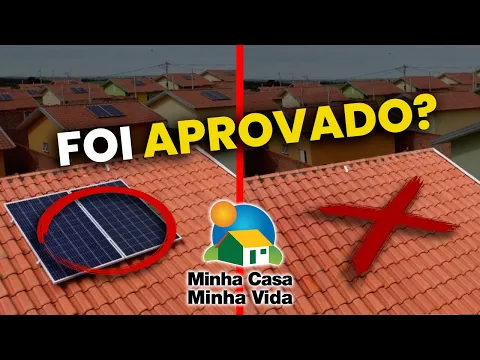

In response to Canal Solar, the MME stated that the program is only in the “regulation phase” and “alignment between the involved agencies”.
“The Ministry of Mines and Energy informs that the inclusion of solar energy generation systems within the My House, My Life program is a relevant matter that has been treated in an integrated manner by the Government of Brazil.”
Despite the statement, no concrete date has been announced.
Electricity Bill Consumes Almost One Fifth Of Family Income
While the project does not move forward, the reality in Brazilian homes remains tough. According to IBGE data, low-income families spend, on average, 18% of their monthly income just on electricity.
This means that almost one fifth of the money that comes in every month goes straight to the electricity bill. In this scenario, solar energy could significantly relieve this financial burden.
However, without the program’s execution, the promise of savings remains merely talk.
Experts Warn: The Delay Puts Everything At Risk
The Brazilian Association of Photovoltaic Solar Energy (ABSOLAR) assesses that the project is essential to democratize access to solar energy in the largest housing program in the country.
Nevertheless, the entity states that there is currently no record of My House, My Life homes with installed solar systems.
The alarm was raised by ABSOLAR president Rodrigo Sauaia:
“This situation is concerning, as we are in the last year of the current presidential term. So far, there are still no clear rules implemented by the federal government regarding execution criteria, schedule, or public resources allocated for the effective installation of these systems, which jeopardizes the realization of this commitment.”

In other words, time is running out, and the risk of the promise never becoming a reality increases.
Who Would Be Entitled To Solar Energy In The Program
The Clean Energy Program in My House, My Life was designed to meet low-income families. It would include:
- Urban 1: monthly income of up to R$ 2,640
- Urban 2: income between R$ 2,640.01 and R$ 4,400
- Rural Range 1: annual income of up to R$ 31,680
These groups would be the first to benefit from the installation of solar energy systems in homes financed by the program.
In your opinion, what could be blocking the progress of solar energy in My House, My Life? Do you believe that the change could improve the lives of poorer people?






Seja o primeiro a reagir!