





 Portuguese
  English
  Spanish
  4 min of reading
  2 comments


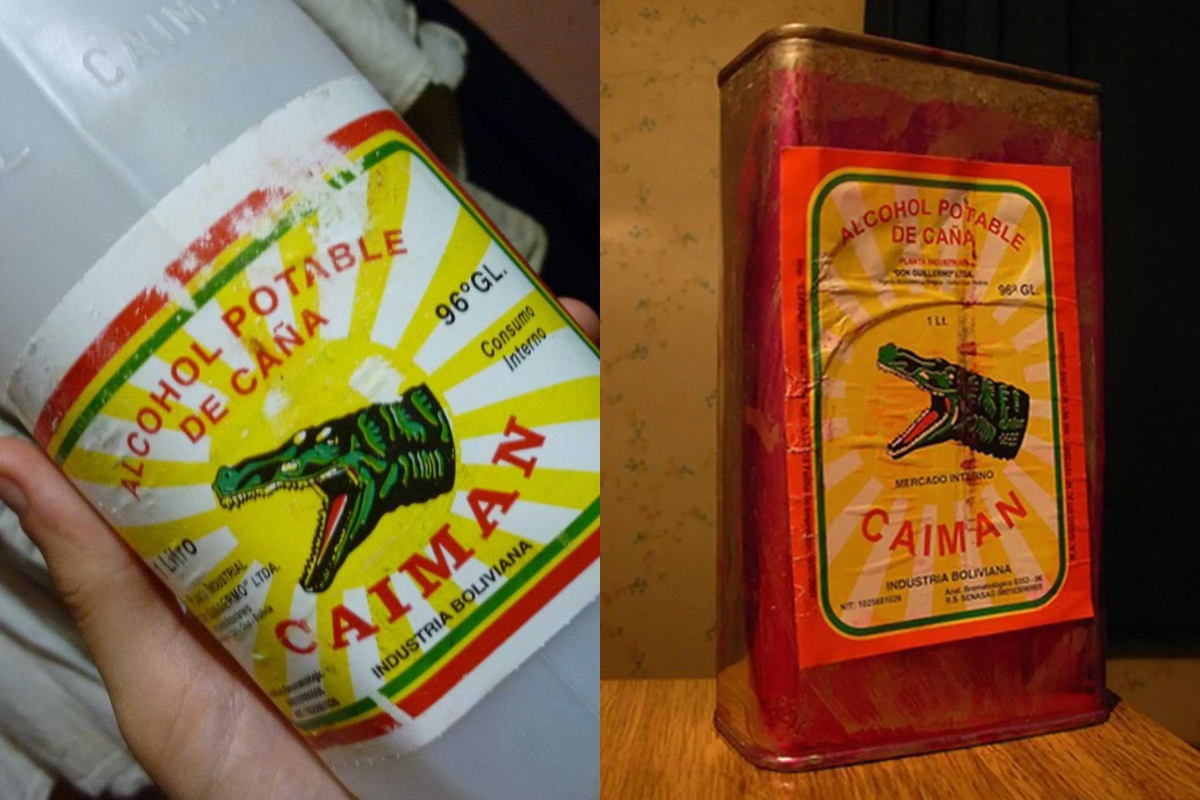


With 96% Alcohol Content, Cocoroco Is Considered the Strongest Drink in the World. Made Artisanally, It Has Become a Cultural Symbol and an Extreme Example of Traditional Andean Distillation
Few drinks in the world are as extreme and symbolic as Cocoroco, a Bolivian spirit that surpasses any common notion of alcoholic potency. With an impressive 96% alcohol content, the transparent liquid is considered one of the strongest spirits on the planet, practically pure alcohol.
But far beyond its physical impact, Cocoroco is also a Andean cultural symbol, deeply rooted in the traditions and identity of the Bolivian people.
A Drink Born in the Heart of the Andes
Cocoroco has been produced for generations in regions of the Bolivian highlands, especially in Aymara and Quechua communities. Its origin is linked to the artisanal distillation of sugarcane, a process passed down from father to son, reflecting the creativity and resilience of local populations in the face of adverse climatic and economic conditions.
-
Friends have been building a small “town” for 30 years to grow old together, with compact houses, a common area, nature surrounding it, and a collective life project designed for friendship, coexistence, and simplicity.

-
This small town in Germany created its own currency 24 years ago, today it circulates millions per year, is accepted in over 300 stores, and the German government allowed all of this to happen under one condition.

-
Curitiba is shrinking and is expected to lose 97,000 residents by 2050, while inland cities in Paraná such as Sarandi, Araucária, and Toledo are experiencing accelerated growth that is changing the entire state’s map.

-
Tourists were poisoned on Everest in a million-dollar fraud scheme involving helicopters that diverted over $19 million and shocked international authorities.


Unlike industrial spirits, Cocoroco is made in small family distilleries, often with simple equipment and rudimentary techniques. The result is a drink of extremely high purity, which explains its nearly absolute alcohol content.
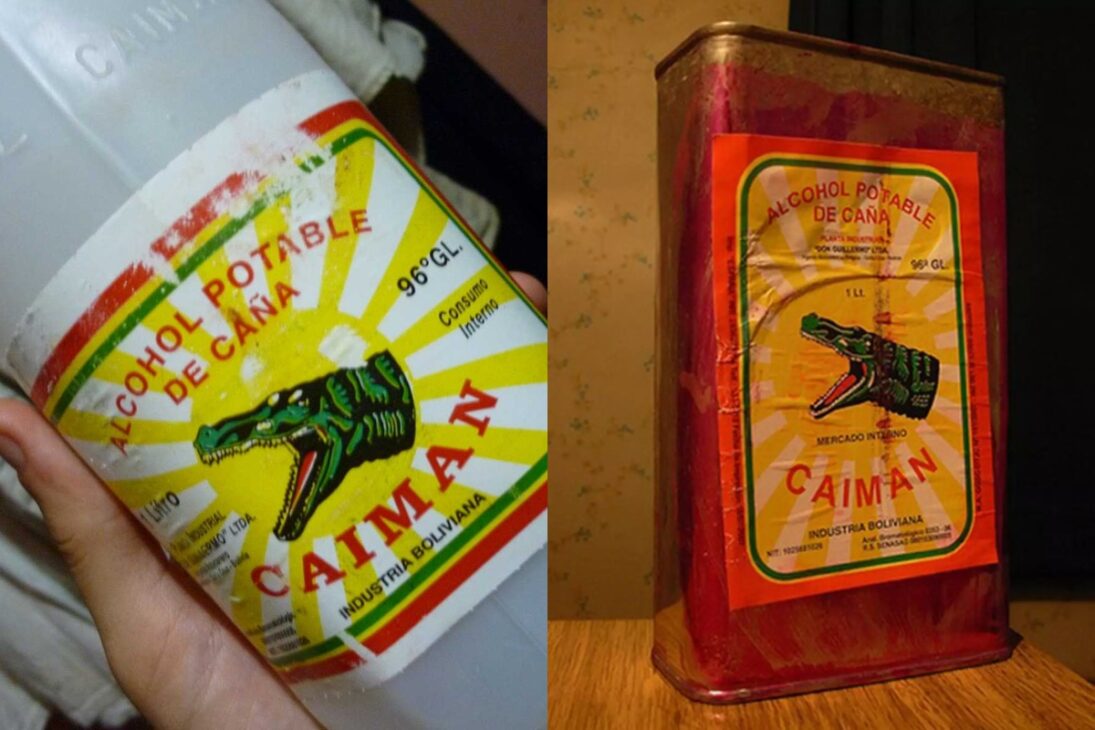
In some regions, it is sold in metal cans or reused bottles, without sophisticated labeling, reinforcing its popular and traditional character.
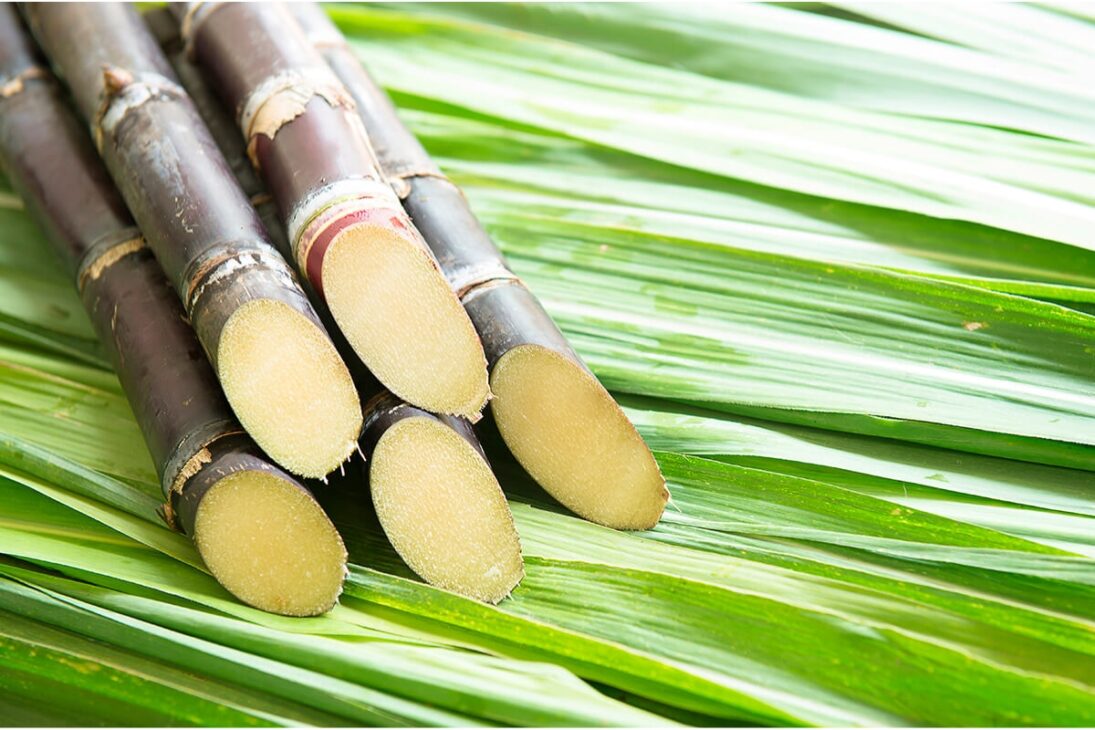
Although its consumption is limited to small quantities, it holds a special role in local festivities, community gatherings, and even in spiritual ceremonies. During harvest celebrations, Cocoroco is offered to Pachamama (Mother Earth) as a form of gratitude and blessing, a gesture that reveals its symbolic importance in Andean culture.
A Power That Scares the World and Fascinates Tourists
With 96% alcohol by volume, Cocoroco ranks prominently on international lists of the strongest drinks in the world. No other legally produced spirit reaches such high proof without resorting to complex industrial processes.
In comparison, a regular whisky has about 40%, and even the famous European absinthe rarely exceeds 70%.
This characteristic makes Cocoroco a curious product for tourists and collectors visiting Bolivia. Many view it as a kind of “rite of courage,” tasting small doses in local bars, although even the most experienced Bolivians warn that overindulging can be dangerous or fatal.
The consumption, therefore, is more symbolic than recreational. In much of the country, Cocoroco is used as a base for typical cocktails or mixed with juices and herbal teas, which mitigates the impact of the nearly pure alcohol.
Even so, Bolivian doctors and health authorities recommend extreme moderation, as an excessive dose can cause severe intoxication, burns in the digestive tract, and even the risk of alcohol coma.
A Cultural Heritage and a Regulation Challenge
Despite its danger, Cocoroco is seen by many Bolivians as a national heritage. The drink carries the history of communities that survived with little, transforming sugar into something valuable. Its artisanal production represents not only a means of livelihood but also cultural resistance in the face of modernization and the standardization of global consumption.
Outside Bolivia, however, the situation is quite different. In neighboring countries like Chile, Argentina, and Brazil, beverages with an alcohol content over 60% are prohibited for human consumption, making Cocoroco a restricted product and often subject to smuggling in border areas.
This informal trade is part of Andean reality and demonstrates how a local tradition can face the barriers of modern law.
Even so, Cocoroco continues to be legally produced within Bolivian territory, where the government recognizes its historical and cultural value.
Some brands have even managed to register the product and export it in limited quantities, maintaining the original name and characteristic proof, a rare feat in times of global alcohol regulation.
Between Danger and Respect: The Legacy of Cocoroco
More than an alcoholic curiosity, Cocoroco reflects a culture that balances devotion, tradition, and risk. Its presence in Andean celebrations symbolizes unity and identity, while its extreme alcohol content reminds us that the boundary between celebration and danger is thin.
For Bolivians, it is not just a drink; it is part of the living history of a people who learned to transform what they have available into something capable of transcending centuries.
And, while viewed with astonishment by the rest of the world, Cocoroco continues to represent the indomitable spirit of the Andes, where tradition and resistance still boil in every sip.










Pode colocar no tanque do carro
That’s a good idea.