





 Portuguese
  English
  Spanish
 3 min of reading
  0 comments


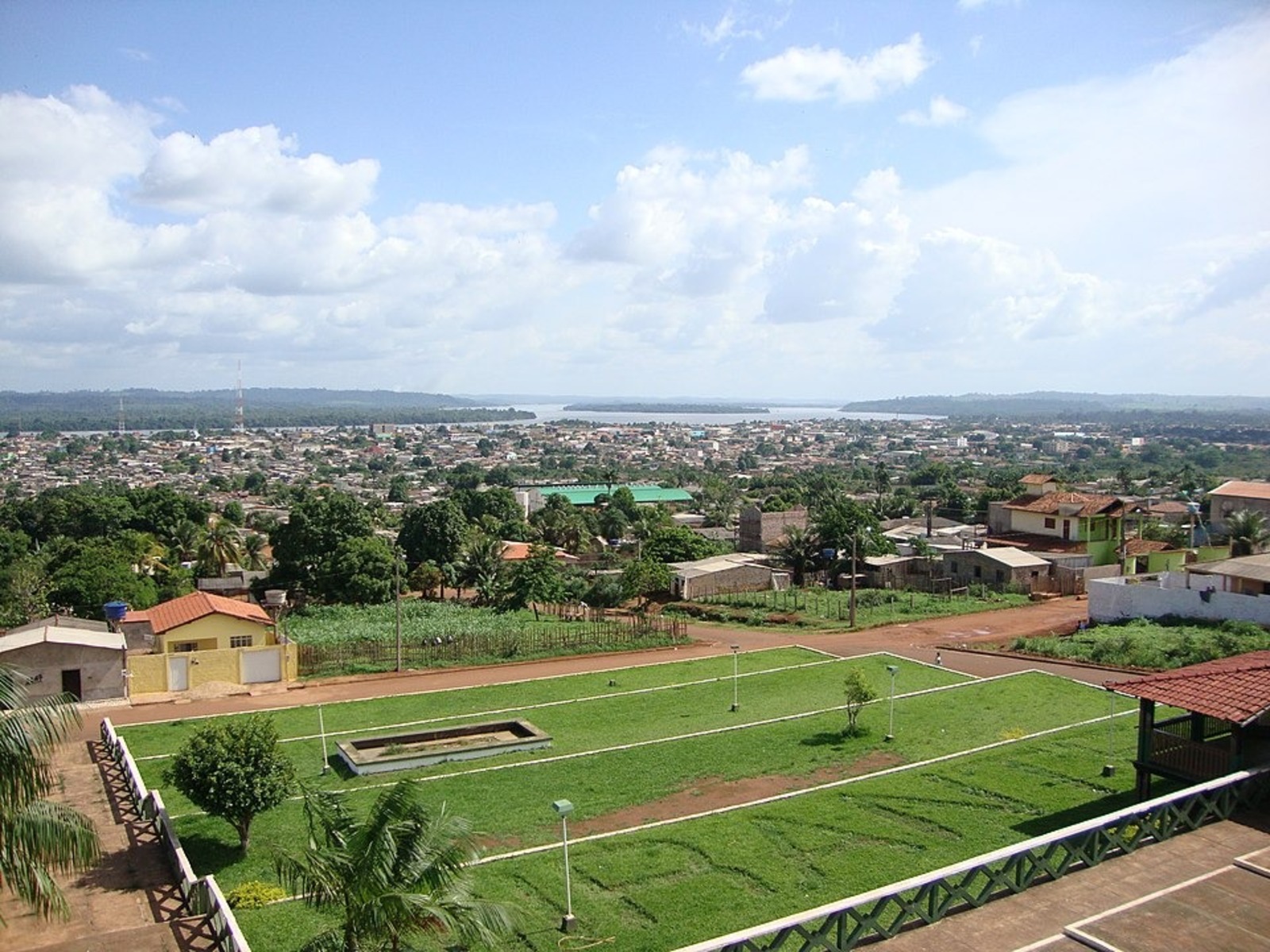
Southwest Pará Municipality Combines Continental Territory, Dispersed Population, Low Population Density, and Strategic Role in the Amazon, Influencing Urban Planning, Public Services, Regional Logistics, and Environmental Debates and Sustainable Development
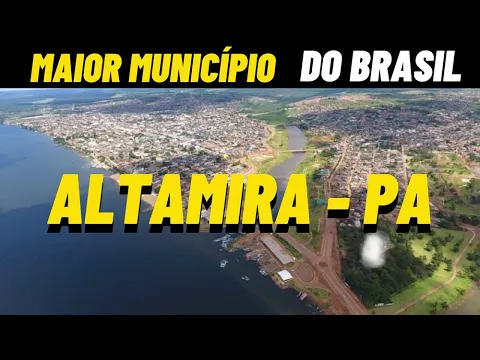
Altamira, in Southwest Pará, occupies almost 13% of the state territory and is home to about 126,000 inhabitants, according to the 2022 Census, combining continental area, a density of less than 1 inhabitant per square kilometer, and strategic relevance for the Amazon.
Located in western Pará, the municipality impresses with its territorial dimension and low population density, creating a contrast between vastness and isolation that influences public policies, urban planning, and the provision of essential services.
According to the Brazilian Institute of Geography and Statistics (IBGE), Altamira has approximately 126,000 residents spread over an area almost 100 times larger than São Paulo, resulting in one of the lowest population densities in Brazil.
-
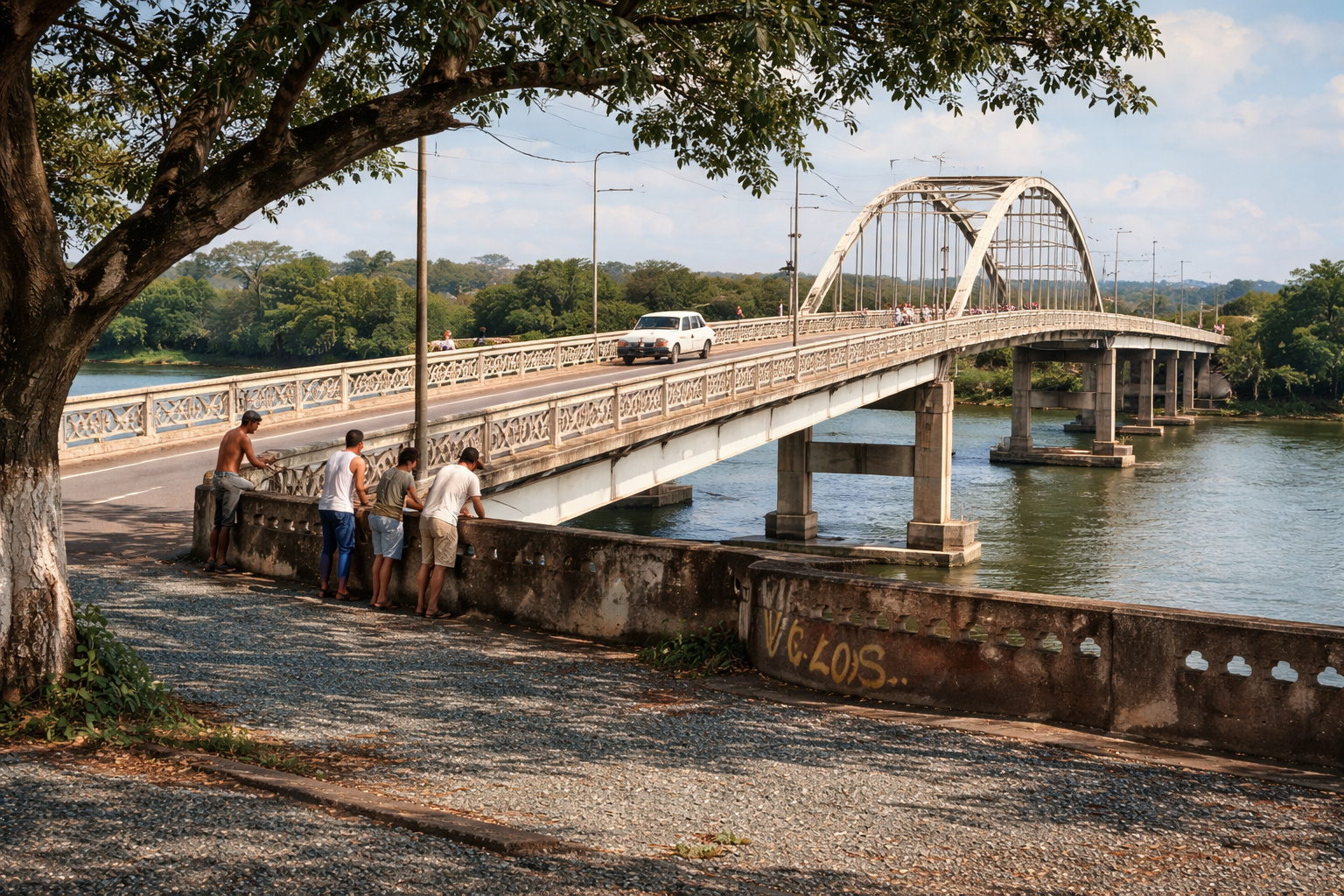
Families have been living for over 30 years under a bridge in Mato Grosso, revealing a housing deficit, irregular occupation in APP, and dependence on fishing as the main source of income.
-
What Changed at Florianópolis Beaches? New Rule Surprises Pet Owners and Restricts Dogs on the Sand at Specific Times

-
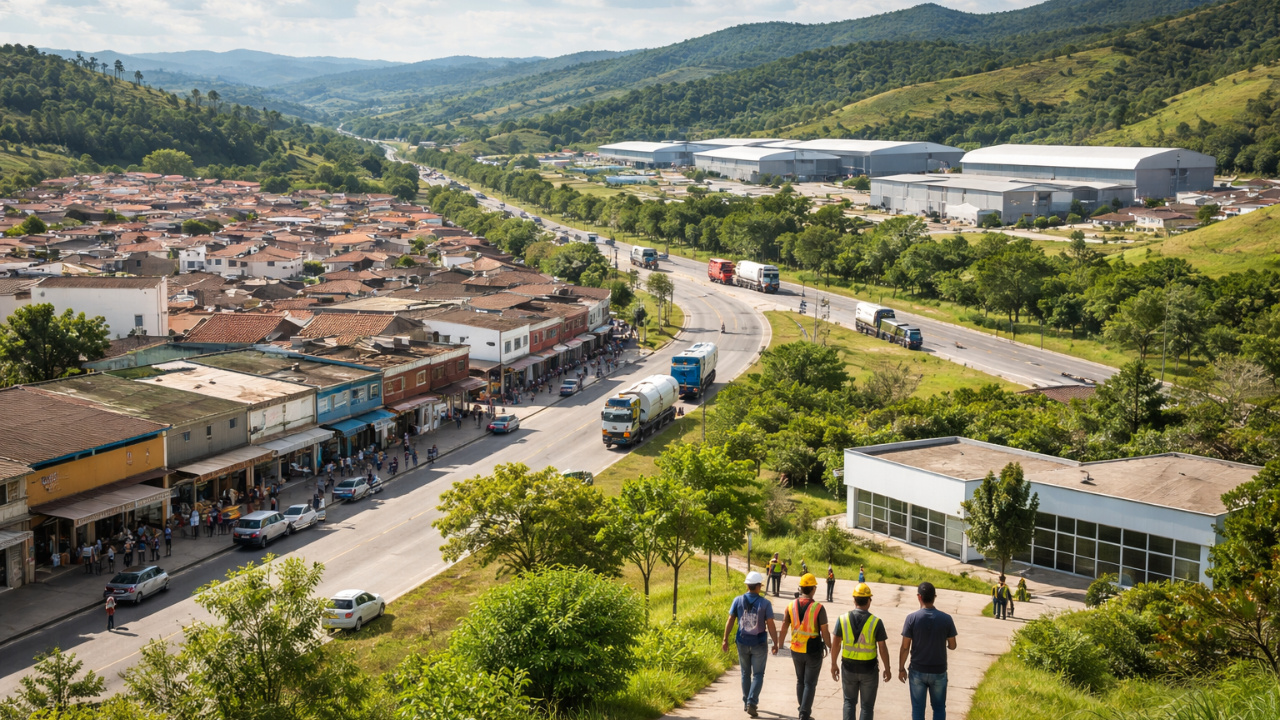
Economic Diversification Accelerates in Itatiaiuçu to Reduce Mining Dependence
-
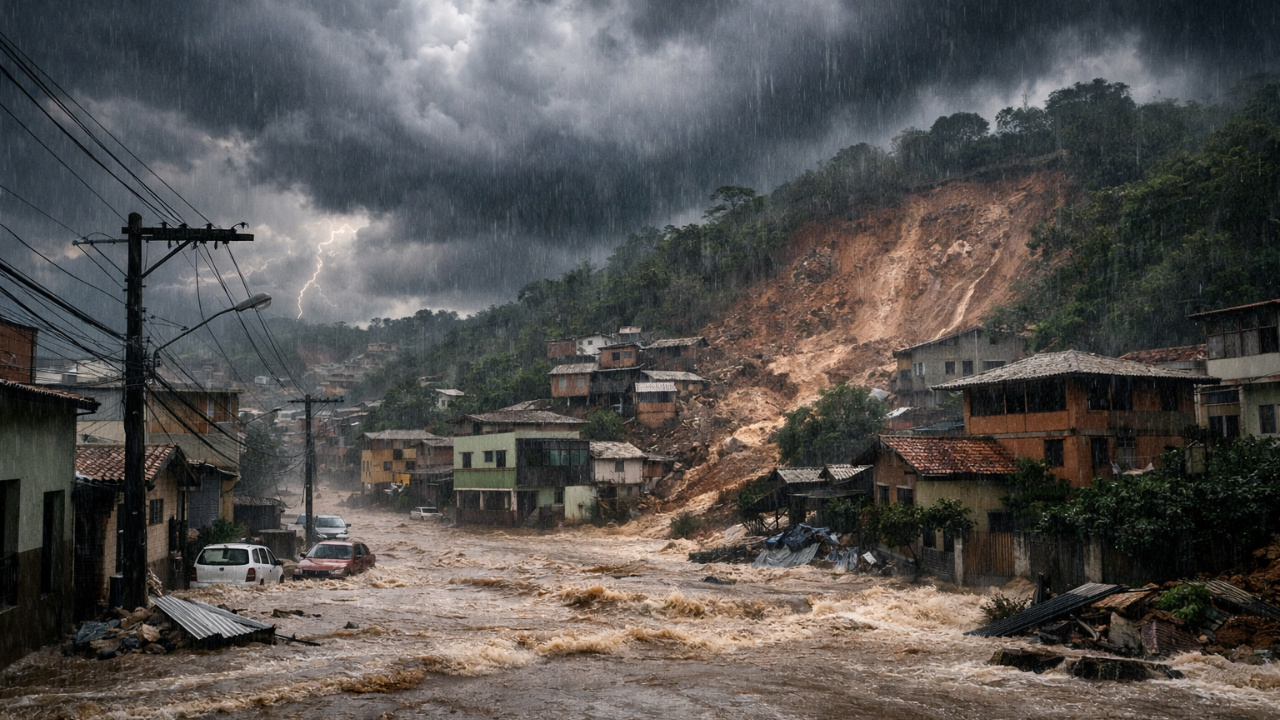
Extreme Rains: Cold Front, Supercell, and Atmospheric Trough Cause Tragedy in MG


A Territory Larger Than Many Countries
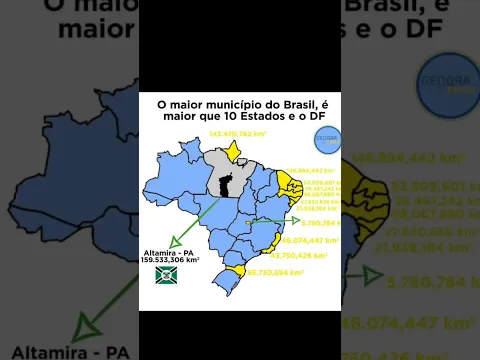
With a territorial extension greater than that of Portugal, Ireland, Iceland, and Greece, Altamira surpasses 104 independent countries in area, ranking among the largest administrative divisions on the planet in terms of surface area.
This territorial scale imposes governance challenges, as communities are separated by large distances, requiring differentiated planning for transportation, security, and regional integration, especially in hard-to-access areas.
Dispersed Population and Structural Challenges of Altamira Municipality
The dispersed population makes access to healthcare, education, and basic services difficult, making logistics a central factor for government action in the municipality.
The isolation of rural and riverside communities raises operational costs and limits the continuous presence of the state, affecting the execution of social policies and balanced economic development.
On the other hand, the low human occupation favors environmental preservation, maintaining extensive areas of virtually intact forest, a distinct scenario from regions with accelerated urban expansion.
Natural Heritage and Impacts of Belo Monte
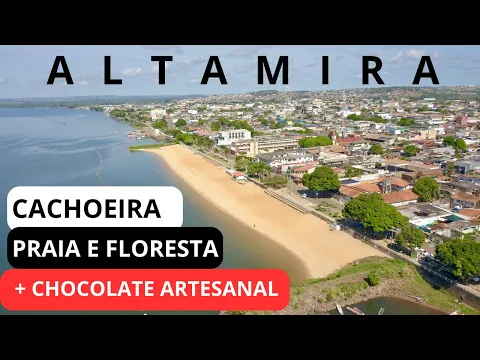
Altamira is home to conservation units such as the Serra do Pardo National Park and the Terra do Meio Ecological Station, located within the Amazon biome and relevant for environmental conservation.
The municipality also hosts the Belo Monte Hydroelectric Plant, one of the largest in the world, whose implementation boosted the local economy but caused significant social and environmental impacts.
The presence of the enterprise altered the dynamics of riverside and indigenous communities, requiring socioeconomic adaptations and ongoing debates about development and sustainability.
Strategic Relevance in the Amazon
Located along the Trans-Amazonian Highway, Altamira serves as a logistical link between the interior of Pará and neighboring states, reinforcing its importance in the regional flow of people and goods.
The municipality attracts investments related to agribusiness and energy generation, but growth requires planning to avoid excessive pressures on the forest and existing infrastructure.
Altamira: A Little-Known Giant
Despite its territorial dimension and strategic role, Altamira remains little known on the national stage, even surpassing entire countries in size and concentrating unique geographical attributes.
The local reality highlights contrasts within the Brazilian Amazon, bringing together natural wealth, low human density, and historical integration challenges, aspects that help to understand the regional complexity.
With information from TNH1.








-

-

-

-

-

-

77 pessoas reagiram a isso.