





 Portuguese
  English
  Spanish
  4 min of reading
  0 comments


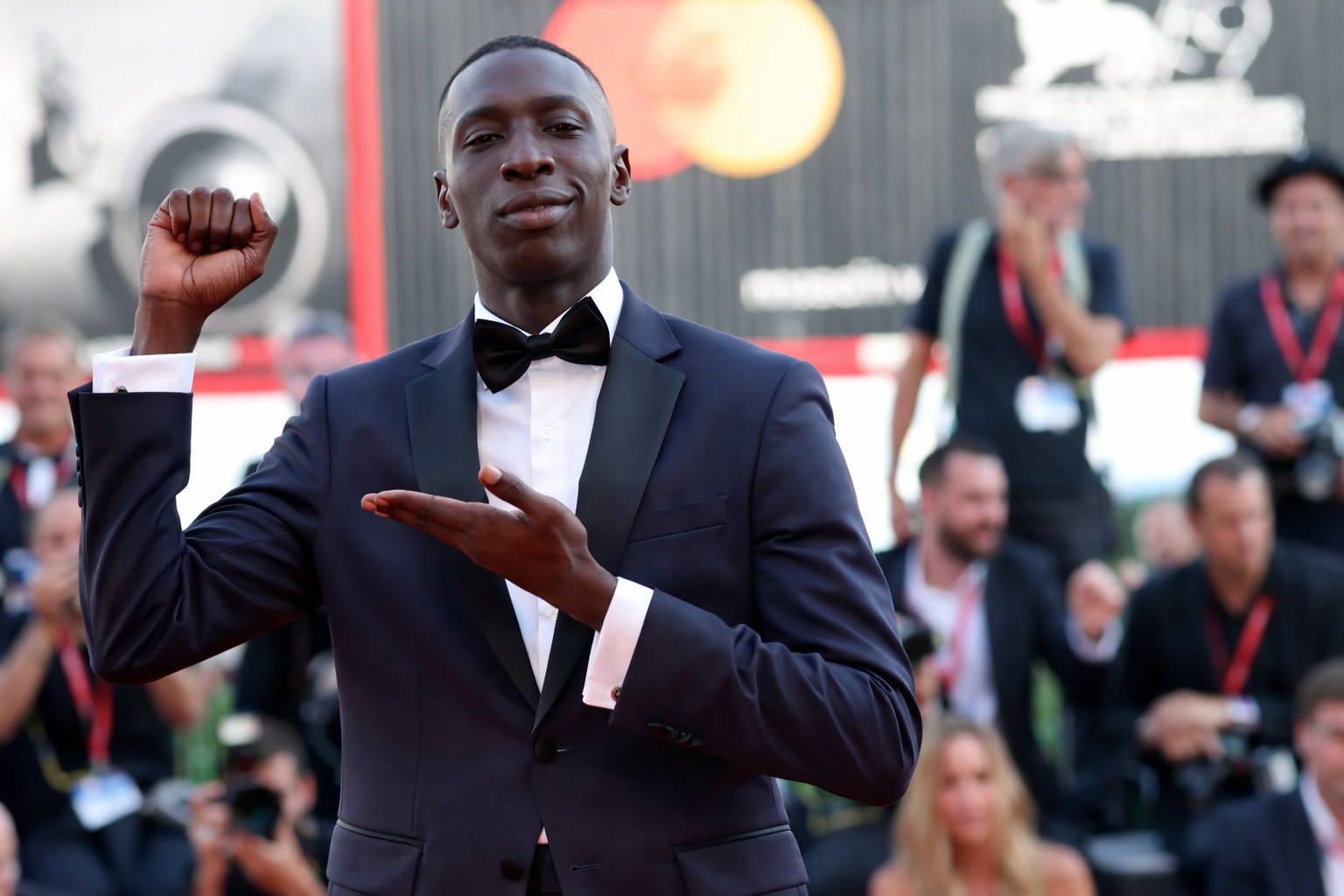
Who Is Khaby Lame and How Did He Build the Largest Audience on TikTok
First of all, it is important to understand who is at the center of this transformation. Khaby Lame, the world’s largest TikToker, has captivated audiences with simple and silent content, based solely on facial expressions and gestures. This is precisely why his format has become universal and easily understood in any country.
With this straightforward approach, Khaby has amassed around 160 million followers on TikTok. Moreover, when his audiences on TikTok and Instagram are combined, the number exceeds 360 million followers. In other words, this is an unprecedented global reach.
At the same time, this growth did not happen by chance. On the contrary, Khaby built a highly recognizable personal brand. In this way, he transformed attention into a strategic asset, something that few creators have managed to do on a similar scale.
-
The government requests the Federal Revenue Service for a new system to automate the income tax declaration, reducing errors, time, and bureaucracy for millions of Brazilians.

-
Pix in installments, international Pix, and contactless payment without internet: the Central Bank revealed the new features coming to the tool that is already used by almost every adult in Brazil.

-
Mercado Livre has just started selling medications with delivery in up to three hours to your door, and this move could completely change the way Brazilians buy medicines on a daily basis.

-
In Dubai, rising tensions from the war in the Middle East are causing super-rich individuals to leave the Gulf and direct their fortunes to a new financial refuge in Asia.


The Billion-Dollar Deal That Repositions the Creator as the Owner of the Business
In addition to innovating in content format, Khaby also stood out for his strategic vision in business. In this context, he signed an acquisition and partnership agreement estimated between 900 and 975 million dollars with Rich Sparkle Holdings.
The negotiation involved the partial sale of his company, Step Distinctive Limited. In addition, he granted Rich Sparkle exclusive management of his personal brand. This control includes business partnerships, licensing, and advertising campaigns for a period of 36 months.
However, the most relevant point is not just the financial value. On the contrary, the difference lies in the structure of the deal. Khaby will become the majority shareholder of Rich Sparkle Holdings, completely reversing the traditional logic of the influencer market.
Instead of being simply represented by a company, the creator now controls the structure that monetizes his own image. Thus, he stops being merely the “talent” to also become the owner of the business.
Artificial Intelligence and Limitless Scale for the Khaby Brand

In addition to the services provided in the agreement, there is also the possibility of developing a version of Khaby generated by artificial intelligence. In this sense, the proposal is to replicate his features, gestures, and even his voice.
This way, it would be possible to produce and distribute content on a large scale. At the same time, there would be no need to occupy the creator’s schedule with new recordings. Therefore, the brand becomes independent of the influencer’s physical time.
This model represents a new level of efficiency in the creator economy. After all, content, digital presence, and monetization now operate almost continuously.
The stated goal of the partnership is to drive creator economy and generate over 4 billion dollars in annual sales. Still, what is most impressive is not just the financial projection, but the strategic architecture behind the operation.
The Reversal of Traditional Logic in the Creator Economy
In the creator economy, this movement is considered a game-changer. Traditionally, influencers monetize their audience through one-off contracts. In this model, agencies control negotiations, pricing, and distribution.
Here, however, the logic changes completely.
Traditionally, creators are talents represented by agencies. Here, the talent becomes the owner of the structure that operates the monetization.
Therefore, the impact goes beyond Khaby. It signals a possible path for creators who want control, predictability, and a real stake in the results.
This movement occurs in a sector that already generates significant figures. The global creator economy is expected to considerably exceed 200 billion dollars by 2026. Furthermore, projections indicate that this market could reach 480 billion dollars by 2027.
The Evolution of Influencer Marketing Over the Years
To better understand the dimension of this change, it is worth looking at the trajectory of influencer marketing.
2010–2016: The first major digital influencers emerge. During this period, content production was predominantly organic, without business structure. Brands closed one-off partnerships, primarily focused on reach and visibility.
From 2017: The market enters a phase of professionalization. Specialized agencies begin to mediate contracts, structure media kits, define prices, and plan content more strategically.
2020–2024: With the pandemic, the increase in screen time, and the rise of TikTok, creators advance another level. Many begin to create their own companies, launch products, and invest in long-term positioning.
2025–2026: Khaby elevates this process to another level by taking on the role of shareholder. This is a decision that should resonate for years and drive billion-dollar transactions.
The Challenge Behind the New Opportunity
Despite the potential, the big question remains: is the creator market really ready for this change?
Before becoming a shareholder in his own business, the creator needs to have clarity about his financial structure. Moreover, he must have revenue predictability and diversification of income sources. Otherwise, the strategy may turn into a risk, rather than an advantage.
Similarly, understanding the timing is essential. Not every moment is ideal for innovation. In many cases, strengthening the community and organizing internal processes may be the smartest decision before expanding.
If you had a massive audience, would you prefer to continue just “selling promotions” or would you have the courage to become a partner and owner of the structure that monetizes your brand?









-

Uma pessoa reagiu a isso.