





 Portuguese
  English
  Spanish
  5 min of reading
  86 comments


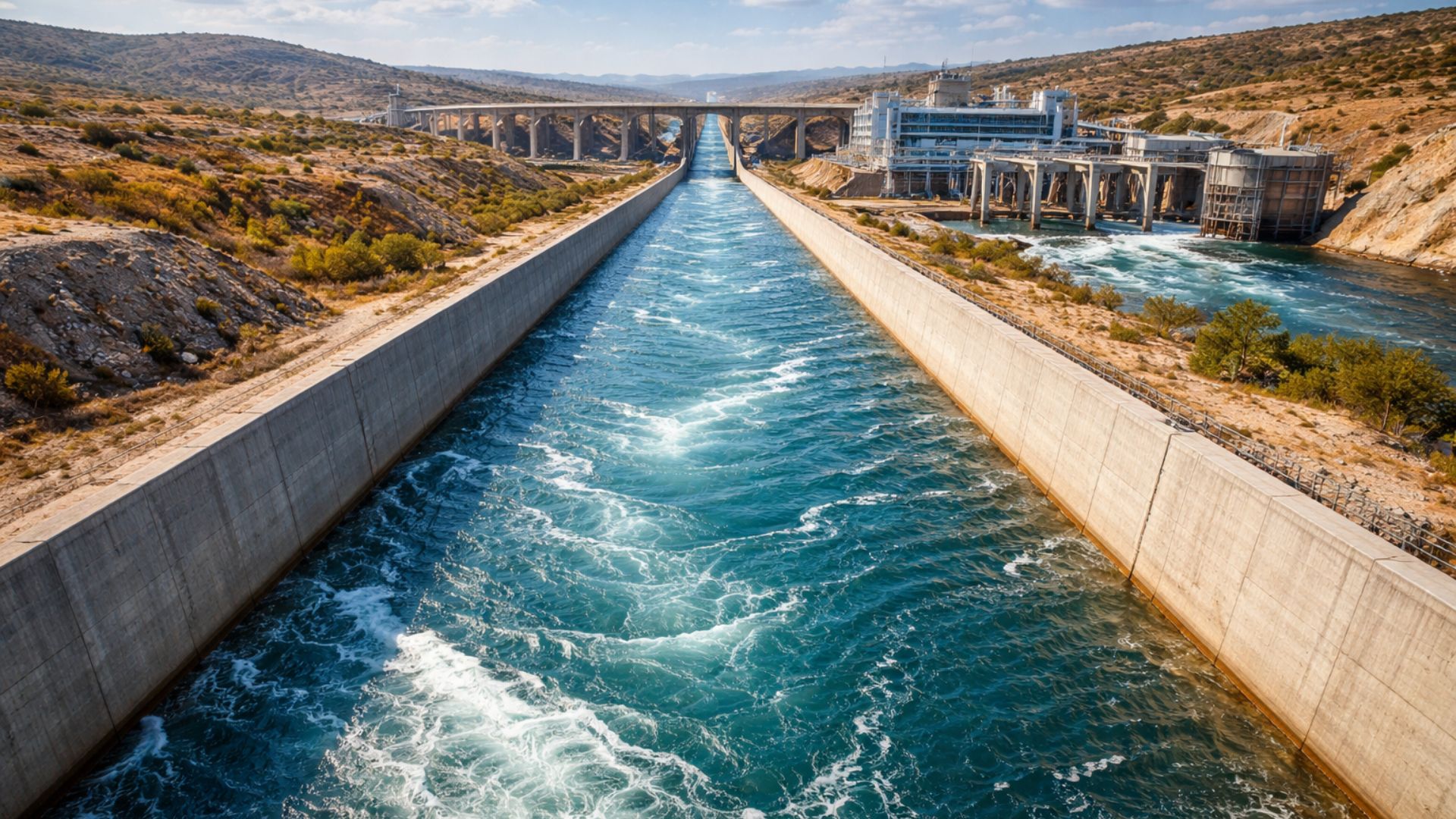


Official Balance Details Billion-Dollar Investments, Progress of Strategic Works, Impact on the Semi-Arid Region and the South of the Country, Water Planning Actions and Expansion of Access to Drinking Water in Urban and Rural Areas Throughout 2025.
Published this Tuesday (23) by the Brazilian government, the balance of water security actions for 2025 highlights the transposition of the São Francisco River as one of the main federal projects aimed at increasing access to water in the country.
According to the information released, the São Francisco River Integration Project benefited 12 million people, received investment of R$ 2 billion and drove over 70 structural works, focusing on the northeastern Semi-Arid region.
The actions are part of the policies coordinated by the Ministry of Integration and Regional Development, which brought together initiatives for human supply, flood control, water storage, basin revitalization, irrigation, and long-term planning.
-
The Argentine government celebrates the lowest poverty rate in 7 years, but experts warn that the methodology has changed, real wages have fallen, unemployment has risen, and the number of people on the streets of Buenos Aires has increased by 57% since Milei took office.

-
7.8 magnitude earthquake in Indonesia frightens the population, triggers tsunami alert, and hits an island with over 200,000 inhabitants this Thursday.

-
Google will finally let you change that embarrassing Gmail address you created in your teenage years without losing any accounts, logins, or old emails: the feature is already available in the United States.

-
Heading to Brazil in a Bonanza F33 single-engine aircraft: a couple departs from Florida on a visual flight, makes technical stops in the Caribbean to refuel and organize paperwork, and begins the staged crossing until they reach the country.


According to the government, the projects had an impact in different regions of the country throughout 2025.
São Francisco Transposition Concentrates the Largest Volume of Resources
Classified by the government as the largest water infrastructure work in Brazil, the transposition of the São Francisco River remained at the center of actions by the National Water Security Secretariat.
Throughout 2025, efforts were directed towards increasing operational capacity and completing complementary structures intended for the conduction of water to strategic reservoirs and state supply systems.

According to official data, works such as the Apodi Ram received R$ 270 million during this period.
In the same context, interventions progressed in the Ceará Water Belt and modernization actions on reservoirs considered important for regional water distribution.
The tender for increasing the pumping capacity of the North Axis was also launched, with an investment of R$ 95.8 million, a measure that, according to the government, aims to increase the regularity of supply to the states served.
“The results of 2025 show the Federal Government’s commitment to water security as a structural policy,” said Giuseppe Vieira, Secretary of the National Water Security Secretariat.
According to the secretary, the actions aim to increase access to water, support regional development, and strengthen the resilience of the populations served.
Dams and Pipelines Increase Supply Capacity in the Northeast
The balance released this Tuesday also reports the delivery of water storage and distribution works in Northeastern states.
Among the projects is the Panelas II Dam, which serves approximately 199 thousand people, according to official data.
The total reported investment was R$ 114 million, of which R$ 66 million came from the New PAC, with supplementary resources from the old PAC 2.
In addition, pipelines were delivered in Pernambuco, Paraíba, and Piauí, aimed at strengthening urban and rural supply systems.
In Rio Grande do Norte, the completion of the Oiticica Dam began serving 22 municipalities, reaching about 294 thousand people.
The total investment value for the work was R$ 85.4 million, according to the federal government.
According to the ministry, these structures aim to increase storage capacity, reduce vulnerabilities in supply, and strengthen local systems in areas subject to water scarcity.
South Region Receives Works Focused on Flood Control and Reservoirs

The report also records progress in water security works in the Southern Region.
In Rio Grande do Sul, the Arroio Taquarembó Dam, located in Dom Pedrito, integrates a multi-use system.
According to the government, the structure was designed to supply the population, support agricultural activity, and contribute to environmental preservation.
Other projects are still underway, such as the Arroio Jaguari Dam in São Gabriel.
The work is expected to benefit around 240 thousand inhabitants of the Santa Maria River Basin, according to official estimates.
In Bagé, the Arvorezinha Dam aims to increase water security against droughts and strengthen urban supply.
Basin Revitalization Plans Investments of R$ 2.4 Billion
In the environmental field, the National Watershed Revitalization Program had, in 2025, the approval of 96 actions.
According to the government, the projects will allow investments of R$ 2.4 billion, with resources from the privatization of Eletrobras.
The basins of the São Francisco and Parnaíba Rivers concentrate part of the approved initiatives.
Areas influenced by the Furnas reservoirs are also included.
The actions involve environmental recovery, spring protection, and measures to strengthen integrated water management.
Desalination Systems Expand Access to Drinking Water

The official balance also highlights the expansion of the Sweet Water Program, aimed at serving rural communities in the Semi-Arid region.
In 2025, 140 desalination systems were delivered, with an investment of R$ 43.4 million.
According to the disclosed data, 1,211 systems are in operation in the country.
These structures provide drinking water for about 307 thousand people, with a daily production close to five million liters.
The program also includes the training of local operators responsible for the operation and maintenance of the systems.
Water Planning and Governance Advance in 2025
The report published this Tuesday informs about progress in long-term planning.
In 2025, the government continued the implementation of the National Water Resources Plan 2022–2040.
Among the measures are the development of monitoring indicators, the creation of the SIGA-PNRH panel, and the preparation of a diagnosis of state water resources plans in nearly the entire country.
In the institutional field, there was a restructuring of the National Water Resources Council.
According to the balance, the council resumed activities, increased civil society participation, and recreated technical chambers, holding ordinary and extraordinary meetings throughout the year.
Irrigation and Water Path Integrate Actions in the Semi-Arid Region
The water security agenda also included initiatives aimed at irrigated agriculture.
Among them are the regulation of the National Irrigation Policy, the recognition of new hubs, the implementation of water reuse systems, and support actions for irrigated family farming.
These initiatives are articulated with the Water Path Project, which included technical visits, inspections, and the delivery of works in sections of the São Francisco River Integration Project.
The caravan passed through Pernambuco, Ceará, Paraíba, and Rio Grande do Norte.
According to the government, the project integrated more than 70 structural actions registered in the New PAC, focused on increasing water security in the Semi-Arid region.








Lula que fez a obra!
Kkkk – In 2008, while Bolsonaro was terrorizing the radio airwaves – Lula started the ambitious Rio Sao Francisco project. Its the legacy if all who originally and consistently promoted the project.
VIVA BOLSONARO