





 Portuguese
  English
  Spanish
  4 min of reading
  0 comments


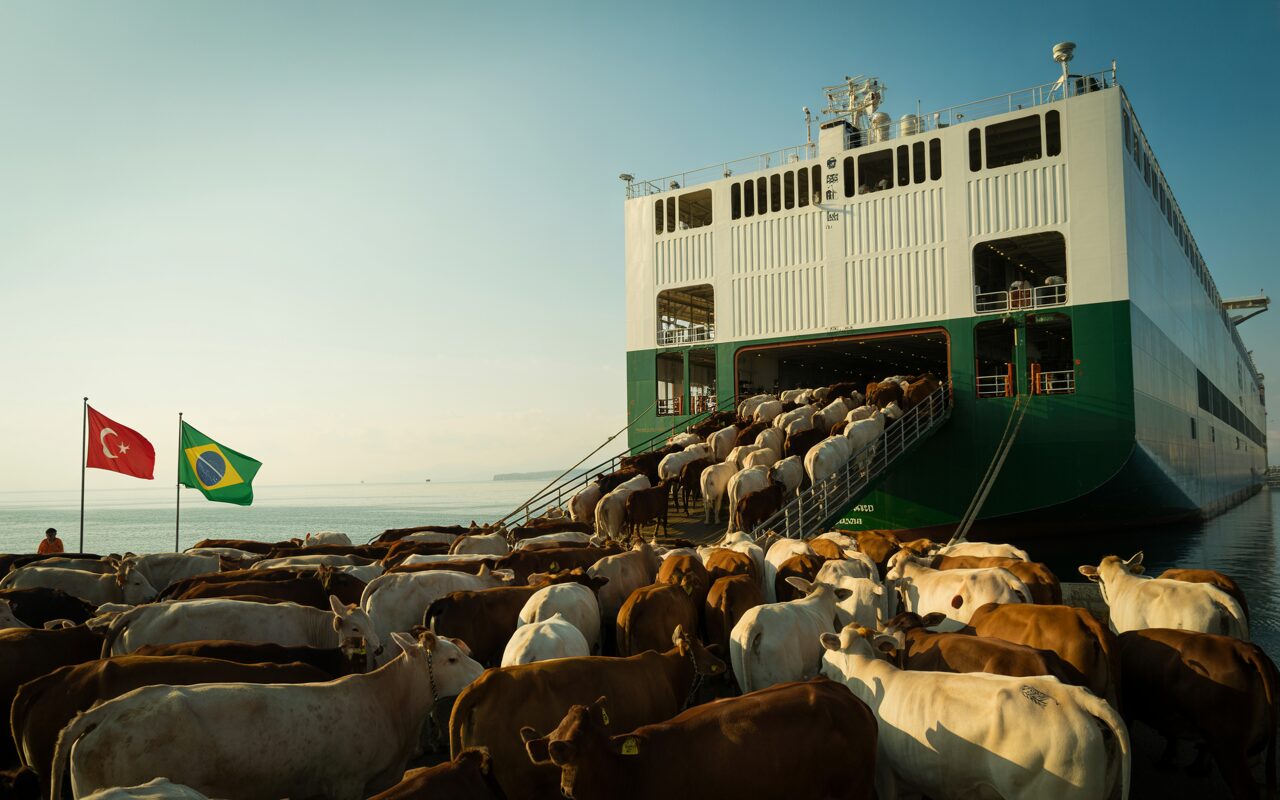
Operation Reinforces Brazilian Leadership in Live Cattle Exports and Highlights Logistical and Sanitary Advances in International Animal Cargo Transportation.
Brazil began on Saturday (10) yet another important cattle export operation, with the departure of the world’s largest livestock transport vessel, the NADA, from the Port of Rio Grande (RS). The ship is carrying more than 20,000 live cattle to the port of Iskenderun in Turkey. The journey is expected to last 18 days, with an estimated arrival on May 28.
The operation, monitored by sanitary and logistical authorities, reaffirms the country’s role as a leader in the global live animal trade and demonstrates the advancement of structures and protocols applied in the shipment of live cargo on a large scale.
Capacity and Structure of the NADA
Registered under the Panamanian flag, the NADA is over 180 meters long and has the capacity to transport up to 27,000 cattle, depending on the average weight of the animals. The vessel is specifically designed for livestock transportation, featuring automated systems for ventilation, feeding, and hydration, as well as designated resting areas, following international animal welfare standards.
-
Europe is trying to create an ammonia-powered marine engine without auxiliary fuel, which could unlock the race for giant emission-free ships. The technology aims to eliminate one of the biggest obstacles to clean maritime propulsion.

-
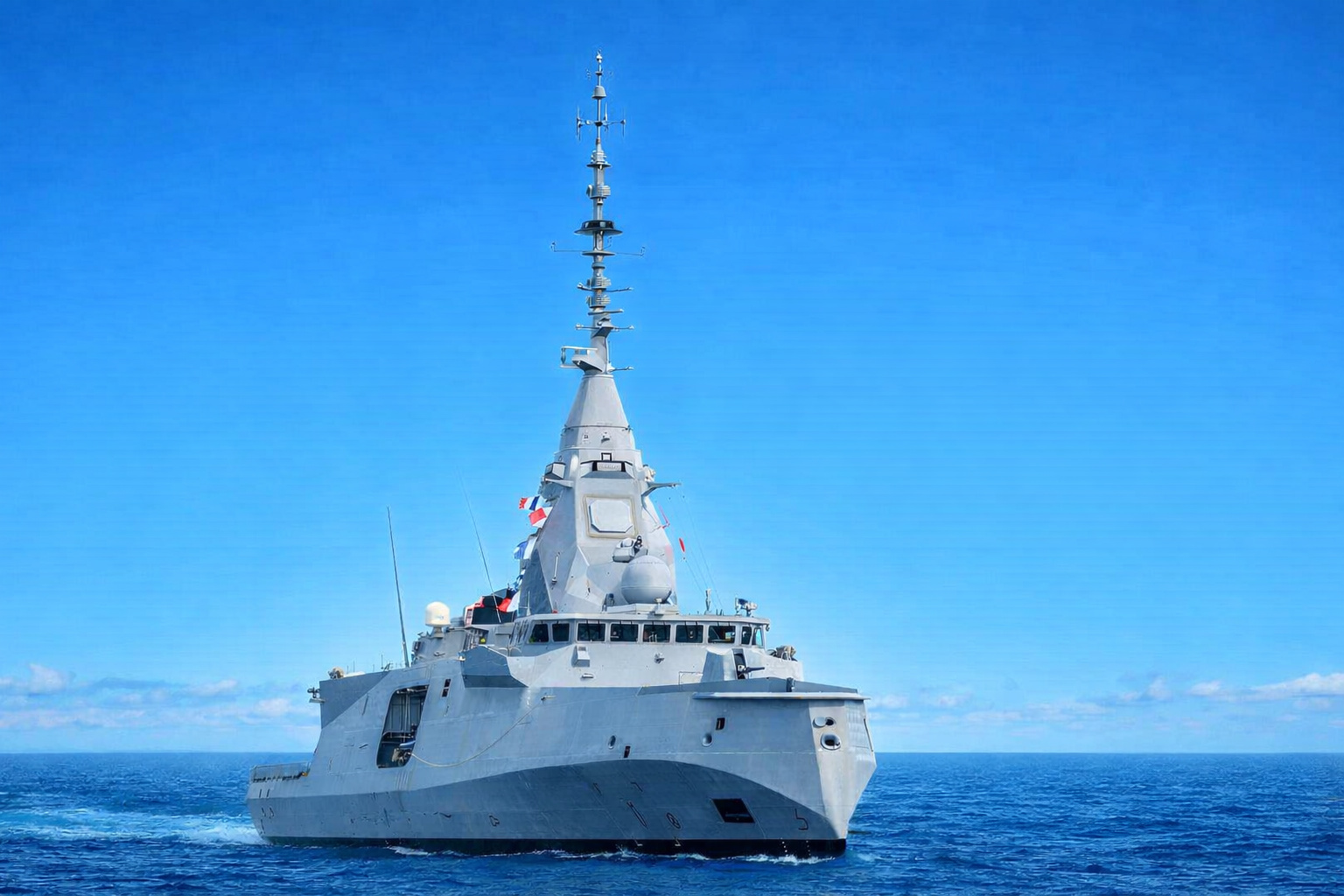
A 4,500-ton frigate with just over 100 crew members, state-of-the-art radar, and cruise missiles is being touted as the new standard of naval warfare in the 21st century.
-
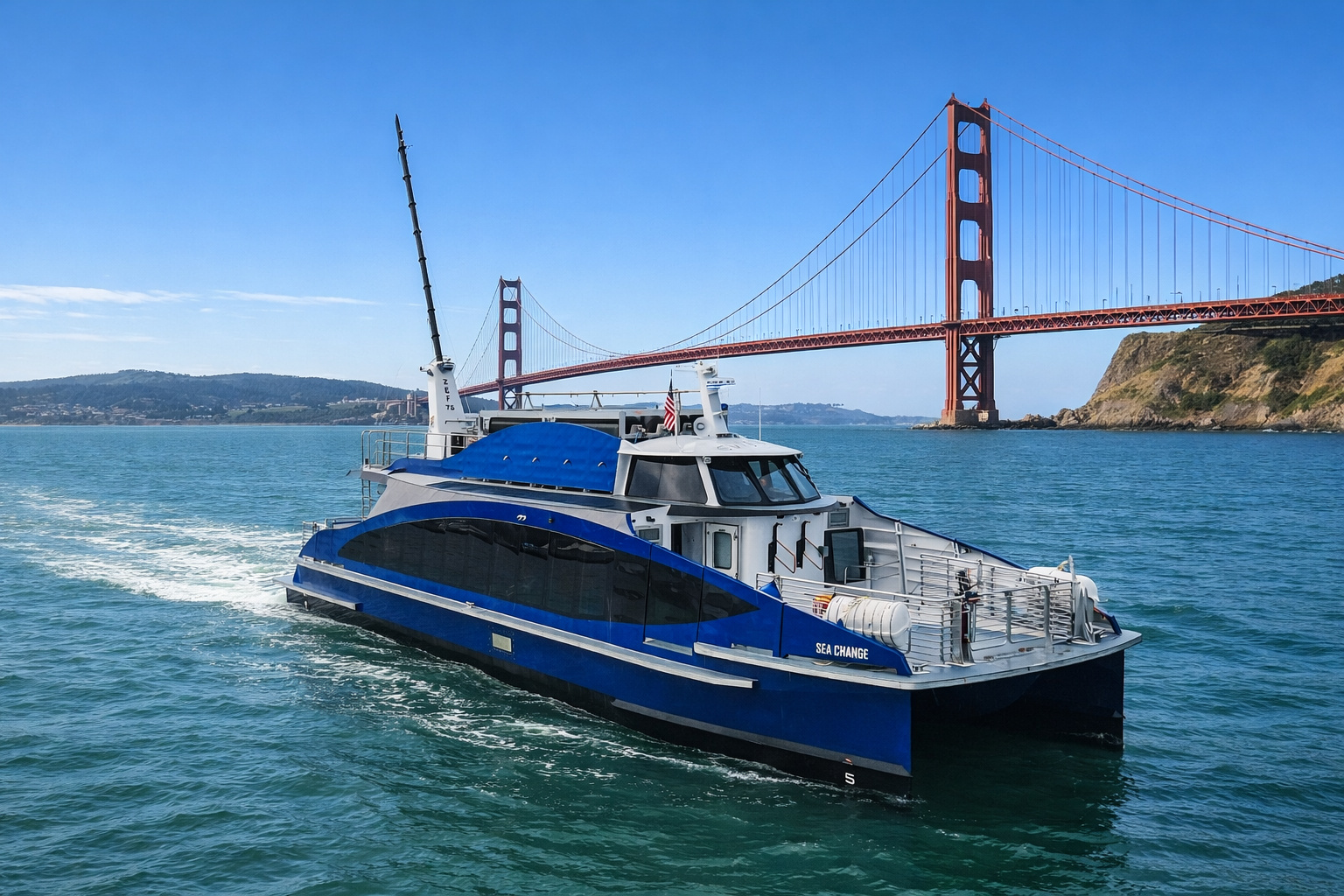
The first commercial hydrogen-powered ferry enters operation in the U.S., eliminates the use of diesel, uses fuel cells to generate clean energy on board, and transforms San Francisco Bay into a landmark of the new era of emission-free navigation.
-
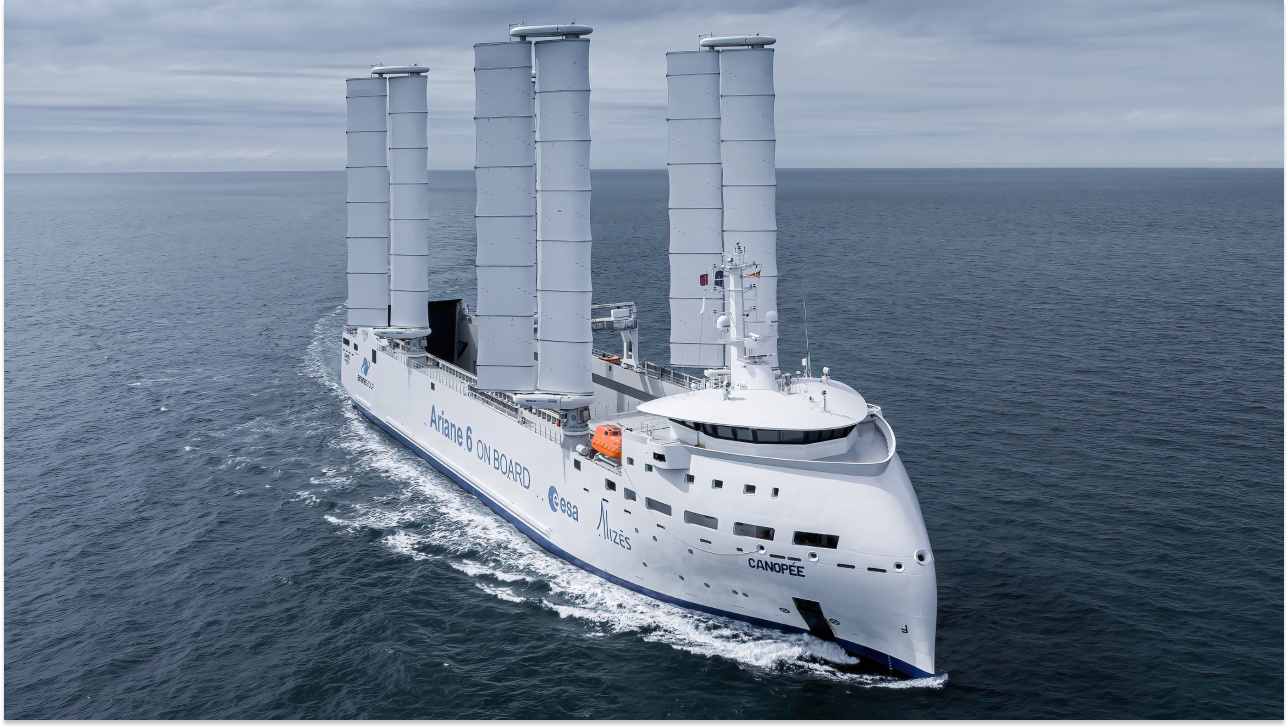
With a length of 121 meters and four rigid sails of 36 meters that automatically rotate to capture the wind, Canopée is the world’s first hybrid industrial cargo ship powered by wind, used to transport rockets and reduce fuel consumption by up to 30% on transoceanic routes.

The modern structure ensures that the animals are maintained under optimal conditions during the ocean crossing, which is considered one of the most demanding in terms of logistics and inspection.
Supervision and Sanitary Control
The entire operation was monitored by teams from the Ministry of Agriculture and Livestock (MAPA), through the Secretariat of Animal Defense, with the joint participation of professionals from the International Animal Health Surveillance (Vigiagro) and the Department of Animal Health (DSA).
Inspections start at the pre-embarkation stations (EPEs), where the cattle undergo quarantine and rigorous veterinary inspections, focusing on health status, behavior, and compliance with environmental regulations. Among the units involved, NSL Confinamento & EPE, in Rio Grande do Sul, played a prominent role, being responsible for more than half of the animals shipped.
According to MAPA, all procedures comply with international standards, with inspections before, during, and after land transportation, which must be completed within a maximum of 12 hours to the port. After this stage, the animals board the livestock ship to complete the route to the importing country.
Modernization of the Port of Rio Grande
The success of the operation was also attributed to the recent modernization of the Port of Rio Grande (RS), which underwent specific structural improvements for live cargo shipments. One of the highlights was the installation of a new containment and handling pen for animals, which allows for shorter and straighter routes to the ship, reducing stress for the cattle and increasing the safety of the process.
With the optimization of the flow, it was possible to complete the loading in just four days, moving approximately 120 trucks from the EPEs to the loading points at the dock.
Live Cattle Exports on the Rise
According to data from Scot Consultoria, Brazil exported 236,400 head of cattle in just the first quarter of 2025. March stood out with 84,300 animals shipped. Turkey, the destination of the NADA vessel, is the second-largest buyer of Brazilian live cattle this year, accounting for 26% of total purchases, only behind Egypt (29.4%).
The Union of Cattle Exporters of Live Animals of Brazil (UPEAV) projects that the country could reach up to 1.5 million head exported by December, a number that could represent one of the largest volumes in Brazilian history in this segment.
Factors Driving International Demand
The export of live cattle primarily serves countries that have difficulty maintaining refrigerated meat or prefer to finish fattening and slaughtering the animals in their own territories. In these markets, importing younger animals is the solution to balance the domestic supply of animal protein, especially in places with limited cooling infrastructure.
In addition to Turkey, other countries in the Middle East and North Africa have been increasing their purchases, attracted by the genetic quality of Brazilian cattle, logistical capacity, and sanitary protocols that the country maintains to ensure traceability and animal welfare.
Commitment to International Standards
During the loading, veterinarians, technicians, and fiscal auditors monitored all phases of the process. From the selection of animals to their accommodation in the ship’s pens, each step followed the standards set by the World Organisation for Animal Health (OIE).
Maritime transport includes controlled ventilation, a constant supply of water, balanced food, and sufficient space per animal, minimizing health risks to the cattle. The continuous presence of specialized technicians ensures monitoring of animal welfare until the final destination.









Seja o primeiro a reagir!