





 Portuguese
  English
  Spanish
  5 min of reading
  0 comments


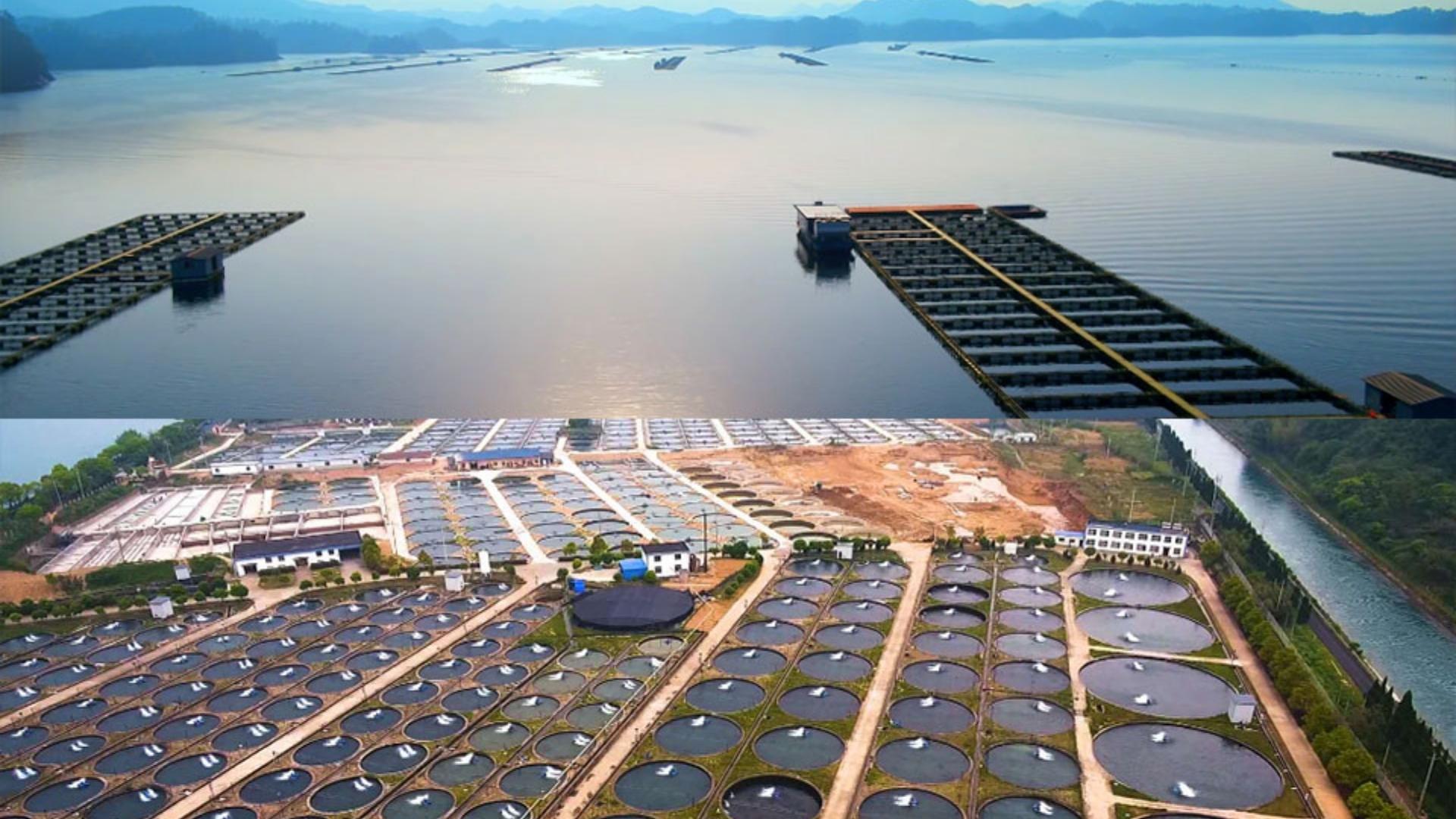
China Becomes a Powerhouse of Caviar with Mass Production, Sturgeons Farmed in Aquaculture, and Exports Supplying Dozens of Markets, While a Freshwater Industrial Chain Redefines Scale, Logistics, and Global Presence of a Food Associated with Luxury.
China has taken an unlikely position in the global luxury food market: that of the world’s largest supplier of caviar.
At the center of this shift is the brand Kaluga Queen, associated with the industrial farming of sturgeons and the high-speed processing of roe, in an aquaculture system that transformed a product historically linked to the Caspian Sea and the Volga into a modern freshwater production chain.
In 2024, Kaluga Queen produced more than 260 metric tons of caviar and exported more than 220 tons, numbers released by an official portal of the Zhejiang province that positions the company as responsible for a significant share of the world’s supply of the product.
-
The Argentine government celebrates the lowest poverty rate in 7 years, but experts warn that the methodology has changed, real wages have fallen, unemployment has risen, and the number of people on the streets of Buenos Aires has increased by 57% since Milei took office.

-
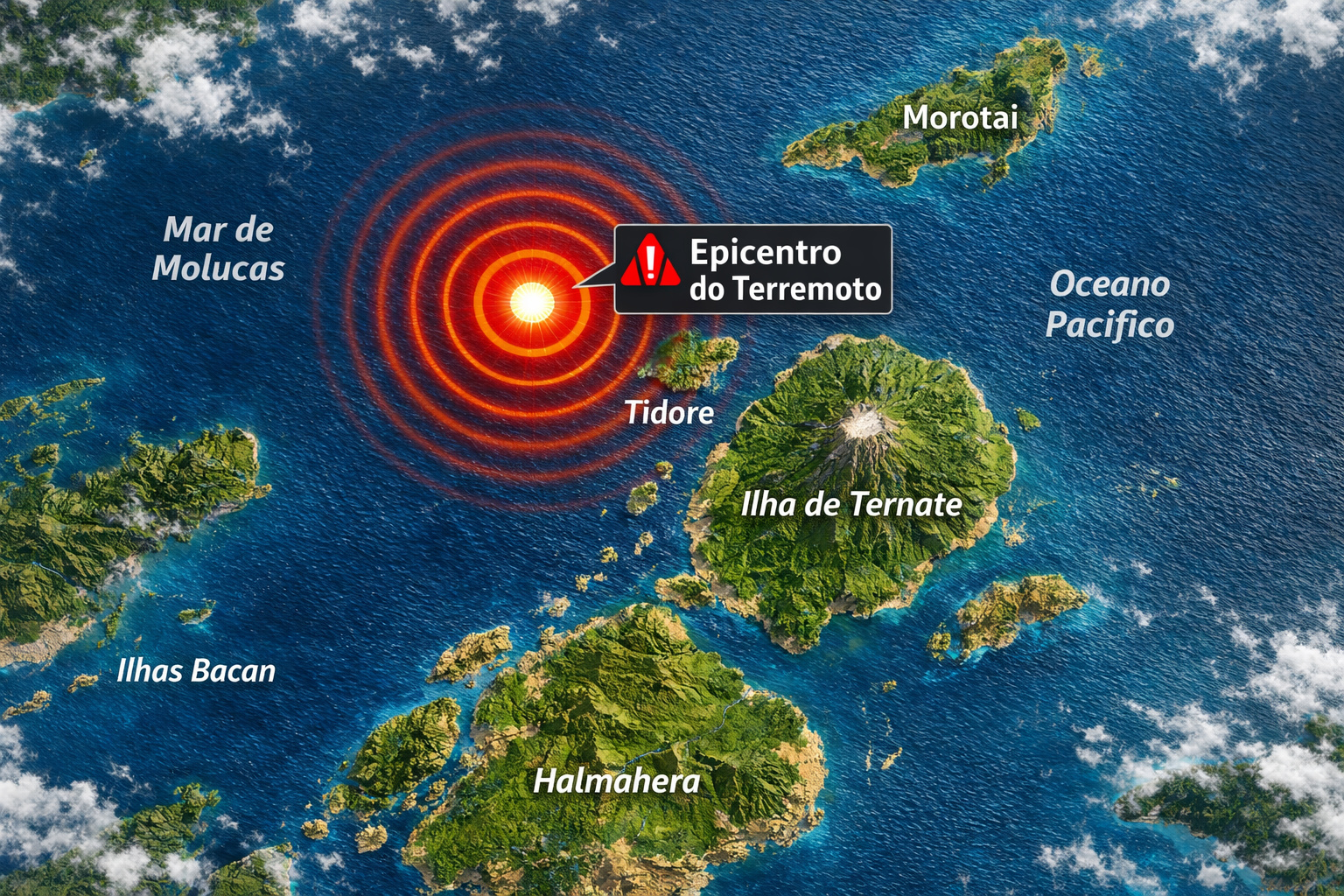
7.8 magnitude earthquake in Indonesia frightens the population, triggers tsunami alert, and hits an island with over 200,000 inhabitants this Thursday.
-
Google will finally let you change that embarrassing Gmail address you created in your teenage years without losing any accounts, logins, or old emails: the feature is already available in the United States.

-
Heading to Brazil in a Bonanza F33 single-engine aircraft: a couple departs from Florida on a visual flight, makes technical stops in the Caribbean to refuel and organize paperwork, and begins the staged crossing until they reach the country.


From Rare Food to Aquaculture: Why Caviar Has Changed
What was once synonymous with wild fishing and scarcity has, in recent decades, come to rely on farms and hatcheries.
The change is attributed, in sector records and analyses, to the tightening of environmental regulations and the decline of roe derived from wild populations, a phenomenon that has pushed the market toward captive production and opened space for new players.
FAO, through the GLOBEFISH project, describes the expansion of sturgeon farming in China and notes that the country has become the largest producer of sturgeons in the world, with accelerated growth since the 2000s.
Qiandao Lake and Zhejiang: The Freshwater Caviar Hub

The operation associated with Kaluga Queen is often located in the Qiandao Lake region, also known as Thousand Island Lake, in Zhejiang, a reservoir known for its extensive waters and for housing large-scale farming structures.
Recent international reports describe China as the largest hub of caviar production and export in the world, highlighting the predominance of Chinese producers in global supply and citing Kaluga Queen as the largest active caviar farm.
Sturgeons in Giant Tanks and Long Production Cycle
The operational logic is that of a food industry, but with long biological cycles.
Caviar depends on the reproductive maturity of female sturgeons, which can take years.
In materials detailing the company, breeding strategies and crossings are mentioned to reduce maturation time and maintain standardization of roe, as well as the cultivation of different species and hybrids.
A report about the brand indicates that the company maintains more than one million sturgeons in facilities spread across Chinese provinces, highlighting that this is not a production concentrated in a single point, but a system with national scale.
Processing of Roe and Industrial Standardization
When the fish reaches the appropriate phase, the next step is processing.
Public descriptions of the farmed caviar supply chain mention standardized routines that include roe extraction, washing, salting, and canning within a short timeframe, with the goal of preserving texture and minimizing contamination.

The presence of industrial facilities and inspection standards is also mentioned in institutional texts and reports on exports, describing the path of roe from inland units to high-value markets in Europe and Asia.
Exports and the Global Caviar Market
This structure does not operate independently of international trade.
In a 2024 report, a publication linked to China Daily noted that Kaluga Queen began exporting to dozens of countries and regions, citing the brand’s advance in external markets and participation in trade fairs and technical inspections focused on international product acceptance.
The same text describes a trajectory of consolidation starting in the mid-2000s when the caviar produced by the company began to gain presence outside China.
2024 Numbers: 260 Tons and Share of the Global Market
The scale reported for 2024, with production above 260 metric tons and exports above 220 tons, is presented in official communication from Zhejiang and repeated in local materials referring to “one-third of the world’s caviar” as a scale of magnitude reference.
These numbers also highlight that most of the produced volume is destined for export, and indicate that the company accounts for about 80% of the total exported from China, according to the same regional sources.
Luxury Caviar and Traceability in International Trade

The Chinese rise in the sector appears, in recent analyses, as part of a larger movement: the development of “premium food” chains with local support, expansion of infrastructure, and pursuit of high-value-added products.
The Financial Times, when addressing this phenomenon, described China as the main global supplier of caviar and cited producers from the country as central to international supply, noting that part of the product may reach the final consumer associated with brands and packaging from other markets.
The case of caviar attracts attention because it contrasts with the traditional idea that rare delicacies depend on specific regions and ancient methods.
Here, the chain described by public sources approaches a high-value protein industry, but with a product that continues to be treated as a luxury item.
Freshwater production, in tanks and ponds, begins to fulfill a role of supply stability, while the global market preserves consumption rituals and prices associated with exclusivity, fine dining, and events.
Nonetheless, the same transformation that allows for industrial volumes also raises questions of traceability, labeling, and transparency in international trade, topics frequently cited in discussions about premium products when production shifts from historical regions to new hubs.
Part of these discussions involves how consumers identify origin, farming methods, and branding, and how this is communicated in different countries, especially when the product circulates through distributors and markets that add value along the way.







-

-

-

-

5 pessoas reagiram a isso.