





 Portuguese
  English
  Spanish
  5 min of reading
  15 comments


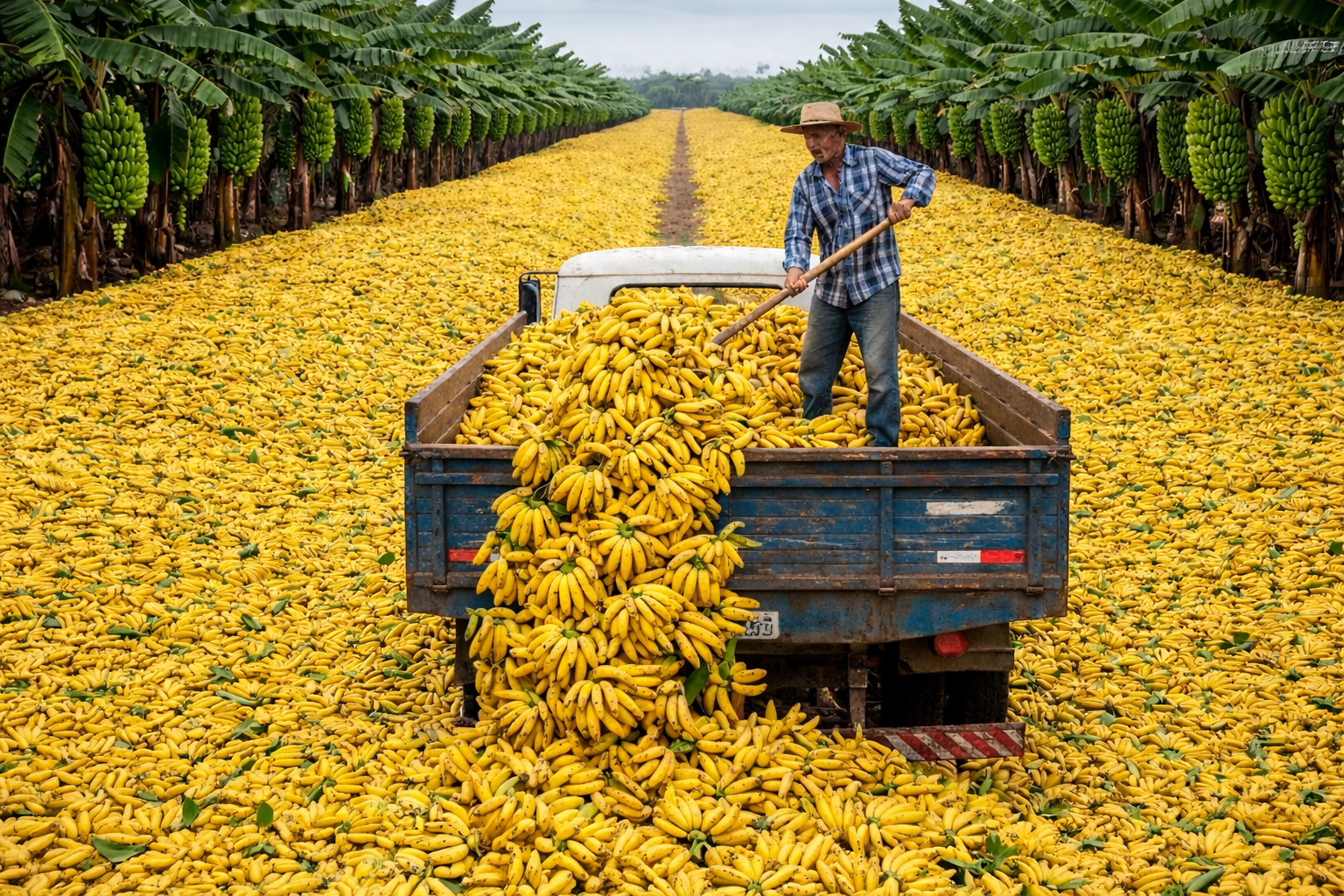


From The Domain Of Orange To Amazonian Açaí, Brazil Concentrates The Largest Fruit Farming Operations On The Planet, Uniting Industrial Scale, Digital Innovation And Sustainability In Numbers That Defy The Logic Of The Global Agribusiness
Brazil is often remembered as a powerhouse in grains, meat and traditional commodities. However, there is a segment of the national agribusiness that, although less talked about, has reached unprecedented levels of scale and sophistication in the world: fruit farming. Across Brazilian territory, the largest fruit farms on the planet are concentrated, responsible for harvesting millions of units every month and supplying markets on all five continents.
The information was disclosed by technical content and sector surveys of Brazilian agribusiness, in addition to data presented by industry-leading companies, according to analyses published in specialized reports and institutional materials from the companies themselves. From this, it becomes evident that the country is not only a large producer — it is a global reference in efficiency, technology and agricultural logistics.
The Orange That Dominates The World And Sustains A Global Chain
When it comes to oranges, Brazil has no competitors of equal stature. The country hosts the largest citrus operation in the world, structured as an integrated agricultural production, industrial processing and international distribution system. The central name of this domain is Citrosuco, responsible for about 25% of all the orange juice consumed on the planet and almost 50% of Brazilian production.
-
The sugar-energy sector advances with agricultural technology, but agricultural productivity still raises concerns.

-
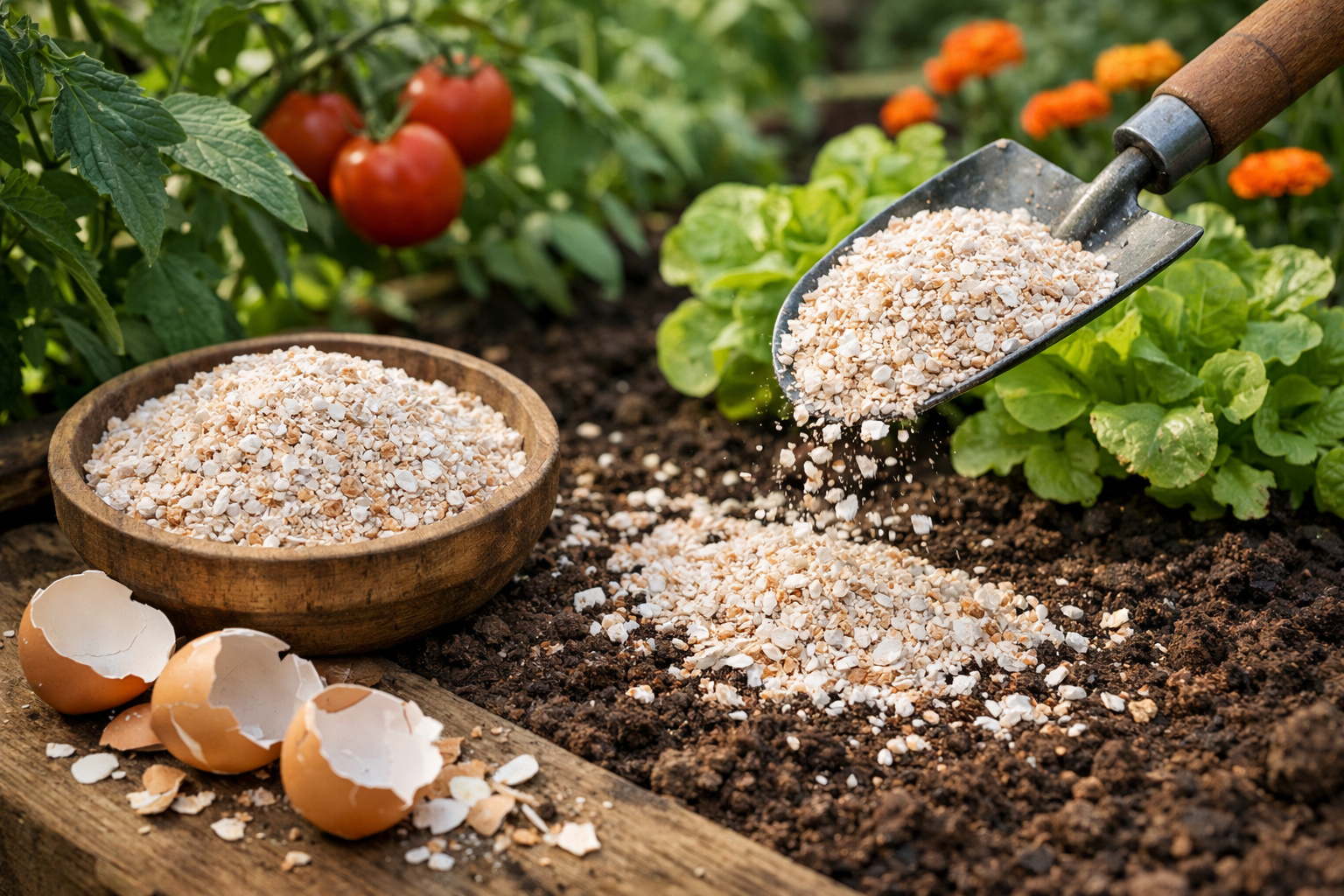
The eggshell that almost everyone throws away is made up of about 95% calcium carbonate and can help enrich the soil when crushed, slowly releasing nutrients and being reused in home gardens and vegetable patches.
-
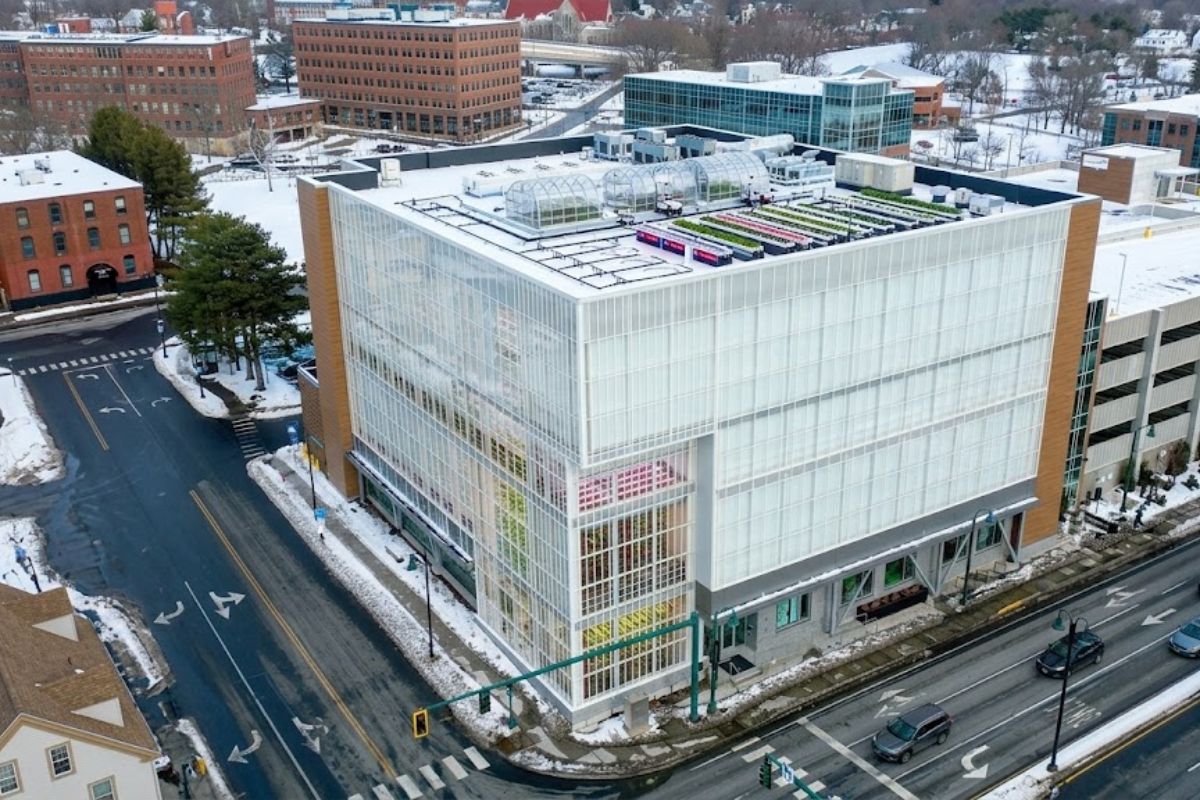
This farm in the United States does not use sunlight, does not use soil, and produces 500 times more food per square meter than traditional agriculture: the secret lies in 42,000 LEDs, hydroponics, and a system that recycles even the heat from the lamps.
-
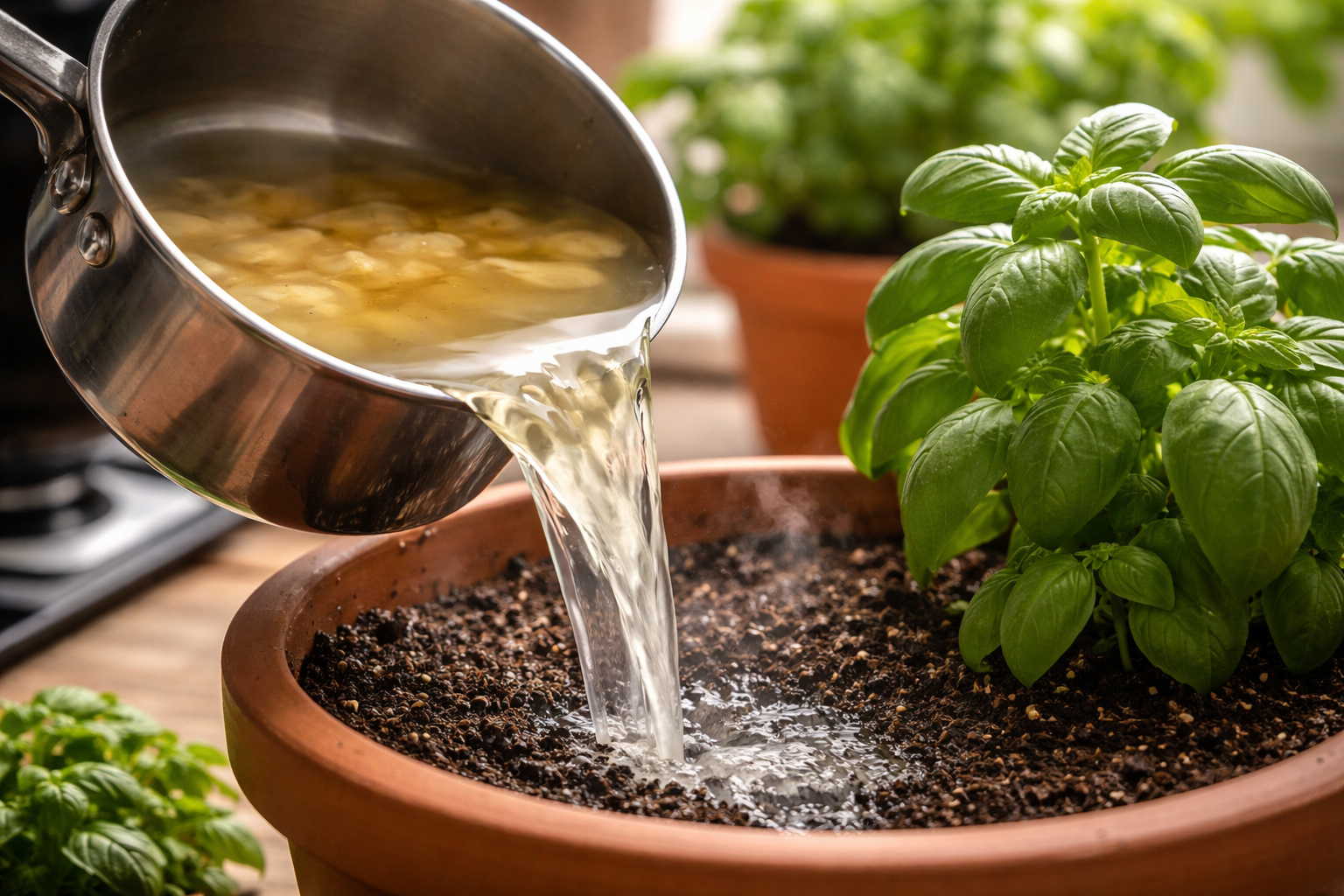
The water that almost everyone throws away after cooking potatoes carries nutrients released during the preparation and can be reused to help in the development of plants when used correctly at the base of gardens and pots, at no additional cost and without changing the routine.

Currently, the company owns 25 orange farms located mainly in the states of São Paulo and Minas Gerais. Together, these areas exceed 80 thousand hectares of orchards, a number that grows even more when counting partner producers who supply the three major industrial units of the company. This volume is only possible thanks to a highly integrated operational model that connects the field, industry and foreign market in real-time.
Moreover, the logistics are impressive. Citrosuco maintains its own port terminals in Brazil, the United States, Belgium, Japan, and Australia, in addition to operating a exclusive fleet of six ships specifically developed for transporting bulk orange juice. Within the farms, each orange tree has an individual identifier, allowing monitoring via drones, sensors, and digital systems that track pests, nutrition, and productivity plant by plant.
This level of control has transformed the company into the first fully digital citrus operation in the world, using artificial intelligence for management decisions, cost reduction, and mitigation of environmental impacts. It is agriculture on a global scale with almost surgical precision.
From The Coast To The Amazon: Coconut And Açaí In Gigantic Numbers


Moving from the orange orchards and advancing to the coast and the Amazon, another giant of Brazilian fruit farming stands out: coconut. The largest coconut farm in the world is also in Brazil and belongs to Só Coco, a company founded in the late 1970s in the municipality of Moju, in Pará, a little over 100 kilometers from Belém.
Today, Só Coco manages approximately 20 thousand hectares, of which 6 thousand hectares are occupied by coconut trees, totaling more than 15.5 million trees in production. Another 14 thousand hectares are exclusively dedicated to environmental preservation, making the project one of the largest examples of balance between large-scale production and environmental conservation in the country.
During peak periods, the harvest exceeds 1 million coconuts per day. This performance is the result of using hybrid varieties, a cross between giant and dwarf coconut trees. While a traditional coconut tree produces between 40 and 120 fruits per year, Só Coco’s hybrids can yield up to 220 fruits annually per plant, in addition to entering production earlier and serving both the coconut water and dry coconut markets.
This model has spread across the country. Currently, about 70% of the area cultivated with coconut in Brazil uses hybrid varieties similar to those adopted by the company, consolidating a new national production standard.
Subsequently, açaí represents another chapter of this leadership. Traditionally consumed by indigenous peoples, the Amazonian fruit has become a global product present in Europe, North America, and Asia. Companies like Açaí Amazonas operate with irrigated plantations in previously degraded areas, recovering unproductive soils and transforming them into efficient and exporting agricultural systems.
However, the most ambitious project in the sector is led by Shutz Agroambiental, which is implementing what promises to be the largest açaí farm in the world in the state of Amapá. The venture occupies thousands of hectares in a region with annual rainfall rates exceeding 4,000 mm, allowing cultivation without artificial irrigation.
Currently, there are already more than 2 million açaí palms planted in approximately 2,730 hectares, consolidating a model of sustainable, low-impact, and highly competitive production in the international market.
Jabuticaba: Tradition, Tourism And The Largest Plantation On The Planet
Among the symbolic fruits of Brazil, jabuticaba also occupies a prominent position. The largest jabuticaba plantation in the world is located in Goiás, a few kilometers from Goiânia, at the Fazenda Jabuticabal. The story began in 1947, when Antônio Batista da Silva, then a bricklayer and street vendor, planted the first seedlings upon noticing the urban growth of the capital city.
Decades later, what started as a family initiative transformed into an agricultural giant. Today, the farm houses more than 42 thousand jabuticaba trees, distributed over 130 hectares, many of them direct descendants of the trees planted in the 1940s. During the harvest, between September and October, the location becomes a hub of rural tourism, receiving visitors who harvest and consume the fruit directly from the tree.
With the increase in production, the family began to industrialize the surplus. Currently, jams, sweets, ice creams, cachaças, cappuccinos, and even barbecue sauces are produced, all derived from jabuticaba, adding value and expanding the economic chain of the fruit.
A Country That Leads Global Fruit Farming
Summing up orange, coconut, açaí, and jabuticaba, Brazil demonstrates that it is not just a large agricultural producer, but the largest fruit farming laboratory on a global scale. The combination of giant areas, digital technology, international logistics, and sustainable models places the country at the center of world fruit production.
More than impressive numbers, these farms reveal an agribusiness capable of uniting tradition, innovation, and environmental responsibility. In light of this scenario, the question arises: has Brazil already realized the strategic power it holds in dominating the largest fruit production on the planet?









Do que adianta o país produzir tanta fruta se boa parte da população não consegue comprar esses alimentos , mais conseguem comprar arroz e o feijão , muitas crianças não consomem frutas no Brasil vidoao alto preço , essa matéria só serve pra expor a realidade cruel do nosso país , isso é uma vergonha mundial
Por que “cocô ? Vamos corrigir isso.
CUTRALE MENOR QUE CITROSUCO?
ESSA É NOVA…..