





 Portuguese
  English
  Spanish
  5 min of reading
  6 comments


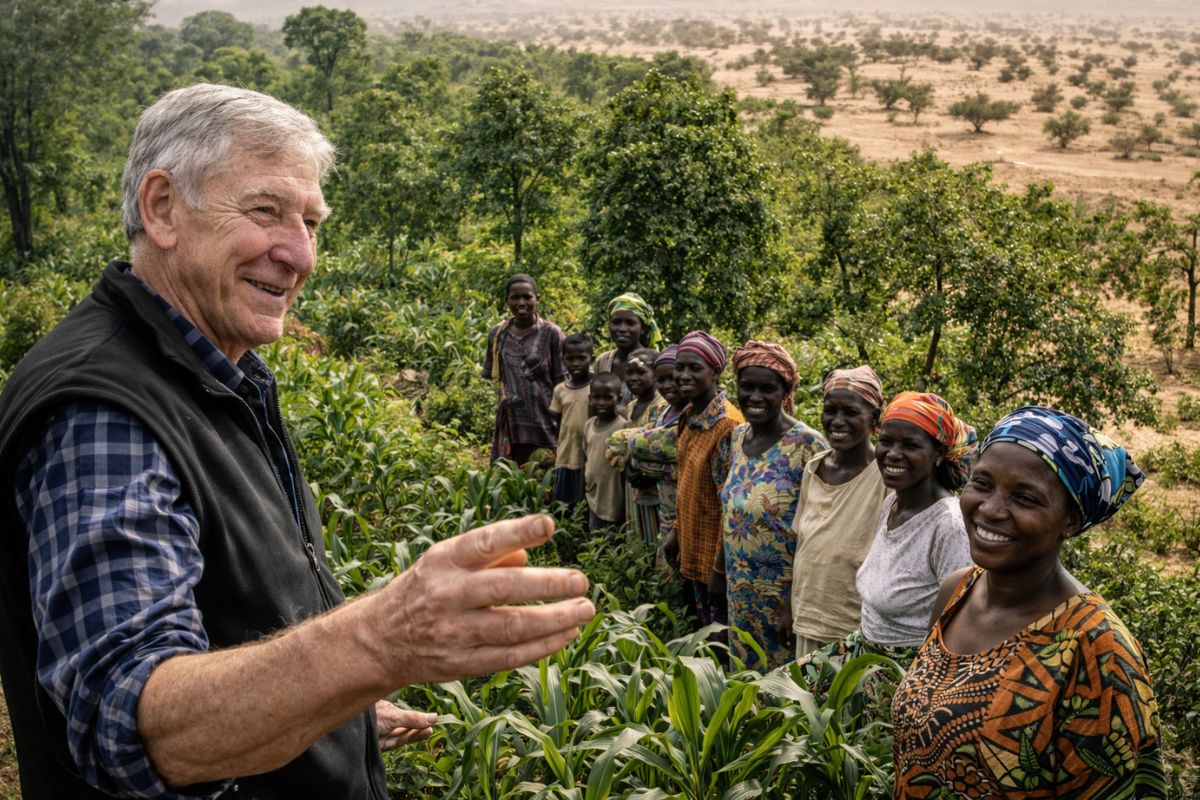


In 1981, in Nigeria, Australian scientist Tony Ronaldo and Liz taught farmers to replace the axe with the regeneration of trees that were already alive in the soil, under Sahara winds, creating protected crops, more grains, and the so-called green gold, today replicated in 40 countries, with visible social impact.
Farmers look at a dry field and, by instinct, clear what is left: they cut down trees, burn regrowth, open the land to plant, and hope that the harvest responds. In West Africa, this logic became a risk, as each cut exposed the soil to Sahara winds.
The idea, led by Tony Ronaldo and Liz since 1981, was to treat regeneration as a social technology: select living coppice shoots, protect useful trees, and maintain the crops among them. Over time, the method was associated with more grains, “green gold,” and an expansion cited as present in about 40 countries.
The Field That Seemed Lost and The Decision That Changed Everything

Inside countries of West Africa, the landscape described by those who arrived first was one of tired soil, failing crops, and families watching their food disappear.
-
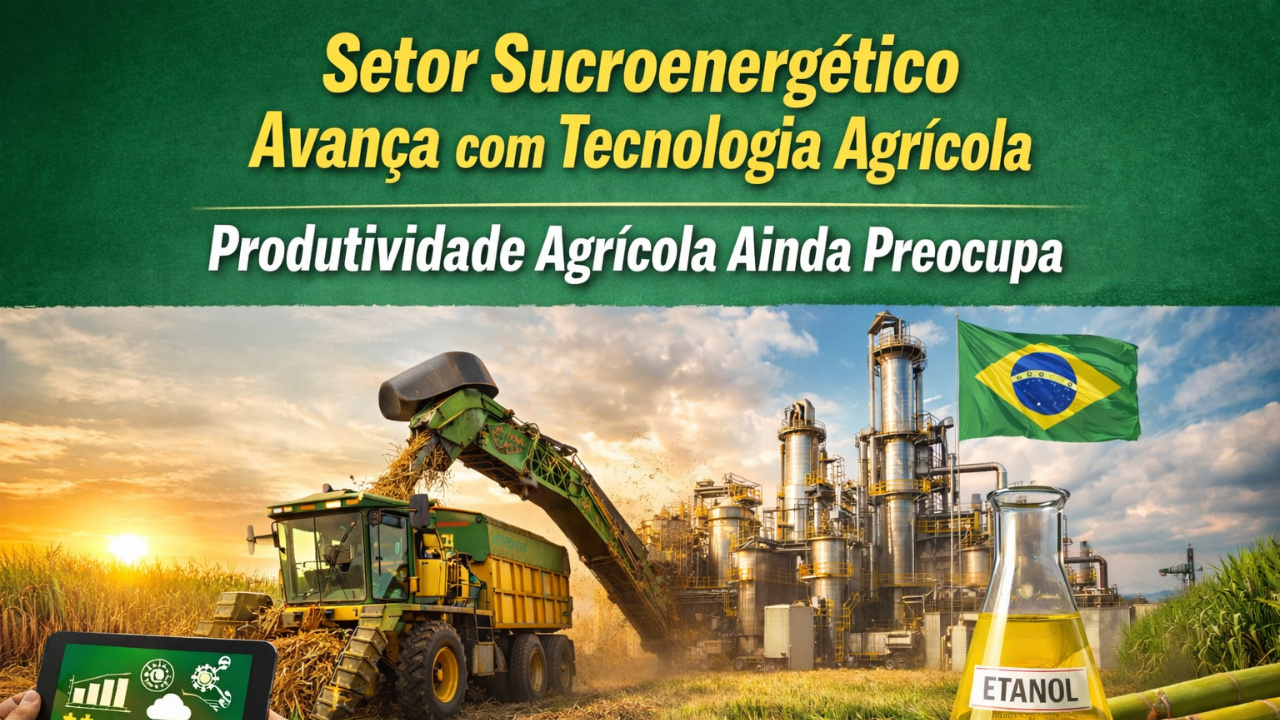
The sugar-energy sector advances with agricultural technology, but agricultural productivity still raises concerns.
-
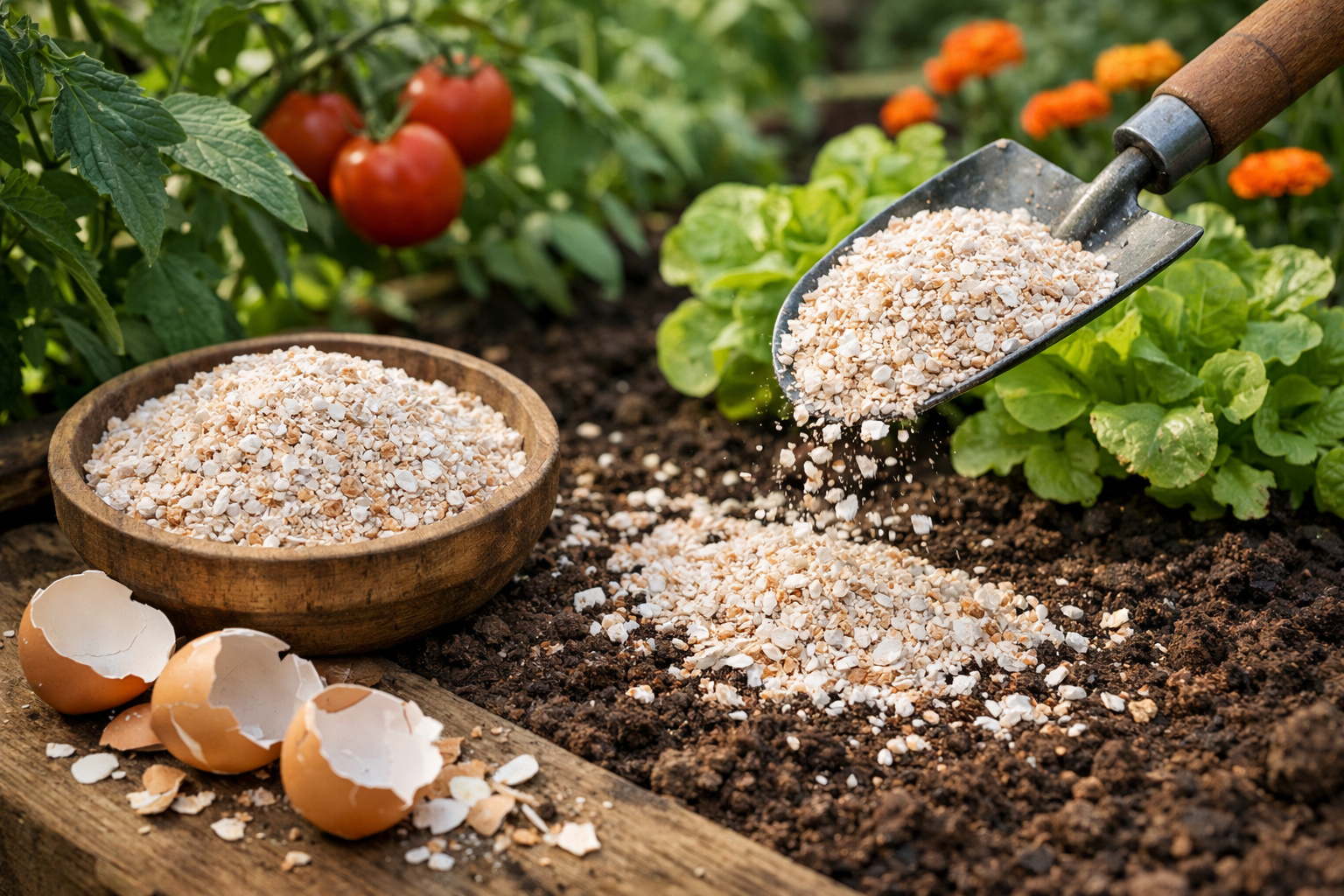
The eggshell that almost everyone throws away is made up of about 95% calcium carbonate and can help enrich the soil when crushed, slowly releasing nutrients and being reused in home gardens and vegetable patches.
-
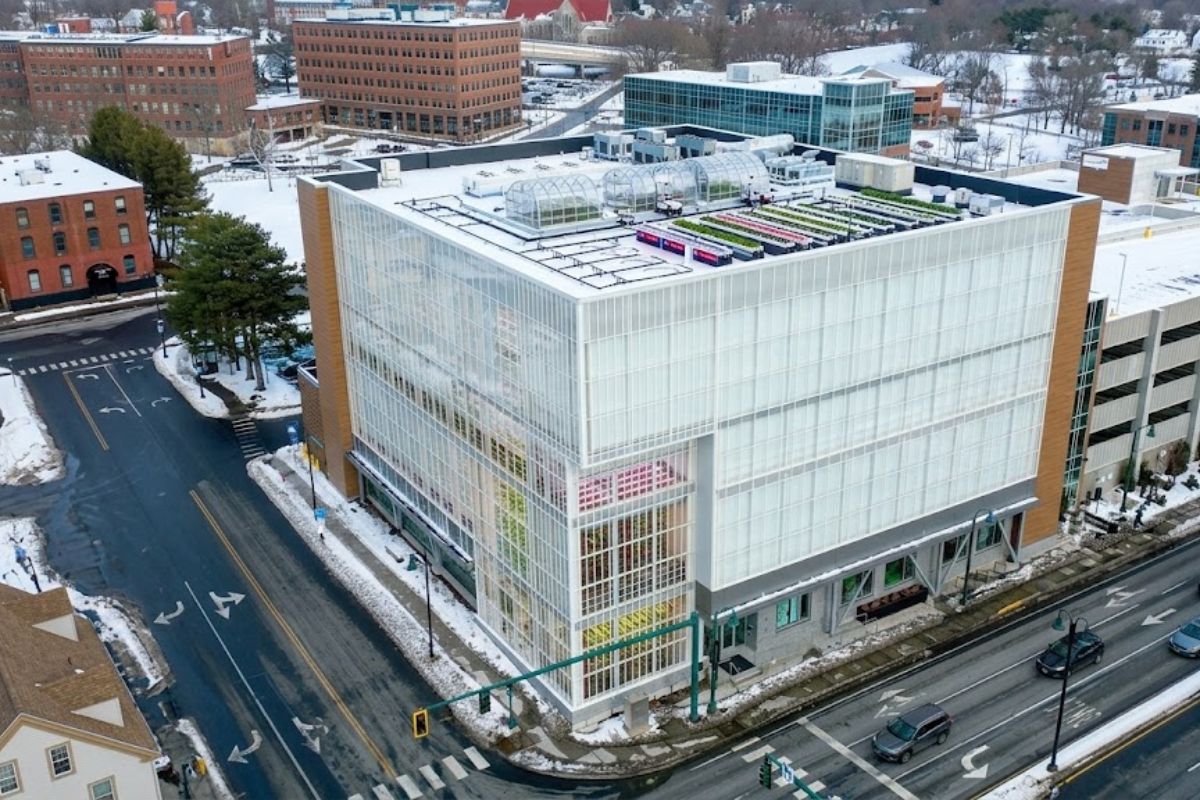
This farm in the United States does not use sunlight, does not use soil, and produces 500 times more food per square meter than traditional agriculture: the secret lies in 42,000 LEDs, hydroponics, and a system that recycles even the heat from the lamps.
-
The water that almost everyone throws away after cooking potatoes carries nutrients released during the preparation and can be reused to help in the development of plants when used correctly at the base of gardens and pots, at no additional cost and without changing the routine.

Farmers cut down trees and eliminated regrowth, trying to make space, but the result was the opposite of what they expected: more wind, more heat, and less fertility.
It was in this scenario that, in 1981, in Nigeria, Tony Ronaldo and Liz began to insist on an idea that sounded offensive to many: stop treating the living stump as an enemy.
The proposal was simple to explain and difficult to accept because it required trust in a slow regeneration process, rather than a quick and visible solution.
Regeneration in Practice: Starting with What Is Already on the Ground

The turnaround came when regeneration stopped being discourse and became routine.
Instead of planting new trees that died, farmers began to observe the so-called underground forest, the stumps and seed stores already present.
The technique was to work with what was alive, choosing what would be kept and what would be pruned.
In a field demonstration, cutting and pruning a regrowth took just a few minutes and changed the status of that “weed” to a growing tree.
The logic included leaving around five shoots per stump, creating a structure more resistant to wind and trampling, without losing the central objective of keeping crops between the trees.
Trees as Infrastructure: Shade, Barrier, and Production Along the Crop

When trees return, it is not just landscape. They act as a buffer against high temperatures, strong winds, and low fertility, conditions cited as typical of regions near the Sahara.
Trees are agricultural infrastructure, because they reduce extremes and protect the production that occurs among them.
At the same time, regeneration responds to a concrete daily need: firewood. In communities where cooking depends on wood, prohibiting cutting without offering an alternative becomes punishment.
The method sought to balance use and protection, keeping trees as a “joint account” and “insurance policy,” a reserve that remains standing when the crops fail.
Green Gold and Grains: When the Profit Appears on the Plate and in Time
The term green gold appears as a synthesis of what changed: trees became a value, not an obstacle. For farmers, the gain was not just environmental; it was material, with more stability and more food.
The story attributes to the method a result of over 500,000 tons of grains per year, a volume described as sufficient to feed 2.5 million people.
This type of number always requires caution, as it depends on context, climate, and real adoption by the community, but it helps explain why regeneration gained traction.
Green gold is not romanticism, it is the language of those who measure impact by what comes into the house, what is left to sell, and what no longer needs to be sought far away.
From “Crazy White Farmer” to Leader: The Social Weight of Change
The nickname said aloud, “crazy white farmer,” shows the initial friction: the idea contradicted the instinct to clear the land and produced distrust.
Over time, as the trees grew and the crops among them began to yield, the same character was described as “leader of the farmers,” a recognition that does not come from advertising, but from perceived results.
The most repeated social effect is less dramatic and more daily: relieving the burden on women and children. When firewood and water are closer, and the harvest is less unstable, time changes hands.
Regeneration alters the family schedule, not just the layout of the field.
Why It Spread and What Is Still at Stake
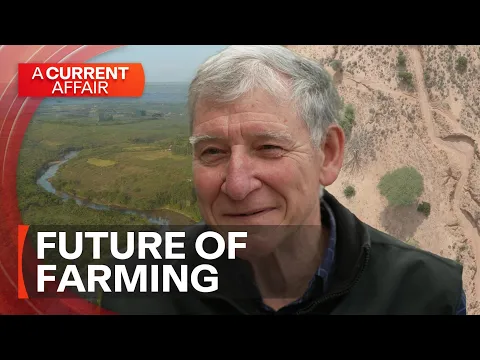

The method has been described as having spread to about 40 countries, starting in Nigeria and advancing to places cited such as Mali and Ethiopia, with returns to regions like Kenya and Uganda expected on new trips.
In public statements, Grant Balden, CEO of World Vision, treated regeneration as one of the strongest responses available today to face climate change, without calling it a miracle solution.
International recognition, such as the Luxembourg Peace Prize for Environmental Peace, provides visibility but does not replace the most challenging part, which is governance on the ground.
Trees only become green gold when they become a social rule, when the community decides what can, what cannot, and how to share the benefit, without letting the cost always fall on the same people.
The case shows that regeneration is not just reforestation; it is a production strategy in a hostile environment, designed for farmers who cannot wait years for a miracle from the lab.
Trees become a survival tool when they protect the crops, hold the soil, provide firewood, and make the risk less cruel.
If you have lived through drought, strong winds, or a broken harvest, what seems more realistic to you: betting on planting from scratch or insisting on the underground forest and calling it green gold? What kind of community rule would make farmers join without fear of losing income in the short term?









I interviewed him in Zambia, on regenerative agriculture..Fantastic and smart man
Well done,needs dedication and patience.
At Mana Pools in Zimbabwe i saw a wonderful concept; a small area of land (maybe 20 mx 20 m) securely fenced off with a solar panel to electrify a few wires. It guarded a tiny reservoir of indigenous plants, self-seeded, which over time grew into trees. It also provided shelter and sustenance to various birds and insects, while being locked away from mammals such as elephant and buffalo. The mature trees were able to produce seeds to repopulate the surrounding area.
And in the Eastern Cape area of South Africa, I saw plantations of an exotic tree which produced long thin stems in abundance. The plantations were placed there (by the Apartheid government) to provide long thin poles for hut-building and waste growth for firewood. As the stems are cut they regrow.