





 Portuguese
  English
  Spanish
 5 min of reading
  0 comments


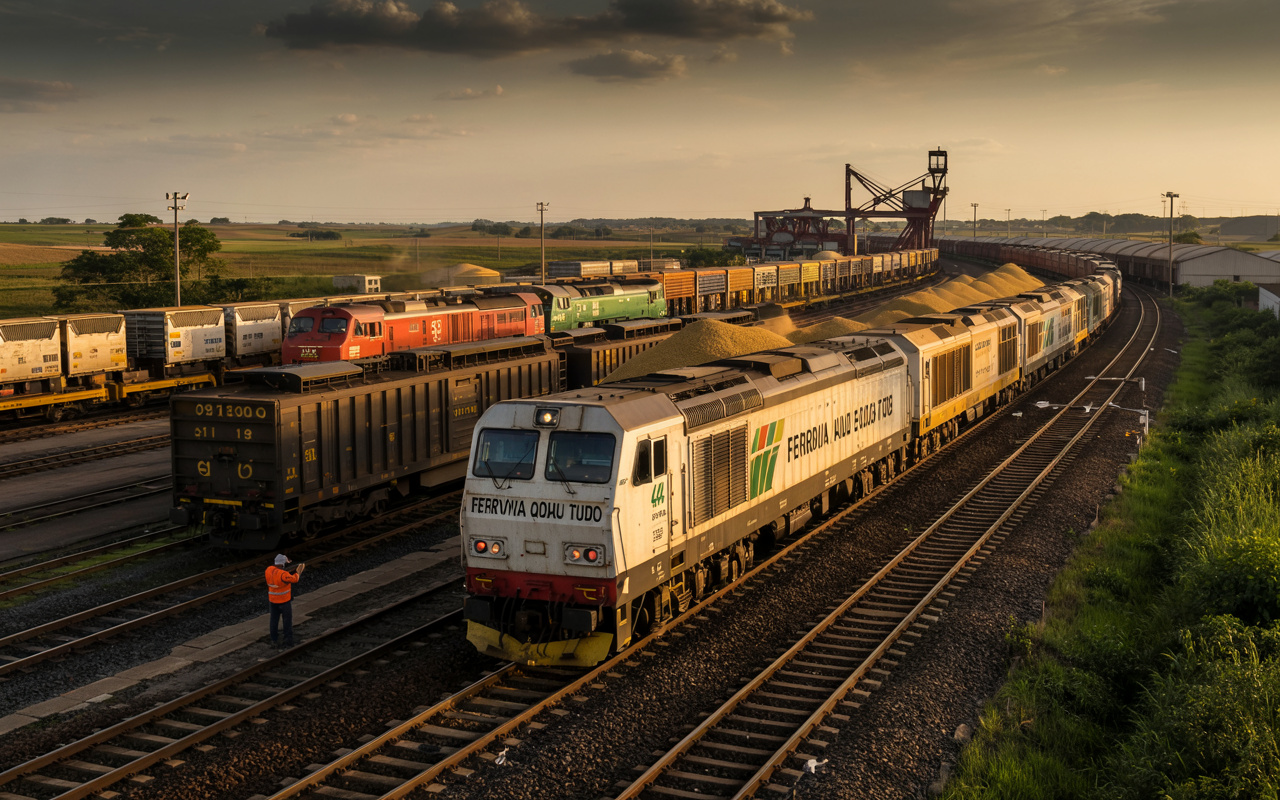
Understand How Rio Verde – Goiás Became a National Reference in Grain Export by Leveraging the Norte-Sul Railway to Boost Agriculture in the Midwest. See Why This City Is Among the Fastest Growing in Brazil and Transformed Its Agricultural Logistics
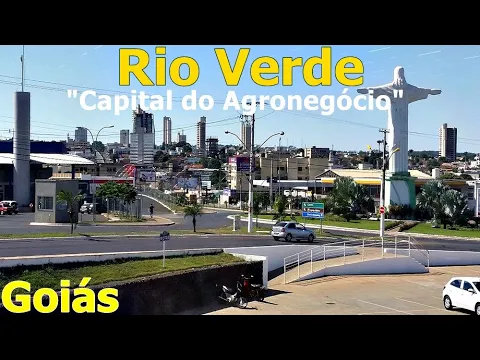
Rio Verde, located in the interior of Goiás, is an emblematic example of economic and social transformation. Until recently, this city was little mentioned outside the regional scope. However, with strategic investments in logistical infrastructure, mainly with the arrival of the Norte-Sul railway, Rio Verde Goiás became one of the main hubs of agribusiness in Brazil. Today, it is among the fastest growing cities in Brazil and is a national reference in grain export, especially standing out in the production and commercialization of soybeans, corn, and other agricultural commodities.
According to data from the Brazilian Institute of Geography and Statistics (IBGE), Rio Verde has experienced significant population and economic growth in the last decade, a direct result of the expansion of agribusiness and the improvement of transportation infrastructure. The city, which is part of the Southwest Goiano region, is now an agricultural powerhouse that significantly impacts the international market.
The Norte-Sul Railway and Its Decisive Role in Grain Export
The Norte-Sul railway, one of the largest infrastructure projects in the country, was designed to connect the Midwest region to the main ports in the North, facilitating the export of commodities. This railway spans over 1,500 kilometers and crosses strategic states for the Midwest agribusiness, such as Goiás, Tocantins, and Maranhão.
-
The sugar-energy sector advances with agricultural technology, but agricultural productivity still raises concerns.
-
The eggshell that almost everyone throws away is made up of about 95% calcium carbonate and can help enrich the soil when crushed, slowly releasing nutrients and being reused in home gardens and vegetable patches.

-
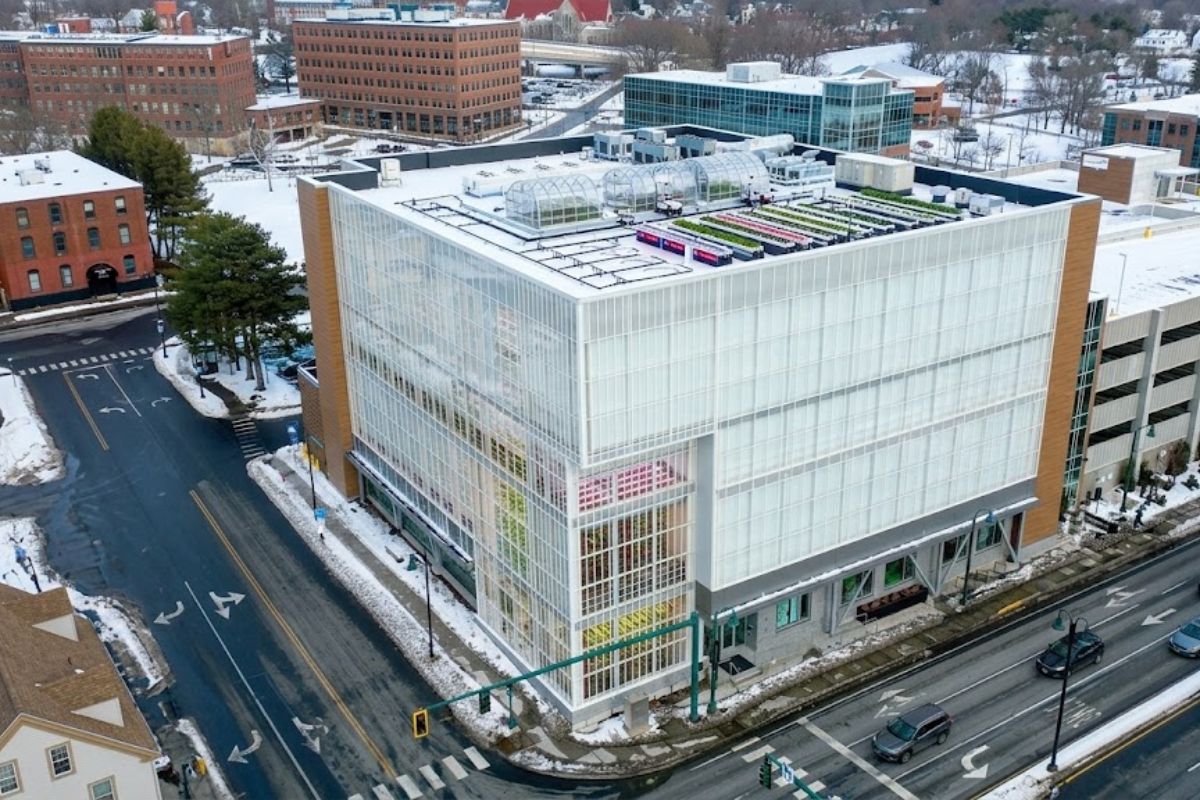
This farm in the United States does not use sunlight, does not use soil, and produces 500 times more food per square meter than traditional agriculture: the secret lies in 42,000 LEDs, hydroponics, and a system that recycles even the heat from the lamps.
-
The water that almost everyone throws away after cooking potatoes carries nutrients released during the preparation and can be reused to help in the development of plants when used correctly at the base of gardens and pots, at no additional cost and without changing the routine.


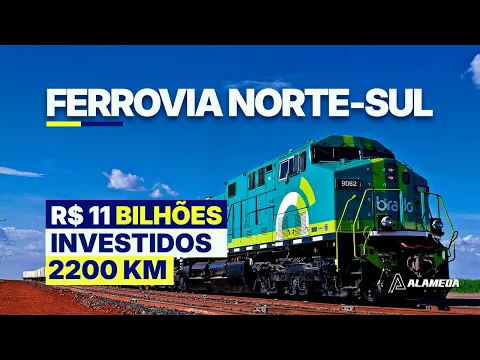

For Rio Verde Goiás, the railway represented a turning point. Previously, exports relied exclusively on road transport, which is more expensive and less efficient, especially over long distances.
With the Norte-Sul railway in operation, grain producers gained a cheaper, safer, and faster logistical option to ship their production, reducing costs and increasing the competitiveness of Brazilian products in the external market.
In addition to the economic impact, the Norte-Sul railway contributes to sustainability, as rail transport emits fewer pollutants per ton transported compared to road transport. This makes the agribusiness supply chain more aligned with international sustainability standards, which is increasingly valued by global buyers.
Rio Verde Goiás: National Highlight in Grain Export and Local Development
Currently, Rio Verde is one of the fastest growing cities in Brazil in economic terms, driven mainly by the strength of Midwest agribusiness. According to the National Supply Company (Conab), the municipality stands out as one of the largest producers and exporters of soybeans in the country, with annual volumes exceeding millions of tons.
But production does not stop at soybeans. Rio Verde has also significantly increased its production of corn, beans, and sorghum, diversifying its agricultural portfolio.
Investment in agricultural technologies, such as precision farming, efficient irrigation, and genetic improvement of seeds, has elevated productivity per hectare, consolidating the city as a model of efficiency and innovation in the field.
This growth is reflected in the local economy, where agriculture is the main income and employment generating activity. The Gross Domestic Product (GDP) of Rio Verde has been growing at rates higher than the national average, and the city attracts private investments in related sectors, such as agro-industries, storage, logistics, and commerce.
Impacts of the Norte-Sul Railway on the Midwest Agribusiness and in Rio Verde Goiás
The Midwest agribusiness, the backbone of the Brazilian economy, heavily depends on the ability to move agricultural production. In this context, the Norte-Sul railway is vital to meet the growing demand and ensure a continuous flow of grains for export.
For Rio Verde Goiás, the railway was the catalyst for productive and logistical leaps. The easy access to the railway reduced transportation costs by up to 40%, according to studies. This factor made agricultural products more competitive in the international market, expanding exports and generating greater profitability for producers.
Additionally, the railway helped alleviate the region’s highways, decreasing road wear, reducing accidents, and promoting greater safety in transport. The multimodal integration between railways, highways, and ports is also a trend that promises to continue growing, creating a more efficient and sustainable logistics environment for Midwest agribusiness.
Cities That Grew the Most in Brazil: Rio Verde Goiás as an Example of Development
Rio Verde Goiás is among the cities that have grown the most in Brazil, according to recent rankings compiled by economic research institutes and government agencies. The municipality stands out for combining population growth, economic expansion, and urban infrastructure improvement.
This accelerated development results from the synergy between public and private investments, especially in the logistics and agribusiness sector. The Norte-Sul railway is the main example of public investment that has generated a positive growth chain, directly impacting the lives of the local population.
Municipal projects geared towards professional training, basic sanitation, health, and education have kept pace with economic growth, ensuring that the city evolves sustainably and inclusively. Rio Verde is thus a model for other regions in the Brazilian interior that seek to transform through agribusiness and logistics.
Perspectives for the Future: The Norte-Sul Railway and the Midwest Agribusiness
The Midwest agribusiness has promising prospects for the coming years, driven by the growing global demand for food and the ongoing modernization of agricultural practices. The Norte-Sul railway will be a key piece in this scenario, with plans for expansion and improvement that will further increase its capacity and efficiency.
The federal government has announced investments to expand the railway sections, enhance railway terminals, and integrate new transport modalities. These advances promise to consolidate the Midwest’s position as the largest agricultural hub in Brazil and the world, with Rio Verde Goiás at the forefront of this development.
Environmental sustainability and the use of green technologies should also be priorities, aligning economic growth with the preservation of natural resources. This integration is essential to maintain Brazil’s international competitiveness in agribusiness.
What the Growth of Rio Verde Goiás Means for Brazil
The example of Rio Verde Goiás demonstrates that the combination of a strong agribusiness and adequate logistical infrastructure can transform interior cities into protagonists of the national economy. The sustainable growth of grain exports, combined with the Norte-Sul railway, reinforces the importance of investments in infrastructure for regional development.
For Brazil, this model indicates a path to reduce inequalities, promote economic development in a decentralized manner, and strengthen the country’s position in the global food market. Rio Verde symbolizes the strength of the Brazilian interior, showing that with planning and investment, it is possible to emerge from anonymity and secure a prominent place on the world stage.










-

2 pessoas reagiram a isso.