





 Portuguese
  English
  Spanish
  5 min of reading
  20 comments





Discover Why the Pantanal Train Made History as One of the Most Desired Railway Rides in South America, Crossing the Largest Flooded Plain in the World and Helping to Reposition Train Travel in Regional Tourism.
The Pantanal Train was once synonymous with an unforgettable ride across the largest flooded plain in the world. A journey that was not just transportation — it was history passing by the window. There are trips we take to arrive. And there are journeys we take to experience the way.
The Pantanal Train fell into the second category: it transformed tracks into itineraries, the route into an attraction, and the time “slow” into part of the package.
It was not just transportation between cities. It was a way to see nature at its own pace, crossing a region that needs no filter: it is already cinematic.
-
The Argentine government celebrates the lowest poverty rate in 7 years, but experts warn that the methodology has changed, real wages have fallen, unemployment has risen, and the number of people on the streets of Buenos Aires has increased by 57% since Milei took office.

-
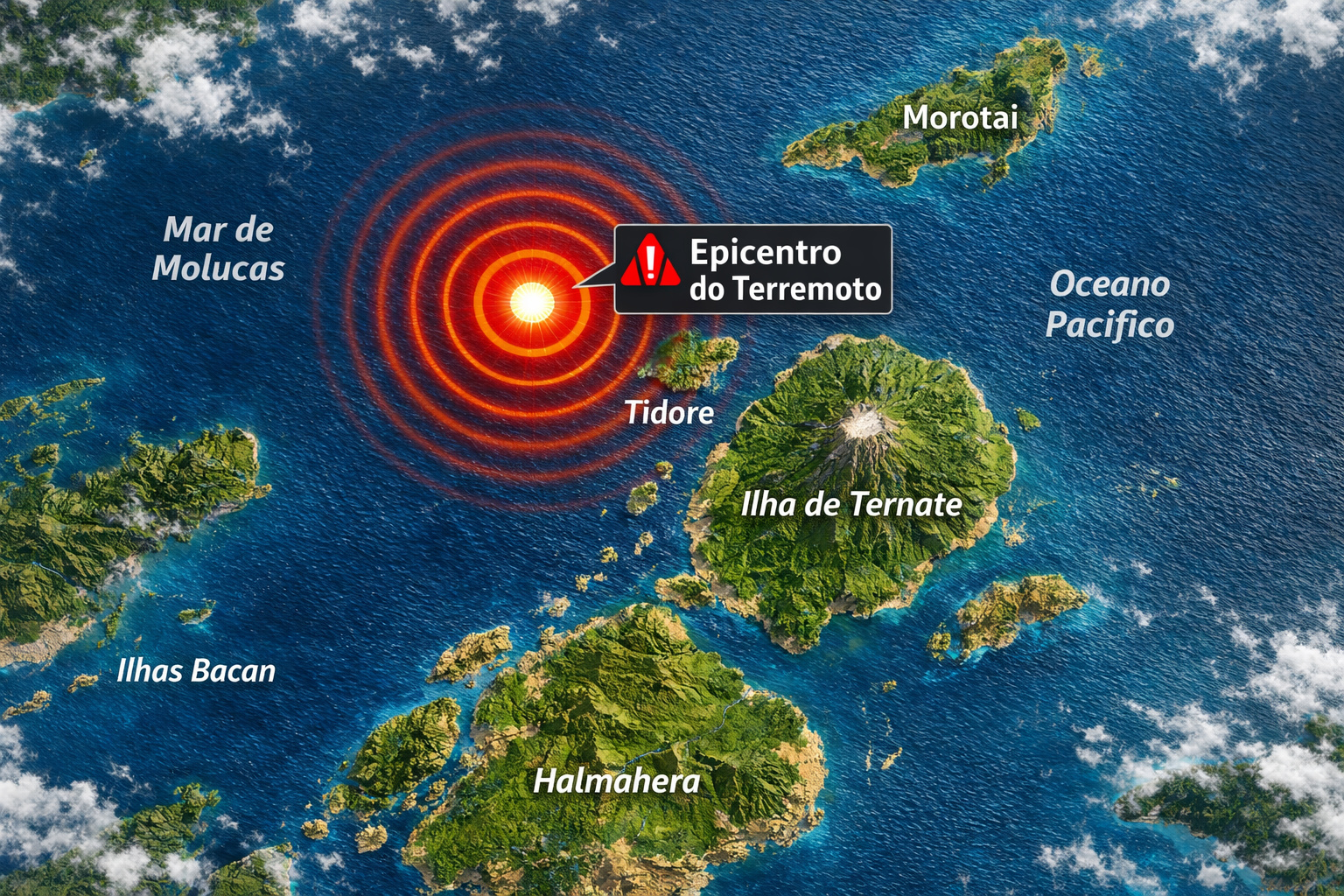
7.8 magnitude earthquake in Indonesia frightens the population, triggers tsunami alert, and hits an island with over 200,000 inhabitants this Thursday.
-
Google will finally let you change that embarrassing Gmail address you created in your teenage years without losing any accounts, logins, or old emails: the feature is already available in the United States.

-
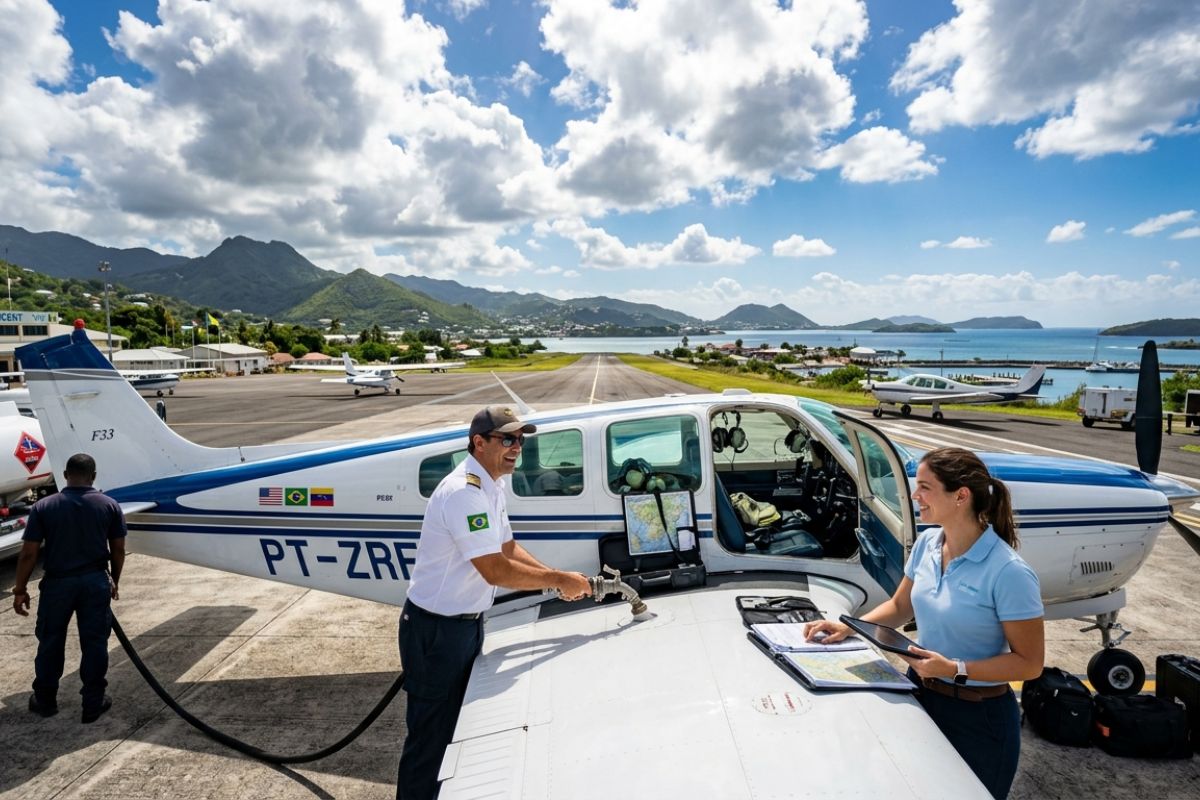
Heading to Brazil in a Bonanza F33 single-engine aircraft: a couple departs from Florida on a visual flight, makes technical stops in the Caribbean to refuel and organize paperwork, and begins the staged crossing until they reach the country.
And there’s more: the Pantanal Train also became a cultural symbol, accompanied by an anthem recognized by everyone in Mato Grosso do Sul. It’s no wonder that, for years, it has been remembered as one of the most emblematic and charming railway rides in South America.
The Train that Crossed the Largest Flooded Plain in the World


During its operation as a tourist attraction, the Pantanal Train stood out for crossing the largest flooded plain in the world. And this is not an exaggeration: the National Institute for Pantanal Research (INPP) describes the biome as “the largest floodable plain in the world”, in addition to noting that it holds UNESCO titles as a Natural Heritage of Humanity and a Biosphere Reserve.
In practice, this meant seeing the Pantanal in “real time” through the window: flooded areas, open fields, rivers, and typical wildlife appearing unexpectedly. In some stretches, it was possible to spot birds like herons and jabirus, along with capybaras and caimans — and this type of encounter changes with the seasons, as the Pantanal flows with the rhythm of the water cycle (flooding, receding, dry).
Why the Experience Went Beyond Transportation
The ride was never conceived as a simple connection between points. The great insight was precisely the slowness of the train, which became an advantage: it allowed time to talk, observe, listen to stories, understand the Pantanal way of life, and, mainly, feel that the landscape is not a “setting” — it is the protagonist.
This immersive character aligns with the logic of conscious tourism: when visitors learn about the biome, they tend to respect the place more. The INPP emphasizes the global relevance of the Pantanal and its international recognitions, helping to explain why low-impact experiences (like observing without intruding) have gained traction in discussions of sustainable tourism there.
The Relaunch of the Campo Grande–Miranda Tourist Route
The current tourist route was relaunched in 2009, aiming to deliver an experience more aligned with today’s traveler: safe, organized, and focused on the ride itself. The route departs from Camo Grande, goes to Aquidauana, and ends in Miranda, covering about 220 km.
Over time, especially in the final phase where the project sought to update itself, changes were incorporated to meet new demands in the sector: proposals emerged like panoramic cars and themed itineraries — including gastronomic ideas and birdwatching activities — to transform each departure into an “event,” not just a ride.
Even with adaptations, operations were later interrupted, as happened with many tourist railway projects in Brazil.
How the Route Was: Duration, Stops, and What Could Be Seen
The journey began in Campo Grande, with that nostalgic atmosphere typical of a station. The first significant stop was usually Aquidauana, often treated as the “gateway to the Pantanal,” with a pause for regional lunch and time to explore. Then, the train continues to Miranda, where the scenery becomes increasingly Pantanal-like.
In terms of time, the trip usually lasted around 7 hours, but there are operations and reports suggesting it was closer to 8 hours, as the train was slow and the lunch stop was included in the total time.
And an important detail to adjust expectations: some observe that the “more Pantanal-like” scenery appears stronger after Aquidauana, meaning the stretch between Aquidauana and Miranda tends to be the most interesting for those looking for wildlife, floodable fields, and that postcard view.
Tickets, Costs, and Categories:
Prices could vary depending on the stretch, time of year, and demand. In many promotions and by operators, the range cited for the public was between R$ 150 and R$ 300 per person, with discounts for children and seniors, as well as differences between categories.
In general, there were two main categories: economy and tourist. The economy offered basic comfort. The tourist category usually provided more amenities, such as better seats and air conditioning, keeping the focus of the ride on the view — because, in the end, it’s the window that matters.
In logistics, the recommendation was simple and practical: if you are coming from outside, it’s advisable to arrive in Campo Grande a day early to avoid missing the boarding. And, during holidays and vacations, booking in advance is almost mandatory.
And it is worth reinforcing: the ride does not replace more direct experiences of the Pantanal, such as boat trips or jeep safaris. It delivers something else: context, open landscape, the feeling of crossing an entire biome without disrupting the rhythm of the place.
Train Travels in South America: When the Journey Becomes an Attraction
While the Pantanal Train faced challenges, train journeys in South America continued to show that rail can indeed be a tourist product — even in a continent historically more associated with freight railroads.
A classic example is the Tren a las Nubes, officially promoted by the Argentine government as a cultural and scenic experience, departing from San Antonio de los Cobres to the viaduct along a tourist route that has become a hallmark of the north of the country. The official website describes it as “a unique cultural and scenic experience in the world.”
This comparison helps to understand what the Pantanal Train represented for regional tourism: it reinforced the idea that the train doesn’t have to be just infrastructure. It can be narrative, memory, and learning.
A Legacy That Still Sparks Conversations About Railway Tourism
Even without operation today, the Pantanal Train left a solid legacy: it showed that the train can unite landscape, culture, and lower impact, and that there is an audience for tourism in which “traveling slowly” is not a flaw — it is a proposal.
For those who experienced it, there remains that distinctly Pantanal memory: the feeling that the destination matters, but what changes us is what happens along the way.
Have you taken the Pantanal Train ride, or would you like to have experienced this train journey that crossed the largest flooded plain in the world? Leave your comment sharing your experience or share this content with others who are also interested in the history of railway tourism in Brazil.










Poderia voltar este passeio turístico
Viagem nos anos 65 e 70 de sao paulo estação da luz e baldeação em Bauru direto até corumba muito bom com vagões leitos e restaurante uma delícia poderia voltar para turismo como na Europa tem espero que o governo veja e faza voltar
Fiz essa viagem, saindo de Campo Grande passando por Aquidauana, Miranda e chegando há noite em Corumbá. Fronteira com a cidade de Puerto Suarez, Bolívia. Essa sim, era o Trem do Pantanal. Saímos de Campo Grande de manhã e no período da noite estavamos chegando em Corumbá. Tempo que não volta mais, que saudades…….