





 Portuguese
  English
  Spanish
  3 min of reading
  2 comments




Brazilian Aquaculture Receives New List of Tilapia Diseases, With Iridovirus and Tilapia Virus Among Mandatory Notifications From MAPA.
The inclusion of tilapia diseases in the new mandatory notification list from MAPA comes after discussions regarding the sanitary and economic risk associated with cultivation.
Even though some diseases have not yet been recorded in Brazil, experts warn that early surveillance is essential to prevent outbreaks and productive losses.
According to veterinarian and master’s degree holder in Aquaculture from Unesp, Santiago Benites de Pádua, the review is urgent because many diseases listed ten years ago have already become endemic.
-
The water that almost everyone throws away after cooking potatoes carries nutrients released during the preparation and can be reused to help in the development of plants when used correctly at the base of gardens and pots, at no additional cost and without changing the routine.

-
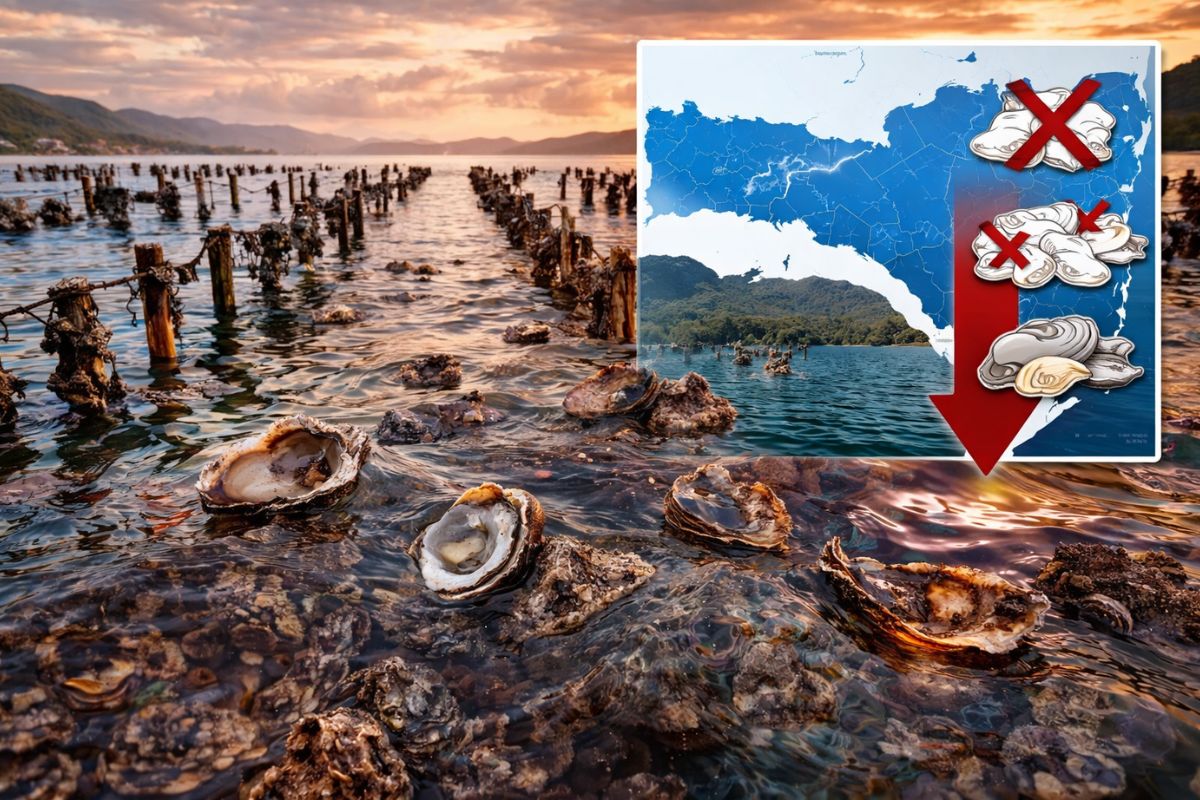
The sea water temperature rose from 28 to 34 degrees in Santa Catarina and killed up to 90% of the oysters: producers who planted over 1 million seeds lost practically everything and say that if it happens again, production is doomed to end.
-
An Indian tree that grows in the Brazilian Northeast produces an oil capable of acting against more than 200 species of pests and interrupting the insect cycle, gaining ground as a natural alternative in soybean, cotton, and vegetable crops.

-
The rise in oil prices in the Middle East is already affecting Brazilian sugar: mills in the Central-South are seeing their margins shrink just as ethanol gains strength.


Furthermore, new threats have emerged in the international scenario. “There are new diseases that, even without known cases in the country, can establish themselves and lead to production loss,” he states.
Iridovirus and Tilapia Virus Concern Producers
Among the tilapia diseases that will be subject to mandatory monitoring, iridovirus is one of the most sensitive. Mato Grosso do Sul has already reported occurrences in crops in the Paraná Basin. Santiago explains that the impact is severe:
“This disease occurs in tilapia during the larval and juvenile stages. It causes anemia and animal immunosuppression, leading to death.”
Another growing concern is the tilapia virus, also known as Lake Tilapia Virus.
Although Brazil is considered free from this infection, it has already caused significant damage in neighboring countries and among various Asian producers.
Therefore, control is essential to protect the domestic market, which has established itself as one of the largest in the world.
Viral Necroses and Tilapia Parvovirus Enter MAPA’s Radar
Professor at UFMS and Doctor of Veterinary Medicine, Carlos Eurico Santos Fernandes, recalls that the discussion regarding the inclusion of the infectious spleen and kidney necrosis virus (ISKNV) is not recent. “It will likely be included in the mandatory notification list,” he asserts.
The disease gained national attention after an outbreak recorded in Goiás, São Paulo, and Minas Gerais in August 2020.
In the case of Tilapia Parvovirus (TiPV), there are currently no records in Brazil.
Inspection Still Faces Technical and Structural Challenges
For Fernandes, Brazilian aquaculture still needs to advance in assistance and diagnosis.
“State inspection services are still organizing themselves to diagnose and combat the diseases recorded in aquaculture, and there is a lack of specialized laboratories for diagnosis and assistance to producers,” he explains.
With the increase in production and the geographical expansion of the activity, the demand for sanitary infrastructure becomes more urgent.
Thus, mandatory notification seeks to strengthen the response of inspection agencies and standardize actions throughout the national territory.
Economic Impact Predominates Over Risks to Human Health
Brazil ended 2024 as the fifth largest national producer of tilapia, according to PeixeBR. For Santiago, the impact of the four tilapia diseases is limited to the production chain.
“They are not transmissible diseases to humans. They cause losses in production because they can contaminate the producer’s entire stock,” he states.
Even without records in the national territory, the tilapia virus remains an international threat and requires heightened attention from farms and cooperatives.
“Our sector is very attentive to it. It causes significant losses. Here in Brazil, producers participate in monitoring programs, and we do not have records,” he concludes.










Quase todas as tilápias , são vacinadas ainda na fase juvenil , uma a uma, reportagem do globo rural desse ano, inclusive com vídeos. Então acho que se informar um pouco mais , possa até ser que não são todos os criadores ,mas os sérios e grandes produtores fazem isso. É só pesquisar
Acharam também a doença tilápiads fritoides gostosoides kkkk