





 Portuguese
  English
  Spanish
  4 min of reading
  3 comments


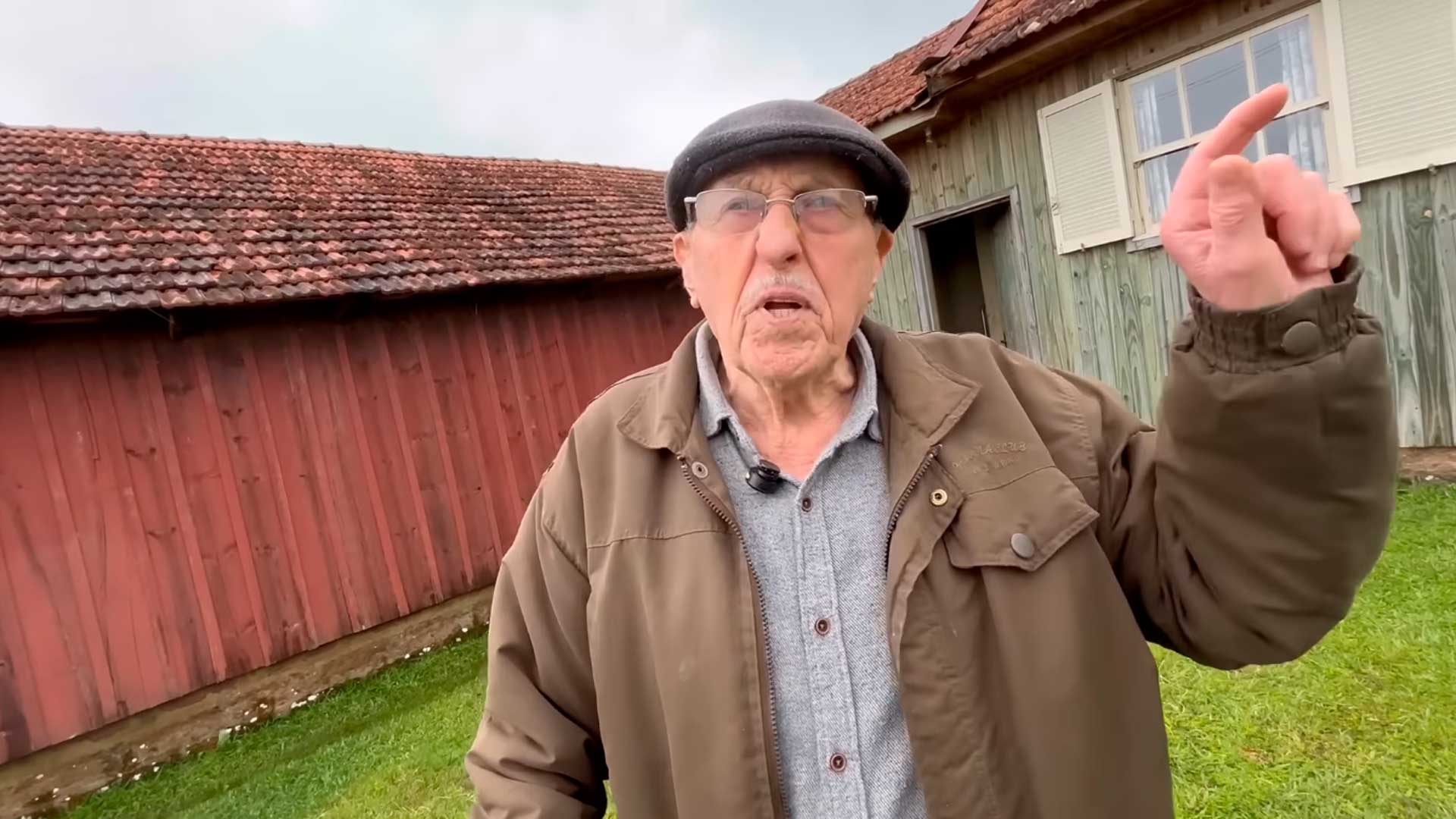


A Video Recorded in the Interior of Cambará do Sul Shows the Routine and Memories of a 90-Year-Old Resident and Becomes a Portrait of Change in the Countryside. Among Stone Walls, Cattle, and Rodeo, the Conversation Exposes a Local Dilemma: Modernizing Without Erasing History.
The recording made on a property in the Bairro Branco area, in Cambará do Sul, Rio Grande do Sul, placed a seldom-seen character in headlines at the center of attention: a 90-year-old man who has lived through time working with cattle, artisanal production, and the communal life of the countryside.
In the interview, the resident, identified as Noir Joaquim da Silva, reports that he arrived in the region as a teenager and spent decades working with livestock, milk, and cheese, in addition to recalling his experience in the Army and participation in traditional activities related to roping and rodeo.
The material was published on a YouTube channel that claims to aim to record the stories of rural people and to value rural life, in videos centered on memory, work, and rural culture.
-
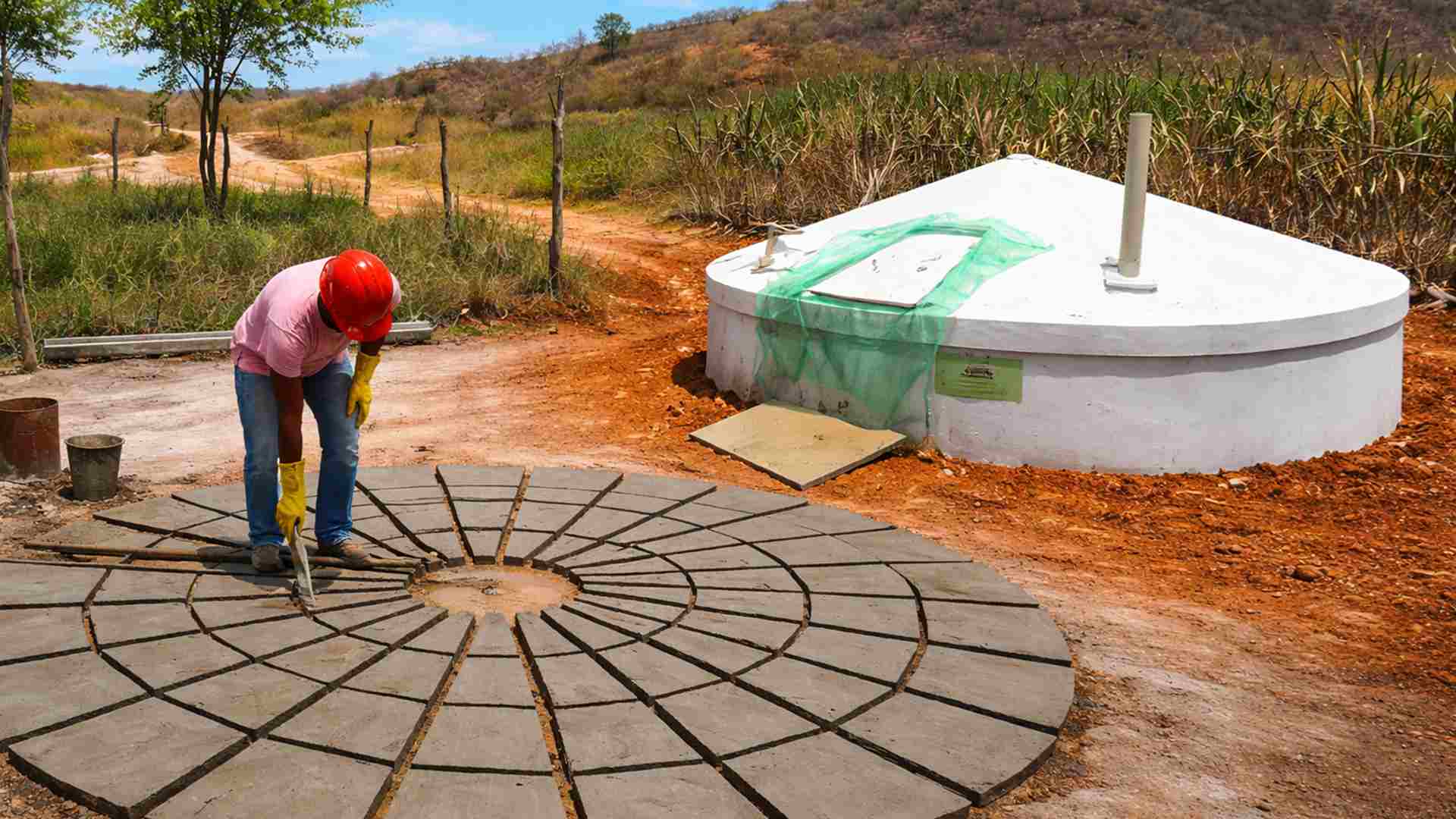
How to build a 35,000-liter cistern with 60 by 50 cm panels and rainwater for drinking and cooking without relying on water trucks or the city hall.
-
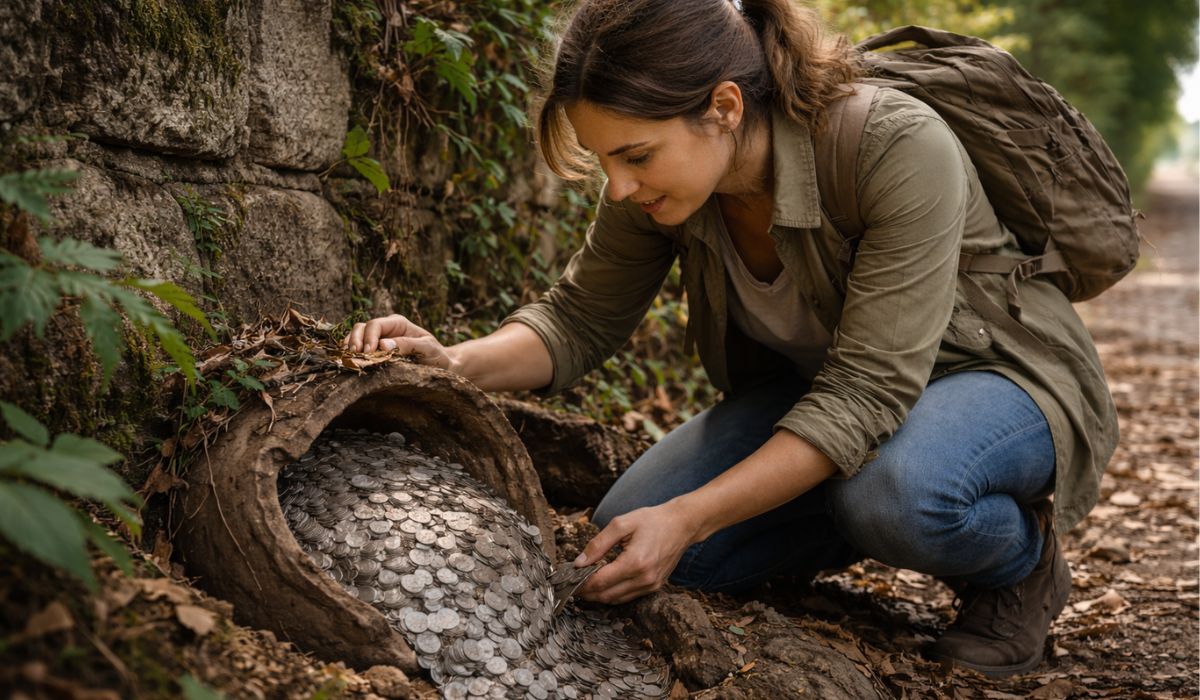
A woman went out for a regular walk and ended up finding a treasure buried for over 900 years, with more than 2,000 medieval silver coins compared by archaeologists to a lottery prize and considered one of the most significant finds in recent years in the country.
-
Scientists revealed 11 signs that very intelligent people exhibit in their daily lives, and most people have no idea that some of these common behaviors are directly linked to an above-average brain.

-
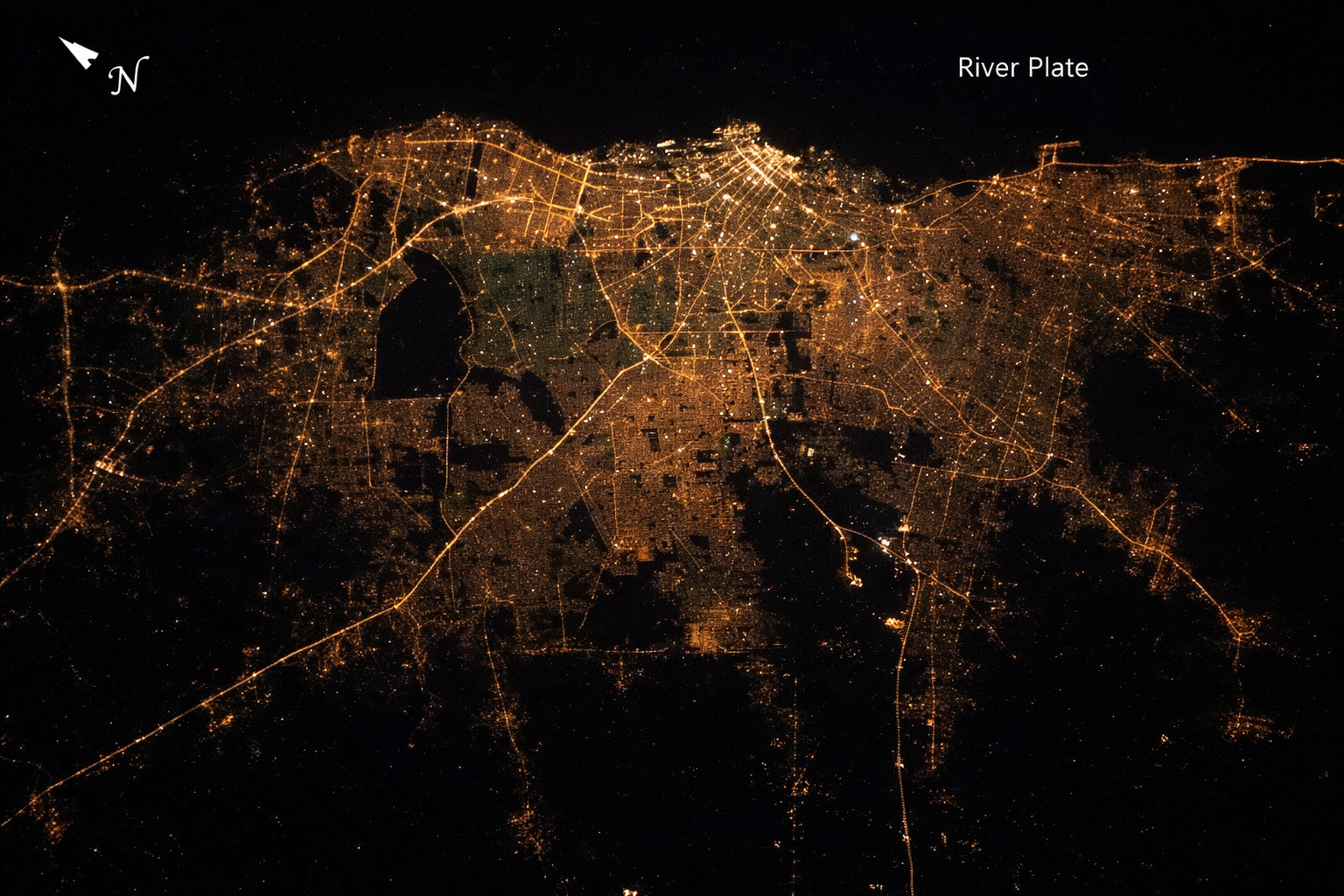
From space, Buenos Aires appears as a colossal spot of light surrounded by kilometers of darkness, revealing at a single glance the exact boundary between the metropolis and the countryside, seen from 400 km altitude.
The case draws attention because Cambará do Sul, despite its small population, has become a national reference in nature tourism, while maintaining an economy with a strong presence of agriculture, a scenario that increases the clash between tradition and transformation.
Interview in Cambará do Sul Reveals the Behind-the-Scenes of Life in the Countryside; Watch the Video
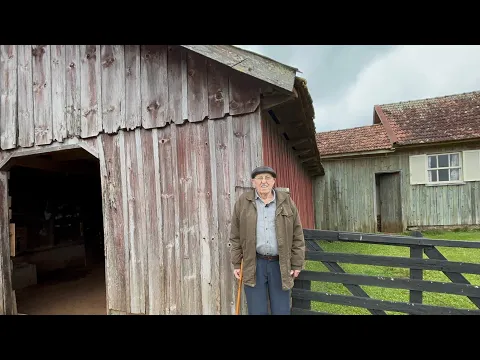

In the account, the interviewee describes the old routine of raising, milking, and cheese making, recalling that sales were made in local stores and nearby towns, at a time when transportation and infrastructure were more limited.
He also mentions the size of the area where he lived and worked, citing a property of 120 hectares and explaining how production was organized among livestock, farming, and marketing, focusing on sustaining his family.
Throughout the conversation, details of rural sociability emerge: weekend dances, serenades, friendships, and the symbolic value of community recognition, summarized in a direct piece of advice to the younger generation: honesty comes first.

Tourism in the Canyons of Aparados da Serra Transforms Cambará do Sul
The backdrop of this story is a city with a unique profile. Cambará do Sul has a population of 6,361 people according to the 2022 Census and an area of 1,181.811 km², which helps to explain the feeling of a vast and sparsely populated countryside, even as tourism grows. IBGE
Part of this movement comes from the Aparados da Serra National Park, where the Itaimbezinho Canyon is located, cited by the city hall as the most famous canyon in the region and located about 18 km from the city center, making it a natural base for visitors.
The park itself is old; it was created by federal decree on December 17, 1959, and today, visitation is managed by supporting services under concession, with a contract published by ICMBio for the period from August 12, 2021, to August 12, 2051.
Stone Walls and Tropeirismo Preserve the Landscape of Campos de Cima da Serra
One of the most striking elements displayed in the video is the stone walls, which appear in troughs, boundaries, and fencing, serving as a visual mark of a way of life that has crossed generations.
Studies on the Campos de Cima da Serra describe these walls as dry stone walls, built without mortar, associated with tropeirismo and the control of herds and the movement of animals over time.
In the interview, the contrast between the old structures and current equipment is evident throughout; the wall remains standing, but there are not many people who know how to build or renovate them, according to the locals.
This detail shifts the debate, as it is not just about nostalgia but rather a practical heritage that still organizes work and the landscape, which may disappear if the technique and labor are not passed down.
With tourism advancing over the canyon region, pressure also grows to transform symbols of the countryside into attractions, leading to an unsettling question for some residents: does culture become a product or remain real life.
Modernization of Livestock Farming and Family Succession Become Challenges to Maintain Tradition
Another strong point of the video is the explanation about the modernization of management, with chutes, scales, and structures that reduce the need for large teams, something the interviewees relate to the lack of labor and changes in working methods.
The discussion expands to a common dilemma in rural areas: who continues the work when the labor requires investment, technique, and willingness, while the young see tourism and city life as more predictable and less burdensome paths.
In the end, the story of the 90-year-old resident becomes a message that goes beyond emotion; preserving memory is not just about keeping photos, it is deciding whether the future of Cambará do Sul can manage to balance tourism, income, and rural identity without transforming everything into mere remembrance.
Leave a comment saying what you think is more urgent: investing in tourism or protecting country life as it is, with work and tradition. Does tourism strengthen the region or is it pushing culture to become a showcase? Your opinion helps to separate homage from romanticization.







Que trabajo les cuesta poner el nombre del país del q se habla, por los nombres presumo q es Brazil, pero podía ser Portugal a no ser por la mención a los mangos. sucede
a menudo bla, bla, bla y el país nada
Realmente hay que preservar y mantener el entorno , las tradiciones y las labores rurales.
Si estás personas se pierden el sostenimiento alimentario de muchas regiones y ciudades, la juventud y nuevas generaciones no tienen idea de cómo o quién les va a producir los alimentos.
Van a vivir de pura comida chatarra?!
De dónde van a sacar los alimentos en un futuro cercano?!
Con robots, youtubers y redes sociales no se produce ni se siembra comida.
Luego queremos cambio generacional,con 90 años cobrando pac pensión y rendimiento