





 Portuguese
  English
  Spanish
  4 min of reading
  0 comments


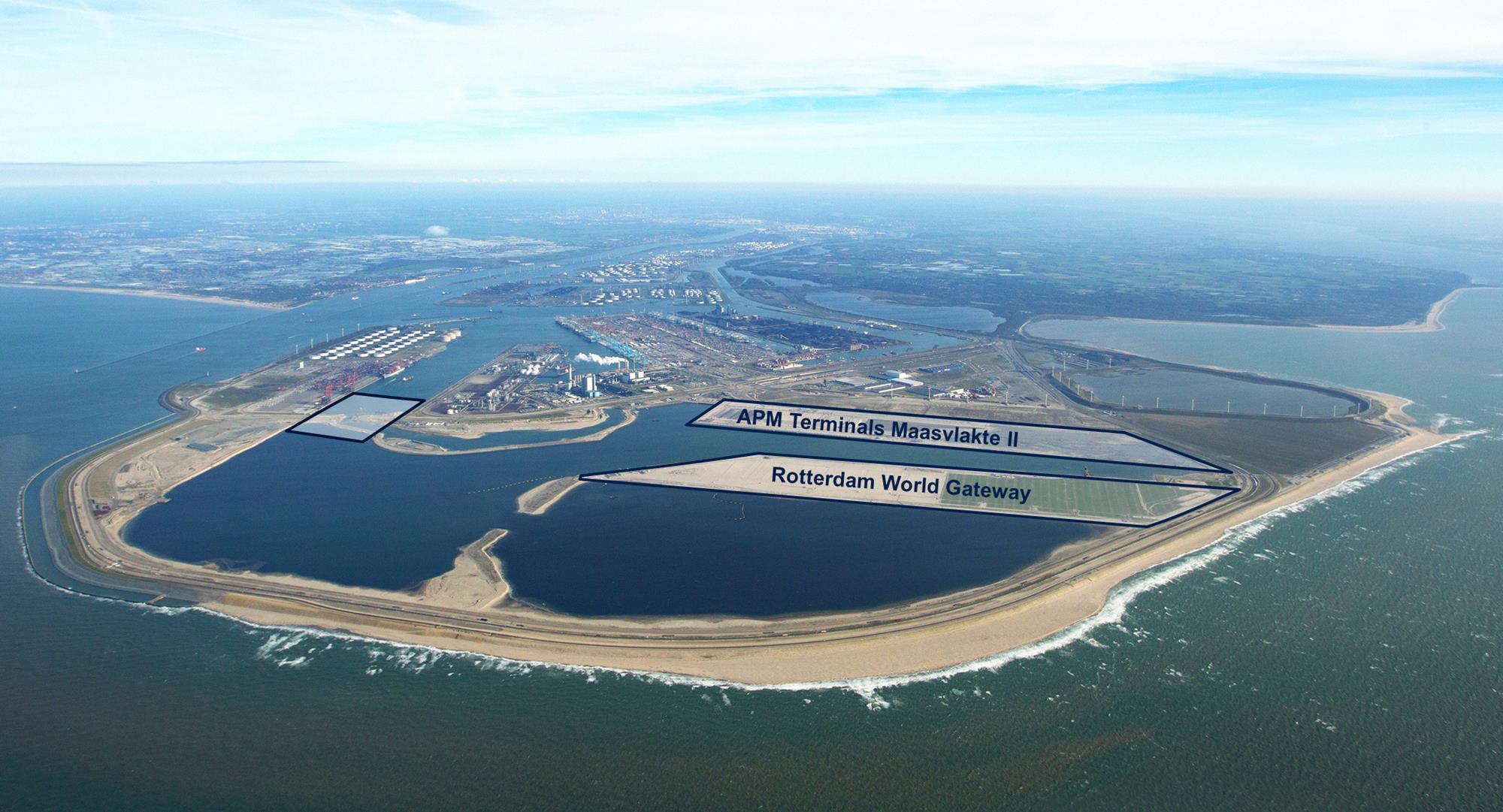
Maasvlakte 2 Created 2,000 Hectares in the North Sea with 240 Million m³ of Sand, 11 km of Coastal Defenses, and 7 Million Tons of Rock in Rotterdam.
According to technical documentation from the Port of Rotterdam Authority, dredging engineering reports published by European consortiums, and communications from the European Investment Bank, the Maasvlakte 2 is not a “expansion” in the classical sense: it is the creation of entirely new port territory within the North Sea, executed from scratch, on unstable marine sediments, with material volumes that place the project among the largest hydraulic fill works ever carried out in Europe.
The project was implemented west of Rotterdam, advancing the port into open sea. The challenge was not only to gain area but also to ensure depth, stability, and permanent coastal protection to accommodate state-of-the-art ships and operate for decades under severe maritime conditions.
The Creation of 2,000 Hectares Where There Was Previously Only Sea
The figure that defines Maasvlakte 2 is territorial. The project resulted in about 2,000 hectares of new port and industrial area. In practice, this is equivalent to creating an entire district, larger than many urban centers without natural soil foundation, only with dredged sand and containment structures.
-
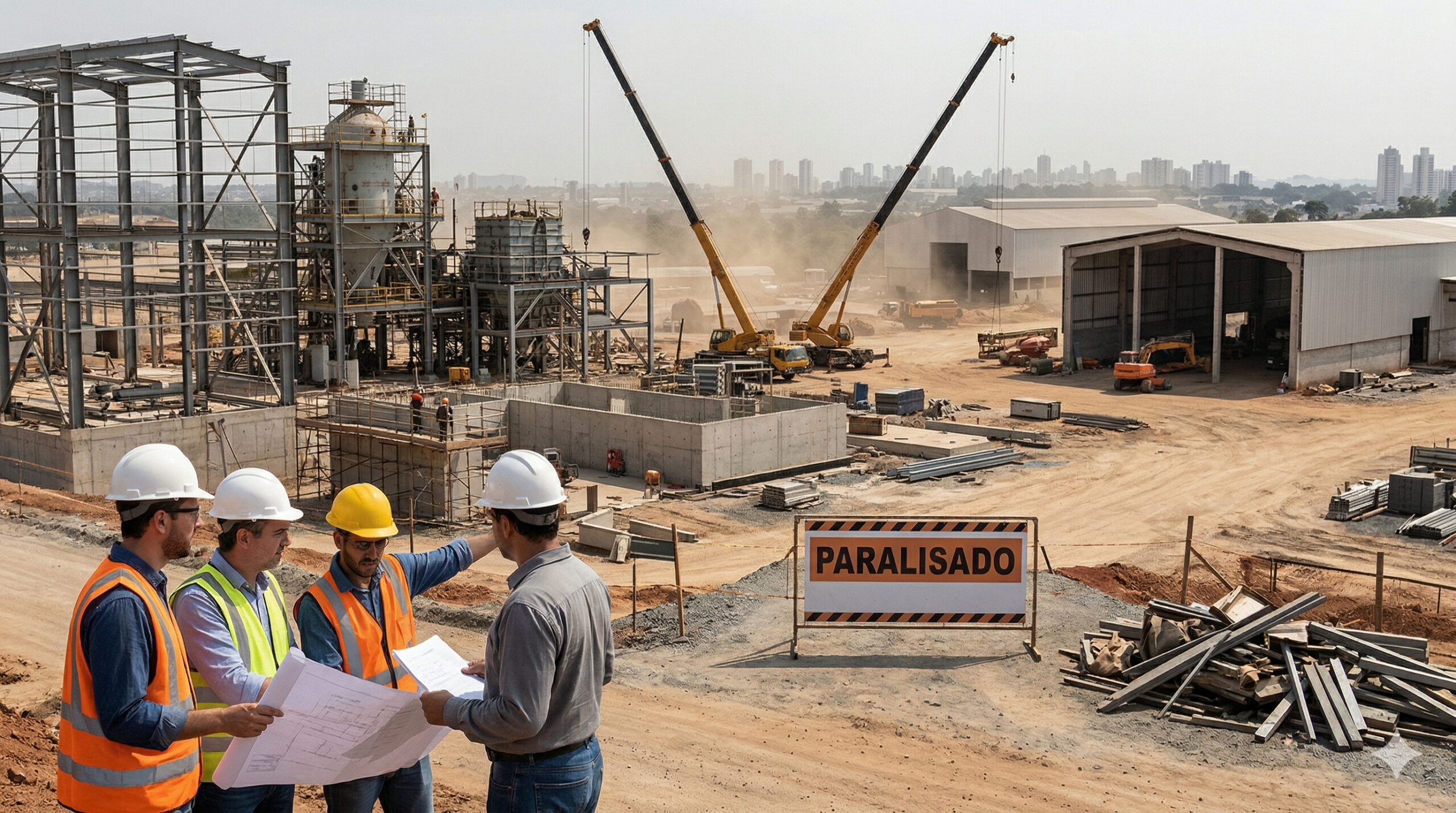
The lack of welders, electricians, and operators becomes a structural threat in 2025, with the construction industry and manufacturing already suffering from delays, cost pressures, and labor shortages in Brazil.
-
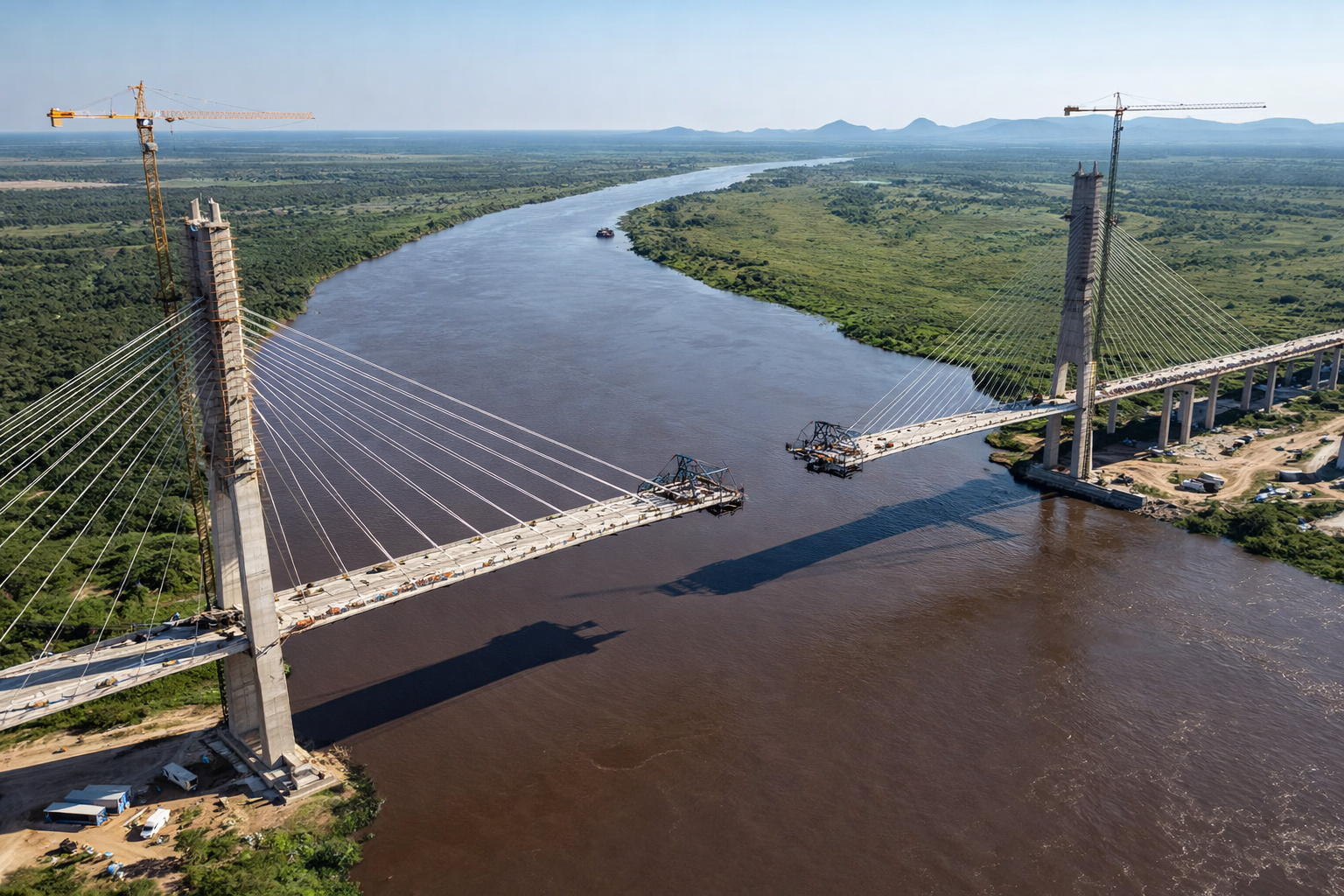
Brazil and Paraguay are just 46 meters away from a historic union on the bioceanic bridge that promises to revolutionize trade between the Atlantic and the Pacific.
-
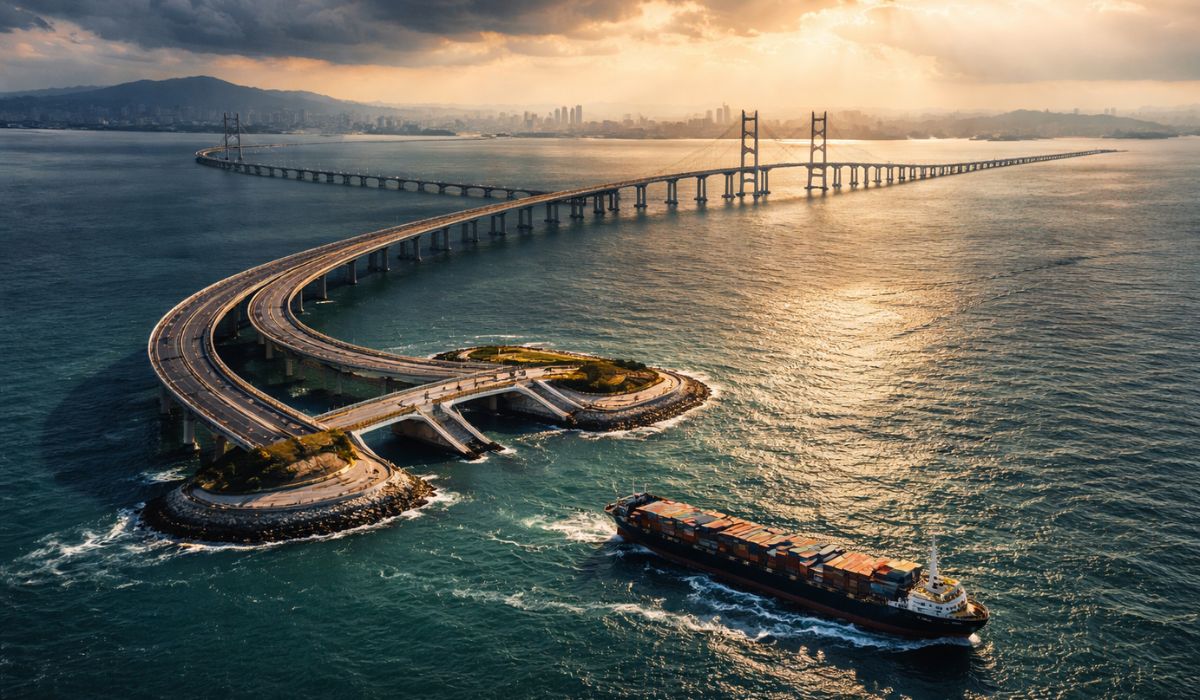
With 55 km over the sea, a cost of US$ 20 billion, and enough steel to build 60 Eiffel Towers, China’s largest project has connected Hong Kong, Zhuhai, and Macau in a colossal bridge that defies the logic of engineering.
-
A trick with joint compound transforms a Styrofoam ceiling into a plaster-like ceiling: leveled panels, wires and mesh at the joints, sand, paint, and change the environment while spending little today.

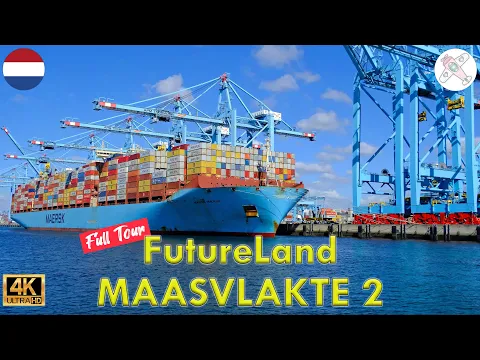

To achieve this, engineering opted for a massive hydraulic fill, pumping sand taken from the North Sea into a perimeter enclosed by maritime defenses. This choice reduced land transport but drastically increased the geotechnical complexity of the work.
240 Million Cubic Meters of Dredged Sand
The volume of material moved is the most colossal data point of the project: approximately 240 million m³ of sand were dredged and deposited to form the new Maasvlakte. This number, recurrent in technical publications from the dredging sector, gives the true scale of the intervention.
It is not simply a matter of “throwing sand.” The material needed to be:
- selected for grain size,
- deposited in controlled layers,
- hydraulically compacted,
- and continuously monitored for settlement.
Each deposition error could compromise kilometers of built area over the fill.
A Maritime Contour of 11 km to Secure the North Sea
Creating land is only half the problem. Keeping it in place is the real challenge. Maasvlakte 2 has a maritime contour of about 11 km, designed to withstand storms from the North Sea, high-energy waves, and sea level rise over decades.
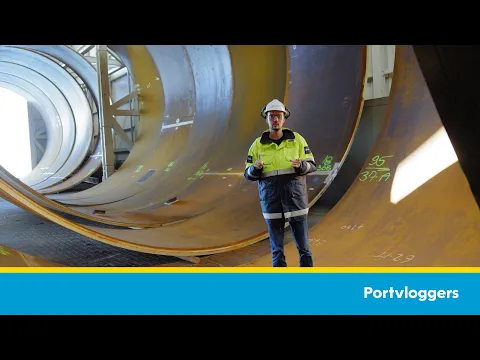
This contour was divided into two complementary systems:
- soft defense, with artificial beaches and dunes along approximately 7.3 km;
- hard defense, with rigid structures along about 3.5 km.
The combination allows for gradual energy dissipation of the waves, reducing extreme loads on the rigid stretches.
7 Million Tons of Rock for a Maritime Wall
The rigid section of the coastal defense is one of the most impressive points of the work. To construct just 3.5 km of hard defense, approximately 7 million tons of rock (riprap) were used, along with 20,000 specially shaped concrete blocks for wave energy dissipation.
These blocks are not decorative: each weighs several tons and was positioned with millimeter precision, forming an armor capable of withstanding repeated impacts from waves in extreme conditions.
Additionally, the system includes approximately 150,000 tons of clay for sealing and stability of the ensemble, creating a multilayer barrier against erosion and infiltration.
Deep Dredging for New Generation Ships
Maasvlakte 2 was not designed for the port of the present but for the port of the future. The basins and accesses were dredged to approximately –20 meters relative to Dutch reference level (NAP), a depth sufficient to accommodate the largest container ships in the world without operational restrictions.
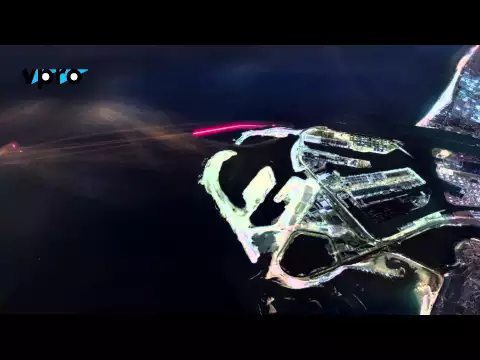
This fact is crucial: it is pointless to create land if ships cannot reach it. Deep dredging involved continuous underwater excavation, submerged slope control, and sediment management in an open maritime environment.
Kilometers of Quay and Hundreds of Thousands of Cubic Meters of Concrete
On the fill, construction advanced to the heavy structural phase. About 3.5 km of quay walls were built, requiring approximately 300,000 m³ of concrete just in this phase.
These quays need to support:
- extreme vertical loads from cranes,
- horizontal mooring forces,
- and differential settlements of the fill over time.
Therefore, foundations were designed to accommodate controlled movements without loss of structural performance.
A Structure Designed to Accept Settlement as Part of the Project
Unlike conventional buildings, Maasvlakte 2 was designed with the certainty that the soil would move. The settlement of the fill was expected, calculated, and incorporated into the schedule and sizing of the structures.
Geotechnical instrumentation continuously monitors soil behavior, allowing operational and structural adjustments over time. It is engineering that does not attempt to “overcome” geology, but work with it on a colossal scale.
A Port That Did Not Exist and Now Redefines the European Logistics Map
In the end, Maasvlakte 2 represents a specific type of extreme construction: one in which territory is the main construction material. There is no iconic building, record tower, or spectacular bridge. What exists is something larger: a whole piece of country created in the sea, protected by millions of tons of rock, supported by dredged sand, and prepared to operate as one of the largest logistics platforms on the planet.
It is a work that can only be understood when looking at the numbers — and realizing that here, heavy engineering did not construct an object but invented space where it did not exist.







-

-

-

-

8 pessoas reagiram a isso.