





 Portuguese
  English
  Spanish
  4 min of reading
  31 comments


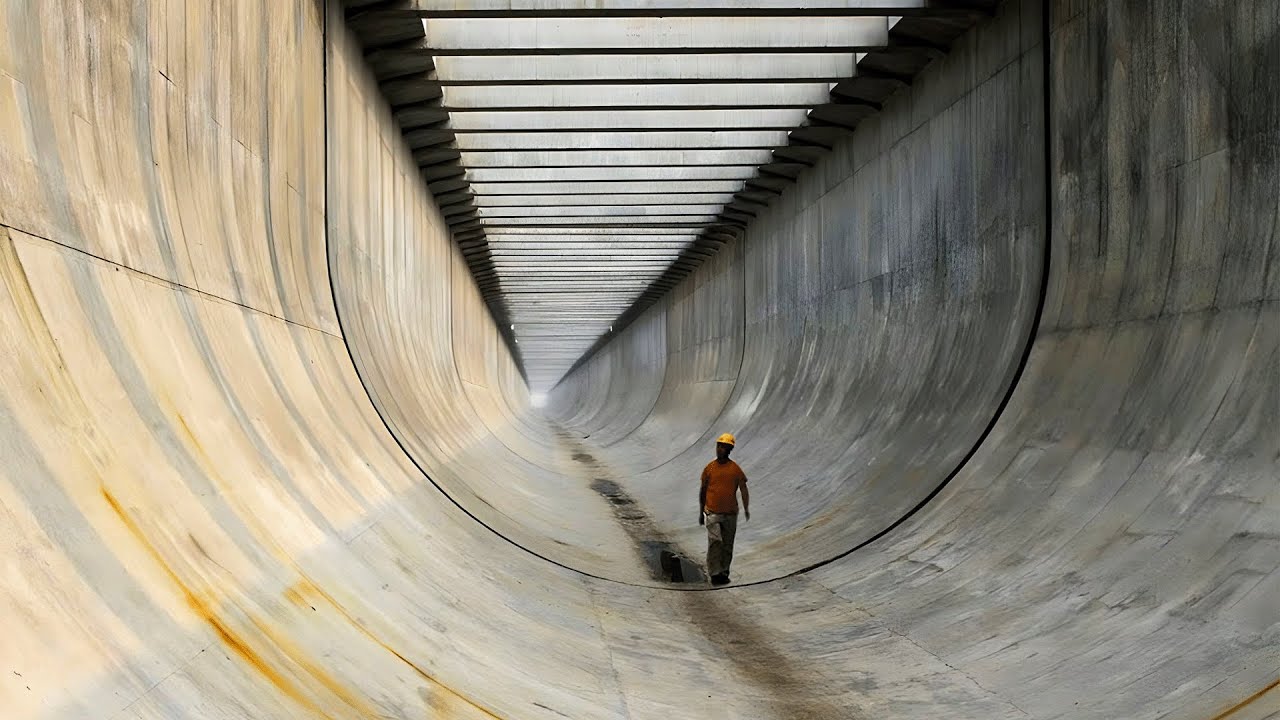


China Built Over 2,700 Km of Canals and Tunnels to Move Billions of M³ of Water Per Year, Creating an Artificial River That Supplies the Arid North of the Country.
According to technical documents from the Ministry of Water Resources of China, hydraulic engineering reports published by Chinese universities, and official balance sheets from the project itself, the South-to-North Water Diversion is not only the largest water project of the 21st century but one of the largest continuous territorial interventions ever carried out by modern engineering. Unlike isolated dams or regional canals, it is a permanent national system designed to redistribute water in a country where water geography and population distribution have never been in balance.
From its inception, the project was conceived as structural infrastructure, not emergency infrastructure. It operates under the premise that northern China, where megacities, industrial hubs, and a large part of intensive agricultural production are concentrated—simply does not have enough water to sustain its own growth without massive and continuous transfer.
A Linear Work That Crosses Entire Provinces
The defining feature of the project is its extension. The routes already in operation exceed 2,700 km, crossing multiple provinces, rural areas, industrial zones, historic cities, and transport corridors.
-
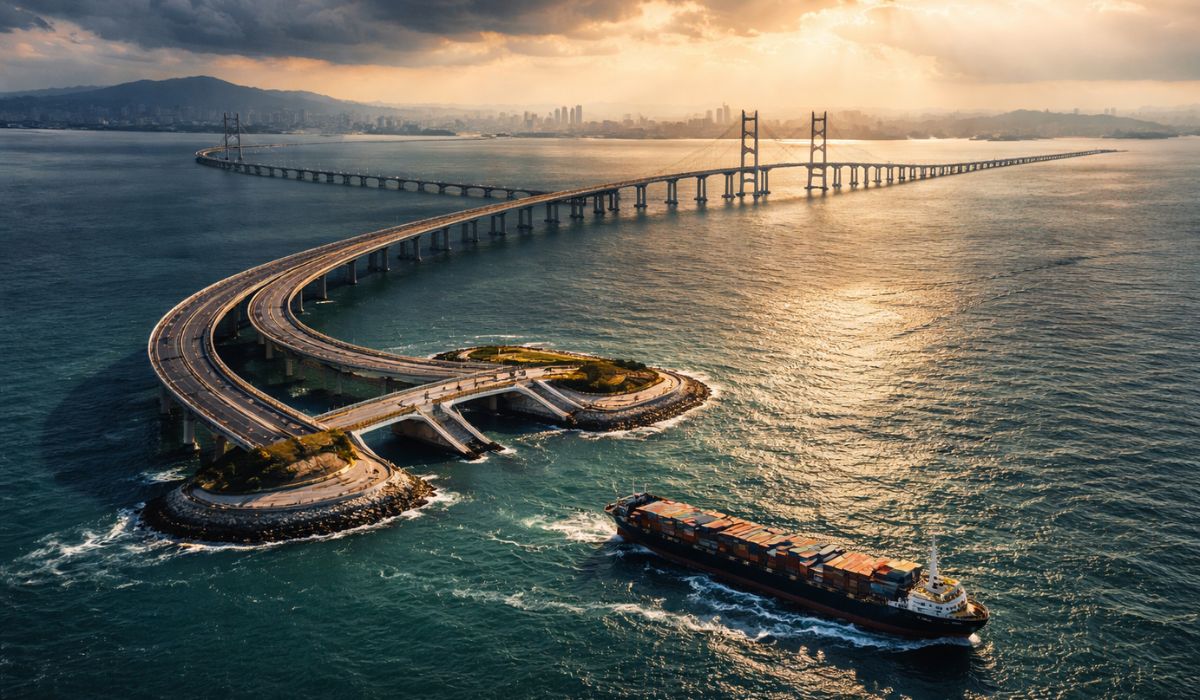
With 55 km over the sea, a cost of US$ 20 billion, and enough steel to build 60 Eiffel Towers, China’s largest project has connected Hong Kong, Zhuhai, and Macau in a colossal bridge that defies the logic of engineering.
-
A trick with joint compound transforms a Styrofoam ceiling into a plaster-like ceiling: leveled panels, wires and mesh at the joints, sand, paint, and change the environment while spending little today.

-
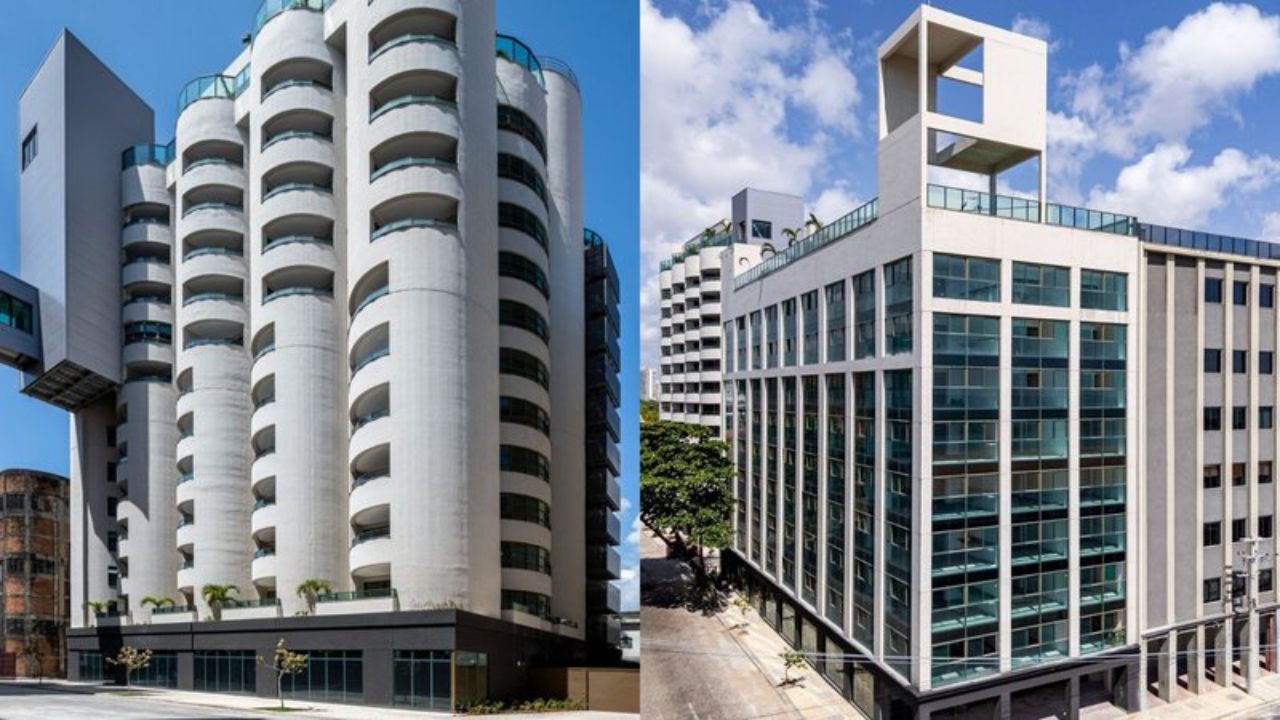
Abandoned for over a decade, century-old silos in the state of Recife have been transformed into 251 apartments with curved walls in one of the most complex retrofits ever done in Brazil.
-
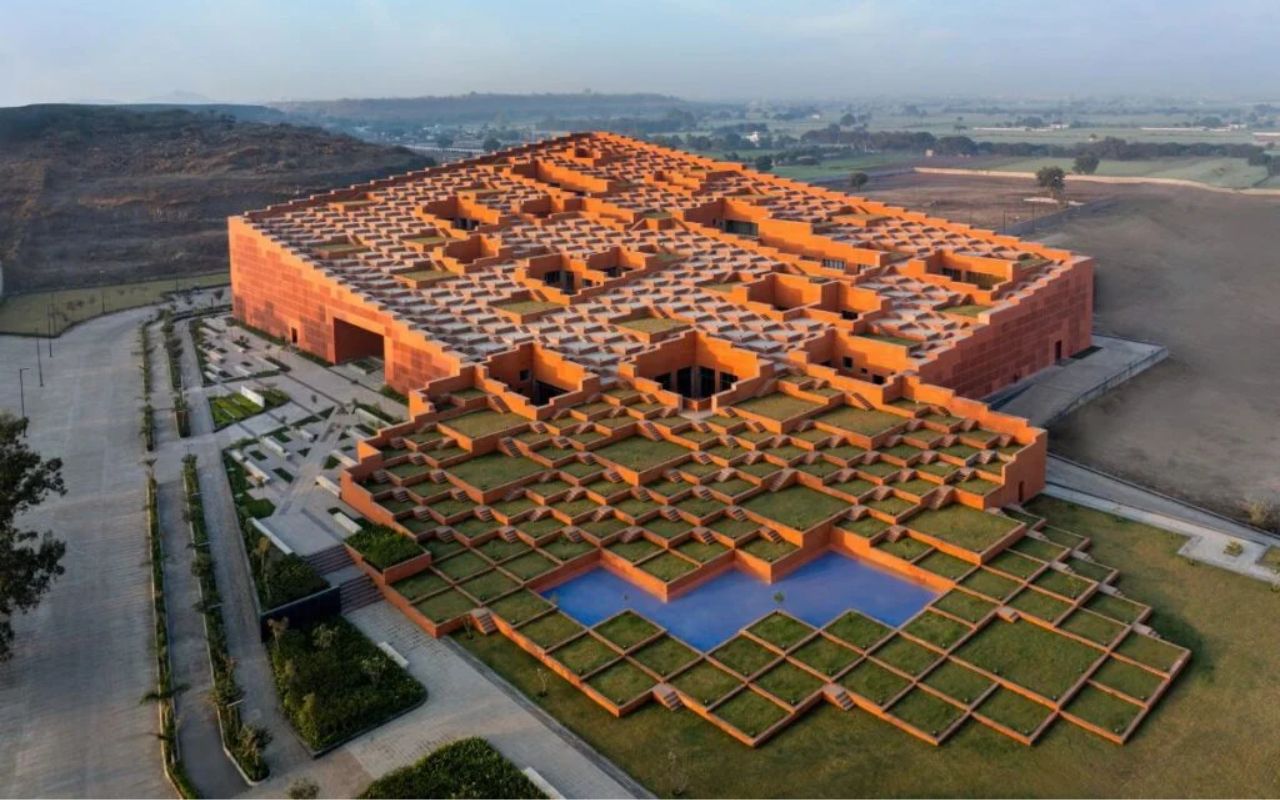
Inspired by millennia-old structures, a “differentiated” roof with 463 levels and a capacity for 9,000 people was built on top of a building in India; the tiered roof is almost a kind of giant garden of 9,000 m², reducing energy consumption and promoting interaction among students of Prestige University.
It is not a “canal,” but a network of integrated hydraulic infrastructure, consisting of open channels, inverted siphons, pressurized tunnels, elevated aqueducts, and intermediate reservoirs.
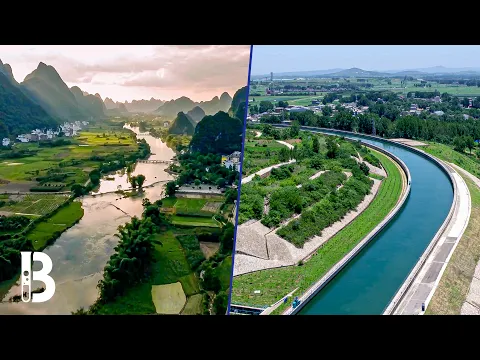

This linearity imposes rare technical challenges: the work cannot fail at a single point, as any interruption compromises hundreds of kilometers downstream. Operational reliability is as critical as the physical scale.
The Central Route: 1,400 Km Operating Only by Gravity
The most impressive section from a hydraulic perspective is the Central Route, which carries water from the Danjiangkou reservoir to the north of the country over more than 1,400 km, using only gravity. To achieve this, engineers worked with minimum slopes, distributed over hundreds of kilometers.
Central Route,
This type of solution requires extreme precision. An excessive slope would cause erosion and instability; insufficient slope would interrupt the flow. The result is a channel with a large cross-section, with water levels continuously controlled, operating as a permanent artificial river, but entirely designed.
Hydraulic Tunnels Under Giant Rivers
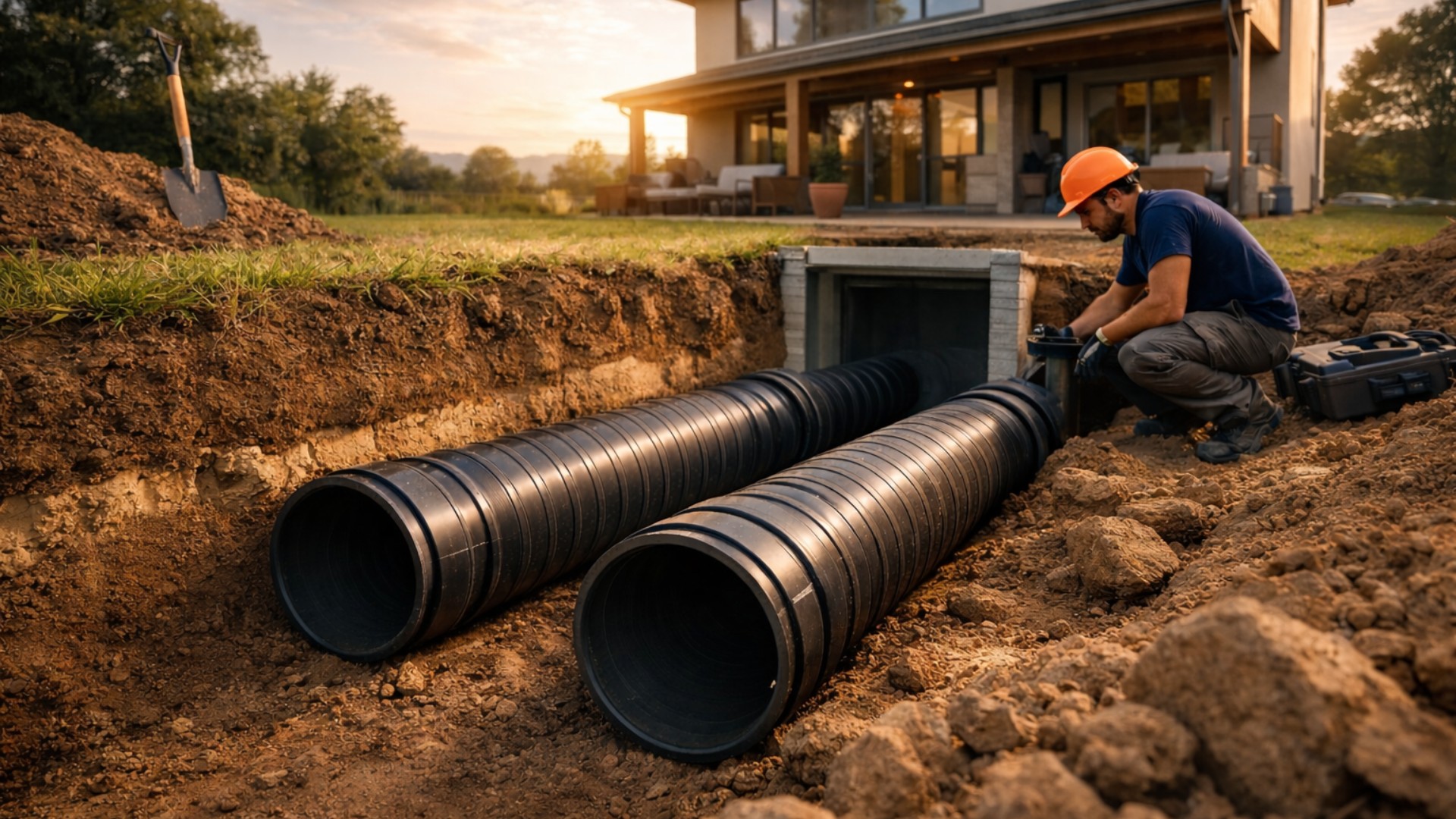
To maintain an uninterrupted path, the system needed to cross some of the largest rivers in China beneath the riverbed, in large-diameter hydraulic tunnels. The most emblematic case is the crossing under the Yellow River, where the water from the diversion passes through siphons and pressurized tunnels buried under unstable sediments.
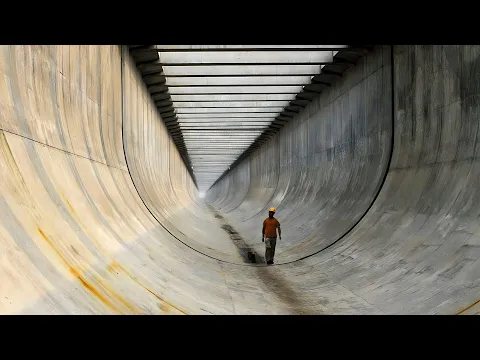
These tunnels:
- operate full, under constant pressure,
- have heavy structural lining,
- were excavated and installed without interrupting the natural flow of the river above.
Here, the work stops being a canal and transforms into large-scale underground engineering, combining geotechnics, hydraulics, and heavy construction.
The Eastern Route: Pumped Water Against the Topography
Unlike the central route, the Eastern Route heavily relies on energy. It partially repurposes the layout of the old Grand Canal, but in an industrial version, with cascading pumping stations that elevate water along the route.
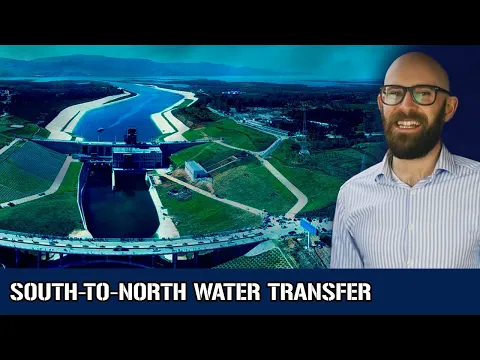
This section operates as an active hydraulic system, where large pumps maintain constant flows for hundreds of kilometers. It is infrastructure that can never stop, as urban and industrial supply directly depends on it.
Billions of Cubic Meters of Water Transferred Per Year
When analyzed in volume, the project operates on a scale normally associated with large natural rivers. The routes have been designed to transfer billions of cubic meters of water per year, creating a permanent artificial source for regions that previously relied on overexploited aquifers or insufficient watercourses.
In practice, this means:
- reduction of groundwater extraction,
- stabilization of urban supply,
- direct support to industrial hubs,
- and greater water predictability for intensive agriculture.
A Work That Redefines the Relationship Between Rivers and Cities
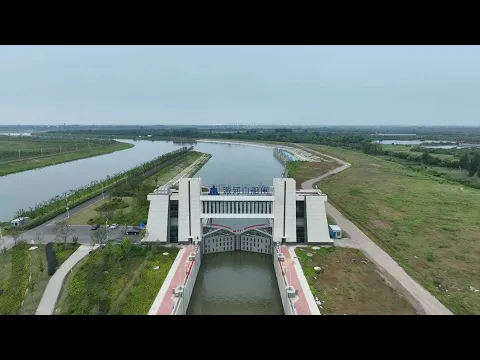
From a territorial perspective, the South-to-North Water Diversion redraws the country’s water map. Rivers cease to be merely natural systems and become part of an artificial distribution network, where water is treated as strategic cargo, moved according to economic and urban demand.
This creates a structural dependency: entire cities come to exist conditioned to the uninterrupted operation of this infrastructure. Unlike local dams, here the failure is not regional—it is systemic.
Engineering That Operates Without Pause
A rarely explored aspect is the operational regime. The system was designed to operate 24 hours a day, with permanent monitoring of levels, flows, pressures, and water quality. Sensors, control centers, and distributed maintenance ensure that thousands of kilometers of channels and tunnels function as a single hydraulic organism.
It is heavy engineering not only in construction but in continuous operation, something that few civil works in the world can sustain at this scale.
A Permanent Artificial River Crossing a Country
In the end, the South-to-North Water Diversion is not just a monumental water project. It represents a new type of construction: a national artificial river, created not by geology but by engineering decisions and territorial planning.
It is proof that when the scale is continental, engineering ceases to adapt cities to available water and begins to adapt water to cities, using concrete, tunnels, and channels as instruments to reorganize an entire country.







Num país onde a corrupção é endêmica e institucionalizada nem saneamento básico é concluído
China também tem corrupção. A diferença é a que a direita lá não tem poder, aí são menos casos. A China leva os ensinamentos de Marx a sério.
A direita lá já foi para o paredão em 1949 em sua maioria.
Aqui a transposição de um rio São Francisco passa décadas e não termina entra um presidente ddito de direita abre, entra o de esquerda fecha e comeca tudo de novo e o pobre que vota no da esquerda sofre e continua apoiando o fexhador de águas e bora alguns ganhar muito com caminhões pipa, com três maiores aquiferos do mundo o Brasil que duram mais de milhares de anos vemos muitos passar sede,.o Brasil tem que ser redescoberto e a china infelismênte acabara tomando posse dessa terra
Pesquise melhor e refaça o texto, vc consegue.
Nos governos mais à esquerda estava indo tudo bem. Desandou quando os governos à direita entraram. Fora que o Brasil não tem a mesma tecnologia de infraestrutura e a escala que a China tem, o que faz as obras serem mais demoradas e mais caras.
Sem responsabilidade ambiental e órgãos reguladores isentos é fácil fazer qualquer coisa. Lógico que vão achar lindo mas o meio ambiente que se lasque.
Tá é **** 😂. Lá tem mais respeito aos biomas que o Brasil. Não a toa, trechos são bem profundos e abaixo de leito de rios, para não danar o ecosistema.