





 Portuguese
  English
  Spanish
  5 min of reading
  0 comments



Operation on Australia’s Inhabited Island Mobilized Helicopters, Ground Stations, and Continuous Surveillance Against Invasive Rodents, Generated Confirmed Environmental Impact and Revealed Social Tensions, High Costs, and the Ongoing Need for Biosecurity to Keep the Territory Pest-Free.
The rodent eradication operation on Lord Howe Island, an inhabited territory about 600 kilometers off the coast of Australia, was confirmed in 2023 through systematic surveys conducted across the island that found no signs of rats or mice.
The result was announced after years of planning, a large-scale logistical execution in 2019, and an additional response in 2021 when an isolated report of possible rat presence led to the immediate activation of the control protocols outlined in the project.
The initiative became a milestone for being conducted on a permanently inhabited island recognized as a World Heritage Site, a condition that required the integration of environmental, health, and operational strategies in a territory with a resident population, active infrastructure, and a regular flow of visitors.
-
Oldest tree on the planet reappears after 130 years of searches: Wattieza, 385 million years old, was 10 meters tall and had no leaves or seeds; Gilboa fossils in New York solved the mystery in 2007.

-
A 48-square-meter house assembled in hours with 4,000 bricks made of recycled plastic that does not absorb moisture, has natural thermal insulation, and costs less than 90,000 reais in a complete kit.

-
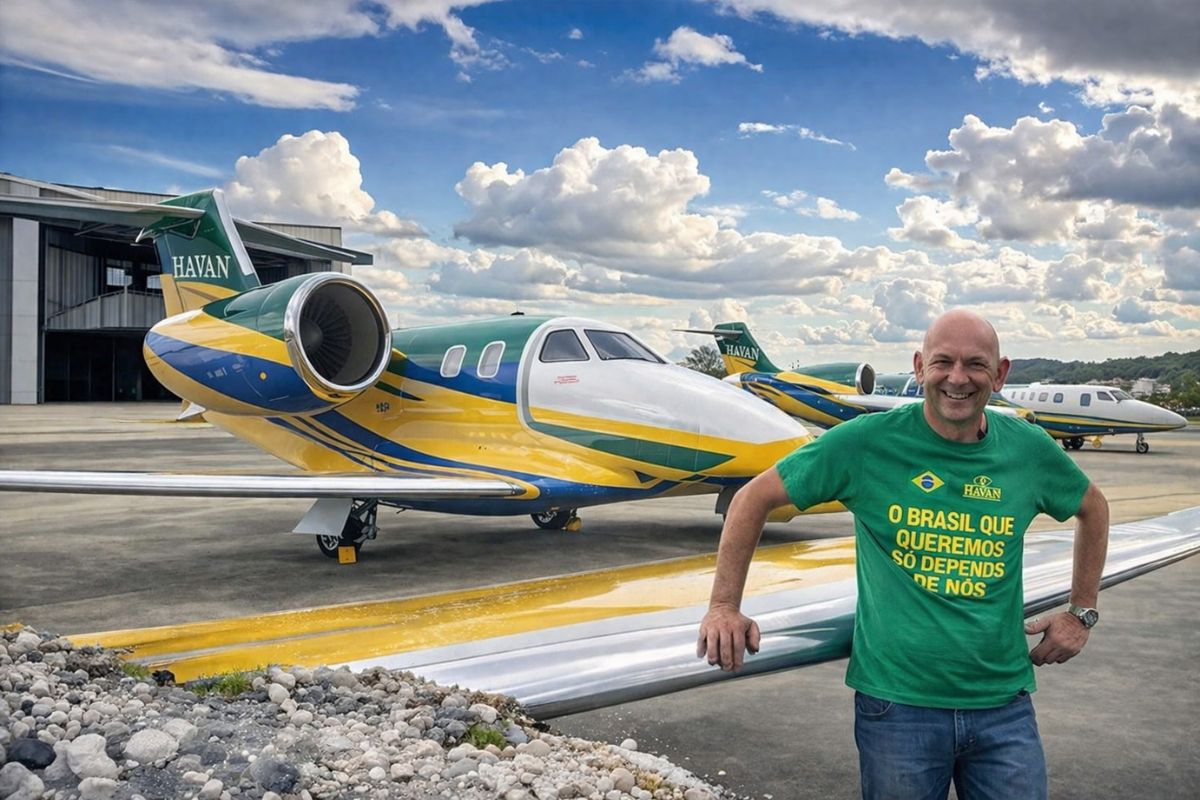
Luciano Hang revealed that Havan’s air fleet has already accumulated more than 20,000 landings, 10,000 flight hours, and 6 million kilometers traveled, and he says that without the planes, the company would never have grown so quickly.
-
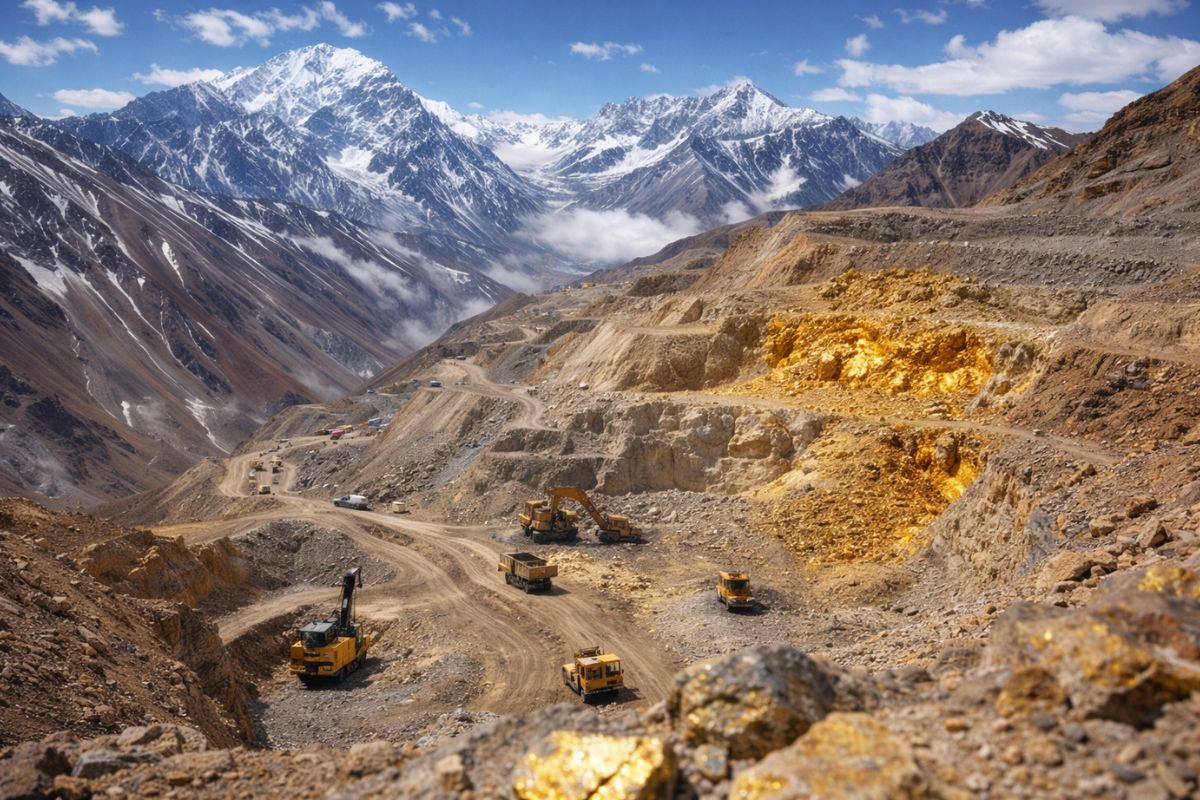
A historical discovery in the Andes Mountains reveals a gold deposit valued at 770 billion reais hidden over 4,000 meters above sea level on the border between Chile and Argentina, and the whole world is watching.

Environmental Characteristics of Lord Howe Island
Lord Howe Island is described in official documents as a volcanic remnant in the Tasman Sea, with 1,455 hectares of land area, mountainous terrain, dense forests, and a human settlement zone where permanent residents and temporary workers live.

Technical reports compiled by the project associate the historical introduction of rats and mice with documented ecological losses on the island, including local extinctions and direct impacts on birds, invertebrates, and endemic plants.
This pattern of impact is widely recorded on oceanic islands around the world, where invasive species alter food webs and reduce native biodiversity.
Planning and Decision for Total Eradication
The decision to move forward with eradication was formalized in 2017, following processes of technical, environmental, and health assessment.
These steps included community consultations, regulatory licensing, and risk analyses required by Australian government agencies.
Eradication was chosen as the strategy because no alternative was considered effective for stopping the ecological impacts caused by rodents, according to the official project documents.
Aerial Operation with Helicopters
The operational phase began in 2019 and combined land and aerial methods to ensure complete coverage of the territory.
In the aerial component, two helicopters conducted two rounds of application in June and July 2019.
A total of 47 tons of bait were distributed over approximately 2,600 hectares, equivalent to about 85% of the island’s land area.
This approach was essential for reaching steep slopes, dense forests, and mountainous regions, which were considered inaccessible for ground teams.
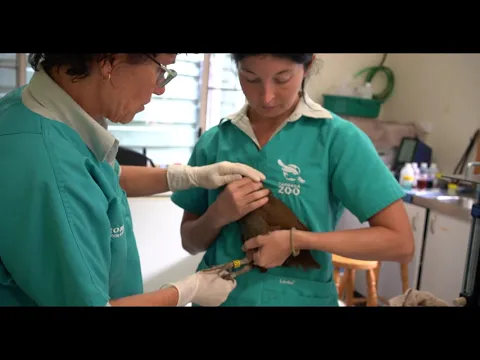

Project documents indicate that aerial application was not used in residential areas.
These areas received specific treatment through land methods, defined based on safety criteria and operational control.
Bait Stations and Control in Residential Areas
On the ground, teams employed manual distribution and an extensive network of bait stations.
The manual application was primarily used as an overlap between zones treated by helicopter and areas covered by stations.
The recorded rates were 12 kg per hectare in the first application and 8 kg per hectare in the second.
In total, about 9,500 manual distribution points were established.
The station network included approximately 19,000 external units and 4,300 internal units.
These stations were installed in residences, public buildings, and service structures, including roofs and technical areas.
The presence of residents made the operation more complex than eradications carried out on uninhabited islands, increasing costs, logistics, and security requirements.

Social Impact and Community Resistance
Official reports state that the project faced resistance from part of the community during the implementation phase.
The main tensions were related to access to private properties and the use of baits in residential areas.
This factor directly influenced the final design of the land strategy adopted on the island.
Human Health and Operational Safety
The issue of human health was formally addressed from the planning phase.
Technical assessments analyzed exposure risks to the rodenticide used and defined specific protocols to minimize any possibility of direct or indirect contact.
The documents indicate that during the campaign, there were no reports of bait ingestion by adults, children, or pets, nor documented cases of intoxication associated with the program.
Complementary measures included guidelines for waste management, food protection, and control of sources that could sustain remaining rodent populations.
Continuous Monitoring After Eradication
The project also recorded temporary adjustments in local productive activities and in the management of domestic animals and livestock.

These measures were part of the actions planned to ensure operational safety and eradication efficacy.
Although the main application took place in 2019, the process included continuous monitoring in subsequent years.
Reports indicate no signs of mice after June 2019.
There were also no records of rats between October 2019 and April 2021.
During this period, the surveillance focus was directed towards potential entry points, such as the pier and the airport.
Rapid Response and Confirmation in 2023
In April 2021, a report of a possible rat sighting led to the activation of a specific response.
This response included intensified monitoring and additional control measures, as outlined in the contingency plan.
The confirmation released in 2023 was based on an intensive search conducted throughout the island.
No signs of rodents were detected, consolidating the result of the eradication.
Project documents state that maintaining this status depends on permanent biosecurity protocols.
These protocols include continuous surveillance and rapid response to any new introduction.
International Reference in Island Conservation
The experience of Lord Howe Island is cited in technical reports as an international reference.
The case combines large-scale eradication, operation in an inhabited area, and management of social impacts within a single project.
The implications are considered relevant for conservation policies on islands around the world, especially in locations with a permanent human presence.
In a scenario where eradication has been confirmed through systematic monitoring and now depends on ongoing vigilance, how can we balance environmental protection with the everyday coexistence of communities living within these sensitive areas?








-

Uma pessoa reagiu a isso.