





 Portuguese
  English
  Spanish
 4 min of reading
  0 comments



Sorriso (MT) produced about 2.7 million tons of corn in a single year, a volume higher than that of several countries, establishing itself as a global agricultural power.
When talking about global agricultural production, most people imagine entire countries competing for positions in the global ranking. United States, China, Brazil, Argentina. But in the heart of Mato Grosso, there is a municipality that alone produces more corn than many complete nations.
We are talking about Sorriso (MT).
2.7 Million Tons in a Single Harvest
According to data from IBGE (Municipal Agricultural Production), Sorriso managed to produce about 3.7 million tons of corn in a single agricultural year, placing the municipality among the largest producers on the planet — even though it is just a city in the Brazilian interior.
-
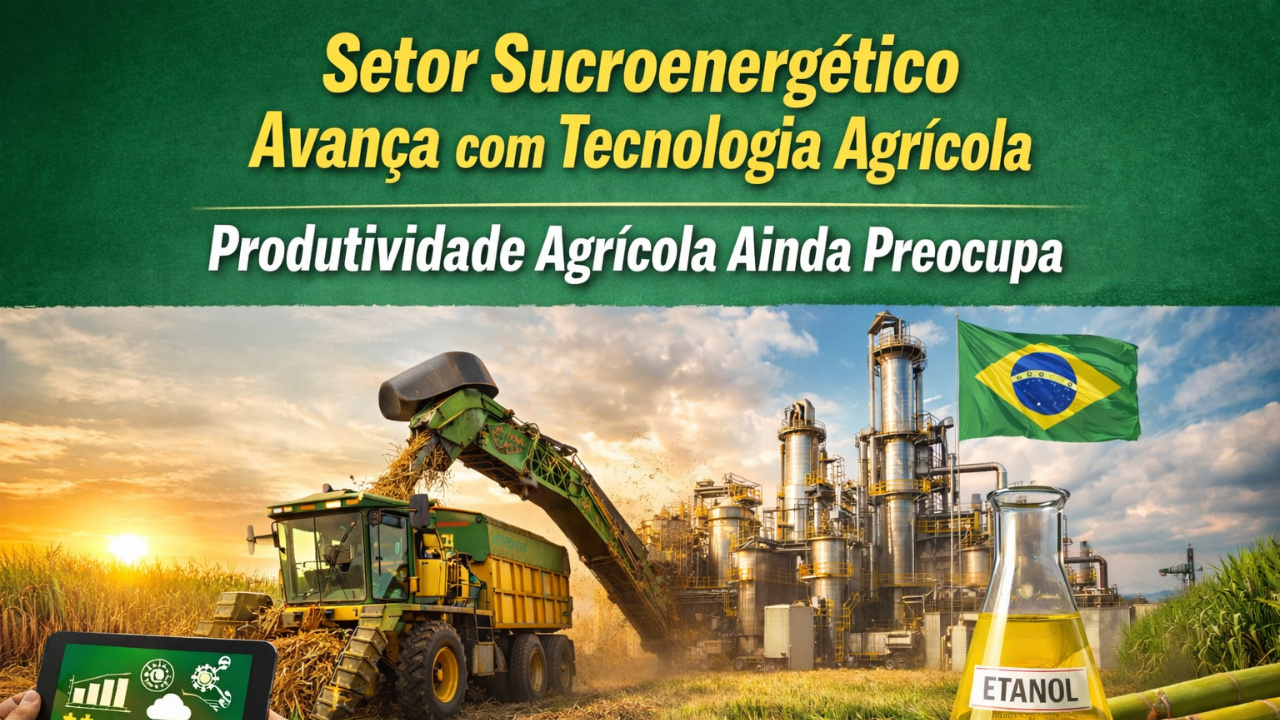
The sugar-energy sector advances with agricultural technology, but agricultural productivity still raises concerns.
-
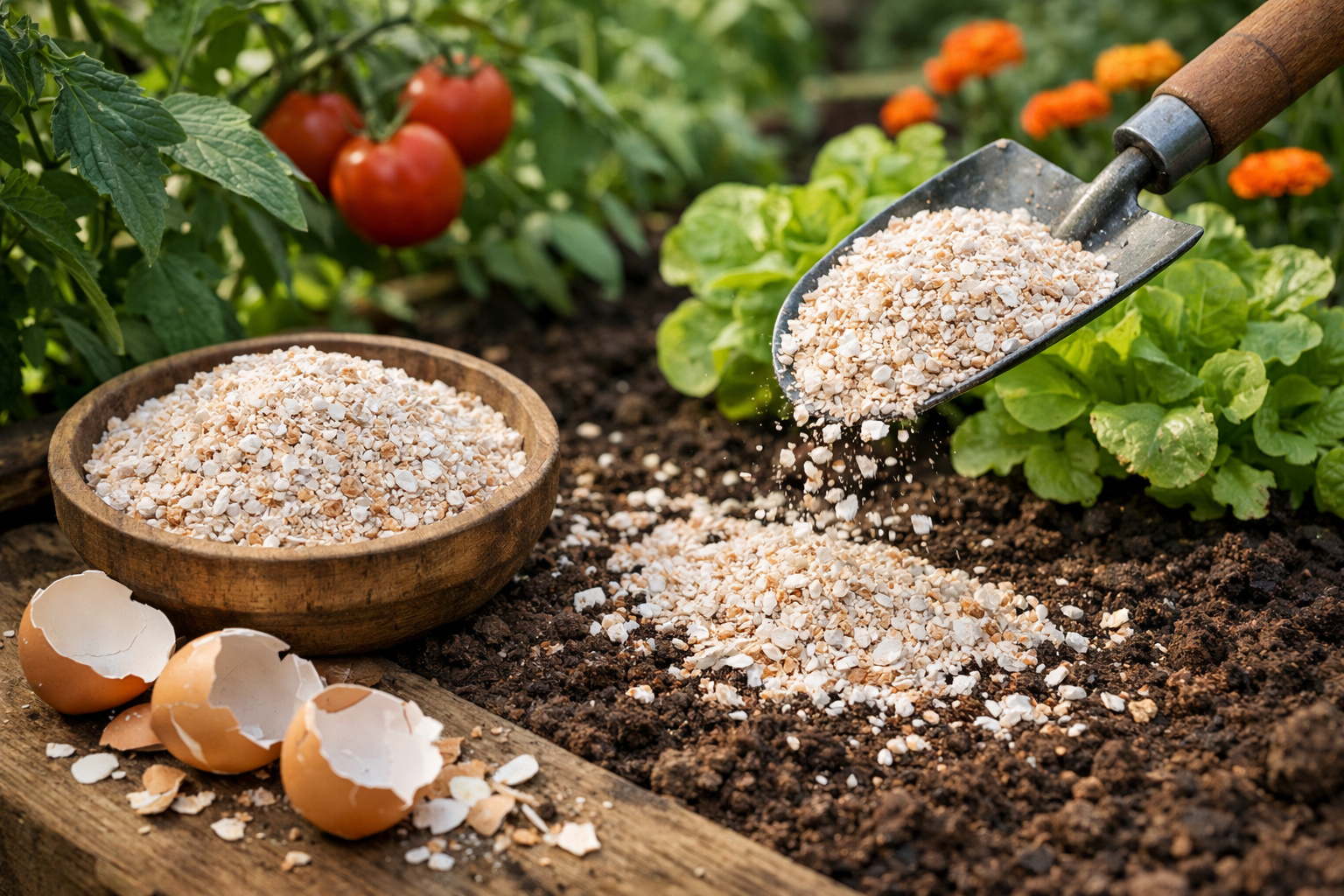
The eggshell that almost everyone throws away is made up of about 95% calcium carbonate and can help enrich the soil when crushed, slowly releasing nutrients and being reused in home gardens and vegetable patches.
-
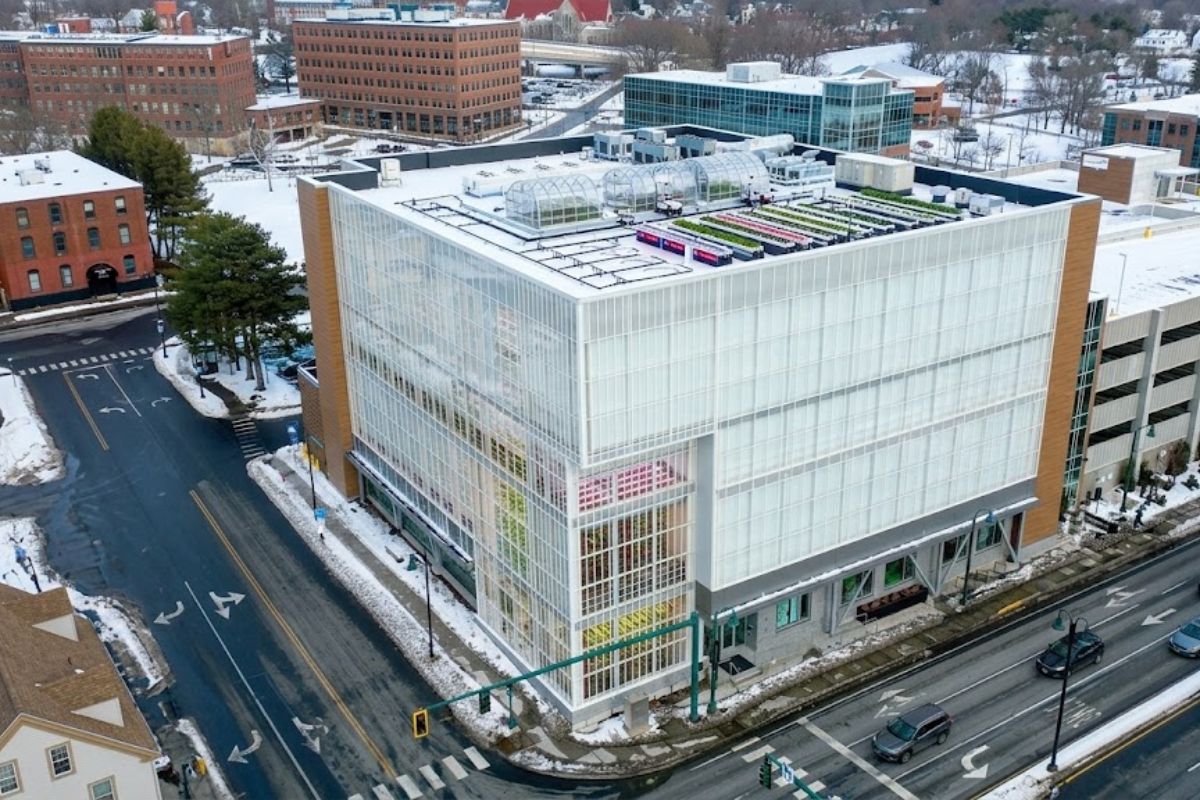
This farm in the United States does not use sunlight, does not use soil, and produces 500 times more food per square meter than traditional agriculture: the secret lies in 42,000 LEDs, hydroponics, and a system that recycles even the heat from the lamps.
-
The water that almost everyone throws away after cooking potatoes carries nutrients released during the preparation and can be reused to help in the development of plants when used correctly at the base of gardens and pots, at no additional cost and without changing the routine.


For comparison, this volume surpasses the annual corn production of several countries in Africa, Eastern Europe, and Central America.
This is not an exaggeration. It is industrial scale applied to the field.
How a Municipality Achieves Country-Level Numbers
Sorriso is located in the mid-north region of Mato Grosso, within Brazil’s main agricultural belt. The municipality has:
- Territorial area of over 9,000 km²
- Fertile soil with high agricultural aptitude
- Topography favorable to heavy mechanization
- Tropical climate with well-defined seasons
But the differential is not just geographical. It is technological.


Double Harvest and High-Level Mechanization
The majority of the corn produced in Sorriso is from the so-called second harvest (safrinha), planted immediately after the soybean harvest.
The system works like this:
- Soybeans are planted at the beginning of the rainy season
- Soybeans are harvested at the beginning of the year
- Immediately, corn is planted in the same area
- The corn develops by taking advantage of residual moisture
This model allows two annual harvests in the same area, multiplying the yield per hectare.
Additionally, the farms operate with:
- Large harvesters with platforms over 12 meters
- Precision agriculture via GPS
- Satellite monitoring
- Localized application of fertilizers
- Storage in their own silos
It is industrial-level production.
Production Comparable to Countries
To understand the magnitude of this achievement, it is worth providing context:
There are countries whose annual corn production ranges between 2 and 3 million tons. Sorriso alone has already surpassed this threshold.
This means that a single Brazilian city produces more corn than entire agricultural economies spread around the world. And this is not an isolated case.
Other municipalities in Mato Grosso, such as Lucas do Rio Verde and Nova Mutum, also present significant volumes.
The Economic Impact
Corn is not just a grain. It feeds entire chains:
- Poultry production
- Pork production
- Corn ethanol production
- Industrial feed
- Direct exports
A significant portion of Sorriso’s production supplies international markets, mainly in Asia and the Middle East.
Another share goes to Brazil itself, supporting the animal protein chain. The municipality has become a strategic piece in national and global food security.
Producing millions of tons is one thing. Transporting that volume is another. Sorriso depends on:
- Highways like BR-163
- Expanding railways
- Port terminals in the North and Southeast
Thousands of trucks leave the region during peak harvest. It is a constant flow that has transformed Mato Grosso into one of the largest logistical corridors for grains in the world.
What Explains This Concentration
Some factors help explain why production concentrates there:
- Large mechanized properties
- High level of capitalization
- Access to rural credit
- Structured cooperatives
- Strong integration with global trading companies
Additionally, the state of Mato Grosso is the largest corn producer in Brazil, and Sorriso leads within this context.
- The case of Sorriso shows something that few people realize:
- The global agricultural map is not defined solely by countries.
- Specific municipalities already operate on a global scale.
When discussing grain production, there are Brazilian cities with weight equivalent to that of entire nations. This changes the logic of the debate about food security, exports, and agricultural geopolitics.
The Agro on a Continental Scale
The production of 3.7 million tons of corn in a single municipality is not just a record.
It is a portrait of Brazil’s transformation into an agricultural power. Sorriso does not appear in international headlines like Washington, Beijing, or Paris.
But when it comes to corn, the municipality in Mato Grosso already operates at a level that many countries are still trying to achieve.
And this reveals something bigger: Brazilian agro has ceased to be regional. It has become global.










-

-

-

-

-

10 pessoas reagiram a isso.