





 Portuguese
  English
  Spanish
  5 min of reading
  1 comment


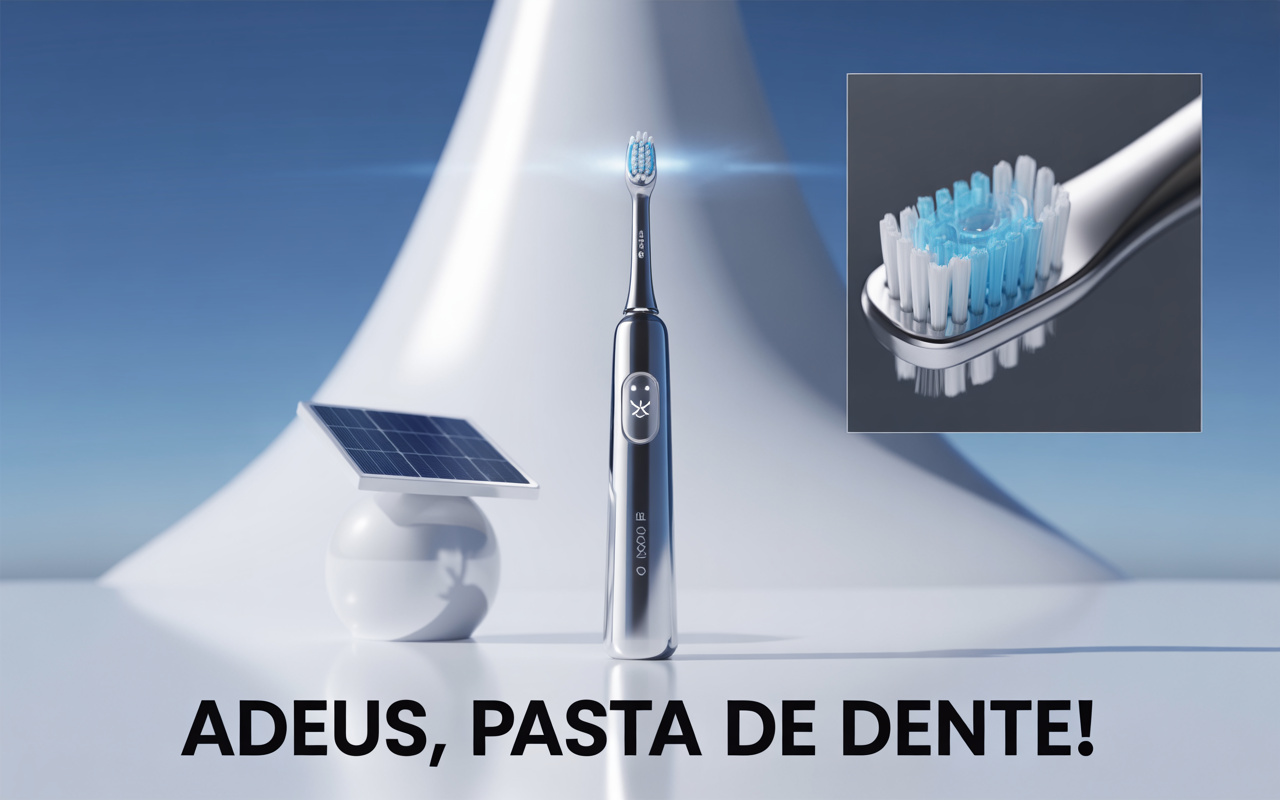


Japanese Technology Creates Solar-Powered Toothbrush That Uses Ions To Eliminate Bacterial Plaque And Doesn’t Even Need Toothpaste.
The End Of Traditional Toothbrushes? The Revolution In Oral Hygiene May Come From Where It Was Least Expected: Japan. While The Whole World Invests In Electric Toothbrushes And Automated Dental Floss, The Japanese Have Bet On A Silent, Sustainable, And Surprising Technology. It Is The Ion Toothbrush Powered By Solar Energy, An Invention That Promises To Eliminate Bacterial Plaque Simply Through The Use Of Light And Water, Without The Need For Toothpaste.
The Concept Seems Futuristic, But It Is Already Real. Models Like The Soladey Ion5 — Manufactured In Japan By The Shiken Company — Have Been In Clinical Trials For Years And Are Beginning To Gain International Popularity For A Simple Reason: They Clean Teeth With Efficiency Comparable (Or Greater) To Traditional Toothbrushes, Without Chemicals And With Nearly Zero Environmental Impact.
The End Of Common Toothbrushes And The Birth Of The Light-Powered Toothbrush: Science, Simplicity, And Japanese Innovation
The Idea Began In The 1980s, When Japanese Engineer Dr. Yoshinori Nakagawa, An Expert In Photocatalytic Technology, Observed That Certain Materials Reacted To Sunlight Releasing Negative Ions Capable Of Altering The Chemical Behavior Of The Dental Surface.
-
Motorola launched the Signature with a gold seal from DxOMark, tying with the iPhone 17 Pro in camera performance, Snapdragon 8 Gen 5 that surpassed 3 million in benchmarks, and a zoom that impresses even at night.

-
Satellites reveal beneath the Sahara a giant river buried for thousands of kilometers: study shows that the largest hot desert on the planet was once traversed by a river system comparable to the largest on Earth.

-
Scientists have captured something never seen in space: newly born stars are creating gigantic rings of light a thousand times larger than the distance between the Earth and the Sun, and this changes everything we knew about stellar birth.

-
Geologists find traces of a continent that disappeared 155 million years ago after separating from Australia and reveal that it did not sink, but broke into fragments scattered across Southeast Asia.

These Ions, Upon Contact With Saliva, Break The Electrostatic Bonds That Hold Bacterial Plaque Adhered To The Tooth Enamel, Making It Easier To Remove With Normal Brushing.
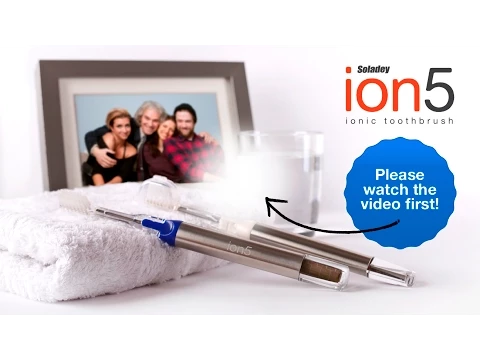

Based On This Principle, Nakagawa Created A Small Photosensitive Stick Of Titanium Dioxide (TiO₂) That Was Inserted Inside The Handle Of A Toothbrush.
When Exposed To Light — Solar Or Artificial — This Stick Releases Electrons That React With Saliva, Producing Negative Ions.
The Result Is A Natural Ionic Cleaning Process, Without Abrasives, Foam, And No Need For Fluoride.
How The Solar Ionic Toothbrush Works
Unlike An Electric Toothbrush, Which Uses Mechanical Vibrations To Remove Plaque, The Ionic Toothbrush Works At The Chemical Level. The Secret Lies In The Metal Rod That Extends Through The Interior Of The Handle To The Bristles.
The Functioning Can Be Summarized In Four Steps:
- Light Strikes The Titanium Dioxide (A Semiconductor Material Present In The Handle).
- The Material Releases Negative Electrons, Creating A Weak Current.
- This Charge Passes Through The Saliva And Attracts Positive Ions, Breaking The Bond Between Bacteria And Teeth.
- Bacterial Plaque Detaches And Can Be Removed Simply By The Light Friction Of The Bristles.
Clinical Research Conducted At Osaka University And Published In The Journal Caries Research Showed That The Process Significantly Reduces The Presence Of Bacteria Such As Streptococcus Mutans, One Of The Main Causes Of Cavities And Bad Breath.
A Curious Experiment: Half The Mouth With Toothpaste, Half Without
In Tests Conducted In Japanese Dental Clinics, Patients Were Instructed To Brush Half The Mouth With A Conventional Toothbrush And The Other Half With The Solar Toothbrush, Without Toothpaste.
After Four Weeks, The Exams Revealed That The Side Brushed With The Ionic Version Showed Up To 40% Less Plaque Formation And Better Oral pH Balance.
The Dentists Involved Highlighted That The Cleaning Does Not Depend On The Force Applied, But On The Electrochemical Action Of The Ions. This Makes The Toothbrush Ideal For People With Sensitive Gums, Children, And The Elderly — Groups That Typically Suffer From Excessive Abrasion Caused By Conventional Toothbrushes And Silica Toothpastes.
Futuristic Design And Impressive Durability
The Appearance Of The Toothbrush Is Discreet, But Its Design Reveals Japanese Efficiency. The Model Soladey Ion5, For Example, Features A Translucent Body That Allows Light To Pass And A Replaceable Photocatalytic Stick With An Impressive Lifespan Of About 5 Years.
The Bristles Can Be Replaced, And The Toothbrush Is Compatible With Any Lighting — From LED Bulbs To Natural Light.
Another Differential Is The Low Environmental Impact: Since It Doesn’t Require Batteries, Rechargeable Batteries, Or Toothpaste Refills, The Product Eliminates Plastic Waste Generation And Drastically Reduces Water Consumption, As It Dispenses With Foaming Rinse.
Less Chemistry, More Biotechnology
The Absence Of Toothpaste May Seem Strange At First, But Studies Show That It Is Not Essential For Mechanical Cleaning, Especially When Ionic Action Is Involved.
According To The Japan Dental Association Journal, The Oxidation Process Generated By Titanium Dioxide Inhibits Bacterial Growth And Helps Prevent Biofilm Buildup Even In Hard-To-Reach Areas.
Additionally, The Ionic Toothbrush Does Not Wear Down Enamel Or Alter The pH Of Saliva, Two Common Problems Associated With The Excessive Use Of Abrasive Products. For This Reason, It Is Being Identified As An Interesting Alternative For Patients With Tooth Sensitivity And Gum Diseases.
From Japan To The World
In Recent Years, The Light-Powered Toothbrush Has Crossed The Borders Of Japan. Similar Models Are Already Being Sold In Europe And Canada, And Companies Such As Soladey, Ionic Care, And Dr. Tung’s Have Started Adapting The Concept For Western Markets.
The Technology Has Also Attracted The Interest Of Startups Focused On Sustainability And Plastic-Free Products. Some Are Developing Versions With Bamboo Handles And Removable Photocatalytic Sticks, Maintaining The Same Operating Principle.
In Brazil, Although Still Little Known, The Toothbrush Can Be Purchased By Import, And Some Dentists Are Already Using Prototypes For Studies In Public Universities And Private Clinics.
A Trend For The Future Of Oral Hygiene
Experts Believe That The Advancement Of Ionic Toothbrushes Represents A Paradigm Shift In Oral Hygiene. The Focus Is Shifting From Chemical Products And Flavored Toothpastes To Clean, Sustainable, And Long-Term Technologies.
Furthermore, The Simplicity Of The Solar Toothbrush Makes It Especially Useful In Places With Water Scarcity — Just A Cup Is Enough To Rinse And Activate The Process.
Japanese Dentists Claim That The Next Generation Of Photocatalytic Toothbrushes Could Include Antibacterial Nanotechnology And Cleaning Sensors, Capable Of Indicating When Brushing Was Effective.
In A World Where Everything Seems To Depend On Batteries, Apps, And Constant Consumption, The Ionic Toothbrush Takes The Opposite Route: It Uses Only Light, Saliva, And Science.
There Is No Foam, Noise, Or Waste. Just A Stick Of Titanium, A Little Light, And The Same Gesture As Always — Brushing Teeth.
If The Predictions Come True, This Small Japanese Invention Could Retire Millions Of Traditional Toothbrushes In The Coming Years And Redefine The Way We Take Care Of Our Oral Health.








I must say this article is extremely well written, insightful, and packed with valuable knowledge that shows the author’s deep expertise on the subject, and I truly appreciate the time and effort that has gone into creating such high-quality content because it is not only helpful but also inspiring for readers like me who are always looking for trustworthy resources online. Keep up the good work and write more. i am a follower.