





 Portuguese
  English
  Spanish
  5 min of reading
  2 comments


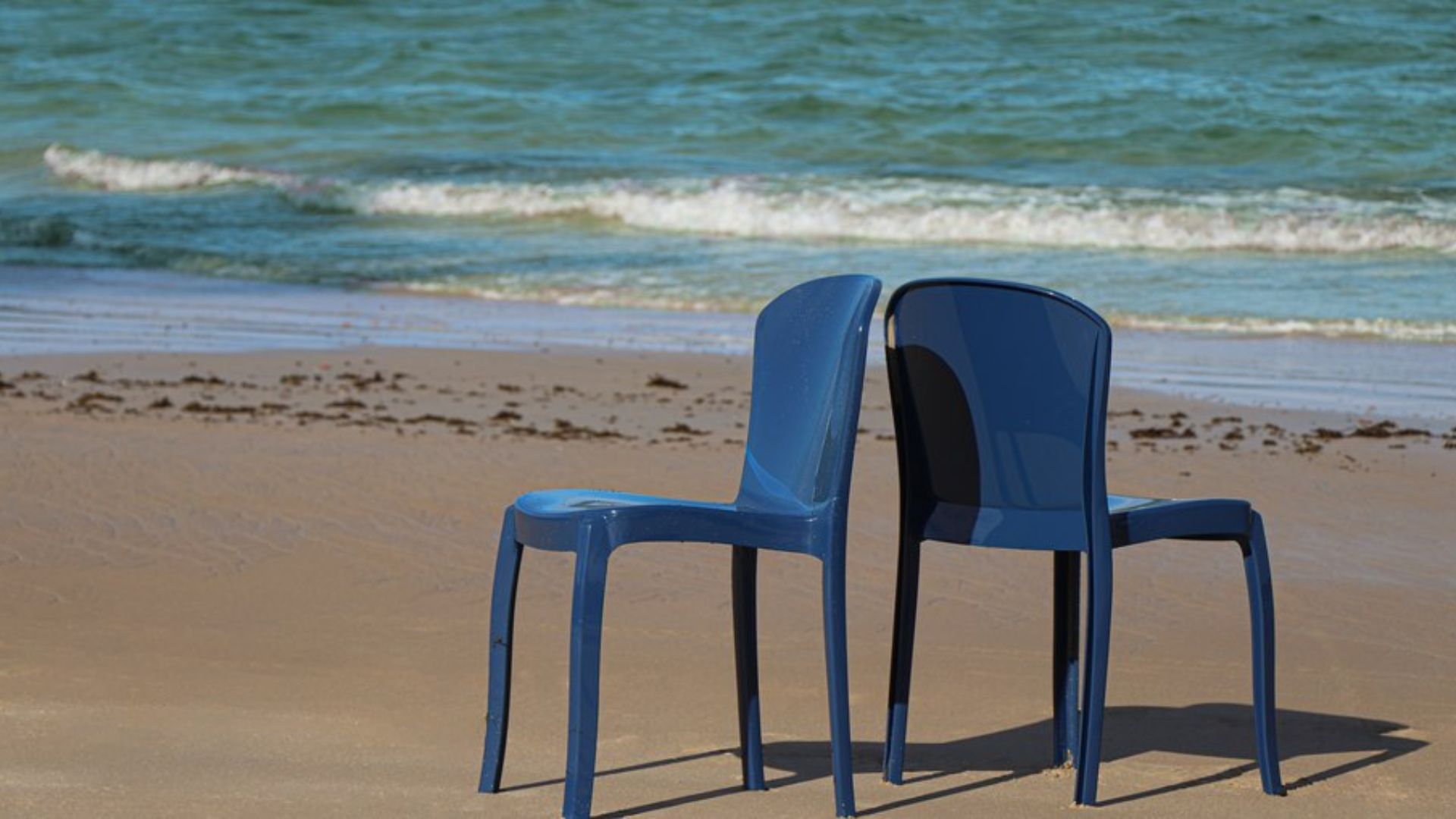


Tramontina Product Transforms Waste Removed From Brazilian Coast Into Everyday Furniture, Combines Recycling, Traceability, And Structural Resistance, Integrates Broader Environmental Strategy Of The Company, And Symbolizes Progress In Industrial-Scale Plastic Repurposing, Connecting Coastal Cleaning Actions To The National Productive Chain.
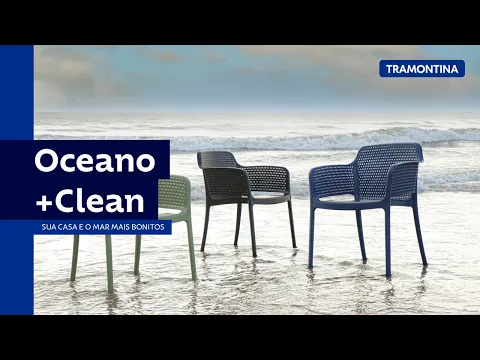
Tramontina has launched the Marina chair, made from recycled plastic collected from coastal areas in Brazil and incorporated into the Oceano +Clean line.
According to the company, the model supports up to 154 kg, uses raw materials with full traceability and is part of an initiative that reached the milestone of 1,000 tons of recycled plastic by 2025.
The launch targets a problem accumulating on the coast and also in the waters: the massive presence of plastic waste on beaches and marine environments.
-
Friends have been building a small “town” for 30 years to grow old together, with compact houses, a common area, nature surrounding it, and a collective life project designed for friendship, coexistence, and simplicity.

-
This small town in Germany created its own currency 24 years ago, today it circulates millions per year, is accepted in over 300 stores, and the German government allowed all of this to happen under one condition.

-
Curitiba is shrinking and is expected to lose 97,000 residents by 2050, while inland cities in Paraná such as Sarandi, Araucária, and Toledo are experiencing accelerated growth that is changing the entire state’s map.

-
Tourists were poisoned on Everest in a million-dollar fraud scheme involving helicopters that diverted over $19 million and shocked international authorities.


The company claims that the material used in the product comes from collection actions carried out in partnership with organizations that work on cleaning and correctly disposing of the waste removed from the coast.
From The Coast To The Furniture Industry
The Marina chair uses plastic collected during cleaning campaigns organized with partner NGOs, including Eco Local Brazil.
In these efforts, volunteers and support teams remove waste from sand strips and points close to the sea, separating what can be sent for recycling.
After collection, the material goes through sorting and processing stages until it becomes industrial input.
Tramontina informs that, in the case of the chair, the recycled plastic used has traceable origin, which allows tracking the provenance of the waste and the stage at which it enters the production process.
By linking the supply to cleaning actions, the company states that it aims to provide a destination for plastics that often end up dispersed along the coast.

Nevertheless, the chair is not made solely from coastal waste, and the very composition reveals this balance between repurposing and technical performance.
Materials And Resistance Of The Marina Chair
In addition to the recycled plastic collected from the coast, the Marina chair contains polypropylene and fiberglass, according to Tramontina.
The combination is presented as a way to ensure resistance and durability, characteristics required of furniture intended for frequent use.
In the sheet released by the company, the stated load capacity is up to 154 kg.
Tramontina also positions the product as an item aimed at everyday consumption, indicating that the model comes as a more accessible proposal within the line using recycled plastic from coastal areas.
“The Marina Chair brings a more accessible proposal to the Oceano +Clean line, without compromising on quality and the sustainable purpose that guides us. It is a product that popularizes access to responsible design,” highlights Igor Arregui, director of Tramontina.
Oceano +Clean Project And The Milestone Of 1,000 Tons
The company associates the launch of the chair with the advancement of its strategy of using waste as raw material.
As reported by Tramontina, 2025 recorded a total of 1,000 tons of recycled plastic achieved under the project linked to the Oceano +Clean line.
This type of figure tends to attract the attention of consumers and the sector because it translates, in volume, how much material has stopped going for improper disposal and has been reintegrated into the productive chain.
However, the brand does not publicly detail how this total is distributed across products, lines, or periods within the year.
Even without this detail, the data appears as one of the pillars of the announcement and supports the narrative of scale of the initiative.
By reinforcing the number, Tramontina indicates that the use of recycled plastic is not limited to a specific item but is part of a broader set of industrial actions.

Plastic In The Oceans And The Productive Sector’s Response
The volume of plastic waste in aquatic environments is treated by international organizations as a growing problem, with environmental and social impacts.
Widely cited estimates indicate that millions of tons of plastic enter rivers, lakes, and oceans every year.
A significant portion of this material fragments and remains in the environment for long periods.
Within this scenario, companies have been seeking solutions ranging from reducing packaging to replacing raw materials and increasing recycling.
The proposal to transform collected plastic from the coast into furniture fits into this logic of repurposing.
The initiative connects a high-volume waste to a product that can remain in use for years.
Sustainability And The Tramontina Transforma Platform
The Oceano +Clean is not the only front of Tramontina linked to the theme of sustainable plastic.
The company also maintains initiatives such as the ECO line, produced with recycled polypropylene, and the Circular Economy, made with post-consumer resins.
These actions are part of the Tramontina Transforma platform.
According to the company, the set brings together projects on sustainability, reforestation, environmental management, and innovation in materials.
In practice, the strategy indicates that recycling and redesigning inputs occupy a central role in the company’s production.
The advancement of this type of program depends on collection, sorting, and recycling infrastructure chains.
In citing NGOs and campaigns, Tramontina indicates that part of the supply of waste goes through local networks and organized actions along the Brazilian coast.
With the Marina chair already available and associated with volume and traceability goals, to what extent can products made with plastic collected from the coast gain scale and concretely change the destination of the waste that currently reaches the sea?









Começar a Semana com uma notícia EXCELENTE, alivia a alma!
Parabéns Tramontina e vocês que souberam RECICLAR as notícias! Marília
Gostaria de contato da Tramontina pra levar uma ideia de reciclagem