





 Portuguese
  English
  Spanish
  6 min of reading
  0 comments


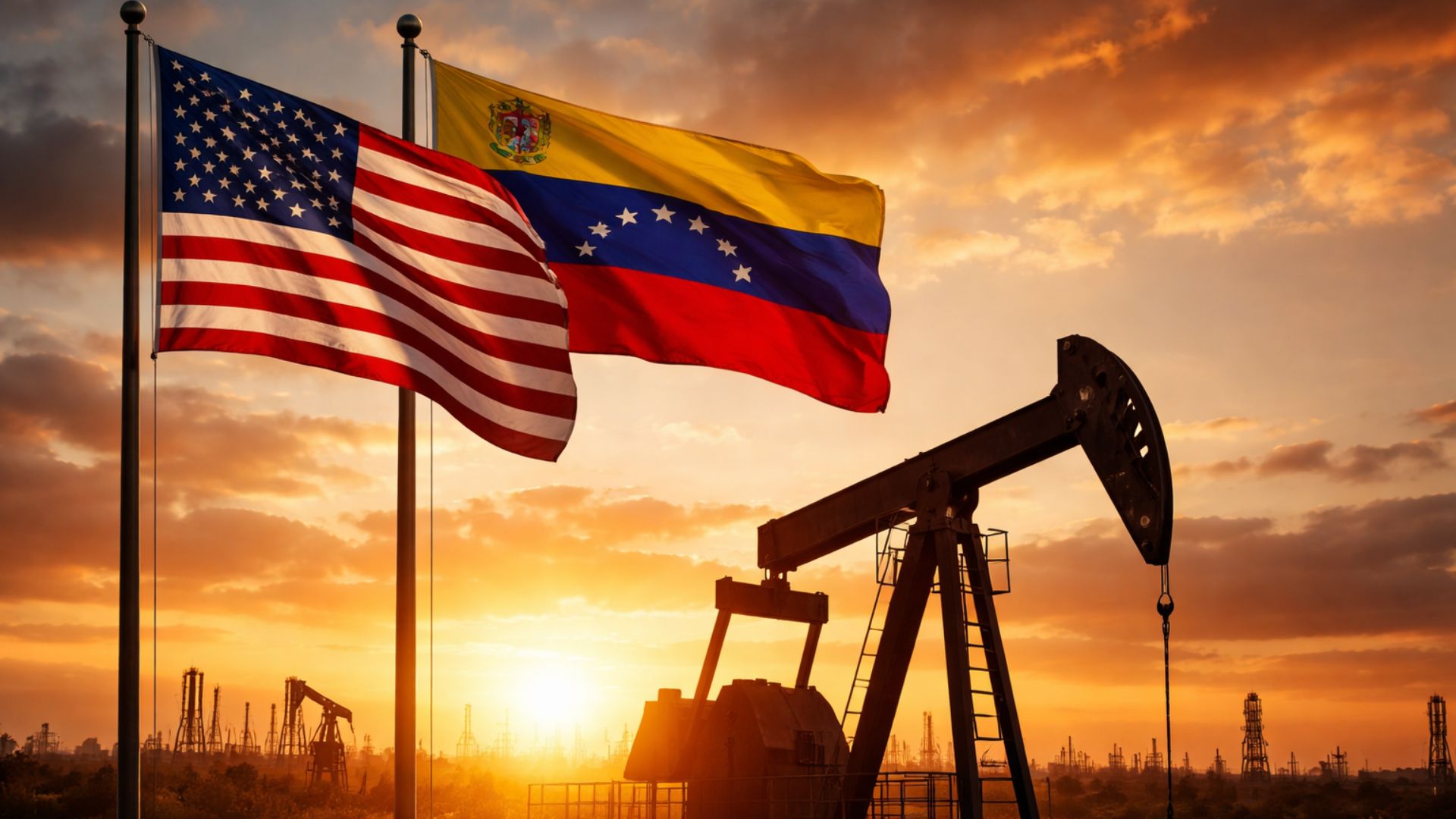
U.S. Secretary of Energy’s Visit to Caracas Reignites Debate on Oil in Venezuela, Energy Production, and Economic and Political Impacts on the International Scene.
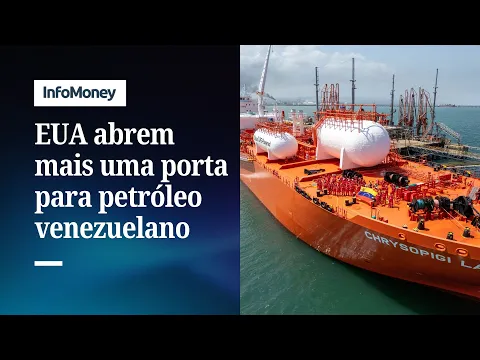
On February 11, 2026, the U.S. Secretary of Energy landed in Caracas, Venezuela, on a significant visit for the oil sector and international geopolitics. The official agenda was released by international news agencies and highlighted strategic meetings with Venezuelan government officials and executives from major oil companies. The central objective is to assess, recover, and stimulate Venezuelan oil production, which has faced years of decline and structural challenges.
Understand the Context of the U.S. Secretary of Energy’s Visit to Caracas
The visit occurs at a sensitive moment in diplomatic relations between the two countries, marked by decades of political tension, economic sanctions, and ideological differences. At the same time, it represents an attempt at pragmatic rapprochement, primarily focused on energy.
The movement also comes after the issuance of a new general license from the United States that facilitates oil and gas exploration and production operations in Venezuelan territory, opening up opportunities for greater involvement of foreign companies.
-
Petrobras evaluates suspension of sales to distributors and considers canceling the cooking gas auction following guidelines from the Federal Government.
-
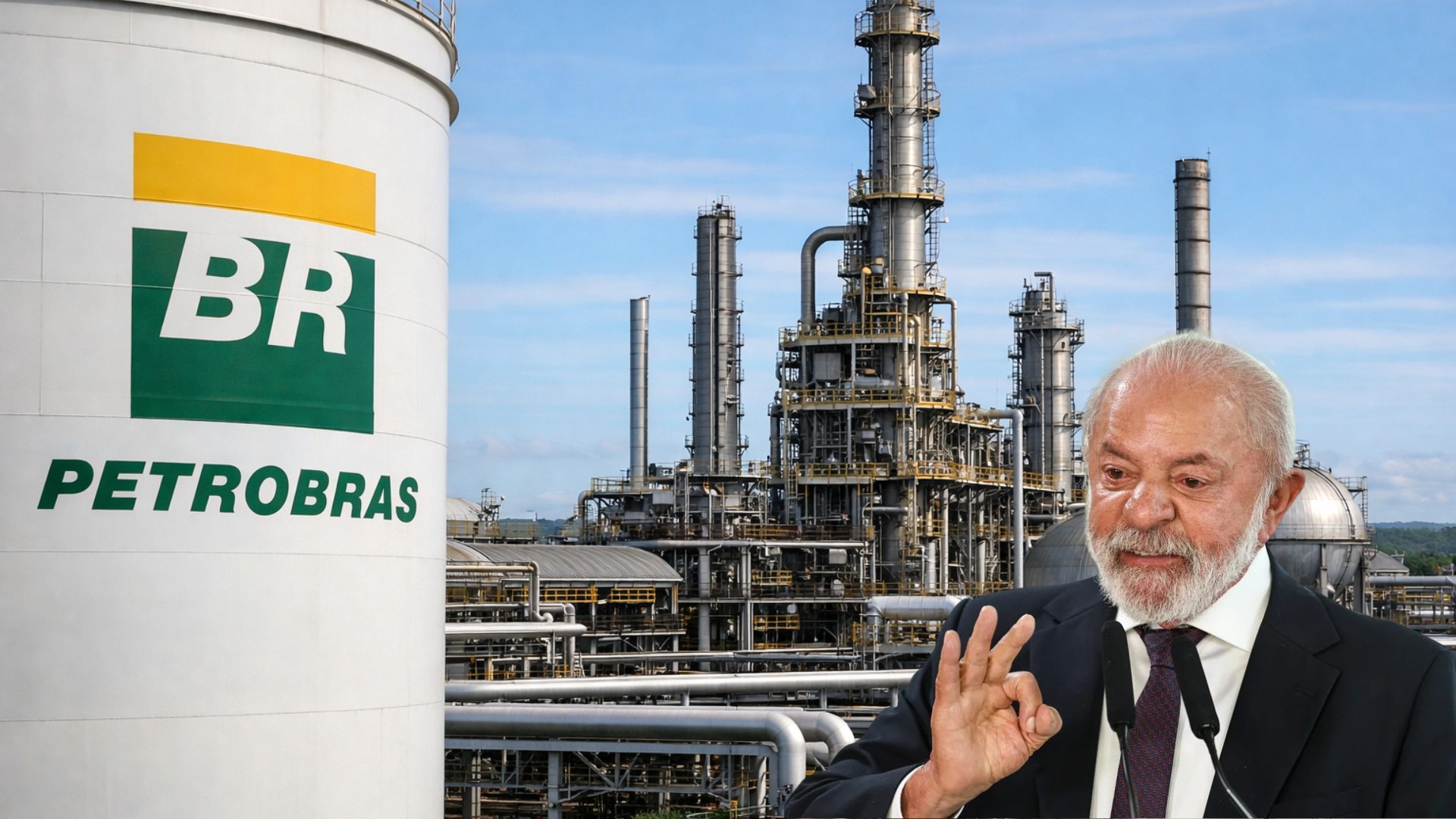
Lula reveals a masterstroke by Petrobras to undo a deal made by Bolsonaro, which involves the return of an important refinery that currently produces less than half of what was expected and makes Brazil dependent on international diesel.
-
A study confirms that the natural gas sector will reduce greenhouse gas emissions in Brazil by 0.5% and accelerate the energy transition by 2026.

-
Petrobras implements a severe adjustment and confirms a 55% increase in the price of aviation kerosene with a proposal for installment payments for the companies.

This scenario positions the Secretary of Energy’s trip as a high-impact event for international markets, governments, and investors. Oil returns to the center of global strategic decisions, and Venezuela, holding one of the largest proven reserves in the world, regains relevance in discussions about energy supply and price stability.
U.S. Secretary of Energy in Caracas: What Motivated the Visit
The presence of the U.S. Secretary of Energy in Caracas is not merely symbolic. It is a strategic initiative that involves economic, diplomatic, and energy interests.
Venezuela is part of the Organization of the Petroleum Exporting Countries and has estimated reserves of hundreds of billions of barrels, but faces difficulties in maintaining competitive production levels due to years of financial restrictions, international sanctions, and lack of investment in infrastructure.
The American mission seeks to reassess the country’s productive potential and stimulate partnerships that allow for technological modernization and increased operational efficiency. Additionally, the visit occurs after regulatory authorizations that allow greater flexibility for companies in the sector to operate in Venezuelan territory, which may represent a new phase of economic cooperation.
Another relevant factor is the geopolitical context. The energy dependence of various nations and the need to diversify suppliers mean that any movement involving large oil reserves has immediate repercussions on the international stage. In this sense, the trip is not limited to protocol meetings but represents an attempt at long-term strategic repositioning.

Meetings with Oil Companies and Venezuelan Authorities
During his stay in Caracas, the Secretary of Energy held meetings with representatives of the Venezuelan government, including officials linked to the oil sector, as well as executives from multinationals with operations in the country. Among the companies mentioned in international reports are Chevron and the Spanish Repsol, two companies with a significant history of operations in Venezuelan energy exploration.
These meetings are both technical and political in nature. The primary focus is to discuss investment viability, legal security, modernization of facilities, and the gradual resumption of production. Issues related to logistics, refining, and export are also on the agenda, critical points for the sustainability of the local oil sector.
Another important aspect of the agenda is the visit to operational projects in the country’s main production area, the Orinoco Belt. The region concentrates a large portion of Venezuela’s reserves and is seen as a central piece for any economic recovery plan related to oil. Field analysis allows for the evaluation of infrastructure, technology employed, and potential for expansion.
Venezuelan Oil and the Resumption of Energy Production
Oil production in Venezuela was once among the largest in the world. However, in recent years, the country has experienced a significant decline in its production indices. Maintenance issues, limitations on foreign investments, and political instability have contributed to the reduction in the volume extracted and exported.
The resumption of production is seen as a turning point for the Venezuelan economy. Oil represents one of the main sources of revenue for the country and directly influences growth indicators, job creation, and state revenue. A potential recovery in production could generate positive effects not only internally but also in international markets that rely on energy supply.
According to industry studies, technological modernization is essential for this progress. Investment in equipment, workforce training, and international partnerships are considered pillars for Venezuela to expand its participation in global oil trade once again. In this context, the visit from the American representative signals an openness for technical and financial cooperation.
Economic Impacts and Reflexes in the International Energy Market
The global oil market is highly sensitive to political and diplomatic movements. Any sign of increased supply or changes in production from large reserves tends to influence prices and strategic decisions by other producing countries. The potential recovery of Venezuelan production may contribute to greater balance between supply and demand, reducing volatility in certain periods.
Moreover, investors are closely watching the possibility of new business opportunities. Exploration, refining, transportation, and energy technology companies may find room for expansion if the regulatory environment becomes more favorable. This does not mean immediate growth, but indicates potential for the medium and long term.
The rapprochement between the U.S. and Venezuela may also alter trade flows, export routes, and bilateral agreements. Importing countries follow these movements with caution, as changes in supply dynamics affect production costs and fuel prices on a global scale.
Geopolitics of Oil and Strategic Repositioning of the U.S.
The Secretary of Energy’s visit reinforces the importance of oil as an instrument of international influence. The relationship between energy and foreign policy is historical, and Latin America holds a strategic position in this context. Venezuela, holding vast reserves, has always been at the center of diplomatic disputes involving major powers.
The American repositioning seeks to expand regional influence and reduce external dependencies in a global energy competition scenario. At the same time, the initiative may be interpreted as an attempt to balance against the presence of other nations with economic interests in Venezuelan territory.
This movement also evidences that energy decisions transcend economic realms. They involve national security, regional stability, and long-term strategies. Oil remains a determining resource for public policies and international relations, even amid the advance of renewable sources.
Political Challenges and Uncertainties Regarding the Recovery of the Sector
Despite positive expectations, the scenario is not without risks. The recovery of the Venezuelan oil industry depends on political stability, legal security, and continued investments. Internal or external changes can quickly alter the business environment and jeopardize expansion plans.
There are also questions about the country’s structural capacity to absorb new investments efficiently. Outdated infrastructure, bureaucracy, and economic instability are factors that require constant attention. Experts point out that the sector’s recovery does not occur immediately and demands consistent planning.
Additionally, international perception directly influences business decisions. Investor confidence is built gradually and depends on clear signals of predictability and transparency. Without these elements, productive resumption tends to occur more slowly.
A Movement That Could Redefine the Global Energy Map
The arrival of the U.S. Secretary of Energy in Caracas marks a symbolic and strategic moment for the oil sector. The visit represents more than a diplomatic meeting: it signals possible changes in the international energy dynamics. Venezuela returns to the center of discussions regarding oil production and supply, while the United States demonstrates interest in participating in this recovery process.
The developments of this initiative still depend on political, economic, and structural factors, but the initial impact is already perceptible. Markets closely monitor every step of the negotiations, governments assess potential partnerships, and companies explore opportunities. Oil remains a central element in global decisions, and the recent movement highlights that energy balance continues to be a key piece in contemporary geopolitics.









-

Uma pessoa reagiu a isso.