





 Portuguese
  English
  Spanish
  4 min of reading
  0 comments


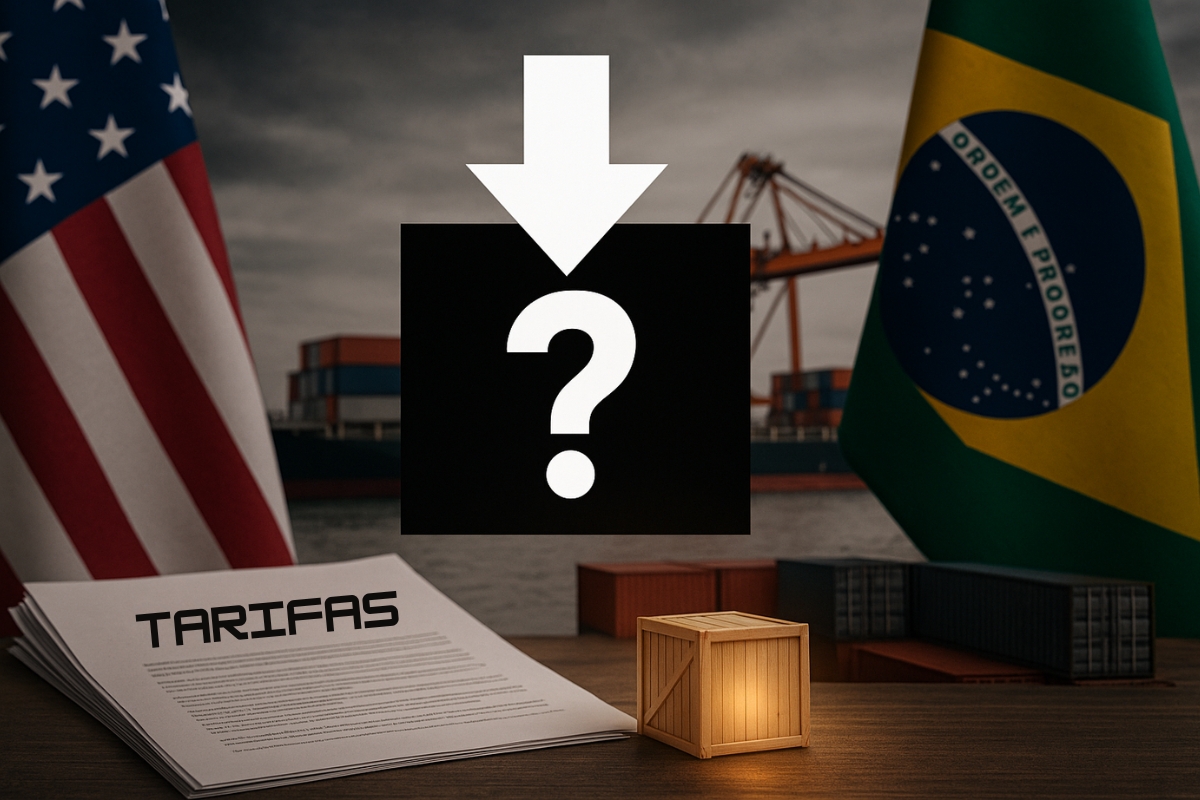
The Partial Retreat of US Tariffs Opens Space for an Unexpected Brazilian Sector to Gain Strength in Exports, While Brasília Pushes for a Broader Agreement to Remove the 40% Tariff
The decision of the Donald Trump administration to withdraw part of the additional ten percent tariff imposed since April has reignited diplomatic discussions between Brasília and Washington. Vice President Geraldo Alckmin stated that the change raised the total Brazilian exports entering the United States without surcharges from twenty-three to twenty-six percent.
The volume represents about ten billion dollars in sales and includes products such as coffee, beef, açaí, nuts, cassava, tapioca, and tropical fruits.
The partial retreat, however, does not alter the core of the 40% tariff that has been active since August and continues to be the biggest source of tension in trade relations between the two countries.
-
The largest food company on the planet, JBS, has just opened a 4,000 square meter laboratory in Florianópolis to develop customized proteins that modulate muscle mass gain, immune response, and metabolic performance.

-
After nearly 30 bids and competition among industry giants, a Spanish company purchases one of the largest airports in Brazil for almost R$ 3 billion and takes over the management of Galeão in a concession that will last until 2039.

-
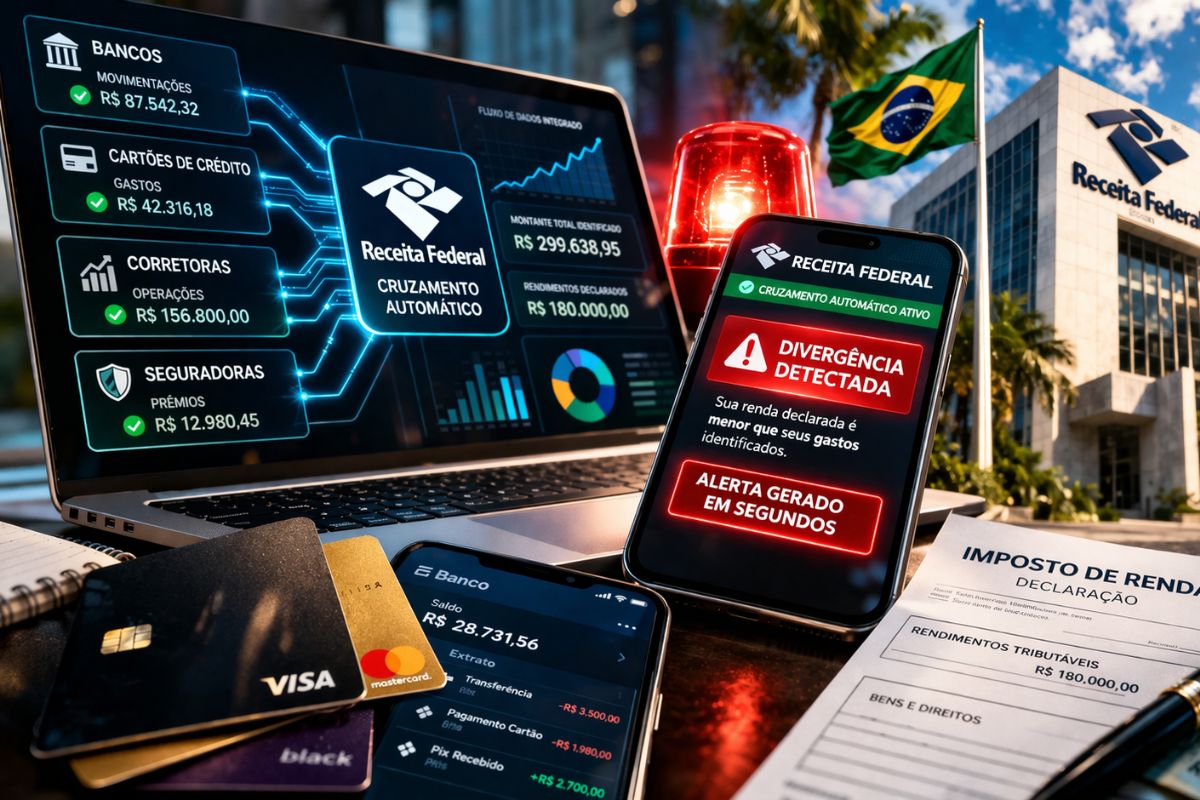
The Federal Revenue Service now automatically cross-references everything you declare with data from banks, credit cards, brokerage firms, and insurance companies, and any discrepancy between your income and your expenses triggers an alert in seconds.
-
Amid global tensions, Brazil blocks the United States’ proposal at the WTO and paves the way for a trade crisis and possible retaliations.
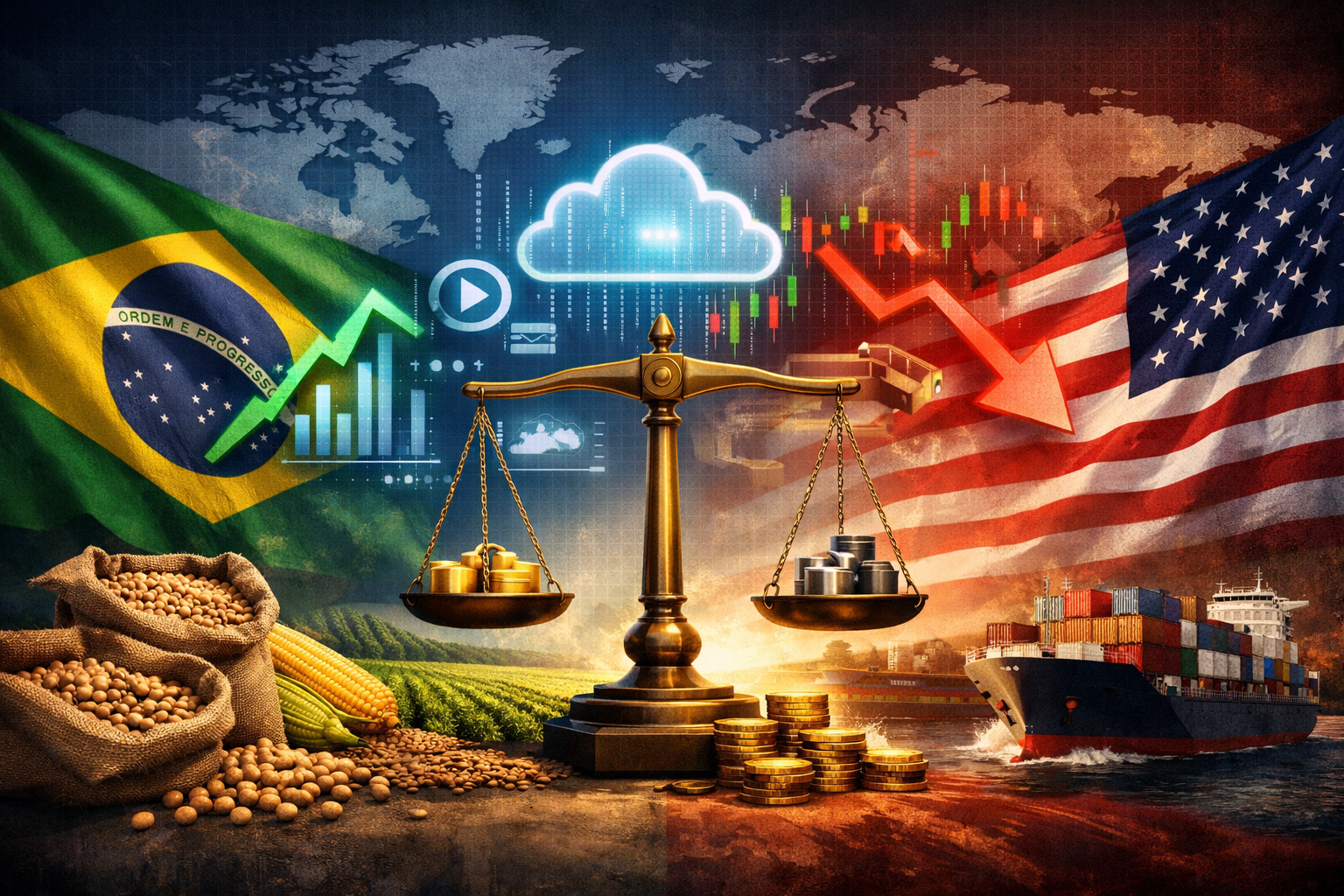

The tariffs from July were adopted following the judgment of former President Jair Bolsonaro and pushed a large part of Brazilian goods to a total cost of fifty percent when added to the ten percent set in April.
Orange Juice Establishes Itself as the Main Winner
Among all the items exported by Brazil, orange juice was the biggest beneficiary of Friday’s announcement. The product was already free from the forty percent tax and is now also exempt from the additional ten percent, ensuring full entry into the American market.
Brazil exports around one billion two hundred million dollars worth of orange juice to the United States each year, which accounts for forty percent of all Brazilian volume shipped abroad. Industrial production is concentrated in the State of São Paulo and directly depends on American demand.
Other sectors remain pressured. Coffee, despite being one of the most consumed Brazilian products in the US, will continue to be subject to the forty percent tariff. Alckmin stated that he considers this charge disproportionate and emphasized that the government should insist on reduction during the upcoming negotiation rounds.
He, Fernando Haddad, and Chancellor Mauro Vieira coordinate the diplomatic strategy that is set to gain momentum after COP 30 in Belém.
Political Advance Between Lula and Trump and the New Climate in Negotiations
The partial tariff reduction is not directly part of the formal table between the two governments, but it signals a more favorable environment for advancements. Since the quick meeting between Lula and Trump at the UN General Assembly in September, there has been a diplomatic rapprochement. The presidents met again in October in Malaysia to discuss the matter.
This week, Mauro Vieira and Secretary of State Marco Rubio spoke twice, first in Canada and then in Washington. Vieira stated that he believes an agreement defining a formal work roadmap may emerge this month.
A document of this type would help unlock sensitive issues and allow the process to be completed in two or three months. Brazil sent a counterproposal on November fourth, responding to a list presented by the Americans on October sixteenth.
Lula has not yet publicly commented on the flexibility announced on Friday, but government members see the gesture as a sign that the United States is beginning to recalibrate its tariff policy in light of internal pressure.
Inflation and Domestic Pressure Help Explain the Change in Course
The document signed by Trump on Friday mentions that the review of tariffs considered technical reports, the progress of international negotiations, and domestic demand for certain products. The US government faces increasing criticism due to inflation, especially in food, which rose two point seven percent over the past twelve months according to the latest official report.
The coffee is one of the most sensitive cases. American imports of the Brazilian product fell forty-seven percent in September, compared to the same month in two thousand twenty-four. The restriction increased the final cost to consumers and pressured the government to seek alternatives to avoid further increases.
The American president even admitted in a private conversation with Lula in early October that the United States was missing some Brazilian products.
A similar situation involves hoses and guavas. Brazil is the fourth largest supplier of these items to the American market and shipped fifty-six million dollars worth in two thousand twenty-four. The tariffs caused order cancellations and left producers with stagnant goods. Beef completes the picture.
Even as a major producer, the United States faces the smallest herd in seventy-four years due to prolonged droughts and high costs. The reduction in tariffs also interests American consumers, who have been facing higher prices in supermarkets.
The partial relaxation shows that, although Trump insists that tariffs would not increase the cost of living, economic effects weigh more than political rhetoric. For Brazil, the change represents a concrete opportunity to advance the elimination of the forty percent tariff, a central goal of the upcoming talks between the two countries.






-

Uma pessoa reagiu a isso.