





 Portuguese
  English
  Spanish
  3 min of reading
  0 comments


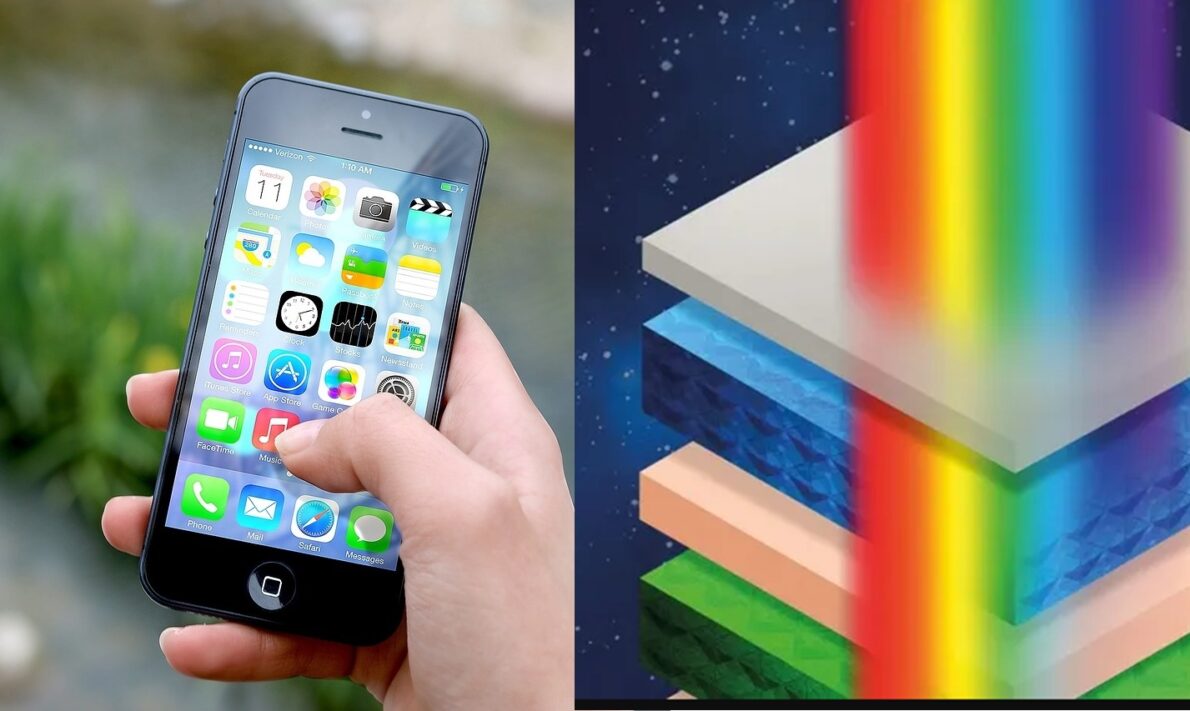
Energy Revolution: New Ultrafine Solar Coating Promises to Transform Phone Cases and Electric Vehicles into Small Generators of Sustainable Energy for a Green Future
Researchers have developed the world’s first flexible solar panel, capable of being integrated into various objects, including electric vehicles, thus functioning as a portable energy source. This innovation is the result of a revolutionary approach that enabled the creation of solar cells that are 150 times thinner than traditional silicon solar panels, without compromising energy generation efficiency.
This new technology opens up the possibility of application on almost any surface, such as electric vehicles or smartphone cases, transforming these objects into portable chargers and eliminating the need for large solar installations, according to the scientists involved in the project.

Advances in Solar Panel Technology for Electric Vehicles
The developed material has a thickness of just over one micron (0.001 mm). This invention has been certified by the National Institute of Advanced Industrial Science and Technology of Japan (AIST) and will be detailed in a scientific study to be published soon.
-
The Brazilian state accelerates industrial competitiveness with a focus on the extraction of strategic minerals to boost the energy transition in Goiás.

-
A Canadian retiree creates a hydroelectric system on a real river, generating energy continuously throughout the day and demonstrating how the power of water can supply a house with stability even in a simple structure.

-
Petrobras reaffirms its commitment to the market and ensures that it will carry out the energy transition safely to maintain national sovereignty.

-
Researchers discover a possible hydrogen deposit of up to 46 million tons beneath an ancient coal basin, and the volume could exceed half of the entire global production.


Researchers at the University of Oxford used perovskite structures to create the new photovoltaic material, capable of converting sunlight into electrical energy. Perovskite is a synthetic version of naturally occurring calcium and titanium crystals that can be produced relatively economically in laboratories or factories.
Like silicon, perovskite generates an electric charge when exposed to sunlight, offering a new form of energy that can be used in flexible solar panels, ideal for electric vehicles.
Renewable Energy and the Future of Electric Vehicles
Since the late 2000s, scientists around the world have been striving to explore the benefits of perovskites, often described as the “holy grail” of solar energy.
In theory, they allow the manufacture of lightweight, flexible solar panels that are cheaper than conventional silicon cells. This represents a significant advancement for integrating solar panels into electric vehicles, making renewable energy even more accessible and practical.
Despite their enormous potential, a significant challenge has been the durability of perovskites. They are particularly vulnerable to damage caused by moisture and tend to degrade rapidly when exposed to air, due to unstable chemical reactions.
However, over time, researchers have discovered that perovskites can be stabilized in layered structures, like tandem cells, which combine perovskites and silicon cells. This can enhance the durability and efficiency of solar panels, especially in applications for electric vehicles.
The Oxford team adopted a “multi-junction“ strategy, where multiple light-sensitive layers, each tuned to different wavelengths of light, are combined. This increases the overall light sensitivity of the solar material, representing a significant advancement in the field of renewable energy.
With this discovery, the future of solar energy becomes even more promising, bringing the prospect of more accessible, versatile, and efficient solar panels that can be applied to a wide range of devices and surfaces, including electric vehicles, further democratizing access to clean and renewable energy.








Seja o primeiro a reagir!