





 Portuguese
  English
  Spanish
  2 min of reading
  0 comments


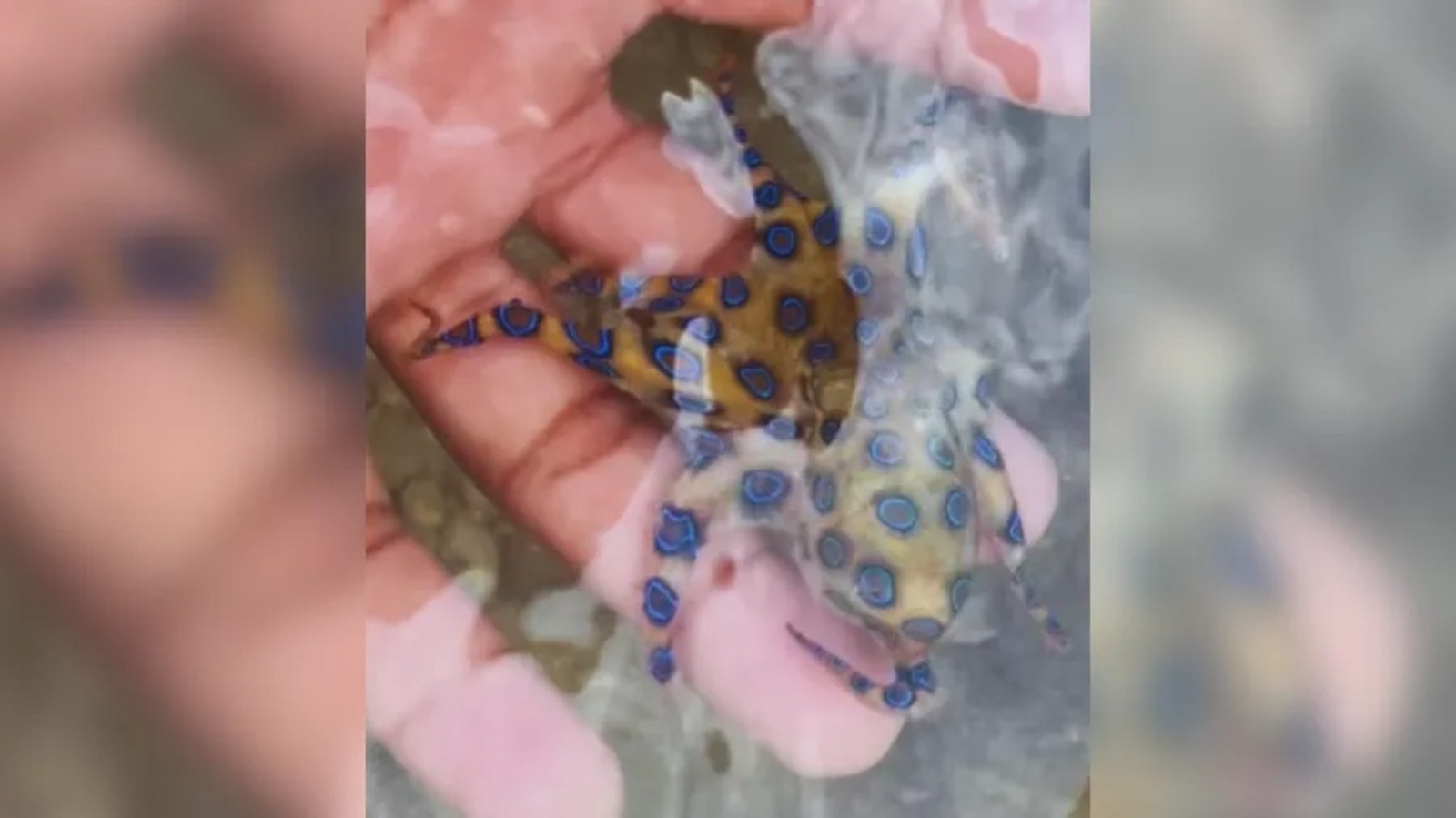
British Tourist, 73, Handles Blue-Ringed Octopus on Philippine Beach, Video Surpasses 500 Thousand Views in Less Than a Day and Exposes Fatal Risk Associated with the Species Toxin
A 73-year-old British tourist handled a blue-ringed octopus on a beach in the Philippines, unaware of the fatal risk from the poison, with the act recorded on video, and only realized the danger after the recording exceeded 500 thousand views in less than a day.
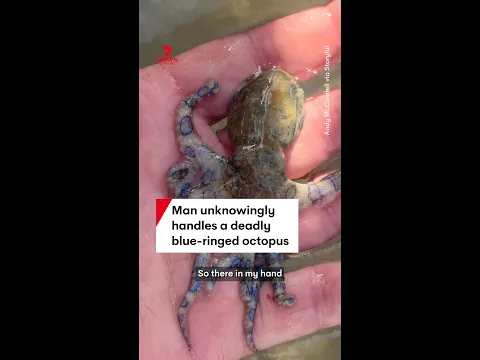
Historian Andy McConnell was walking along the beach when he found the animal on the shore and decided to pick it up with his hands, believing it to be a small harmless octopus.
During the recording, posted on his social media, McConnell remarked that he had never seen a similar octopus, highlighting the intense blue coloration displayed by the animal as he observed it.
-
The Argentine government celebrates the lowest poverty rate in 7 years, but experts warn that the methodology has changed, real wages have fallen, unemployment has risen, and the number of people on the streets of Buenos Aires has increased by 57% since Milei took office.

-
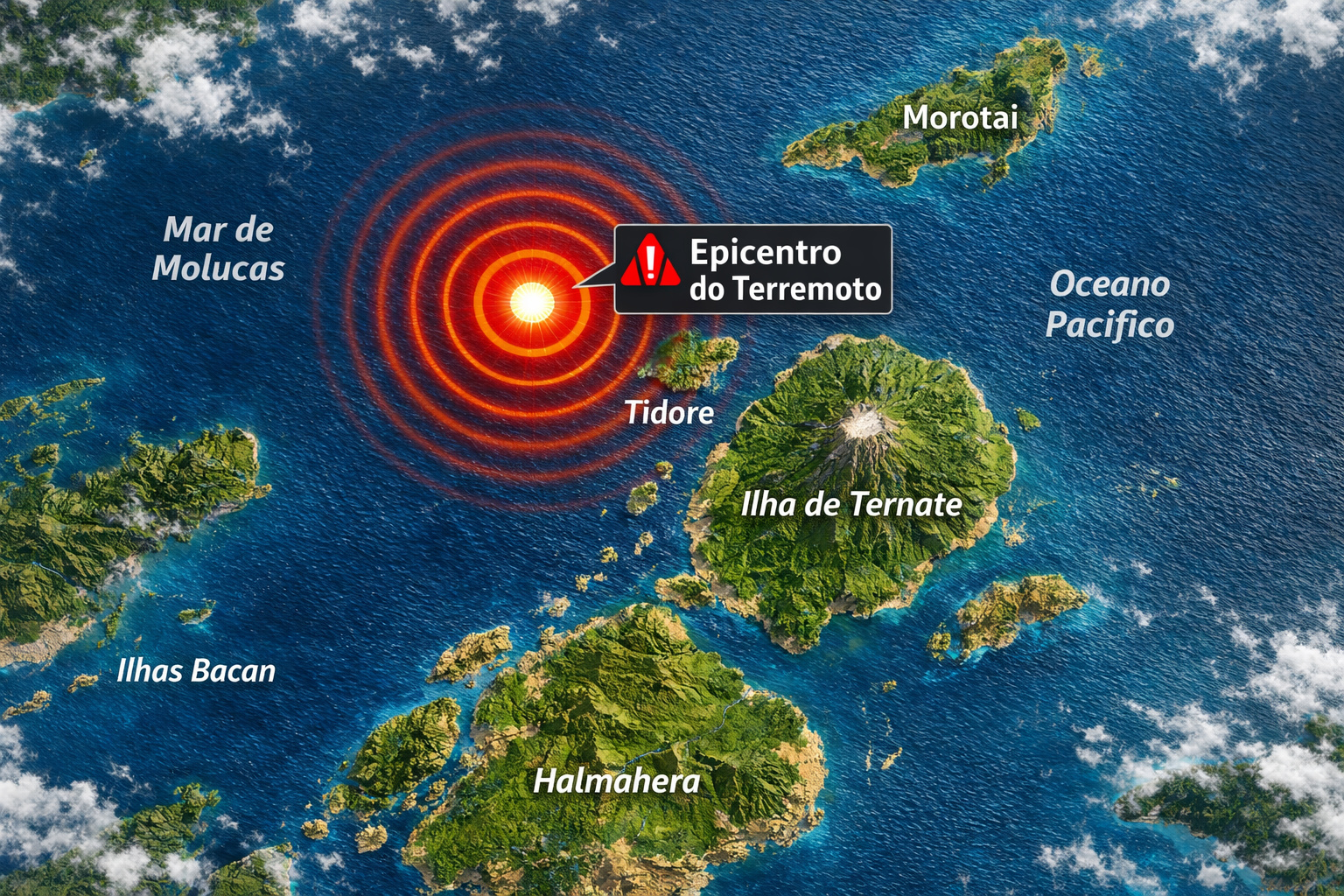
7.8 magnitude earthquake in Indonesia frightens the population, triggers tsunami alert, and hits an island with over 200,000 inhabitants this Thursday.
-
Google will finally let you change that embarrassing Gmail address you created in your teenage years without losing any accounts, logins, or old emails: the feature is already available in the United States.

-
Heading to Brazil in a Bonanza F33 single-engine aircraft: a couple departs from Florida on a visual flight, makes technical stops in the Caribbean to refuel and organize paperwork, and begins the staged crossing until they reach the country.


The tourist praised the colors of the octopus and stated that he thought the animal was beautiful, maintaining direct contact before returning it to the water, unaware of the imminent risk.

Octopus Behavior and Visual Alert Signal
The blue rings displayed by the octopus appear when the species feels threatened and is about to release a toxin considered deadly, according to researchers from the Australian Institute of Marine Science (AIMS).
In an official statement, AIMS warned that the rings are visually striking, but indicate a critical moment, recommending only observation in photographs and no physical contact.
Species Is Among the Most Toxic in the Ocean
According to the Natural History Museum in London, the blue-ringed octopus is among the most venomous animals in the ocean, classified as highly toxic by the institution.
The museum informs that the rings serve as a warning to potential predators and also appear when the animal feels threatened by human proximity.
Late Reaction After Video Backlash
McConnell stated that he became aware of the potentially fatal contact only after the extensive backlash from the video on his Instagram profile, which quickly reached over 500 thousand views.
In the post’s caption, the historian described the episode as an encounter with death, categorizing it as involuntary and completely unconscious until he realized the attention generated.
The case drew attention for highlighting the common ignorance about dangerous marine animals and occurred while the tourist was taking a routine stroll on a Philippine beach, without any immediate physical incident.
With information from UOL.









-

4 pessoas reagiram a isso.