





 Portuguese
  English
  Spanish
  6 min of reading
  0 comments


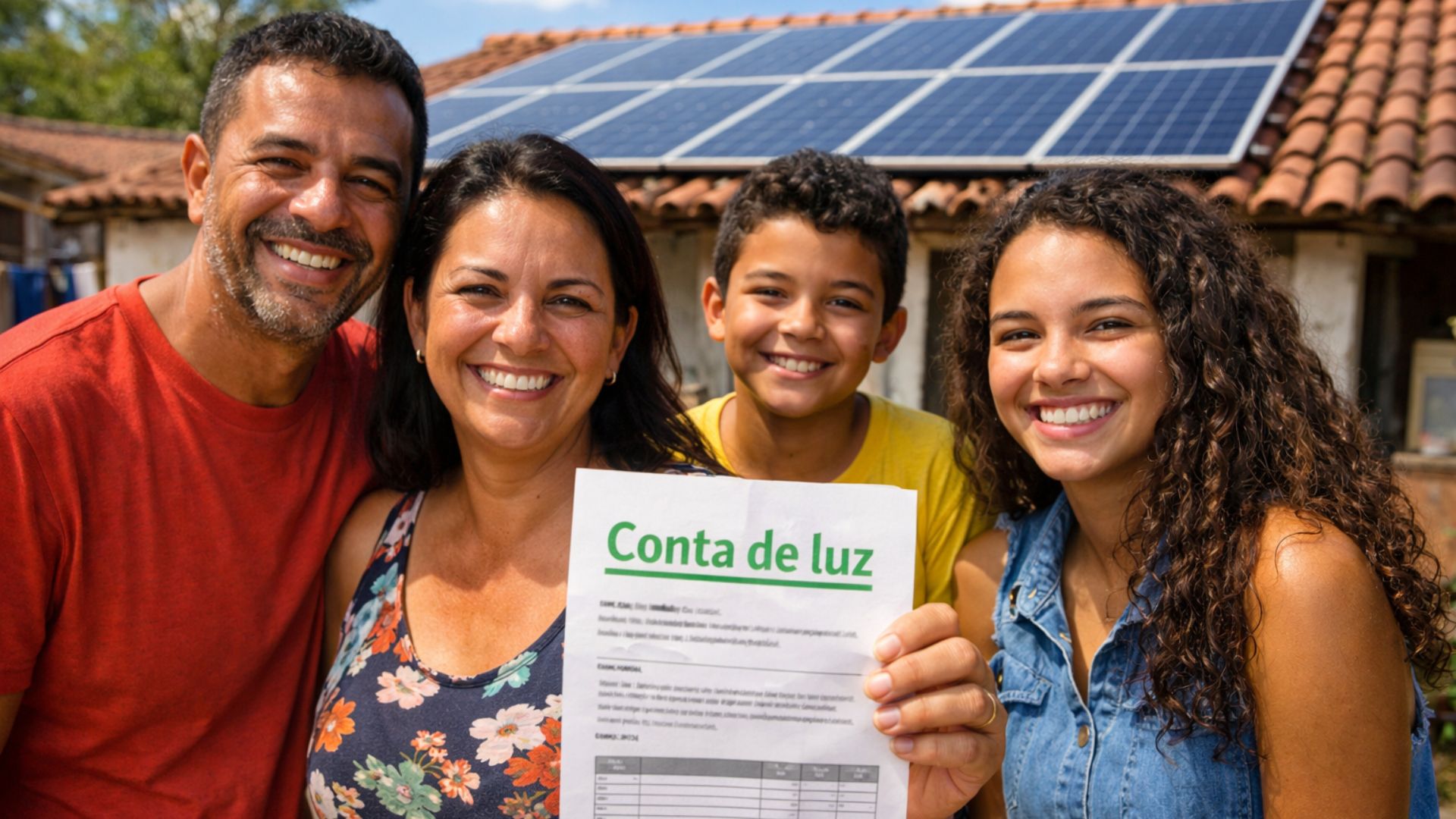
Bill Presented in the Chamber Aims to Expand Access to Solar Energy for Low-Income Families, with Subsidized Generation and Direct Reduction in Electricity Bills in Brazil.
The Bill 5002/25 started processing in the Chamber of Deputies proposing a measure that could significantly change the energy reality of millions of Brazilians: to guarantee up to 200 kWh monthly of free solar energy for low-income families, with a direct impact on the electricity bill.
According to a publication by the Chamber Agency on Tuesday (10), the initiative seeks to use photovoltaic generation as a tool for social inclusion and reduction of household expenses while strengthening the transition to renewable sources in the country.
Understand the Objective of the Bill Presented in the Chamber
The text, presented by Deputy Lucio Mosquini (MDB-RO), amends provisions of the legal framework for micro and mini distributed generation established by Law 14.300/2022. The proposal establishes that the federal government be responsible for financing small solar energy systems, which will generate energy credits intended for reducing the electricity bill of low-income families previously registered in official social programs.
-
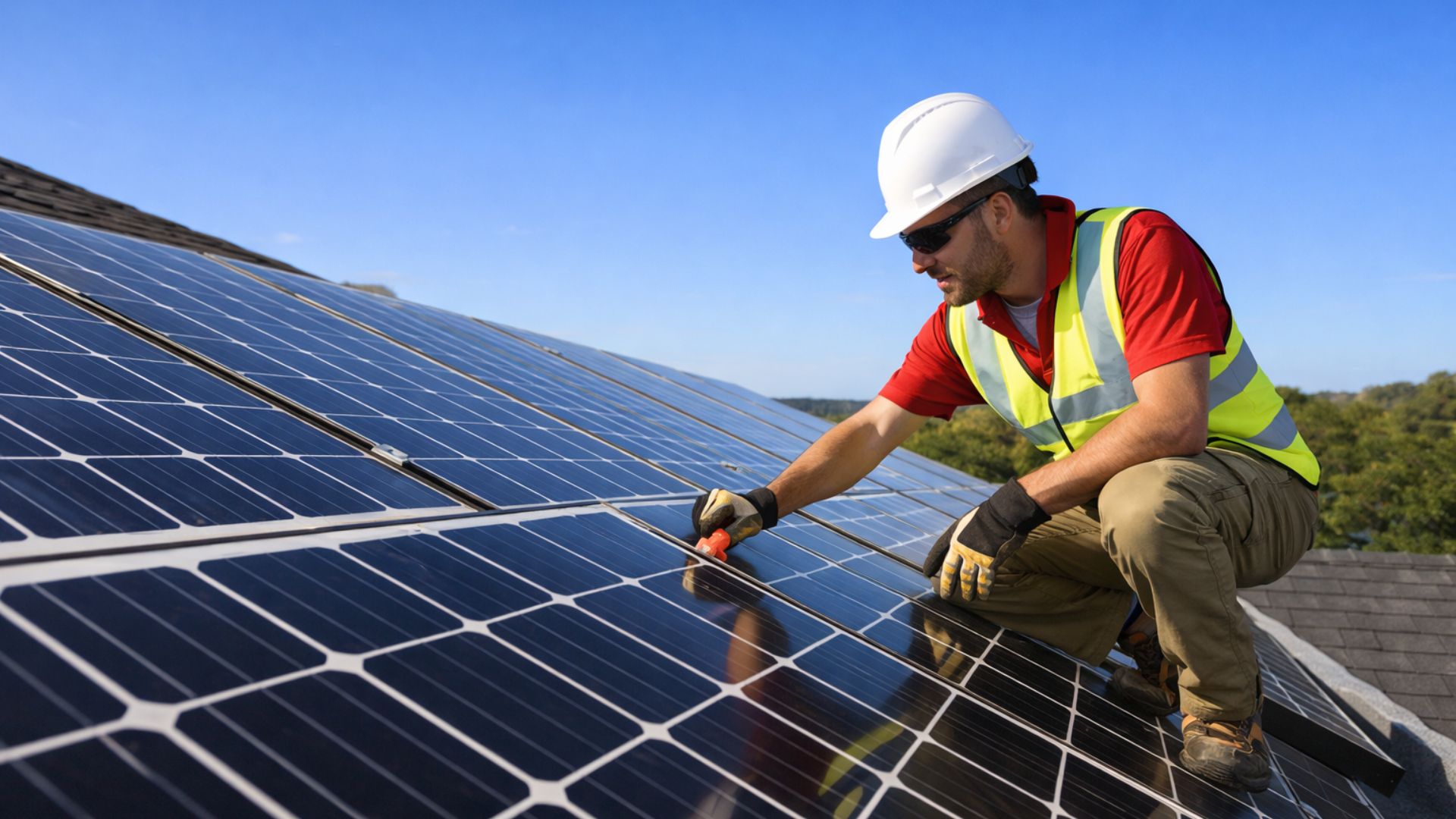
Seagri’s headquarters invests in solar energy with Neoenergia Coelba and promises to cut electricity costs, highlighting a strategic advance in sustainability and energy efficiency within state public administration.
-
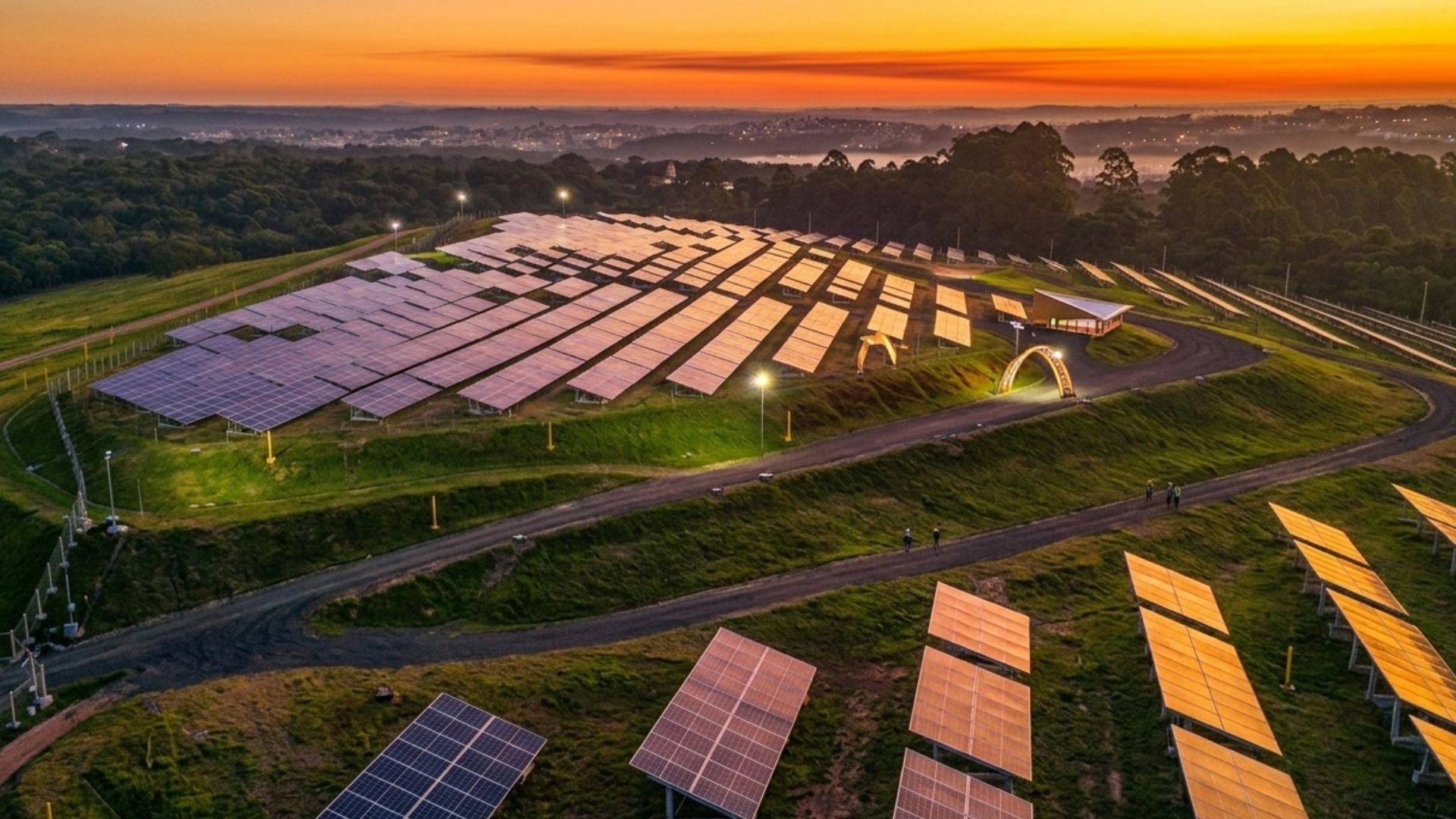
Solar Pyramid draws attention by converting solar energy into million-dollar savings and repositioning the City Hall of Curitiba as an example of innovation, sustainability, and intelligent use of public resources.
-
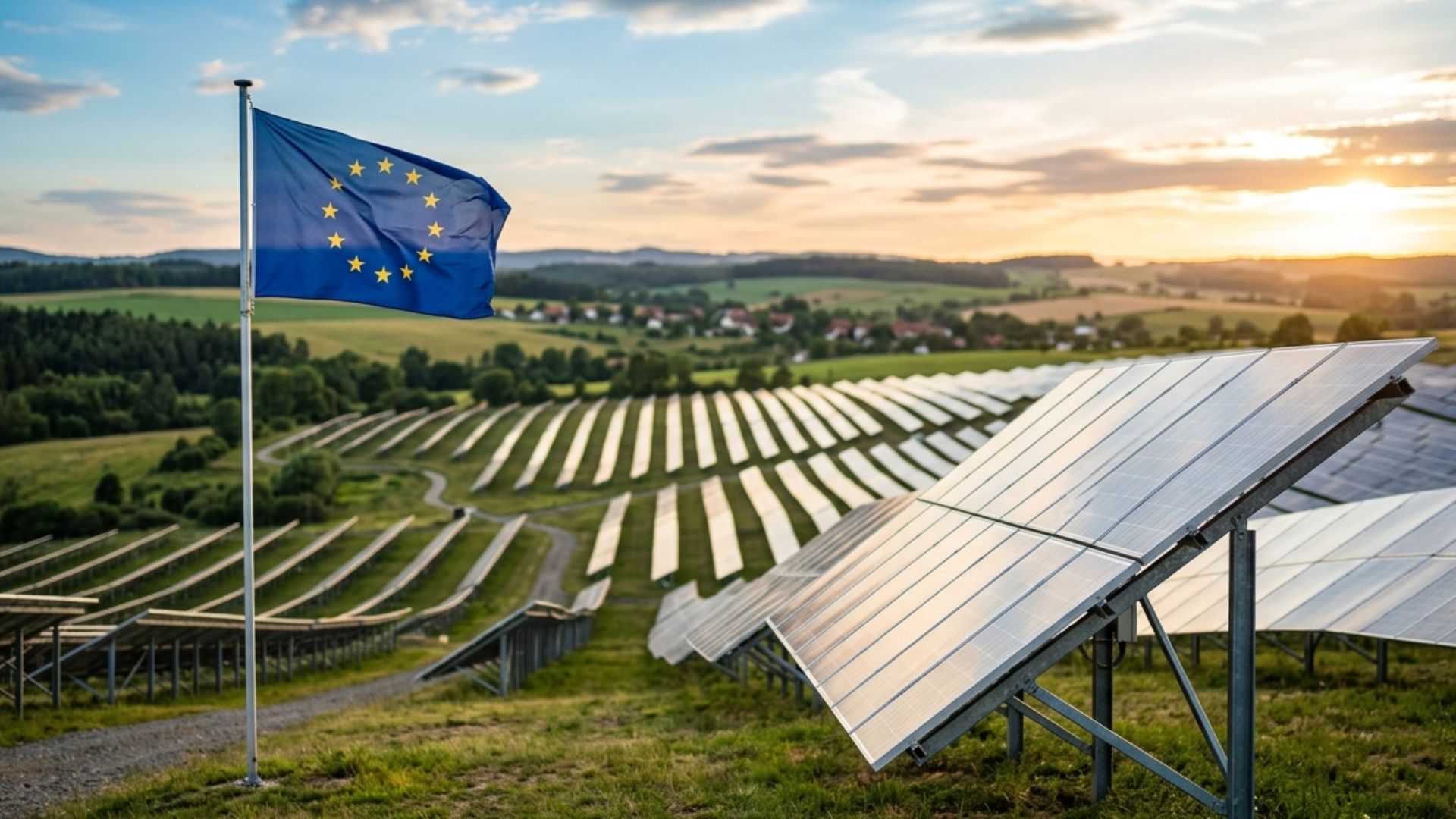
Europe records strong euro economy with solar energy in March and sparks curiosity about which country leads growth that redefines the energy market and reduces costs.
-
Piauí reaches a historic milestone in energy transition: State records nearly 160,000 households powered by solar energy and leads growth in the Northeast.
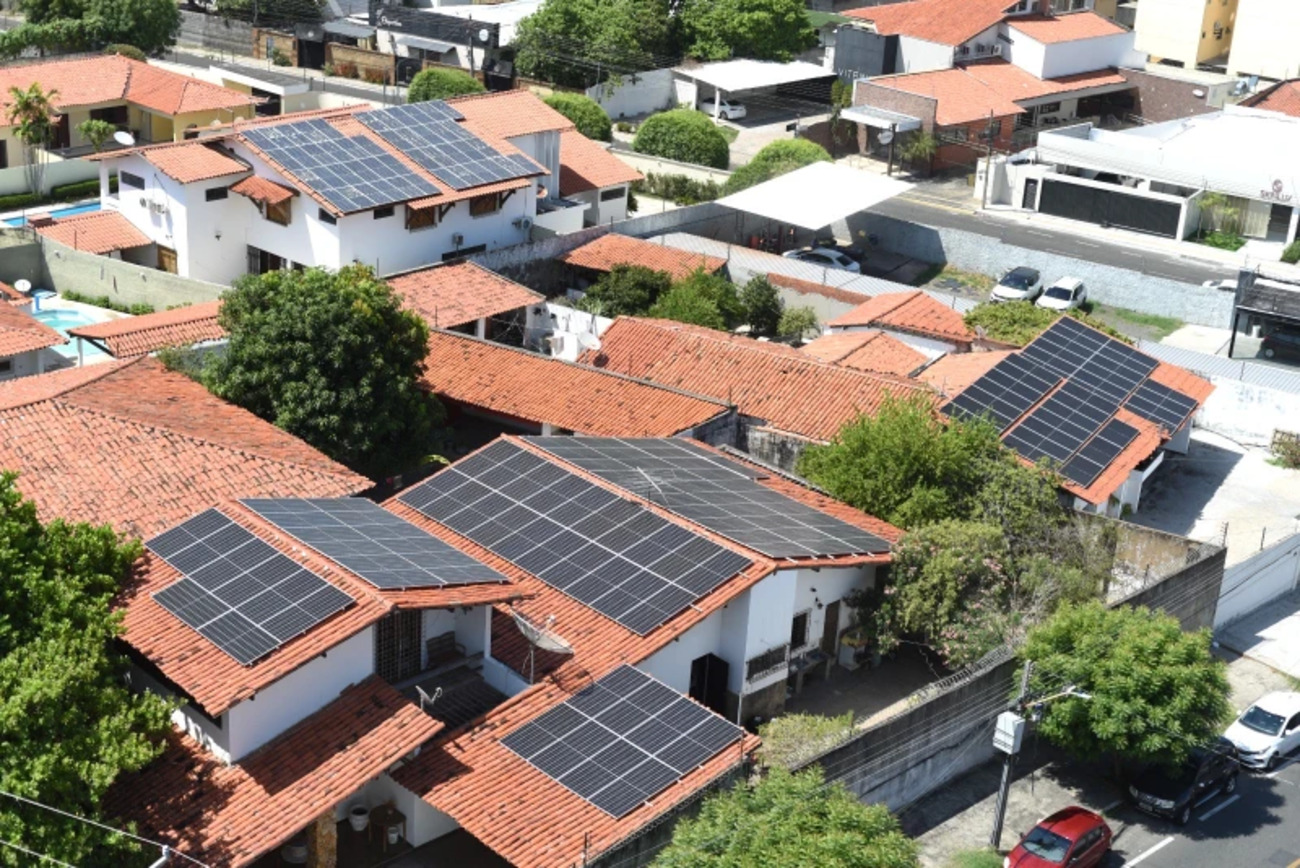

The measure combines household savings, sustainability, and public policy into a single strategy. Right at the beginning of the proceedings, the theme gained relevance for simultaneously addressing two structural challenges in Brazil: the high cost of electricity and the need to increase the participation of renewable sources in the national energy matrix.
Solar Energy Can Alleviate the Electricity Bills of Millions of Brazilians
The proposal establishes that each benefiting family may receive up to 200 kWh monthly at no direct charge. This amount of consumption is considered sufficient to meet a large part of the basic needs of a low-income household, depending on the number of residents and the usage profile of appliances. The practical impact could represent significant savings in the family budget throughout the year.
The use of solar energy as the basis for the benefit is not casual. Brazil has a high incidence of solar radiation for virtually the entire year, making the country one of the most promising in the world for photovoltaic generation. Public data from the electric sector indicates continuous growth in distributed generation, with a significant number of systems installed on residential and commercial rooftops.
In addition to the economic aspect, the project also reinforces environmental commitment. Expanding renewable generation reduces dependence on fossil sources and contributes to climate goals. Thus, the social benefit connects to a long-term energy agenda that seeks greater electrical security and diversification of the matrix.

Bill in the Chamber Redefines Access to Energy for Low-Income Families
The Bill proposes an adaptation to the existing regulatory framework to allow public policies to use the infrastructure of distributed microgeneration more directly. Currently, the legislation prioritizes incentives for individual consumers who install their own panels. The new proposal extends this reach by introducing public power as the financing and organizing agent of the process.
In practice, this means that the government could invest in solar energy systems that will generate energy credits targeted to low-income families without them having to bear the costs of acquiring or installing equipment. The benefit is no longer limited to those with initial capital and gains a structured social character.
Another central point is the attempt to prevent an indirect increase in tariffs for other consumers. The text explicitly mentions the intention not to create cross-subsidies or tariff distortions, a recurring concern in debates about energy policies. This guideline seeks to maintain a balance between social justice and the economic stability of the electric sector.
Operation of the Compensation System and Generation of Energy Credits
The mechanism chosen to enable the benefit is the Electric Energy Compensation System, already used in the country by consumers who produce their own electricity. In this model, the energy generated is converted into credits that can be used to reduce the final amount of the electricity bill.
With the new proposed format, the government would finance the installation of small-scale generating units classified as microgeneration of up to 75 kW. The energy produced by these systems would be injected into the grid and transformed into credits, which would subsequently be directed to the low-income families registered in the program.
This method presents technical and operational advantages, as it utilizes a structure already regulated and tested in the Brazilian market. Furthermore, it reduces the need to create new complex rules, speeding up implementation if the proposal is approved. The efficiency of the model lies precisely in the combination of social innovation and existing regulatory structure.
Public Financing and Budgetary Limits of the Proposal
The anticipated financing will depend on the budgetary availability of the Union, which means that implementation may occur gradually. The text does not establish immediate fixed amounts, allowing adjustments according to the country’s fiscal reality. This care seeks to avoid financial commitments incompatible with the economic scenario.
The public funding responsibility is essential to ensure access for low-income families, as the initial investment in photovoltaic equipment still represents a significant barrier for a large part of the population. Solar panels, inverters, and installation costs can easily exceed the household budget of those who most need the benefit.
At the same time, the model anticipates that future regulations will detail technical criteria, regional priorities, and contracting modalities. This flexibility allows adapting the program to the climatic and structural differences of the national territory, optimizing the generation of solar energy according to the radiation incidence in each region.
Social Criteria and Integration with the Unified Registry
The proposal indicates that the federal government will be responsible for defining the selection criteria for the benefiting families, prioritizing those already registered in the Unified Registry for Federal Government Social Programs, known as CadÚnico. This database is widely used to guide public policies and identify citizens in situations of economic vulnerability.
The use of CadÚnico increases transparency and reduces fraud risks. It also facilitates integration with existing programs, avoiding overlap of benefits and allowing for a more efficient distribution of public resources. The goal is to ensure that the assistance reaches those who truly need it, strengthening the social character of the project.
Furthermore, integrating with already established systems tends to reduce administrative costs and accelerate practical implementation. The combination of energy technology and social registration creates a more organized and sustainable model.
Processing in the Chamber and Expected Steps Until the Approval of the Bill
The Bill will follow analysis as a conclusive nature through the committees of Mines and Energy; Finance and Taxation; and Constitution and Justice and Citizenship in the Chamber of Deputies. This type of processing allows for approval without a vote in the plenary, except for appeals presented by parliamentarians.
During this journey, the text may receive amendments and technical adjustments. Public hearings and specialized opinions usually enrich the debate and improve the final wording. The legislative process is dynamic and may alter operational details without changing the essence of the benefit.
The expectation is that the discussion will involve experts from the electric sector, economists, and representatives of social entities. This dialogue is likely to enhance the legitimacy of the proposal and offer greater legal security if approved.
What This Bill Represents for the Future of Energy in Brazil
The advancement of the Bill 5002/25 signals a change in perspective regarding how energy policies can be used to reduce social inequalities. Energy ceases to be merely an essential service and becomes a tool for economic inclusion.
If approved, the program could stimulate the large-scale expansion of solar energy and generate positive impacts both environmentally and financially. The reduction of the electricity bill for low-income families could free up resources for food, health, and education, amplifying the indirect social effect of the measure.
At the same time, strengthening renewable generation contributes to climate goals and to the modernization of the Brazilian electric sector. The proposal demonstrates that well-structured public policies can unite sustainable development and fiscal responsibility. This is a movement that could redefine the role of energy in building a more balanced and efficient country.









-

-

-

3 pessoas reagiram a isso.