





 Portuguese
  English
  Spanish
  4 min of reading
  0 comments


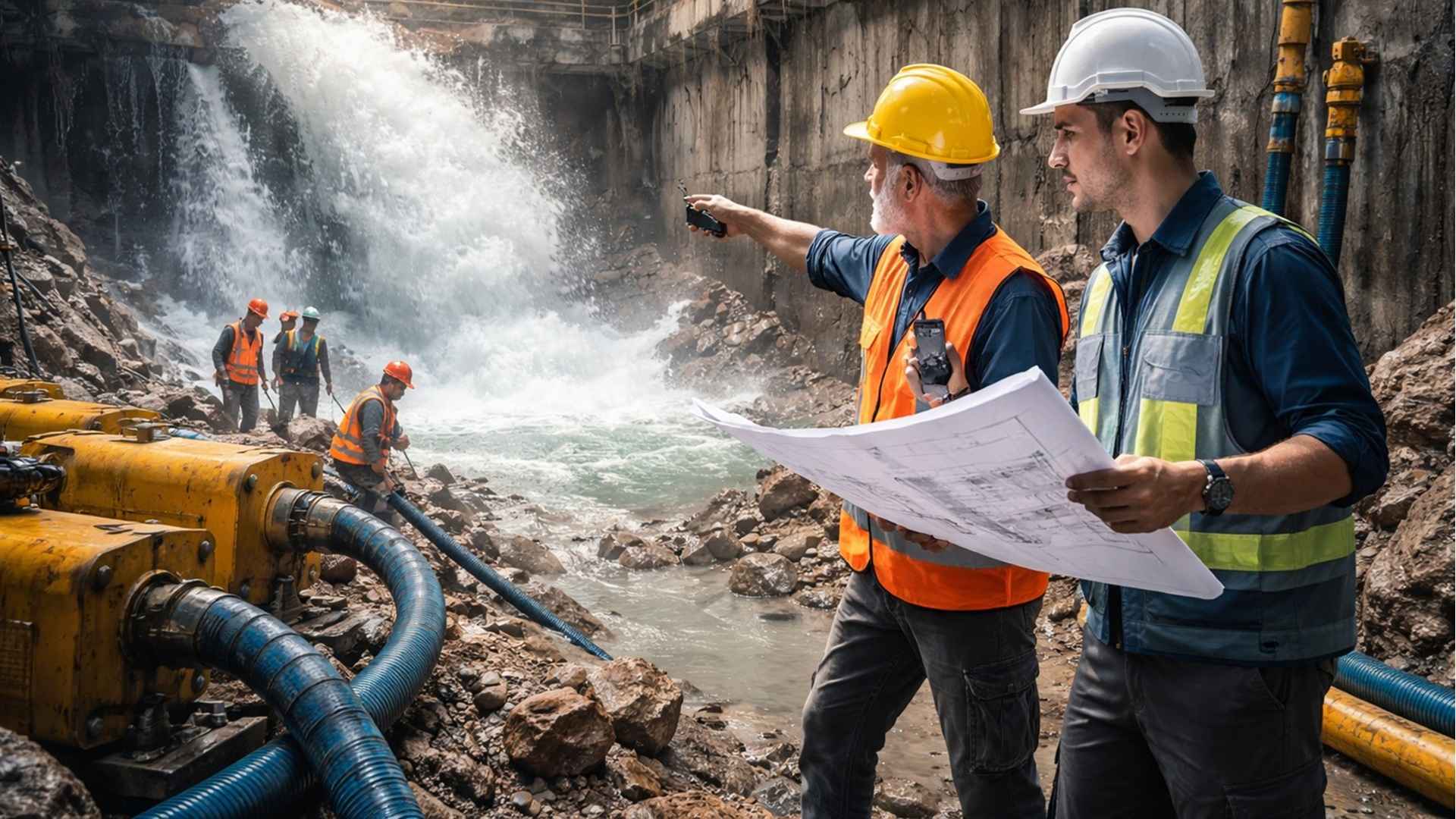
Research Conducted by Experts Linked to Universitat Politècnica de València Analyzes Three Real Cases of Works Below the Water Table in the City of Valencia and Presents Technical Strategies to Identify, Prevent and Control Unexpected Leaks in Underground Excavations That Can Compromise Structural Stability, Increase Pumping Costs and Cause Delays in Construction
A study involving researchers from Spain presented solutions to control unexpected leaks in underground excavations carried out below the water table. The research analyzed three real works in Valencia where infiltrations compromised deep excavations.
The work was developed with participation from the IIAMA Institute of Universitat Politècnica de València (UPV).
The research was conducted by Alejandro Ferrer from Ferrer Dewatering, S.L., Eduardo Cassiraga from the Hydrogeology group of IIAMA-UPV, and Jesús Carrera from IDAEA-CSIC.
-
Is a smart plug worth it in a regular home? What does it offer: turns on and off via smartphone, creates routines by schedule, prevents forgotten devices, sometimes monitors consumption, and improves habits without renovation or miracles.

-
Airbus and Mercedes take the G-Class to the skies: the ACH145 helicopter priced at R$ 78 million debuts in São Paulo, unit goes to Brazilian, AMG cabin, 5-blade rotor, and a 2-year wait.
-
New material could change everything: it is the thickness of an atom, 200 times stronger than steel, and 100,000 times thinner than a human hair.

-
A new study published in Nature reveals that the SLIT3 protein can increase calorie burning by activating brown fat in the body, functioning as a kind of “biological switch.”


The researchers focused their analysis on controlling groundwater during construction in urban environments. This type of situation represents a significant technical challenge, especially when trying to reduce environmental impacts and costs associated with continuous water pumping.
Unexpected Leaks in Underground Excavations Analyzed in Three Real Works
The study analyzed three real cases that occurred in the Spanish city of Valencia. In these situations, underground excavations carried out below the water level experienced unforeseen water ingress during the execution of the works.
According to the researchers, these infiltrations occurred due to construction failures, the presence of unsealed old wells or drillings, and also due to confined aquifers that had not been identified during the design phase.
These leaks can directly compromise the stability of underground excavations. In addition, they can generate significant additional costs and environmental impacts associated with the increased pumping necessary to keep the work areas dry.
Eduardo Cassiraga explains that situations of this type require rapid and effective action protocols. The absence of adequate corrective measures can cause delays in the works and increase structural risks during construction.
Main Causes of Infiltrations in Underground Excavations
Among the most frequent causes identified by the study are old wells or geotechnical drillings that were not properly sealed after use. These structures can create direct pathways for water to enter the underground excavations.
Another common source is defects in diaphragm walls, structures used to contain soil and water during deep excavations. Failures in this type of structure can allow significant infiltrations during the execution of the work.
The study also identified problems caused by compartmentalization of the subsoil by internal foundations. This type of configuration can alter the natural flow of groundwater and limit the efficiency of the installed pumping wells in the area.
Proposed Solutions to Control Leaks During Construction
For each of the three analyzed cases, the researchers presented technical strategies that can be applied directly at the construction site.
The solutions include interventions capable of restoring the hydraulic and mechanical stability of underground excavations.
Among the suggested measures are the in situ sealing of drillings using pipes and cement injection. This technique allows for blocking infiltration pathways and reducing water entry into the excavated areas.
Another alternative presented is the installation of high permeability drainage layers. This system helps channel water to extraction points without compromising the stability of the ground during the underground excavations.
The study also proposes the use of expansive resins injected into the soil to seal leaks. This solution allows for stopping localized infiltrations without the need to increase the volume of water pumping.
Continuous Monitoring as a Preventive Strategy
The authors of the study highlight that prevention is the most effective strategy to avoid problems in underground excavations. The implementation of continuous monitoring systems can identify failures before they affect the progress of the work.
Among the recommended measures is the ongoing tracking of pumped flow rates during the execution of excavations. This control allows for detecting changes in groundwater behavior in real time.
Another essential tool is the monitoring of piezometric levels through sensor networks. This type of system provides data on water pressure in the subsoil and helps to anticipate possible infiltrations.
The researchers also recommend integrating geotechnical projects with drainage systems. This coordination allows for a better understanding of the hydrogeological behavior of the ground before the start of underground excavations.
Prevention Costs Are Lower Than the Impacts of Infiltrations
The study also emphasizes the importance of immediately sealing geotechnical drillings and piezometers after their use. This procedure is especially relevant in areas where there are confined or semi-confined aquifers.
In cases where internal foundations compartmentalize the subsoil, the authors suggest solutions such as sectorized pumping. Another alternative is the installation of draining gravel layers that keep the work area dry.
According to the researchers, the initial cost of monitoring systems is significantly lower than the financial impact caused by unexpected infiltrations. Leaks can cause construction delays and even affect neighboring buildings.
The authors conclude that understanding the hydrogeological behavior of the soil is essential for designing safer and more efficient drainage systems. This knowledge contributes to making underground excavations more sustainable and controlled during urban construction projects.





Seja o primeiro a reagir!