





 Portuguese
  English
  Spanish
 5 min of reading
  0 comments


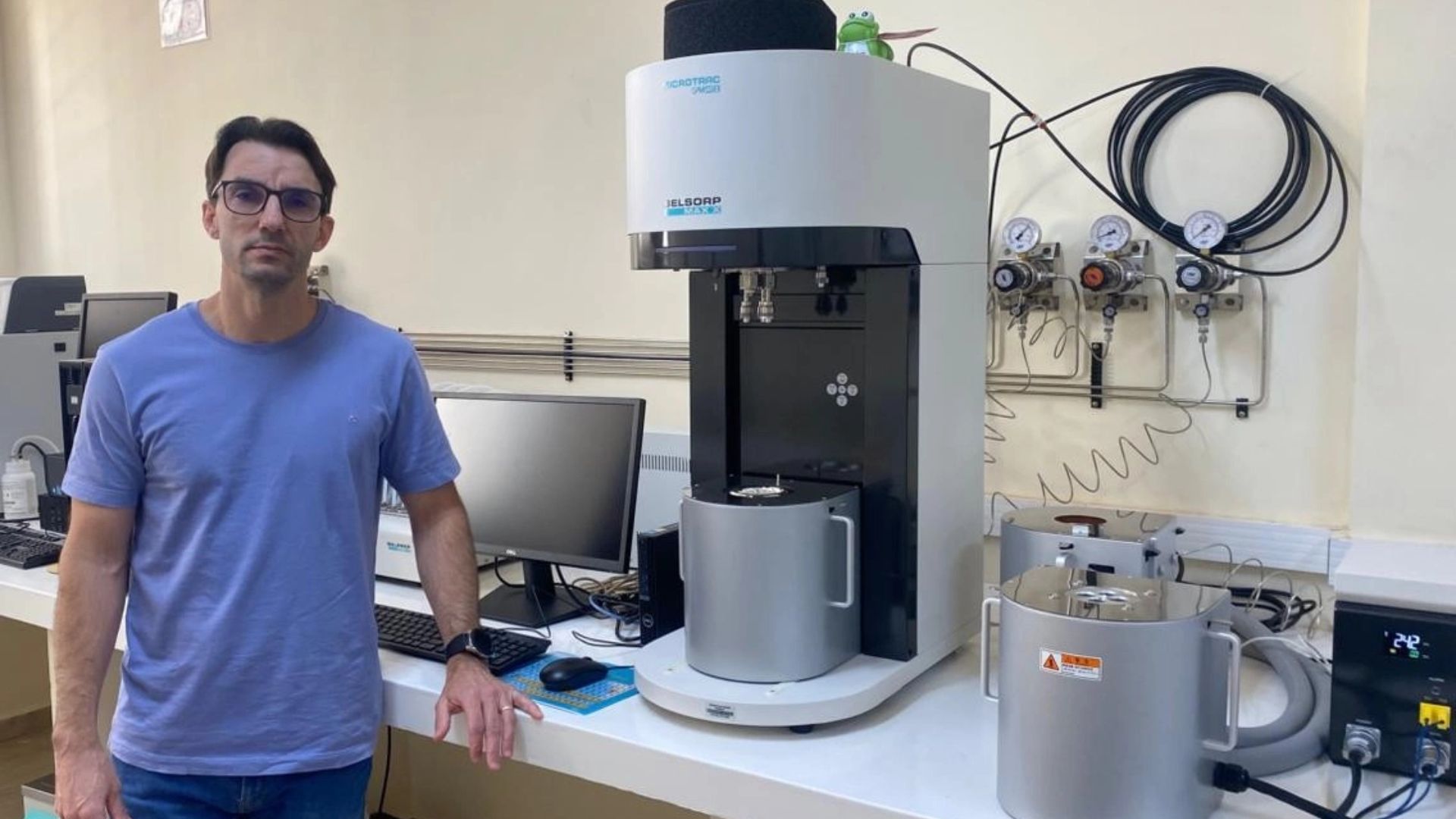
Unioeste Boosts Research That Transforms Biogas Into Renewable Energy in Paraná, Expanding the Production of Biomethane and Hydrogen and Strengthening Sustainable Innovation in the Region
Unioeste, Toledo campus, presents significant advances in technologies to transform agro-industrial waste into renewable energy in Western Paraná. The project led by Professor Carlos Eduardo Borba aims to convert biogas into biomethane or hydrogen, offering alternatives for renewable and sustainable energy. According to an article published by the CanaOnline website this Monday (8), the initiative demonstrates that pig manure and rural waste can cease to be environmental liabilities and turn into valuable energy.
Renewable Energy from Waste: Overview
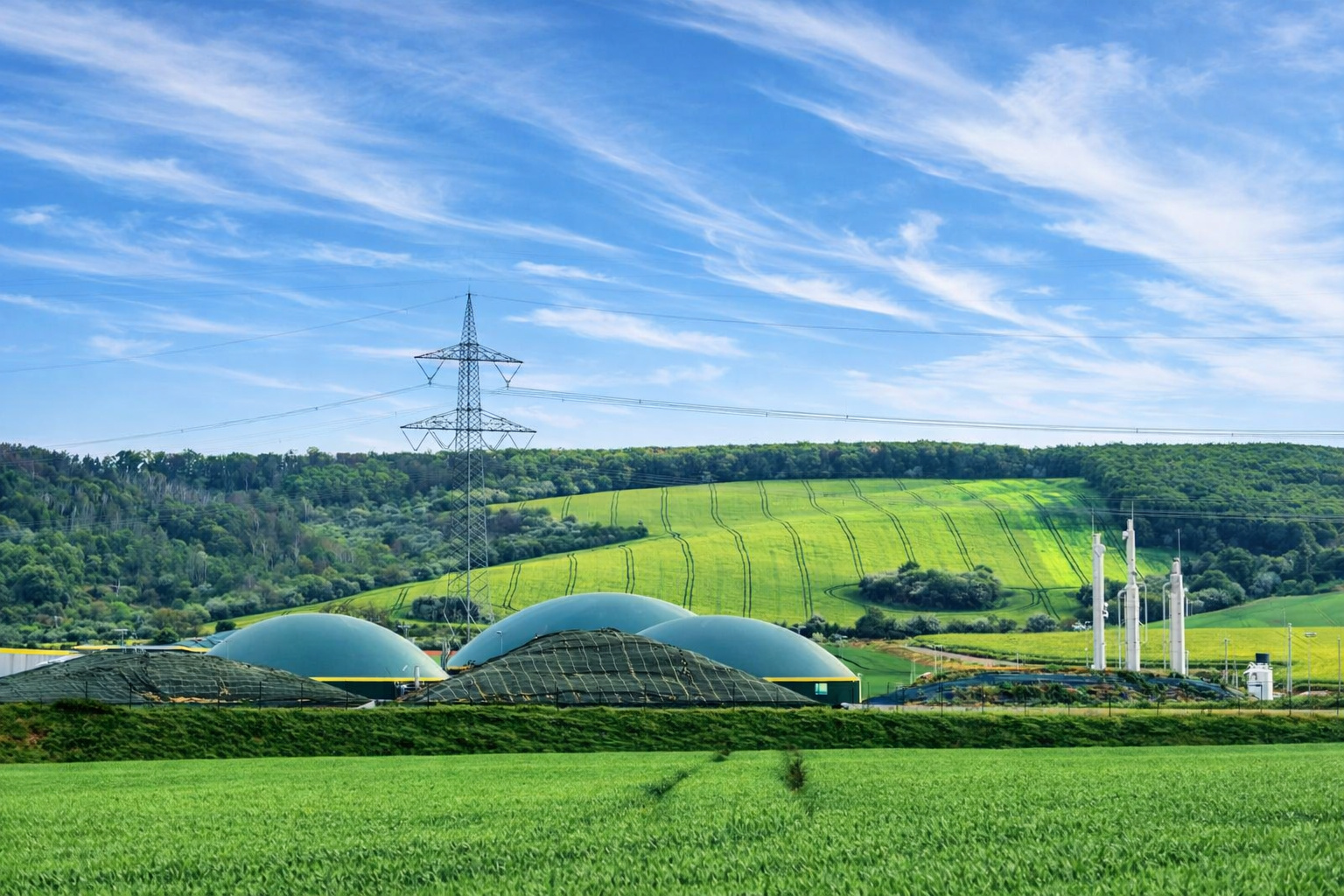
The western region of the state concentrates intense agro-industrial activity — pig farming, farms, and agro-industries in general — resulting in a large volume of organic waste. This waste can generate biogas through anaerobic digestion, an energy resource with good potential. Unioeste stands out for its research aimed at purifying this biogas into biomethane or converting it into hydrogen, constituting a model of circular, efficient, and sustainable energy.
With these technologies, waste that previously pressured the environment now supplies industries, agricultural fleets, and vehicles, or feeds industrial chains with low-carbon hydrogen. The scientific and technological effort of Unioeste positions Western Paraná as a promising hub of energy innovation in the country.
-
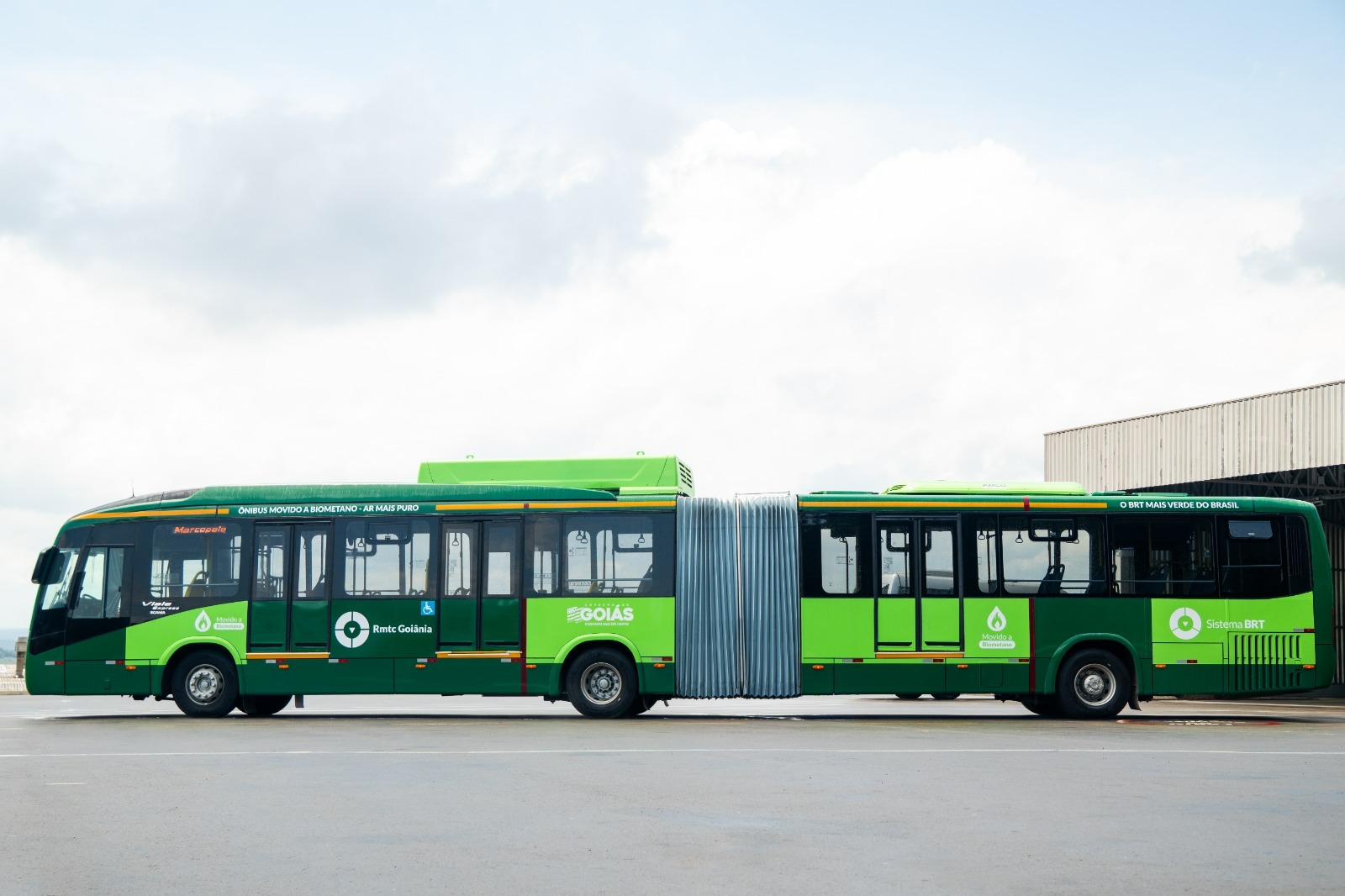
Revolution in public transport: Goiânia puts into circulation the first articulated buses powered by biomethane in Brazil and promises to drastically reduce pollution on the Anhanguera Corridor.
-
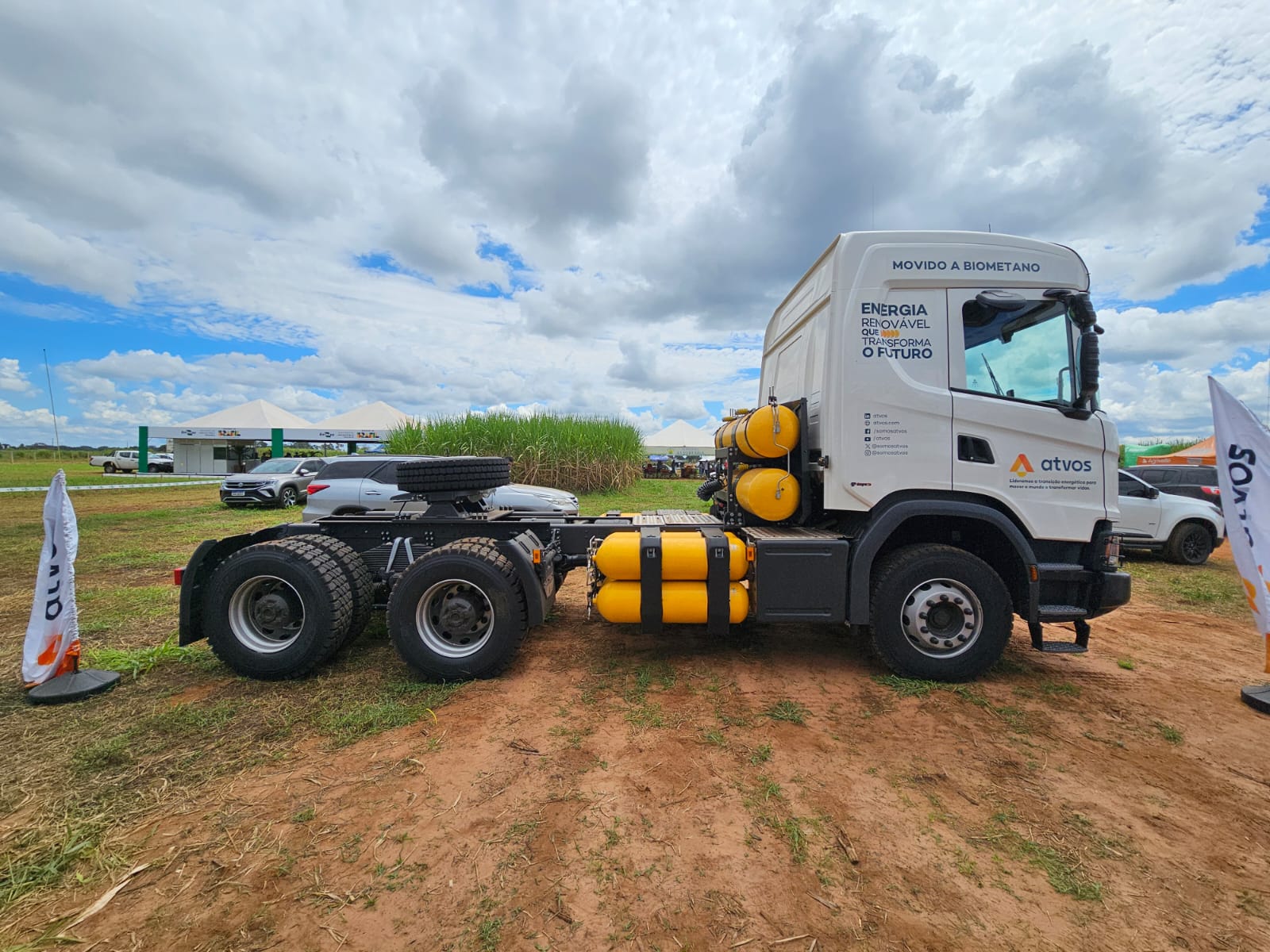
From the field to the pipelines: Mato Grosso do Sul accelerates the energy transition and consolidates a new axis in renewable energy with the arrival of a giant biogas plant.
-
The Economist states that Brazil has a “secret weapon” against expensive oil and highlights how the country can reduce economic impacts even in international scenarios of high volatility.
-
Brazil accelerates decarbonization in the South: International forum in Foz do Iguaçu gathers leaders to discuss the advancement of biomethane in the energy matrix and the potential of “caipira pre-salt.”


How Does Unioeste Transform Biogas Into Biomethane?
The first research front at Unioeste consists of purifying biogas to generate biomethane. To achieve this, the group uses a selective adsorption process, a mechanism that removes impurities such as carbon dioxide (CO₂) and hydrogen sulfide (H₂S), resulting in high-quality gas.
This biomethane can be applied in various ways:
- as industrial or residential gas;
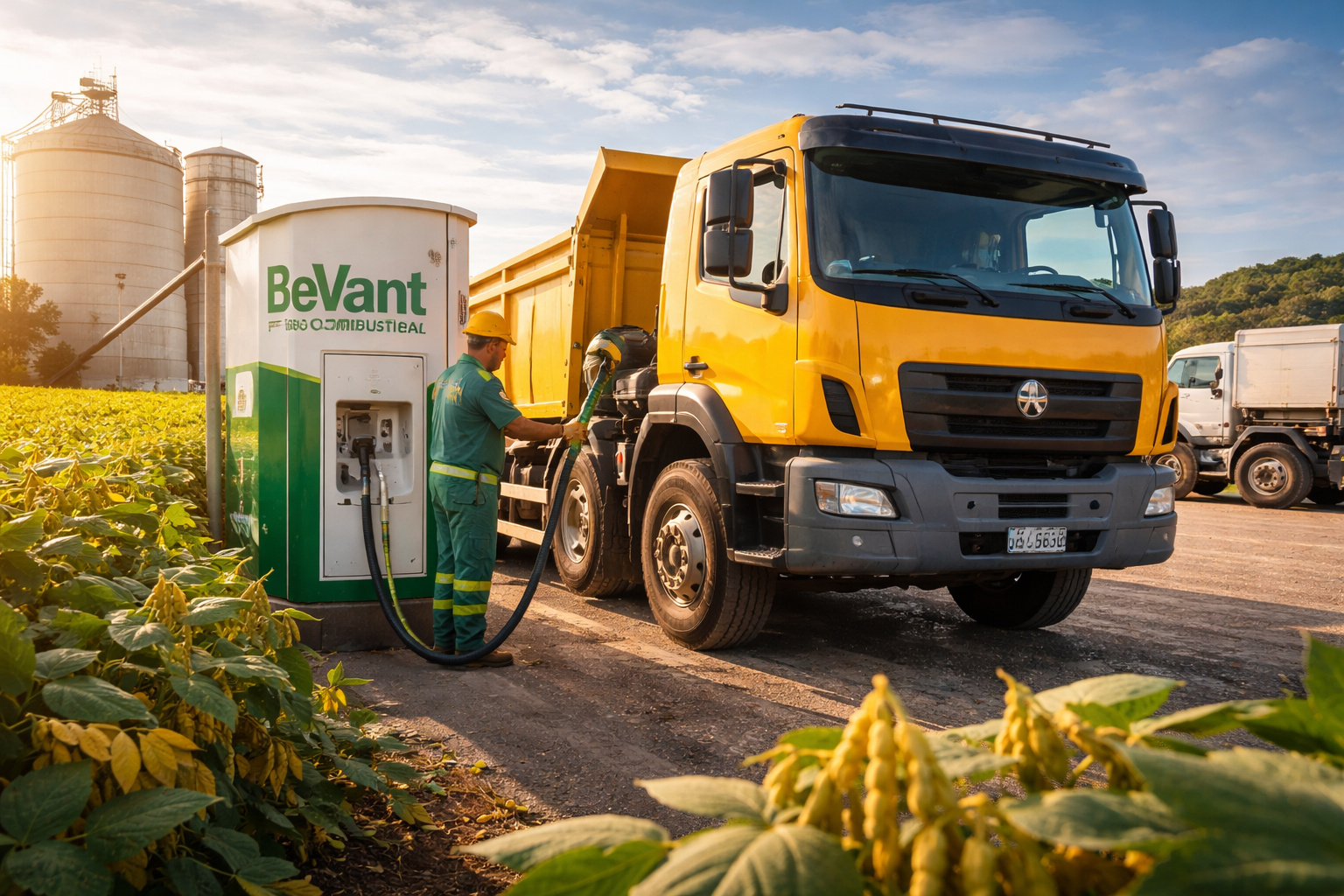
- as fuel for vehicles — especially agricultural and transport fleets;
- replacing fossil fuels, contributing to the reduction of the carbon footprint.
The great advantage of this technology lies in the valorization of organic waste, transforming environmental liabilities into energy solutions. Rural waste ceases to be trash — and becomes energy with real value.
Hydrogen Production: A New Energy Vector
In addition to purification, Unioeste invests in a second route: the conversion of biogas into synthesis gas rich in hydrogen. The technique combines processes such as dry reforming and water-gas shift reaction, transforming methane and CO₂ present in biogas into hydrogen and carbon monoxide.
This hydrogen can be used in industrial and energy applications with low environmental impact, integrating Western Paraná into a strategic chain for the development of a clean and renewable matrix. The adoption of locally produced hydrogen can reduce dependence on fossil fuels and drive the region’s economy.
Integrated Research and Partnerships That Strengthen the Project
The work of Unioeste is not isolated. The research is part of innovation and cooperation networks involving universities, technology centers, and private companies. Among the actors involved are CIBiogás, LABMATER/UFPR, and the research arrangement NAPI Biogas.
This articulation allows not only technical development but also the economic and regulatory viability of the projects. Through mathematical models and partnership strategies, it is possible to decide whether biogas should become biomethane or hydrogen, considering feasibility and demand.
It is worth noting that the regional context favors these initiatives: studies indicate that Western Paraná concentrates the majority of the state’s pig production, providing significant potential for biogas and biomethane production at scale.
Environmental, Energy, and Socioeconomic Benefits
Reduction of Environmental Impacts
The conversion of waste into biomethane or hydrogen reduces methane emissions — a greenhouse gas with high global warming potential. By avoiding the open decomposition of waste, pollution and contamination diminish. The production of renewable energy from waste represents a concrete route for climate mitigation.
Enhancement of Agroindustry and Rural Economy
The use of biomethane and hydrogen can reduce costs with fossil fuels, provide autonomous energy for producers, and generate a new income source for those producing agricultural waste. This strengthens the local economic structure and contributes to diversifying the energy matrix in rural areas.
Technological Development and Training
With Unioeste at the forefront of research, there is an environment of innovation and technical training. Students and researchers participate in real projects, generating applied knowledge and paving the way for professionals specialized in bioenergy, chemistry, and engineering. This adds intellectual and social value to the region.
Potential for Regional Energy Growth
Considering the available raw material volume — animal waste, agro-industrial, and agricultural residues — the region has great capacity to expand biogas plants, purification plants, and hydrogen units. This scenario can position Western Paraná as a national reference in renewable energy.
Barriers and Challenges for Large-Scale Adoption of Renewable Energy
Despite the advantages, scalability still faces obstacles:
- Infrastructure: it is necessary to build purification units, conversion plants, waste collection networks, and gas or hydrogen distribution logistics. This requires significant investments.
- Regulation and Market: the use of biomethane and hydrogen requires clear norms, certifications, and incentives to make commercialization viable.
- Waste Logistics: aggregating sufficient waste (from various properties) to ensure volume and production regularity is a challenge in dispersed rural areas.
- Initial Cost: for small producers, the investment can be high — there may be a need for government support or cooperatives.
- Acceptance and Adaptation: companies, transporters, and consumers need to be open to adopting alternative fuels.
Nonetheless, national trends and the advancement of decarbonization policies increase the attractiveness of projects in Paraná. For example, the state government has incentives for the production of renewable hydrogen from biogas.
Why This Matters for the Future of Renewable Energy in Paraná
The initiative of Unioeste goes beyond academia — it represents a paradigm shift in how to handle rural and agro-industrial waste. Instead of viewing waste as an environmental problem, the university shows that they can be raw materials for sustainable, economically viable renewable energy.
For rural producers, this means new sources of income and less dependence on fossil fuels. For the environment, it means reduced emissions and less pollution. For society, it implies access to green technologies and the creation of specialized jobs.
It is worth mentioning that Paraná strengthens itself as a hub of energy innovation, capable of attracting investments, promoting biomethane and hydrogen industries, and integrating the region into national sustainability initiatives. If well implemented, this model can serve as a reference for other agricultural regions in Brazil.
A New Direction for Energy and Environment in Western Paraná
The work of Unioeste demonstrates that it is possible to transform environmental challenges into concrete development opportunities. The conversion of agro-industrial waste into biomethane and hydrogen highlights the potential for renewable energy and regionally sustainable.
However, for the project to reach its full capacity, a joint effort will be necessary: universities, producers, companies, government, and society. With unity, innovation, and investment, Western Paraná can consolidate as a national example of sustainable energy transition — proving that science and the field can walk together toward a greener future.








Seja o primeiro a reagir!