





 Portuguese
  English
  Spanish
  5 min of reading
  0 comments


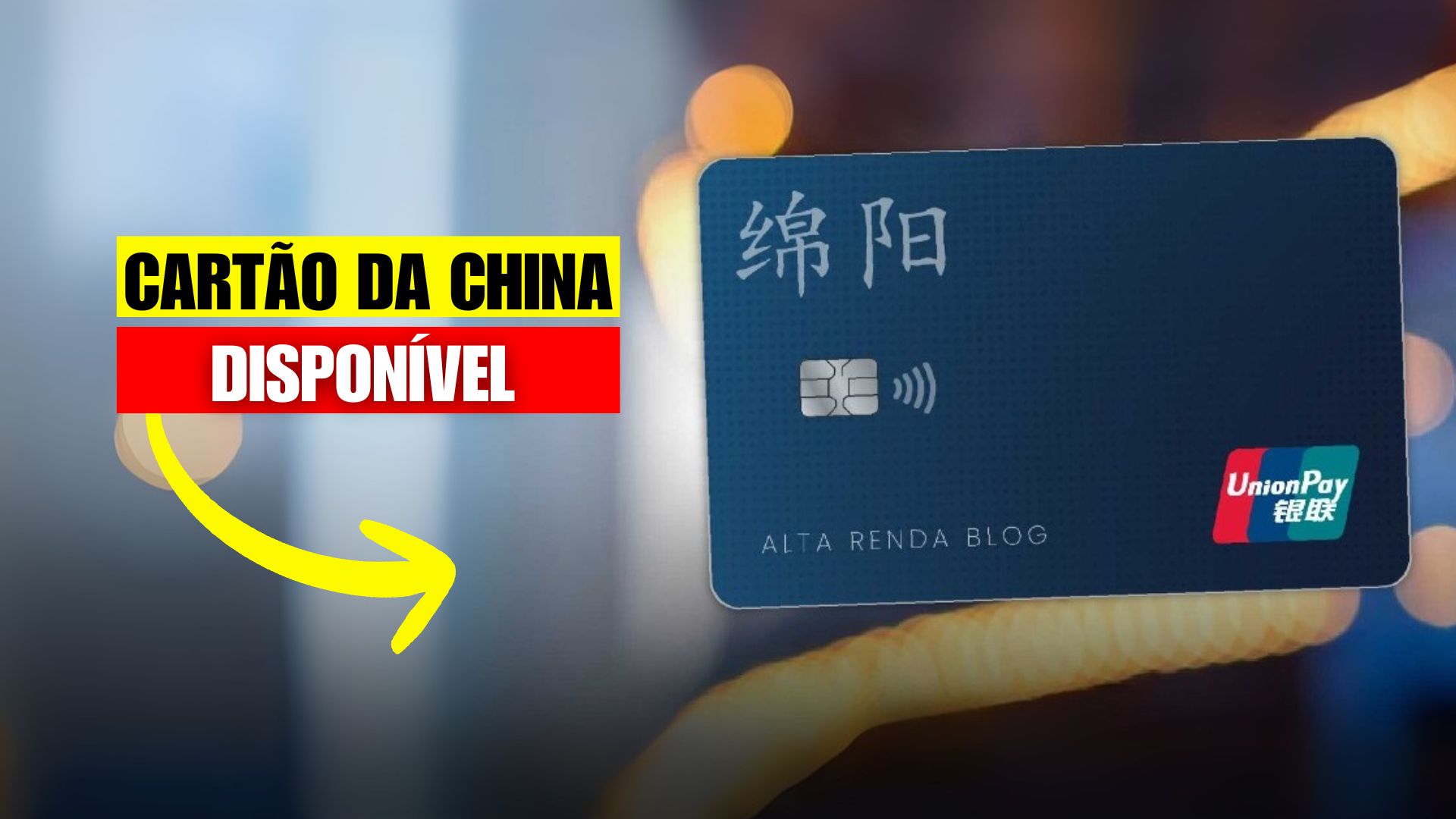
The Arrival of UnionPay in Brazil Expands the Network of International Withdrawals and Signals New Competition Movements in the Card Market, Bringing Chinese Tourists and Residents Closer to Local Financial Services.
The UnionPay has begun to allow withdrawals at over 24,000 Banco24Horas ATMs in Brazil, in partnership with TecBan.
The operation starts with exclusive functionality for cash withdrawal and focuses on the Chinese community in the country and the flow of tourists.
In parallel, the brand is discussing agreements with Brazilian banks to expand its local presence and enable future issuances.
-
The government requests the Federal Revenue Service for a new system to automate the income tax declaration, reducing errors, time, and bureaucracy for millions of Brazilians.

-
Pix in installments, international Pix, and contactless payment without internet: the Central Bank revealed the new features coming to the tool that is already used by almost every adult in Brazil.

-
Mercado Livre has just started selling medications with delivery in up to three hours to your door, and this move could completely change the way Brazilians buy medicines on a daily basis.

-
In Dubai, rising tensions from the war in the Middle East are causing super-rich individuals to leave the Gulf and direct their fortunes to a new financial refuge in Asia.


Withdrawals Released and Focus on Tourists
Since integrating with the self-service network, UnionPay cardholders can withdraw cash at terminals distributed throughout the national territory.
TecBan reports that, in this first phase, only the withdrawal function is active.
The immediate goal is to provide quick access to reais for visitors and residents of Chinese origin, groups that tend to use the brand’s cards more frequently.
In addition to the ATMs, TecBan highlighted that UnionPay acceptance is already extending to establishments that use Rede and Stone terminals, increasing the card’s utility for in-person payments.
This advancement reduces barriers for tourists in cities like São Paulo, Rio de Janeiro, and Foz do Iguaçu, where the demand for international payment means tends to be higher.
What TecBan Says About the Partnership
According to Marcelo Mafra, executive manager of commercial relationships at TecBan, UnionPay’s arrival at Banco24Horas represents a synergy movement between the companies.
He assessed that the presence of a large Chinese community in Brazil, combined with the brand’s interest in expanding agreements with local banks, creates a conducive environment to “generate many transactions, boosting the economy”.
Mafra also stated that there are negotiations with Brazilian institutions for them to start issuing cards with the brand in the national territory, increasing competition among networks.
Who Is UnionPay and What Is Its Global Reach
Controlled by the People’s Bank of China, UnionPay is cited by industry reports as one of the largest card networks in the world.
According to institutional data, the brand is present in over 180 countries and regions and has already surpassed 9 billion issued cards, with over 250 million outside the Chinese market.
The combination of scale and reach makes the company the main global alternative to U.S. brands, especially in markets with a strong presence of Asian tourists.
Brazil on the Expansion Radar
The strategy in the country advances in stages.
At this initial moment, the priority is to ensure withdrawal infrastructure and acceptance in commercial establishments.
Then, the brand intends to expand partnerships for domestic issuance, which would pave the way for UnionPay cards issued in Brazil by banks and payment institutions.
Meanwhile, fintechs and processors act as a technological bridge to accelerate integration with ATMs and capture networks.
TecBan reported that the connection was made possible through the HubDigital, a platform that facilitates the entry of new institutions into the Banco24Horas network.
This solution reduces integration time and allows for the activation of services like balance inquiries, statements, deposits, and now, withdrawals for UnionPay holders, in a standardized manner.
Impacts for Consumers and Banks
In practice, the release of withdrawals on a large scale improves the experience for those arriving in Brazil with a UnionPay card.
Instead of relying on exchange houses, tourists can gain direct access to reais, with convenience and widespread availability of ATMs.
For retail, the advancement of acceptance in payment terminals tends to facilitate sales to foreigners and to consumers who already use the brand.
For the financial system, the new stage of competition may encourage local banks and issuers to offer multicurrency or travel products with differentiated conditions.
At the same time, it increases competitive pressure on Visa and Mastercard, which dominate the Brazilian credit and debit card market.
If national institutions start issuing UnionPay, the competition over fees, benefits, and rewards could intensify.
The Role of Technological Partnerships
The operation involved the participation of RedeCompras, a Brazilian processor responsible for integrating UnionPay into HubDigital, according to TecBan.
This type of arrangement is common when new brands enter markets with established infrastructures.
The processor acts in the technological translation between the international network and local systems, ensuring regulatory compliance and security in transactions.
Companies in this ecosystem also often support issuance pilots, when feasible, and acceptance tests at POS.
This movement reduces operational risks and shortens the time until the network reaches minimum scale to remain competitive in the country.
Comparative With Competitors
On a global scale, Visa and Mastercard maintain a presence in over 200 countries and territories, with extensive networks of issuers and establishments.
UnionPay, on the other hand, has consolidated critical mass primarily in Asia and expanded acceptance in tourist destinations and commercial hubs.
In Brazil, the difference lies in the history of relationships.
While the American brands are widely established among banks and retailers, UnionPay is in an expansion phase, initially prioritizing withdrawals and acceptance before advancing to local issuance at scale.
What Changes Now and What Still Depends on Negotiation
What is in effect immediately is the authorization of withdrawals throughout the Banco24Horas network.
Those with a UnionPay card abroad can use it to withdraw cash at the identified ATMs, subject to the conditions and fees set by the card issuer and international usage rules.
As for the issuance of UnionPay cards in Brazil, it still depends on commercial and operational agreements with banks and payment institutions.
There are ongoing discussions, but no public timeline has been announced by the parties for the start of this phase.








-

2 pessoas reagiram a isso.