





 Portuguese
  English
  Spanish
  4 min of reading
  0 comments


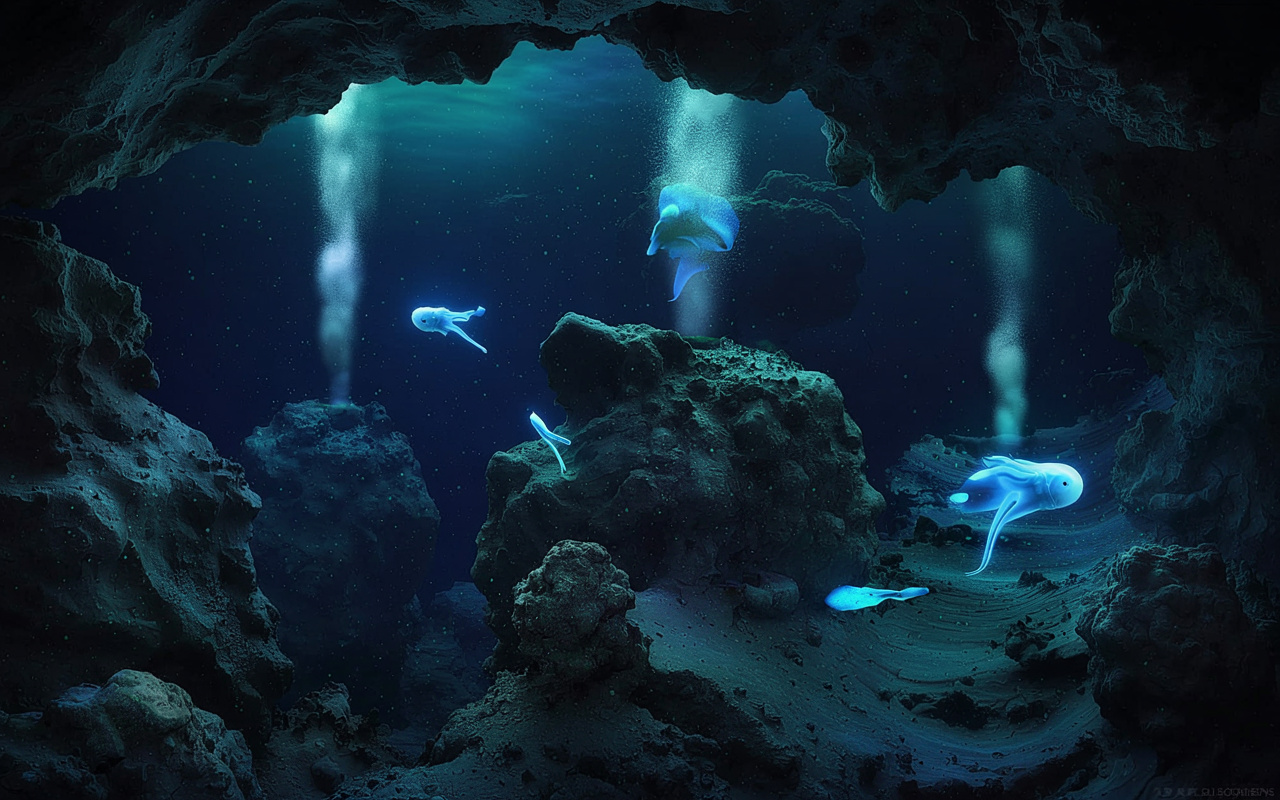
Scientists Discover Unique Ecosystem at 9 Thousand Meters Depth, With Abyssal Creatures Surviving in Total Darkness Feeding on Chemical Leaks at the Bottom of the Ocean.
At more than 9 thousand meters deep, where sunlight never penetrates and the pressure is more than a thousand times what we feel at the surface, scientists have discovered a unique ecosystem at the bottom of the sea that challenges current understanding of the limits of life on Earth. In a series of dives aboard the manned submersible Fendouzhe, researchers from the Chinese Academy of Sciences revealed communities of abyssal animals that survive in complete darkness, feeding not on organic matter, but on chemical leaks like methane and hydrogen sulfide.
This discovery at the bottom of the sea, published in Nature, occurred in the Kuril-Kamchatka and Aleutian trenches in the northwest Pacific—locations so deep that they exceed the height of Mount Everest if inverted. The most extreme area recorded by scientists was an astounding 9,533 meters below the surface, setting a new record for the depth of so-called chemosynthetic communities— a special type of extreme ecosystem where life depends on chemical reactions instead of sunlight.
Unique Ecosystem: Life at the Bottom of the Ocean Fed by Chemistry, Not Light
Unlike most marine organisms, which live from direct or indirect photosynthesis, the living beings found in this region perform chemosynthesis, meaning they convert chemical compounds released from the ocean floor into vital energy.
-
Brazilian city neighboring Paraguay becomes a ‘magnet’ for people seeking quality of life and high standards with exceptional growth and commutes of up to 15 minutes.

-
A rare storm transformed part of the Gulf into an unlikely scene of hail, extreme rain, and tornado risk in the middle of the desert, with volumes that exceeded the annual average in a single day.

-
Brazil catches the world’s attention with ships powered by ethanol and biodiesel that have lower emissions, an unprecedented certification with advantages in chartering, and a revolution in cabotage.
-
A couple who only has Sundays free has built a hand-dug pool, a hamburger joint, a dance hall, and a playground in their own home without hiring a mason, and even with breaks due to accidents and the pandemic, the work has never truly stopped.


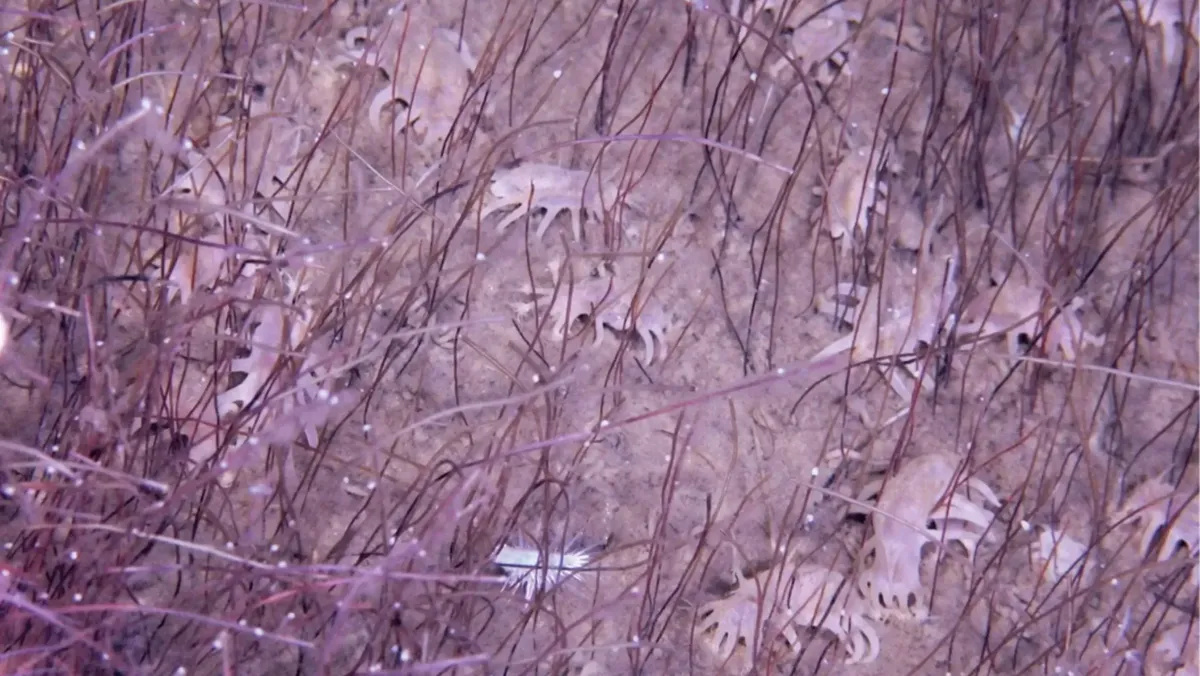
The main inhabitants of these deep zones are tubeworms and mollusks in white, gray, or red colors, many of which measure between 20 and 30 centimeters. Some specimens may be never-before-seen species, scientists indicate.
According to Mengran Du, marine geochemist and chief scientist of the expedition, the discovery stands out not only for its record depth but for the density and diversity of life observed. “It’s like a vibrant oasis in the desert of the depths,” he declared.
9 Thousand Meters Deep: A Realm of Resilient Abyssal Creatures
The environment of these hadal zones—oceanic regions located in tectonic trenches—is characterized by extreme cold, complete darkness, and constant seismic activity. Even so, scientists found unknown marine organisms that are highly specialized to survive in these brutal conditions.
In addition to the animals that thrive on chemical leaks, other non-chemosynthetic species were also documented, such as sea anemones, sea cucumbers, and spoon worms, which feed on organic remains that sink from the upper layers of the ocean.
Discovery at the Bottom of the Sea Expands Limits of Known Biology
Although the Mariana Trench—the deepest on the planet—has already revealed life forms nearly 11 thousand meters below the sea, this new research is the first to confirm the existence of stable chemosynthetic communities at such extreme depths.

According to geologist Xiaotong Peng, co-author of the study, this is the “deepest and most extensive community” of its kind ever recorded. The findings suggest that life at the bottom of the ocean may be more common and adaptable than previously thought, especially in regions with intense tectonic activity, where methane and other chemical compounds are constantly released.
Extreme Ecosystem May Exist in Extraterrestrial Oceans
The discovery of a unique ecosystem at 9 thousand meters depth has implications that extend beyond terrestrial biology.
Scientists suggest that similar environments—fed by chemical substances like hydrogen and methane—may exist on other planets or moons with subsurface oceans, such as Enceladus (moon of Saturn) or Europa (moon of Jupiter).
“The existence of chemical species in these worlds increases the likelihood of extraterrestrial life based on chemosynthesis,” Peng stated. This reinforces the importance of exploring the extremes of Earth as models for understanding the potential for life beyond our planet.
The dives conducted with the Fendouzhe submersible revealed an unexpected beauty in the depths. Du described the experience as “traveling through time,” witnessing the workings of a hidden world beneath the ocean. He expressed fascination with the resilience of abyssal creatures, which, even in the face of overwhelming pressure, absence of light, and freezing temperatures, find ways to survive and thrive.
The documented worms and mollusks appear to have developed unique adaptation mechanisms, including symbioses with chemical bacteria, pressure-resistant body structures, and metabolism focused on absorbing energy-rich compounds.
Life at the Bottom of the Ocean Challenges Logic and Expands Horizons of Science
This discovery at the bottom of the sea redefines the known limits of terrestrial life. The idea that complex life forms could thrive at 9 thousand meters depth was considered unlikely until now. The presence of self-sufficient ecosystems based on chemistry rather than sunlight forces science to reevaluate classic concepts of the biosphere.
More than a scientific curiosity, these extreme ecosystems are a window into understanding the origins of life on Earth, which may have emerged in similar environments billions of years ago.
The ecosystem discovered at 9 thousand meters depth is one of the most significant discoveries in modern marine biology. It shows that life can exist—and even thrive—in the most remote and hostile corners of the planet.
The identification of unknown marine organisms based on chemosynthesis expands our understanding of life’s diversity and reinforces the importance of exploring the ocean depths, which still hold profound mysteries.
As technology advances and allows for more frequent and safer trips to the depths of the ocean, science may just be beginning to decipher the secrets of a world that remains largely unexplored.








-

Uma pessoa reagiu a isso.