





 Portuguese
  English
  Spanish
  5 min of reading
  2 comments


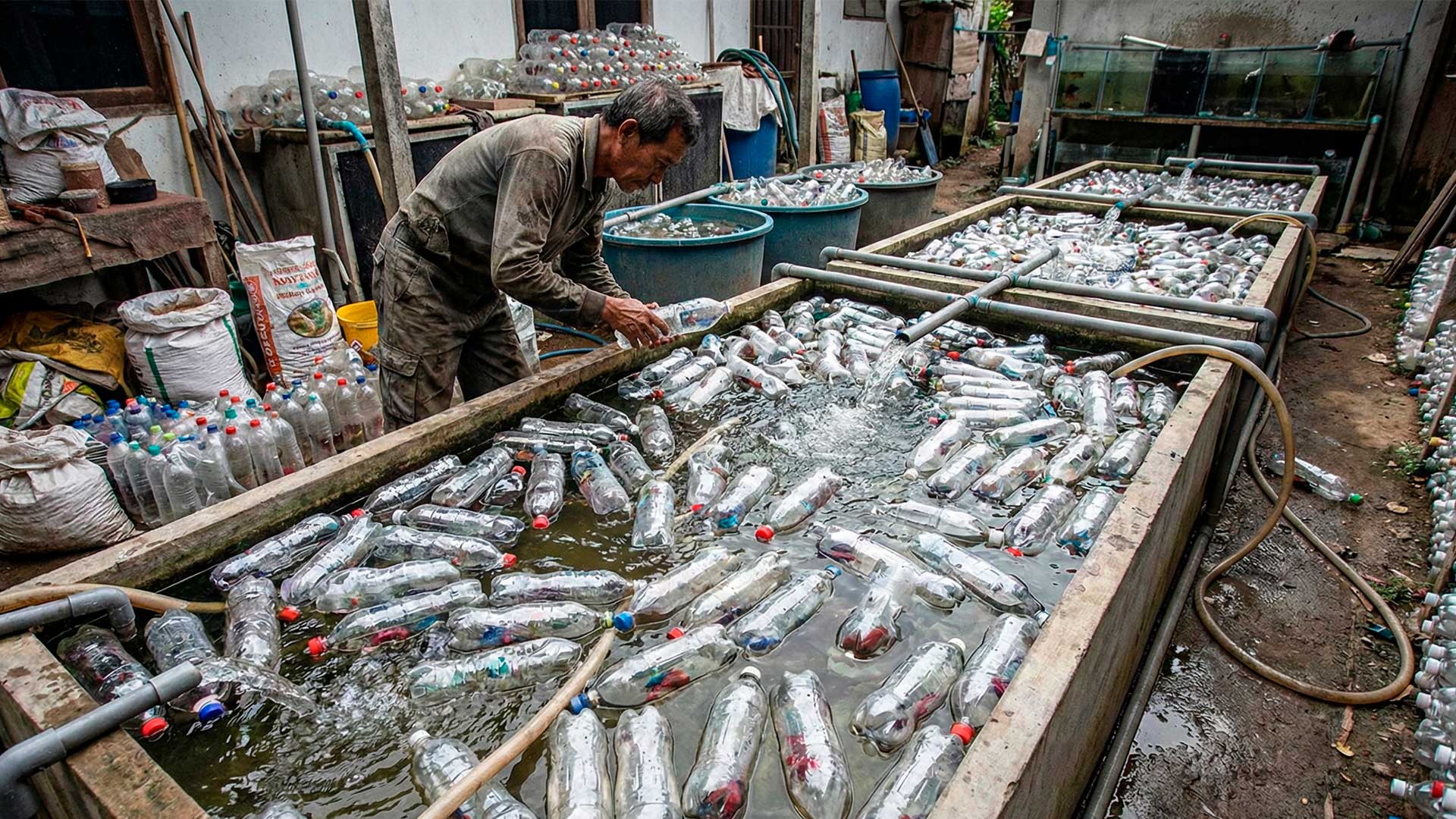


Technique That Reuses Soda Bottles to Create Thousands of Betta Fish in Small Areas Shows How Intensive Aquaculture Transforms Recycling into a Profitable and Sustainable Business, but Rekindles the Debate About Animal Welfare and Limits of Human Creativity
The idea of creating ornamental fish in soda bottles seems, at first glance, like something from an improvised home experiment. However, in Southeast Asian countries, this technique has turned into a business model for producers who can keep thousands of betta fish in backyards and small plots of land.
The method, shown in videos from the international channel Dexter’s World and in records from farms in Thailand and the Philippines, uses recycled PET bottles as individual breeding units for males, which are extremely territorial.
While it impresses with its ability to transform waste into productive structures, the technique raises questions about the welfare conditions of these animals.
-
A rare storm transformed part of the Gulf into an unlikely scene of hail, extreme rain, and tornado risk in the middle of the desert, with volumes that exceeded the annual average in a single day.

-
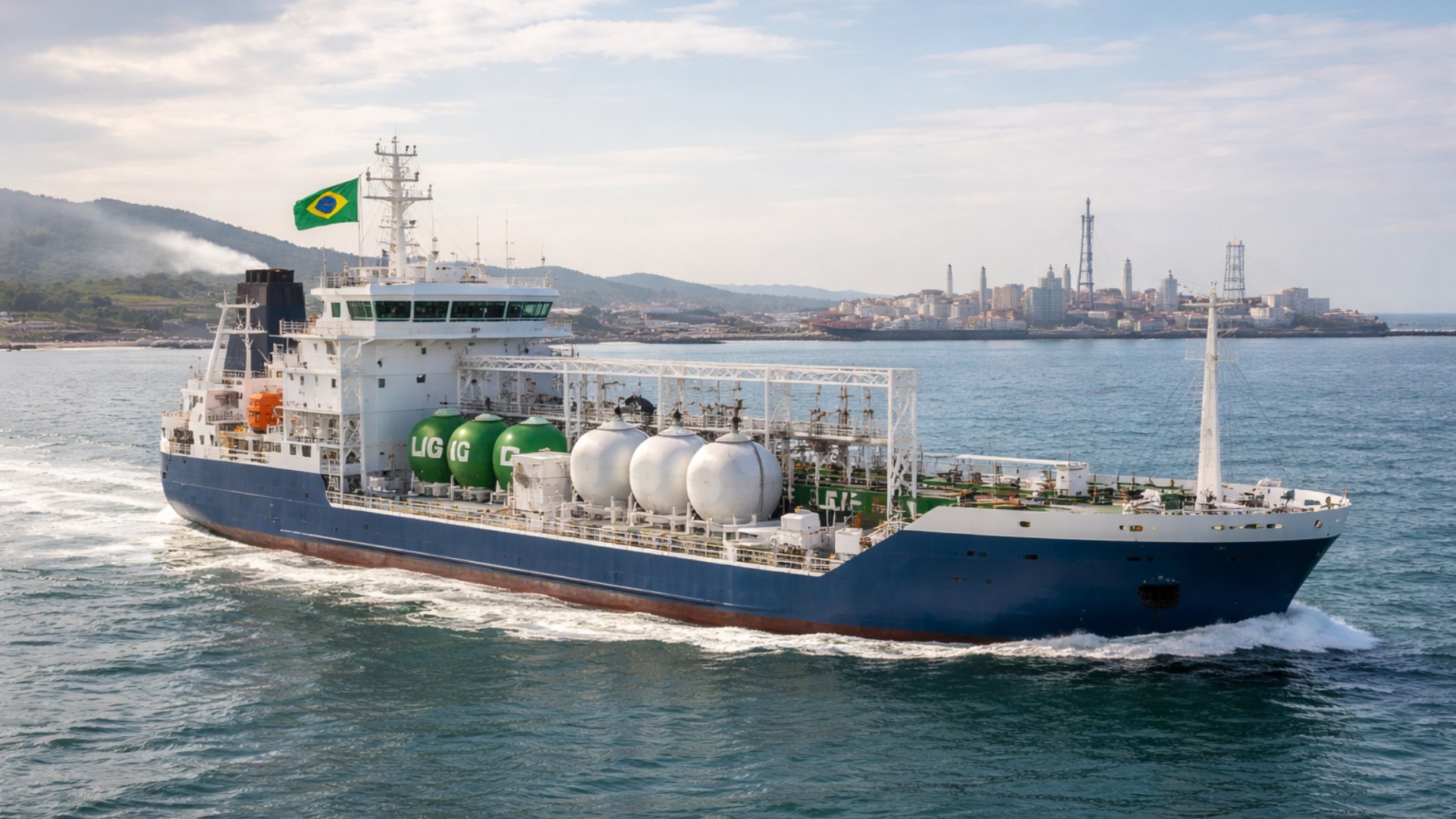
Brazil catches the world’s attention with ships powered by ethanol and biodiesel that have lower emissions, an unprecedented certification with advantages in chartering, and a revolution in cabotage.
-
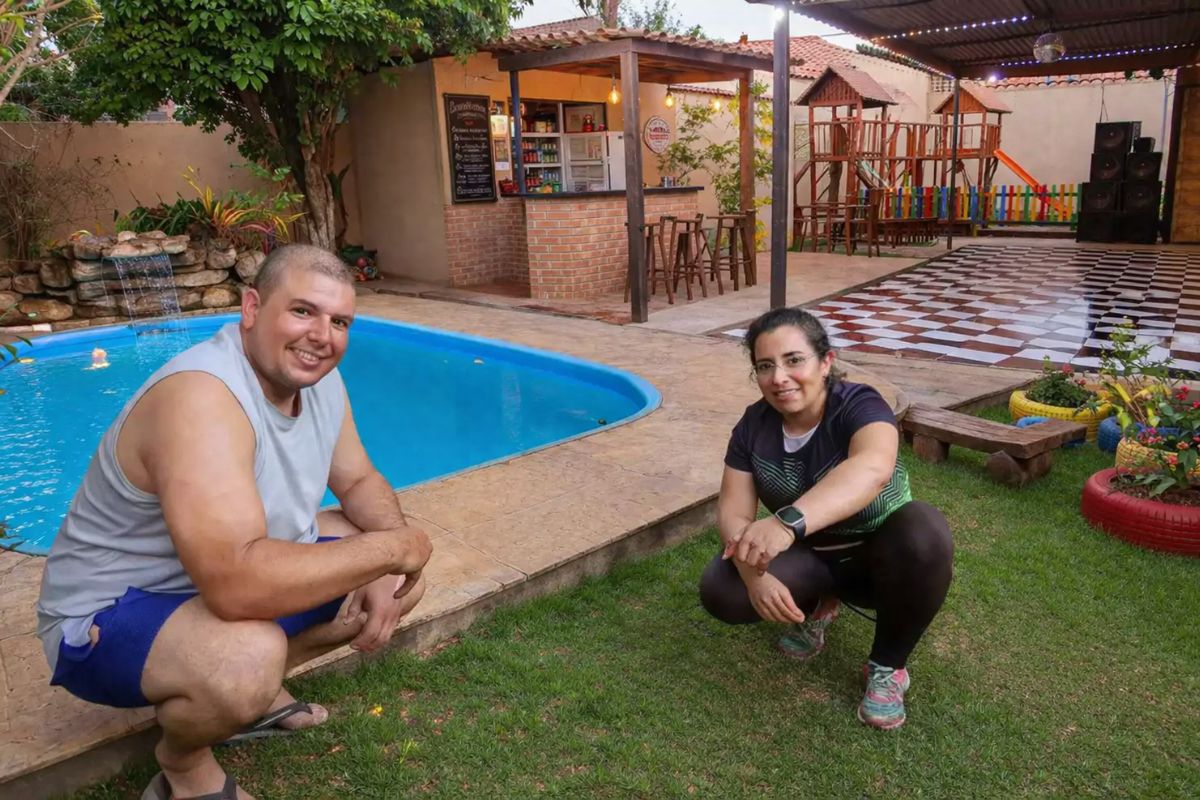
A couple who only has Sundays free has built a hand-dug pool, a hamburger joint, a dance hall, and a playground in their own home without hiring a mason, and even with breaks due to accidents and the pandemic, the work has never truly stopped.
-
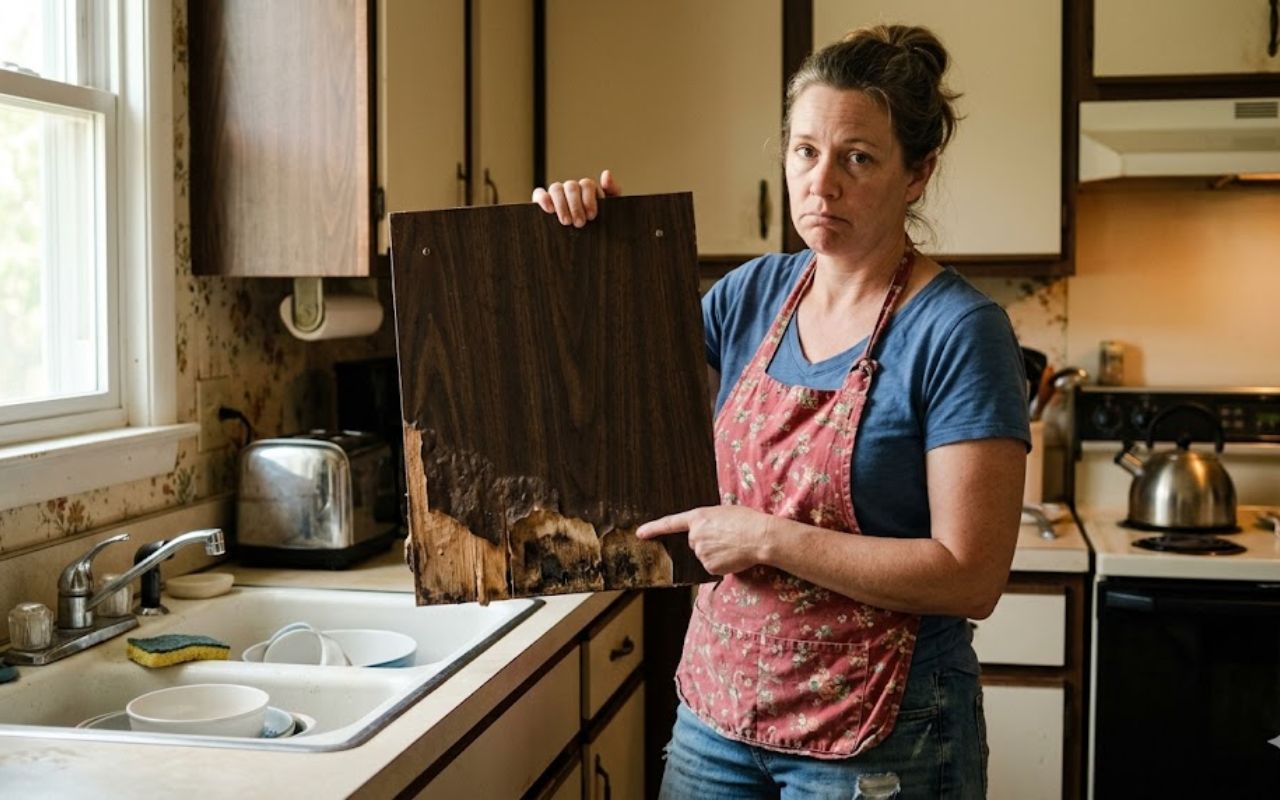
Furniture made with aluminum and glass does not warp and has become an alternative to replace MDF in Brazil.

In Brazil, where family fish farming gains traction as an alternative for additional income, the discussion revolves around whether this model could be responsibly adapted or if it would cross the line into mistreatment.
Aquaculture experts and ornamental fish owners warn that the fascination with creative solutions cannot ignore minimum requirements for space, water quality, and proper management for the betta fish. The controversy is precisely what makes the topic relevant to the Brazilian public interested in sustainable aquaculture, extra income, and animal welfare.
How Betta Fish Are Raised in PET Bottles
The Asian breeders featured in the videos begin the process in landfills and dumps, collecting large quantities of 1.5 to 2.5-liter PET bottles that would otherwise be discarded. They then perform rigorous cleaning, removing labels and residues, transforming each bottle into a small individual reservoir for the fish.
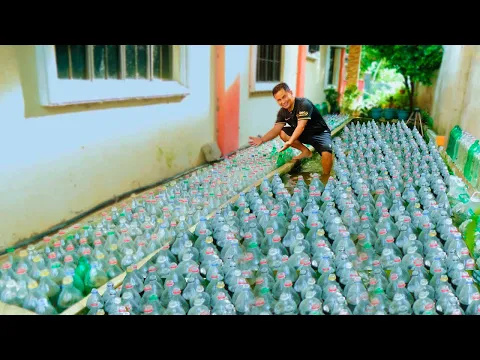

Instead of keeping the bottles stationary on shelves, the breeders set up masonry tanks with running water, where the bottles float with small holes in the plastic. Water from the tank circulates through the openings, constantly renewing the interior of each bottle and ensuring oxygenation and dilution of waste, something akin to a simplified recirculation system.
The betta fish is known for its aggressive behavior, especially among males, which explains the use of separate containers. In the wild, these fish occupy small territories but have vegetation, hiding spots, and natural water renewal, factors that breeders try to partially replicate through continuous circulation and the provision of quality feed.
The production cycle includes breeding in larger basins, where males and females are brought together, and the traditional “bubble nest” is formed by the male to receive the eggs.
After the fry stage in larger communal containers, the young are separated into the bottles for growth and standardization until they reach a sale size for stores and consumers.
This organization into individual bottles allows thousands of fish to be raised in a relatively small area, reducing costs compared to traditional aquariums. To an outsider, the scene impresses with the number of animals and the intense use of each square meter.
Sustainability and Low Costs Attract Small Breeders
One of the strongest arguments in favor of the technique is the space and initial investment savings. PET bottles are abundant, virtually free, and the use of shared tanks for water circulation reduces the amount of equipment and structures needed to keep the system running.
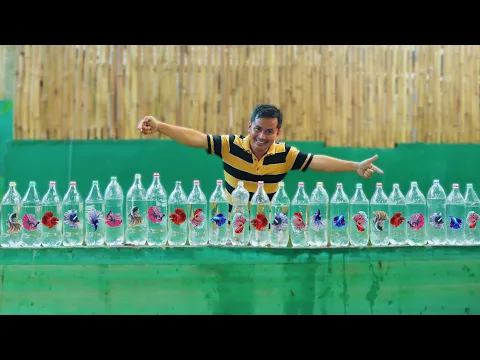
Technical documents on small-scale aquaculture indicate that intensive production systems in low water volume can be economically viable, as long as there is water quality control and proper management. In Brazil, studies on family fish farming show that fish breeding can supplement income and enhance food security in rural areas, even in reduced spaces.
In practice, the bottle model fits this logic of low-cost domestic aquaculture, which naturally sparks interest among Brazilians seeking extra income in their backyards or small properties.
The combination of plastic waste reuse with income generation gives the project an aura of being environmentally correct, even though this perception is not unanimous among animal welfare experts.
Betta Fish Welfare: The Most Controversial Aspect of the System
On one hand, creativity garners headlines and millions of views; on the other, the treatment of betta fish in small vessels is criticized by animal protection organizations. Investigations into the betta industry in Asia have already shown animals kept in tiny containers, with dirty water and high mortality rates, a scenario described as cruel and unsustainable by entities like PETA.
Science has also reinforced these criticisms. A study published in 2024 on the behavior of Betta splendens concluded that small containers without environmental enrichment are harmful and recommends tanks of at least 5.6 liters for store displays, with plants, substrate, and hiding spots.
For home maintenance, even larger volumes are considered ideal for the fish to express natural behaviors.
International organizations and management guides cite similar values, recommending aquariums starting from 3 to 5 liters, with filters, heaters, and decorations, discouraging the use of pots, cups, and small bottles as permanent housing.
In Brazil, educational content from major pet shop networks reminds us that bettas can survive in small spaces but not necessarily live well, emphasizing the importance of water quality, filtration, and regular maintenance.
The big question, therefore, is that the bottle system shown in Asian videos seems to combine two elements that rarely meet in problematic breeding: constantly circulating water and varied professional-grade feeding.
Still, welfare experts warn that survival and growth are not synonymous with quality of life, and that the effective size and enrichment of each bottle remain sensitive points in the discussion.
It Is Possible to Adapt Fish Breeding in PET Bottles to Brazil Without Committing Mistreatment
For the Brazilian audience, the natural curiosity is to know if it would be possible to replicate the idea of creating fish in PET bottles in the backyard.
In theory, the answer revolves around a central word: adaptation. This includes respecting local animal welfare regulations, seeking technical guidance, and ensuring that each fish has space, quality water, and appropriate stimuli.
Researchers in sustainable aquaculture argue that small-scale intensive systems must consider the social, economic, and environmental context of each region. In other words, copying the form is not enough; management, density, water volume, and structure must be adjusted to Brazilian conditions, at the risk of turning a creative solution into a source of animal suffering and legal issues.
Those wishing to start a small breeding of betta fish in Brazil, focusing on ornamental aquariums and local sales, now find many alternatives beyond bottles.
Modular aquariums, compact recirculation systems, and even small-scale aquaponics allow for more production in less space, with greater welfare control and better acceptance among conscious consumers.
In your view, would you see breeding betta fish in PET bottles with running water as a form of sustainable entrepreneurship or as a type of excessive confinement bordering on mistreatment? Do you think this model deserves to be adapted to Brazil with clear rules, or should it be rejected as a principle to avoid risks to animal welfare? Leave your opinion in the comments.






E os frangos de granja? Também ficam confinados em espaços minúsculos e ninguém protesta.
Tem que ser proibido isso é maus tratos aos animais