





 Portuguese
  English
  Spanish
  8 min of reading
  0 comments


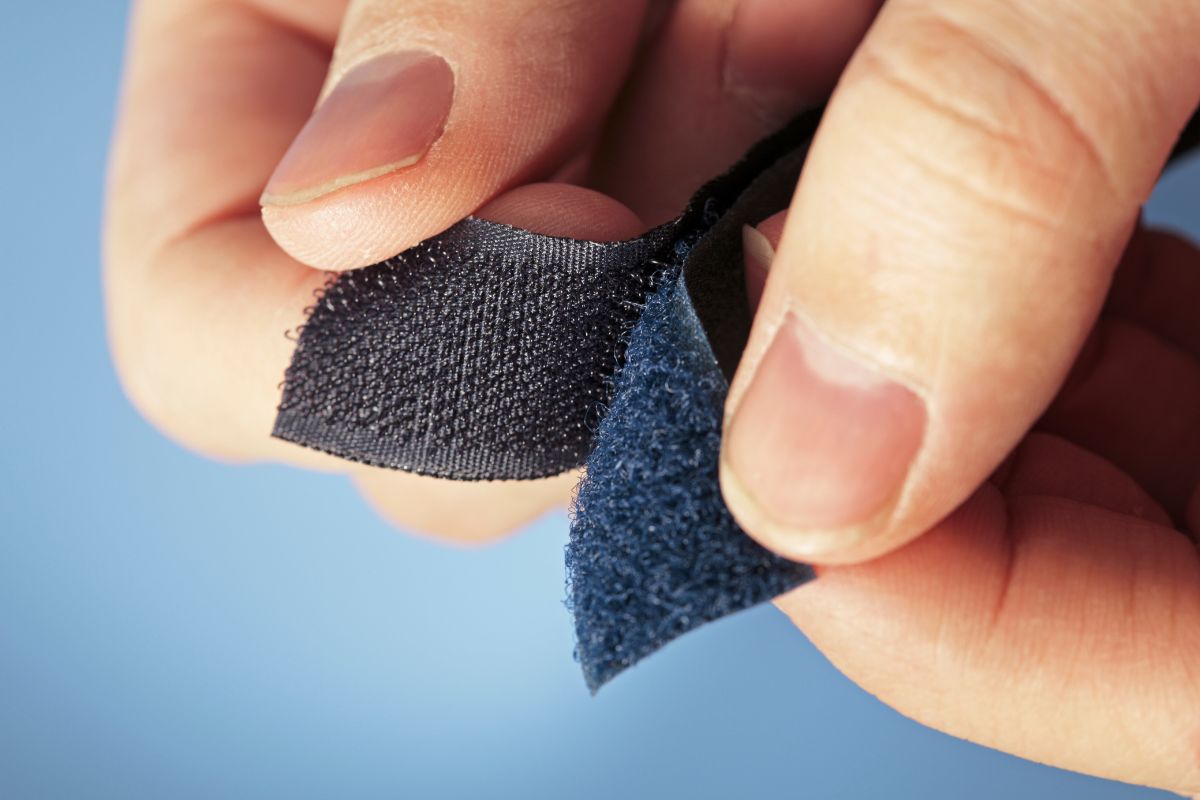
From An Annoying Walk in the Alps to Outer Space: The Incredible Story of How Those Little Seeds That Stick to Clothing Inspired One of Humanity’s Most Revolutionary Inventions. Discover How 10 Years of Persistence, Lots of Velcro, and a Bit of Genius Changed the World Forever
You know that unmistakable sound of Velcro opening? I bet you just heard it in your head right now. It’s impressive how this little detail is part of our lives. From your child’s shoes to that bag you use every day, Velcro is there, quietly making our routines easier. But have you ever stopped to think about how this genius came about?
Velcro was born from something so simple that it could have happened to any one of us. Just imagine: you go for a walk with your dog, come home covered in those little seeds stuck to your clothes, and instead of just complaining and taking them off, you decide to investigate what makes them stick so well.
Well, that’s exactly what happened to a very curious man in Switzerland, and the result changed the world forever. Today I will tell you all the details of this incredible story that ranges from a walk in the countryside to outer space.
-
Neither in the refrigerator nor in a poorly sealed bag: this is the correct way to store bread.

-
The largest Anglo-Saxon treasure ever found was discovered by a worker with a metal detector in a field in England and revealed more than 4,600 pieces of gold and silver from the 7th century, a collection with 5 kg of gold valued at £3.285 million.
-
Man transforms old bus into a house on wheels with wooden furniture, rooftop terrace, and solar power system.

-
Since the Aztecs, farmers in Mexico have built artificial islands surrounded by canals and maintain a highly productive system that still challenges the logic of conventional agriculture today.


Read Also: The Plastic Straw – A Revolution in the Beverage Industry… and in the Environmental Crisis
When Nature Becomes Our Teacher
So, let’s go back to 1941. Georges de Mestral was enjoying a beautiful day in the Swiss Alps with his dog. Fresh air, gorgeous scenery, that nice feeling of being in nature. But on the way home, both he and the dog were completely “decorated” with burdock seeds stuck all over them.
Georges had that curiosity that every inventor needs to have. Instead of just getting annoyed, he thought, “How do these things stick so well?”
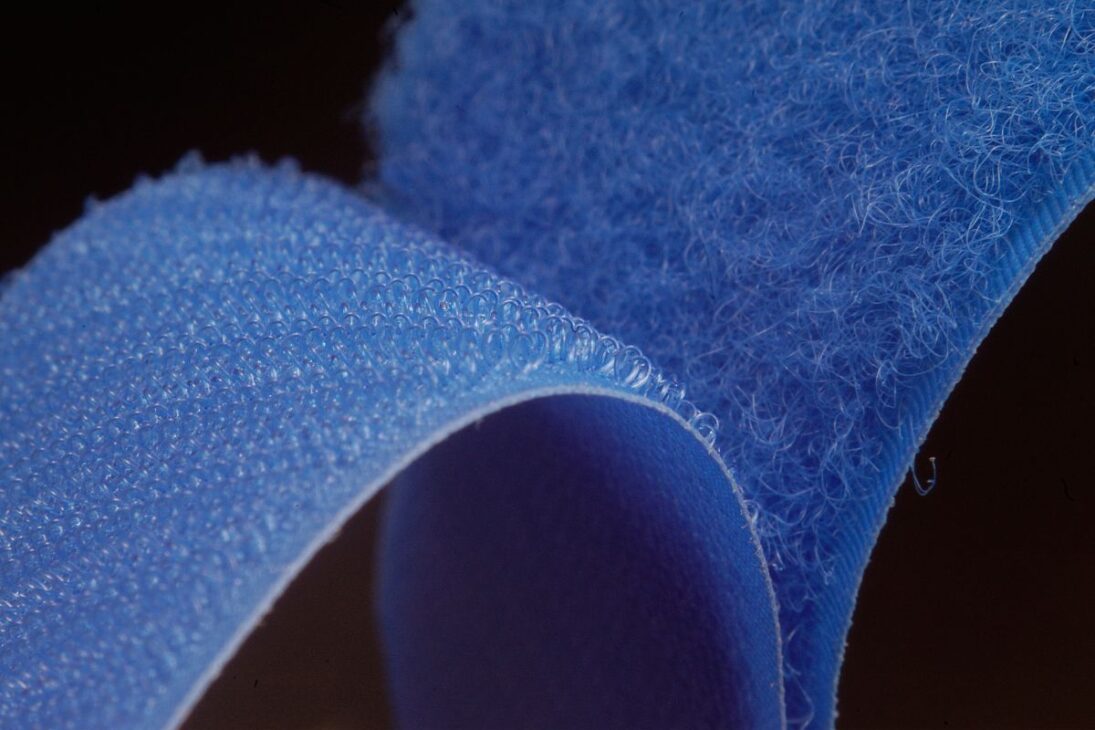
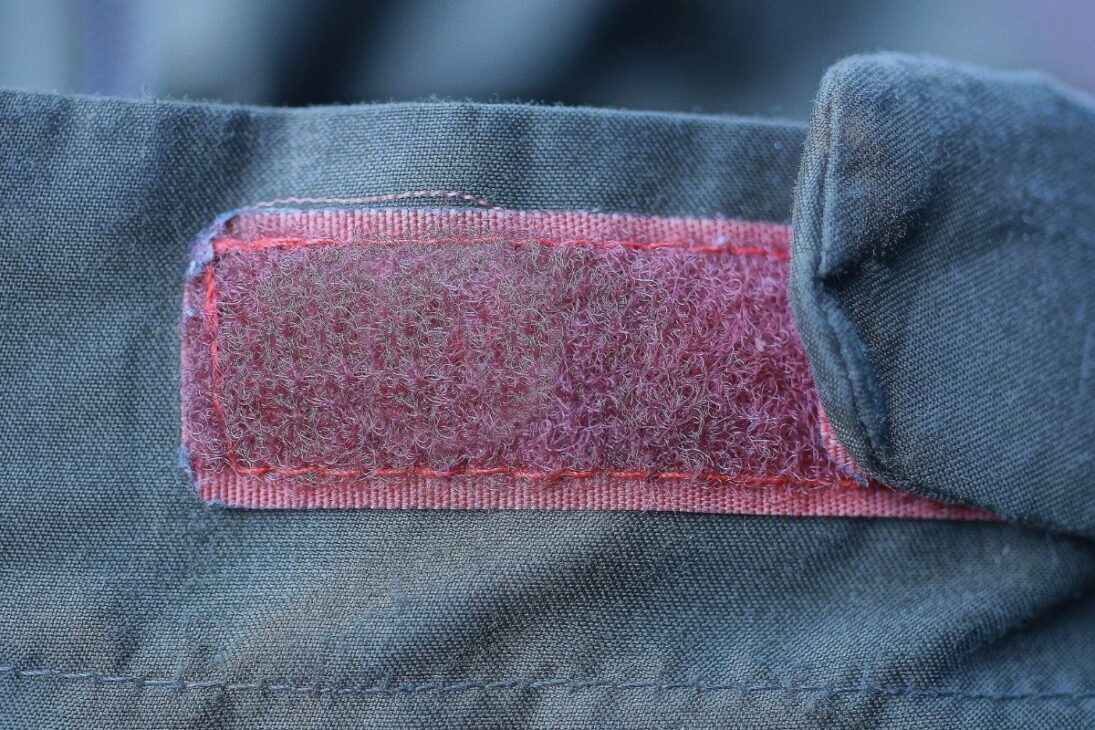
Then he did something that changed everything: he took a microscope and started investigating. Each seed had hundreds of tiny hooks, so small that they could only be seen under the microscope. These hooks latched perfectly onto the fabric of clothing and the dog’s fur.
Nature had spent millions of years developing the perfect system to spread seeds – and Georges had just discovered how to replicate this genius. Velcro was being born at that magical moment of observation and curiosity.
Ten Years of “Almost There, But Not Quite”
Georges spent no less than ten years trying to turn his idea into reality. At first, he tried everything. He used cotton, but quickly found out that it didn’t work – cotton fell apart too quickly. He knew the idea was good, but finding the right material was a nightmare.
After much testing and failing, he discovered that heated nylon could create those perfect hooks. But he also needed to create the other side – the one full of loops where the hooks would attach. It was like putting together a giant puzzle where each piece had to be perfect. I can only imagine how many times he must have thought about giving up. In 1951, he finally managed to create a prototype that actually worked.


Officially Born
In 1955, Georges finally managed to register his patent. And do you know where the name Velcro comes from? He combined two French words: “velours” (which means velvet) and “crochet” (hook). But the beginning was far from easy. Companies looked at that strange thing and thought, “Who’s going to want this?” It was like trying to sell a cell phone to someone in 1800 – people simply couldn’t visualize the possibilities.
Moreover, producing Velcro was expensive and complicated at first. Imagine trying to convince someone to buy a product more expensive than traditional buttons and zippers, without being sure if it would catch on. That’s when Georges made a bold decision: “If no one wants to manufacture my invention, I’ll do it myself.” And he set up his own factory in France. He not only invented the product but also had to invent the machines to produce it.
Little by little, some specialized industries began to give Velcro a chance. First were the military and a few industrial companies that saw the potential.
Houston, We Have a Velcro! (The Arrival in Space)
When NASA discovered Velcro, it was love at first sight. Just imagine floating in space, with no gravity, and needing to keep things in place. How do you do that?
Astronauts on the Apollo missions stuck everything to the walls of the spacecraft: tools, food, equipment… Without Velcro, imagine the chaos it would be – everything floating around, potentially causing accidents or damaging super expensive equipment.
The astronauts used Velcro on their space suits. They could attach cameras, tools, and other equipment directly to their clothing. During spacewalks, this was essential. Velcro endured all the extreme conditions of space: freezing cold, heat, vacuum, radiation… All while functioning perfectly. Even today, at the International Space Station, Velcro remains one of the astronauts’ best friends.
Velcro Is Everywhere
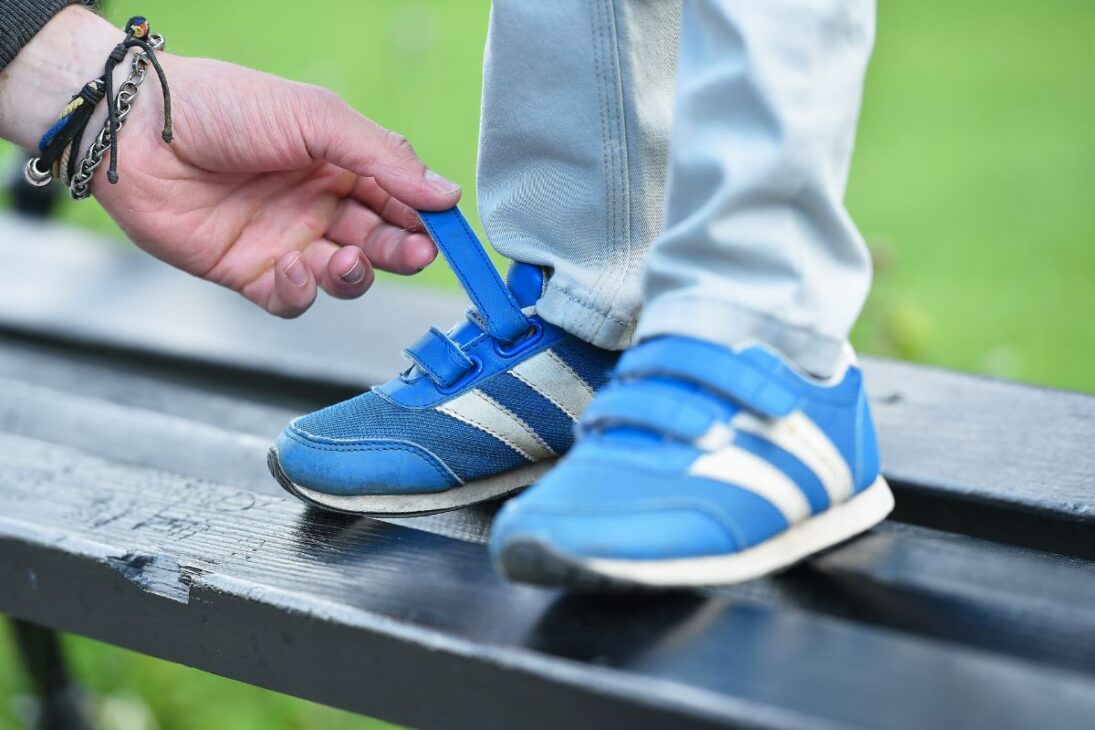
After the success in space, the whole world began to see Velcro’s potential. And today it’s literally everywhere. In the medical field, then, it’s a wonder. Braces, special bandages, physiotherapy equipment… Everything becomes more practical and comfortable. Imagine an elderly person with arthritis trying to tie their shoes – with Velcro, it’s easy. It’s about giving dignity and making people’s lives easier.
In cars, it has also made itself at home. Trunk organizers, carpet fastening, and even in some parts of airbags. And here’s something interesting: in the automotive industry, Velcro needs to be very durable because it’s exposed to extreme temperatures, humidity, dust… And it holds strong.
The military has never let go of Velcro since they discovered it. In combat situations, you need to access your equipment quickly and quietly. The silent Velcro became the soldiers’ best friend in special operations. Fashion has also embraced Velcro. It’s not just functionality – it has become a design element. Famous designers use Velcro in haute couture pieces.
The Future Is Now: Velcro Version 2.0 and Beyond
Velcro has not stood still. The science team keeps inventing new and improved versions. There are Velcro strips that kill bacteria – perfect for hospitals and laboratories. Imagine how this facilitates life in healthcare. And there’s more: now there’s Velcro that works in absurd temperatures, from freezing cold to melting heat. This has opened doors for uses in industries we never imagined – oil, polar exploration, even industrial ovens.
One innovation is also Velcro that conducts electricity. Besides fastening things, it forms electrical connections. It’s like a cable and a clamp at the same time. And for those who care about the environment, there are biodegradable versions being developed. The Velcro of the future will be a friend to nature, just like it was inspired by it in the beginning. Even in advanced medicine, it is making its way in. Researchers are creating microscopic Velcro to release medicines in the body in a controlled manner. It’s science fiction becoming reality.
What This Story Teaches Us
What’s most exciting about this story is realizing how a simple observation, made by a curious person, can change the entire world. Georges could have simply brushed off those seeds and moved on, like any of us would have. But he stopped, observed, questioned, and persisted.
Velcro teaches us that the best solutions are sometimes right in front of us, in the nature that surrounds us every day. How many other incredible inventions are waiting for someone curious enough to notice them?
This story also shows us that not giving up is worth it. Ten years of development, facing skepticism, investing his own money… But in the end, every minute was worth it. Today, millions of people have their lives made easier because of one person’s persistence.
And you, how about starting to look at the world around you with those curious eyes of Georges? Who knows, the next great invention might be hidden in some little “annoyance” in your daily life? Share with us in the comments: what irritating situation in your routine could turn into a genius solution?
I’d love to know your opinion about this story! Have you noticed any interesting behavior in nature that could inspire an invention? Or do you have any funny memory involving Velcro? Share below – let’s exchange experiences and maybe inspire more people to look at the world with curiosity!
Questions About Velcro
It can get a bit lazy after much use, especially when lint and dirt accumulate on the hooks. But just clean it with an old toothbrush, and it will work like new again.
Very easily! Take a toothbrush that you no longer use and brush the hooks to remove all the dirt and lint. If it’s really dirty, you can use warm water with a mild soap. Just let it dry well before using it again.
Yes, there are special versions made for wet environments and even for marine use. They are perfect for diving equipment, swimwear, and other products that come into contact with water.
That’s an important question! Traditional nylon Velcro is not easy to recycle, but the good news is that there are more sustainable versions being developed. It’s always worth checking the recycling points in your city to see if they accept it.
That characteristic “zip” happens because the hooks release quickly from the loops all at once. It’s like a microscopic orchestra! But if the noise bothers you, there are silent Velcro options for situations where you need discretion.







-

Uma pessoa reagiu a isso.