





 Portuguese
  English
  Spanish
  3 min of reading
  0 comments


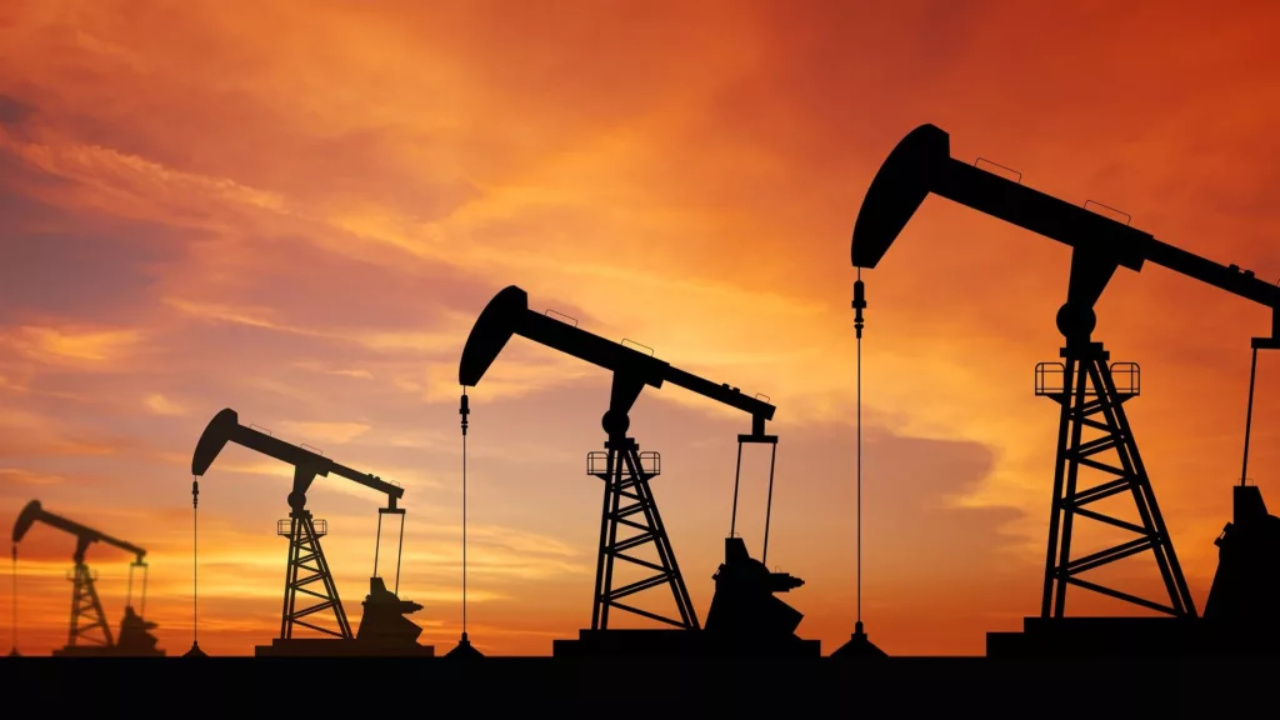
Venezuela Claims That Oil Prices Will Not Be Dictated By The United States And Assures China That Its Investments Remain Safe Amid Sanctions, Political Tensions, And Global Energy Disputes.
Venezuelan oil has once again sparked tension in the global arena. Amid sanctions, diplomatic disputes, and even a military operation by the United States, the Venezuelan government decided to send a direct message.
The message was clear: oil prices will not be set by Washington.
The statement comes at a delicate moment. China is currently the main destination for Venezuelan oil, purchased at significant discounts due to American sanctions.
-
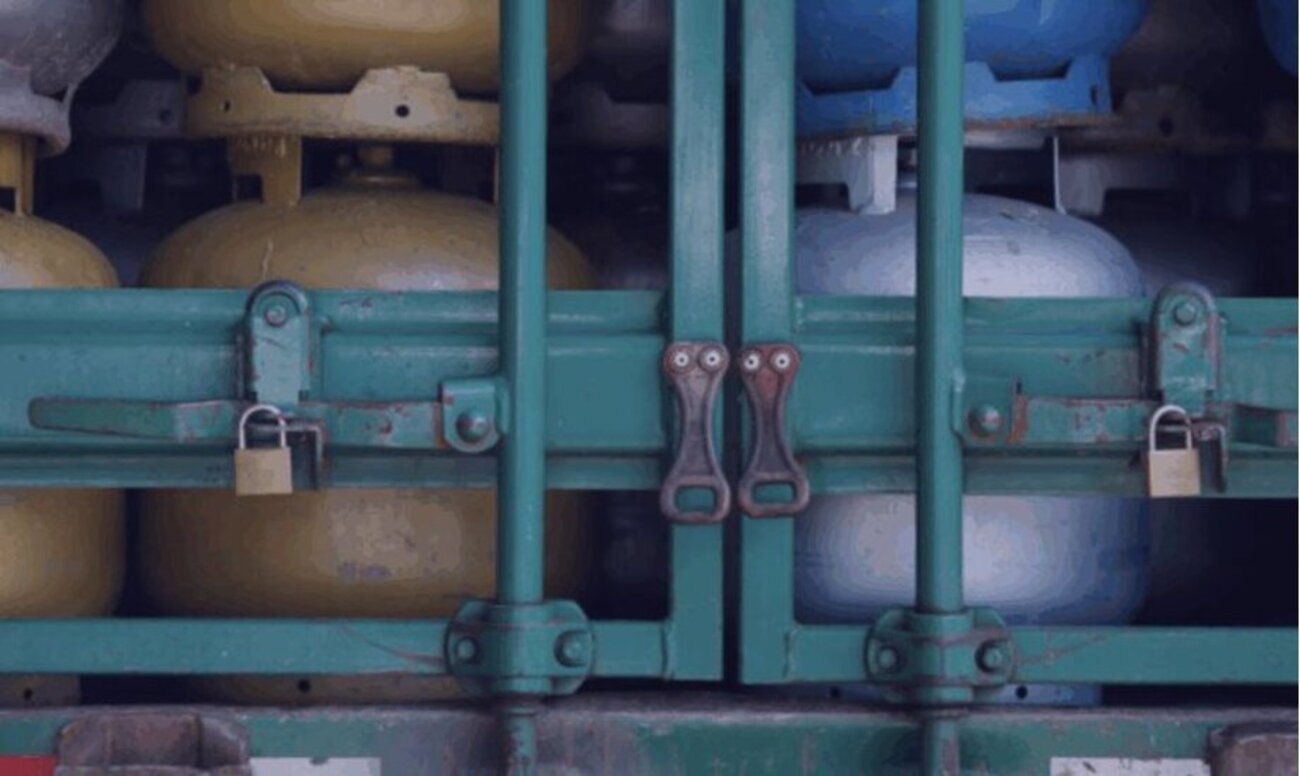
Petrobras evaluates suspension of sales to distributors and considers canceling the cooking gas auction following guidelines from the Federal Government.
-
Lula reveals a masterstroke by Petrobras to undo a deal made by Bolsonaro, which involves the return of an important refinery that currently produces less than half of what was expected and makes Brazil dependent on international diesel.
-
A study confirms that the natural gas sector will reduce greenhouse gas emissions in Brazil by 0.5% and accelerate the energy transition by 2026.

-
Petrobras implements a severe adjustment and confirms a 55% increase in the price of aviation kerosene with a proposal for installment payments for the companies.


Even so, Caracas is trying to show that it maintains control over its decisions and will not accept outside-imposed rules.
Venezuela Tells China That It Controls Its Own Prices
During a press conference on Tuesday (3) in Beijing, Venezuela’s ambassador to China, Remigio Ceballos, reacted to information that the United States might attempt to influence the price paid for Venezuelan oil.

According to him, this will not happen. “Regarding oil pricing, Venezuela will not follow the arrangements of the United States or other countries. We have the right to make independent decisions, and oil prices will be determined based on international market prices.”
This statement directly responds to a report from the Wall Street Journal, published in January 2026. The newspaper stated that the President of the United States, Donald Trump, was considering exercising control over the state-owned PDVSA, including reducing the price of the barrel to US$ 50.
Capture of Maduro Changes The Oil Game
Ceballos’ statements came just weeks after an episode that shocked the world. In a surprise military operation, the United States captured the President of Venezuela, Nicolás Maduro, and his wife, Cilia Flores.
After the action, Washington began to try to directly influence the country’s oil sector through sanctions and negotiated sales. The move raised doubts about who actually controls the production and marketing of Venezuelan oil.
Even so, Ceballos tried to downplay the impact of the episode on the relationship with China. “China and Venezuela are trusted partners,” he stated. He also mentioned that the relationship between the two countries cannot be affected by any third party.
China Responds And Protects Its Interests In Oil
China publicly condemned the U.S. military action and called for Maduro’s release. The Asian country has much at stake. Today, a significant portion of Venezuelan crude oil goes to the Chinese market.
Additionally, Chinese companies maintain a direct presence in the sector. The China National Petroleum Corporation has partnerships with PDVSA.
Private company China Concord Resources Corp. announced in August an investment of over US$ 1 billion in an oil project, aiming to produce 60,000 barrels per day by the end of 2026.
Ceballos emphasized that these investments are protected. “The Chinese companies operating in Venezuela and the investments from other countries will continue to progress normally. Not only in the oil sector but all areas of cooperation will not be affected.”
The Trump administration claims that its actions in the Venezuelan sector are positive. The idea would be to increase oil production, attract investments, and lower prices, which would help both Venezuela and American consumers.
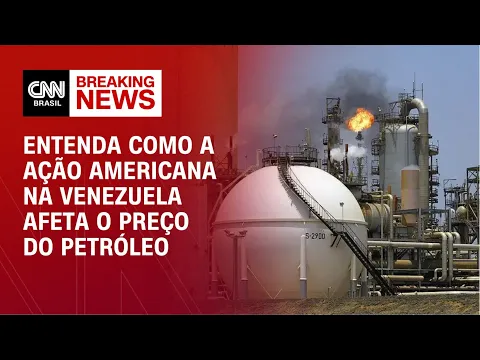

In testimony before Congress, Secretary of State Marco Rubio stated that the sale of oil under U.S. supervision was a temporary solution. According to him, the goal would be to keep the Venezuelan government functioning.
Washington reported that it had returned US$ 500 million from the initial sale of oil to the Venezuelan government. Additionally, it was preparing a license to allow companies to negotiate, transport, and refine Venezuelan oil.
Trump also signaled a change in tone. “China is welcome to come in and will make a great deal on oil,” he said during a flight on Air Force One.





-

Uma pessoa reagiu a isso.