





 Portuguese
  English
  Spanish
  3 min of reading
  0 comments


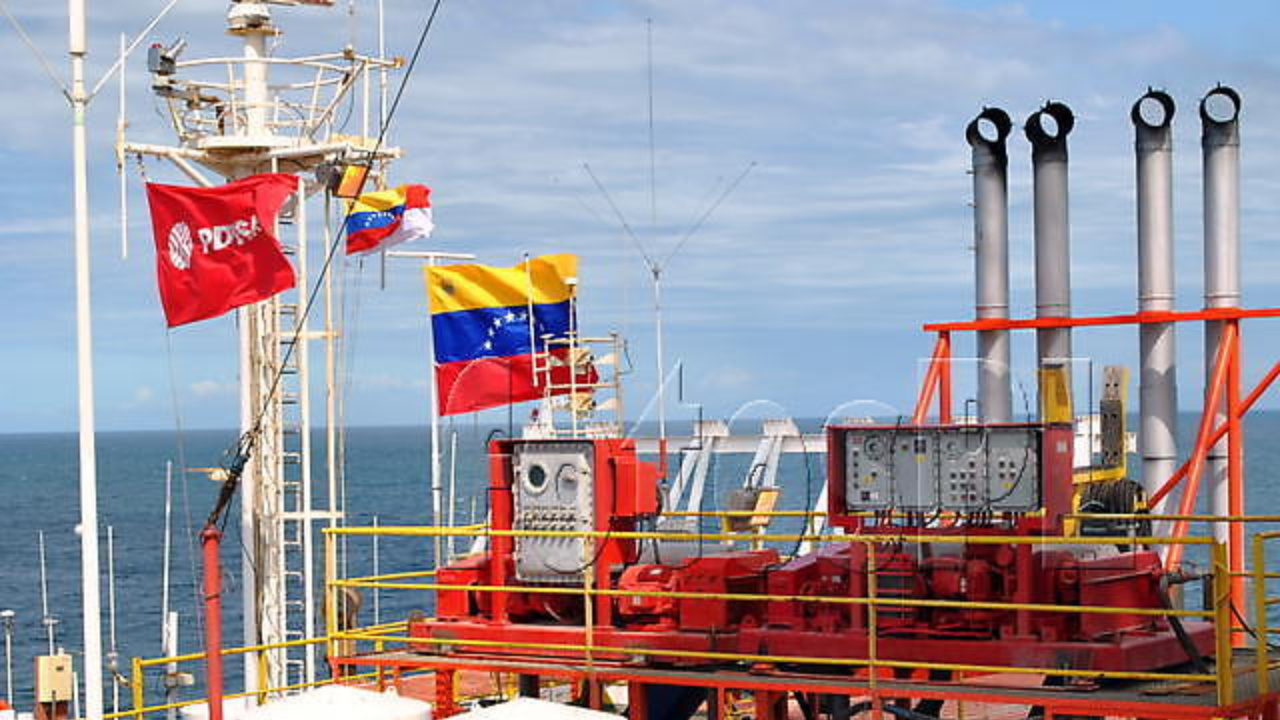
The Oil Production of Venezuela Is Growing Again After US Licenses and Recovery in the Orinoco Belt. Understand Why the Country Is Close to 1 Million Barrels Per Day and What This Changes in the Market.
The oil from Venezuela has returned to the center of attention. After months of forced cuts, the country has managed to recover a good part of its production. According to sources linked to operations, total extraction is approaching 1 million barrels per day (bpd).
This movement alters the balance of the international market and, at the same time, generates political tension.
Moreover, the advance occurs just after a period of blockades imposed by the United States.
-
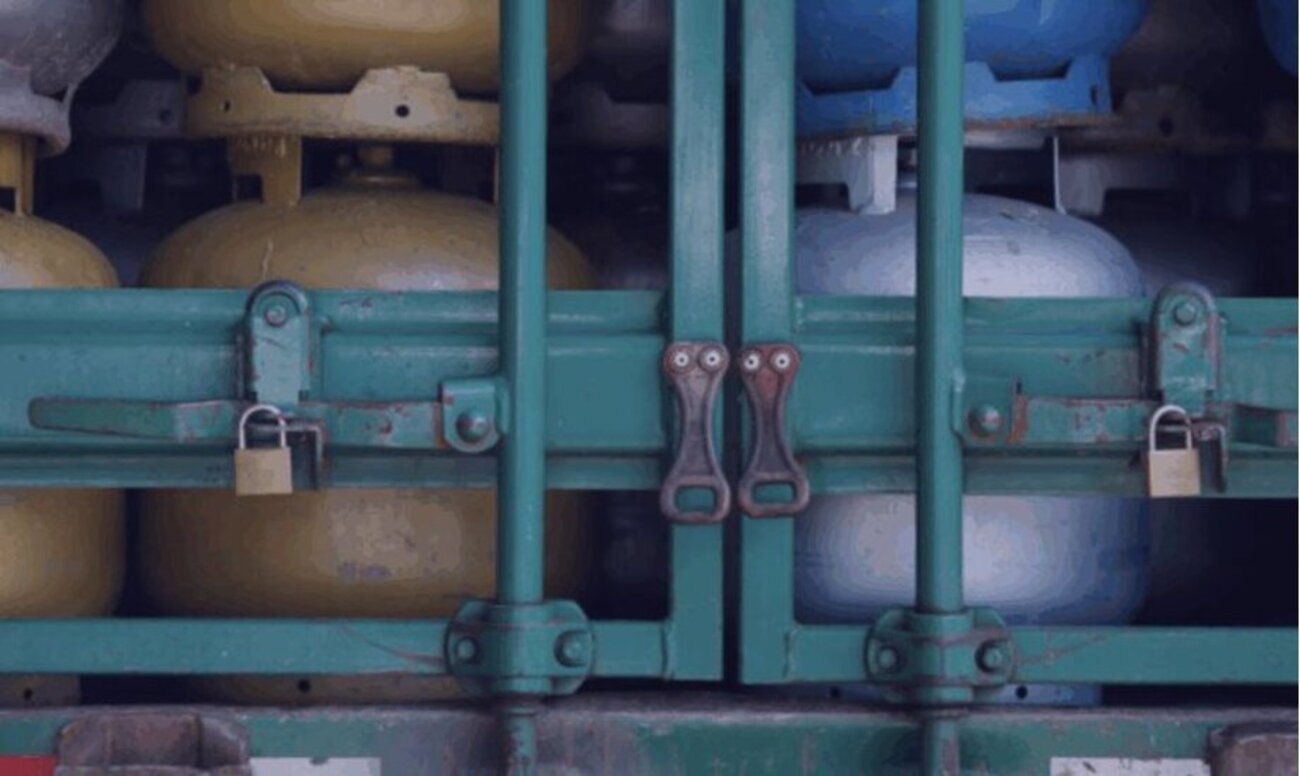
Petrobras evaluates suspension of sales to distributors and considers canceling the cooking gas auction following guidelines from the Federal Government.
-
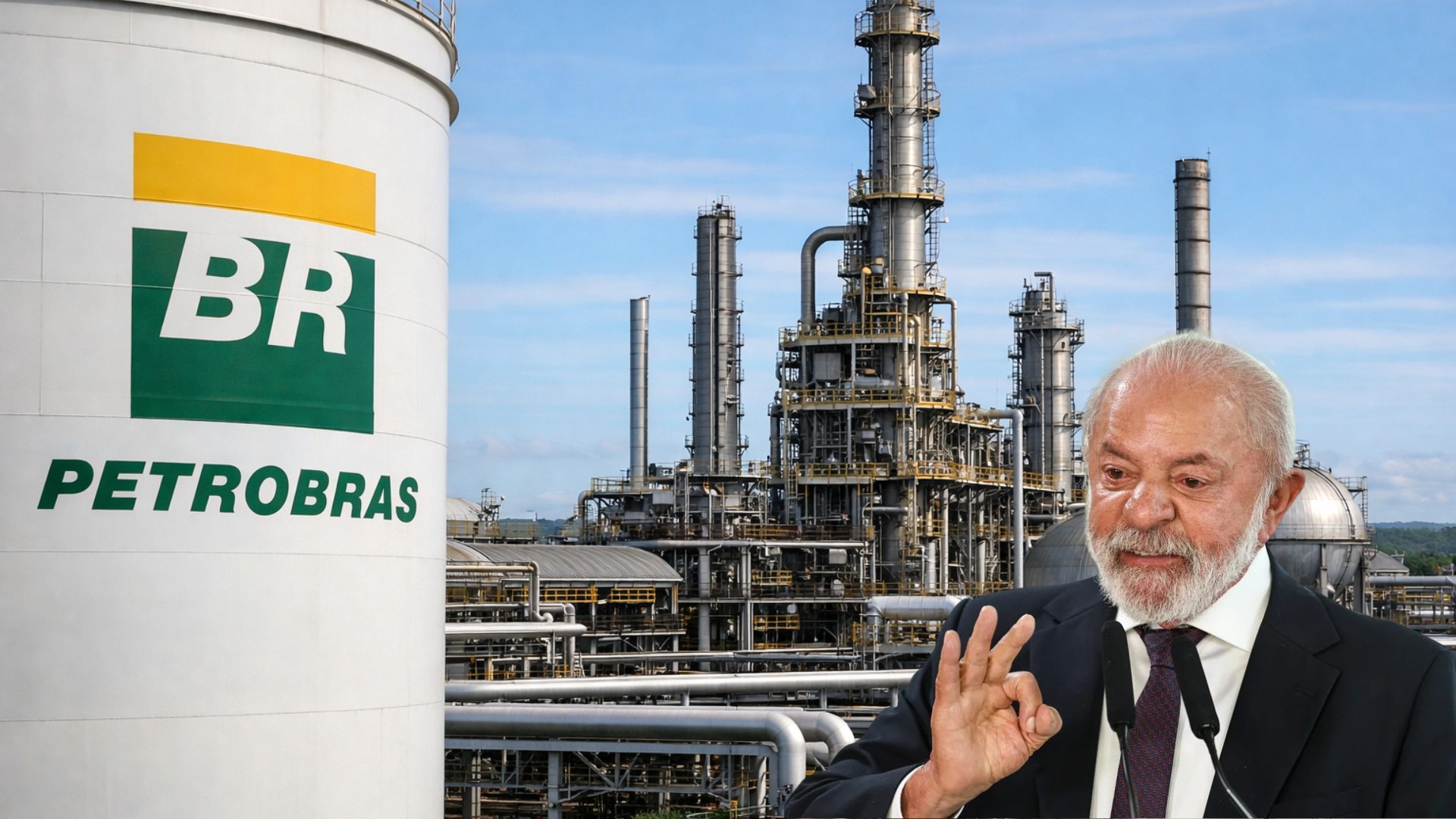
Lula reveals a masterstroke by Petrobras to undo a deal made by Bolsonaro, which involves the return of an important refinery that currently produces less than half of what was expected and makes Brazil dependent on international diesel.
-
A study confirms that the natural gas sector will reduce greenhouse gas emissions in Brazil by 0.5% and accelerate the energy transition by 2026.

-
Petrobras implements a severe adjustment and confirms a 55% increase in the price of aviation kerosene with a proposal for installment payments for the companies.


This recovery attracts the attention of investors, governments, and the energy sector itself.
Orinoco Belt Drives the Oil Recovery
The Orinoco Belt, the main oil-producing area of Venezuela, leads this turnaround. According to sources close to PDVSA, the region already produces more than 500 thousand barrels per day. This volume is more than 100 thousand bpd above the levels recorded in early January.
This jump occurred because the Venezuelan state-owned company reversed cuts made in its own fields and also in joint venture projects.
As a result, oil has started to flow again in several areas that were stagnant or operating at a slow pace.
US Blockade Locked Millions of Barrels
Before this recovery, the scenario was quite different. An oil blockade imposed in December by the United States had left millions of barrels of oil trapped in tanks and ships within the country.

As a result, PDVSA was forced to reduce production, directly affecting Venezuela’s main source of revenue.
This blockade was part of the political pressure against Nicolás Maduro’s government, which was captured in early January by US military forces.
Since then, Delcy Rodríguez has been acting as interim president, under US supervision.
Licenses Unlock Oil Exports
The turnaround began when global companies received the green light from Washington. The trading companies Trafigura and Vitol obtained licenses last month to export and trade millions of barrels of Venezuelan oil.
This agreement is part of a supply package valued at US$ 2 billion between Caracas and the United States.
Additionally, the US Department of the Treasury has begun to issue broader authorizations.
These licenses allow US companies to export oil from Venezuela and also supply fuel to the country.
Another key point involves the type of Venezuelan oil. As it is extrheavy, it needs diluents to be processed and exported. The licenses facilitated the entry of these products into the country.
Thus, PDVSA was able to use previously idle stocks and quickly increase production, especially in the Orinoco Belt.
At the same time, new authorizations should pave the way for companies to return to explore and produce oil in Venezuelan territory.
With more oil entering the market, the impact could be significant. The return of nearly 1 million barrels per day puts pressure on prices, changes trade routes, and reignites political disputes.
Meanwhile, investors are watching every step. After all, Venezuela could return to being one of the major global players in the sector.
Do you think the return of Venezuelan oil can lower fuel prices or create new conflicts in the energy market?









-

Uma pessoa reagiu a isso.