





 Portuguese
  English
  Spanish
  5 min of reading
  0 comments


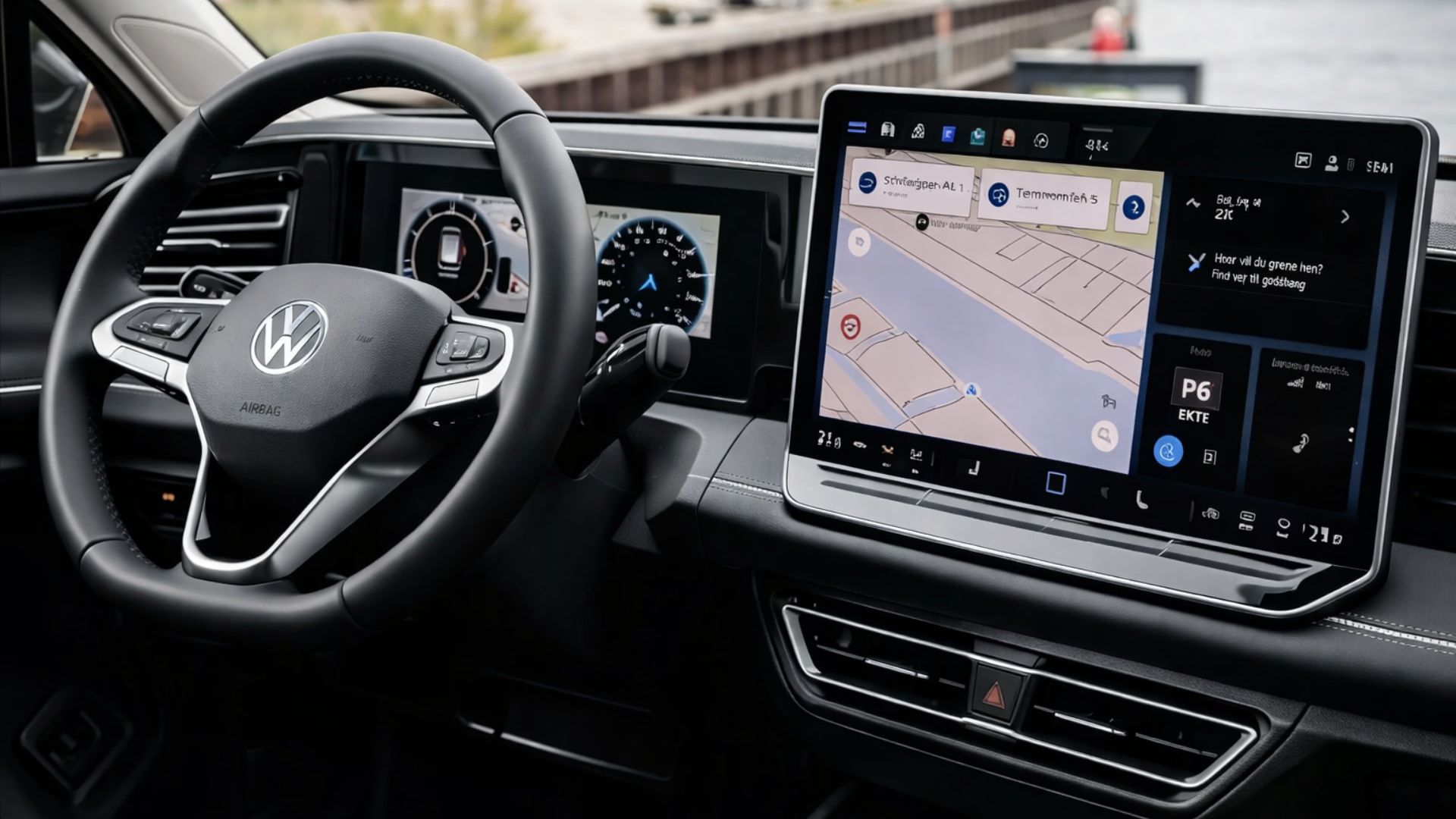
New Tukan Pickup Marks Strategic Turnaround for Volkswagen in Brazil, Integrates Billion-Dollar Investment Plan in South America and Expands Competition in the Mid-Size Pickup Segment with Production Confirmed in Paraná and Launch Expected in 2027.
Volkswagen confirmed that its new pickup for the Brazilian market will be called Tukan, with a launch expected in 2027 and production at the São José dos Pinhais (PR) plant, during the same cycle in which the company is maintaining an investment plan of R$ 20 billion in South America until 2028.
According to the automaker, the project was conceived to primarily serve Brazil and Latin America, with the possibility of exporting to other markets, and will have local development, in a strategy that seeks to expand the portfolio in a segment where the brand previously did not have an equivalent product.
Production in Paraná and R$ 20 Billion Plan Until 2028
The confirmation of São José dos Pinhais as the industrial base for the Tukan places the model in the product package linked to the cycle of R$ 20 billion until 2028, a number that the company has been presenting as support for a launch offensive in the region.
-
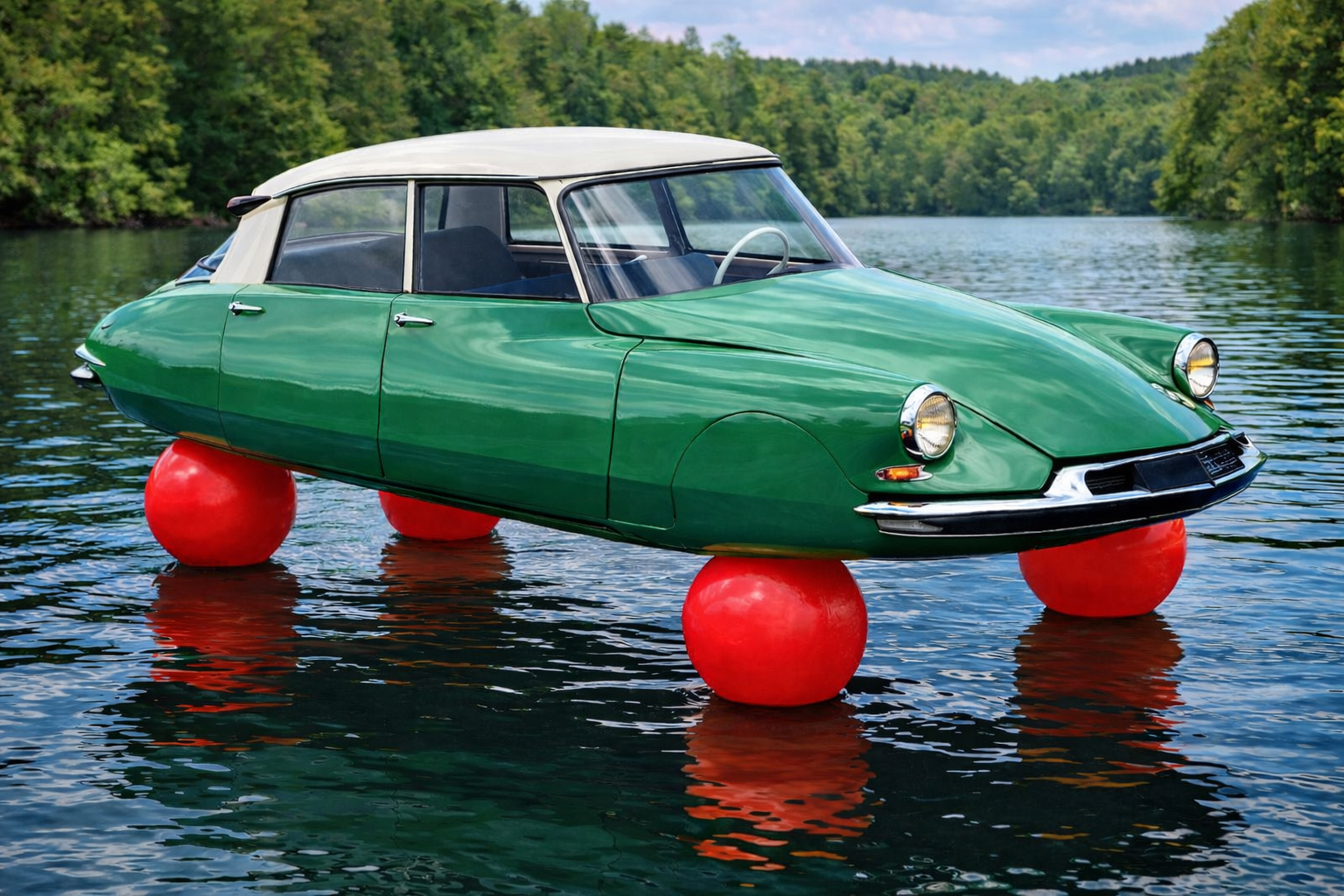
A French brand placed a car on four huge red balloons to prove that its suspension made the vehicle “float,” and the surreal scene became one of the most iconic and unusual images in automotive history.
-
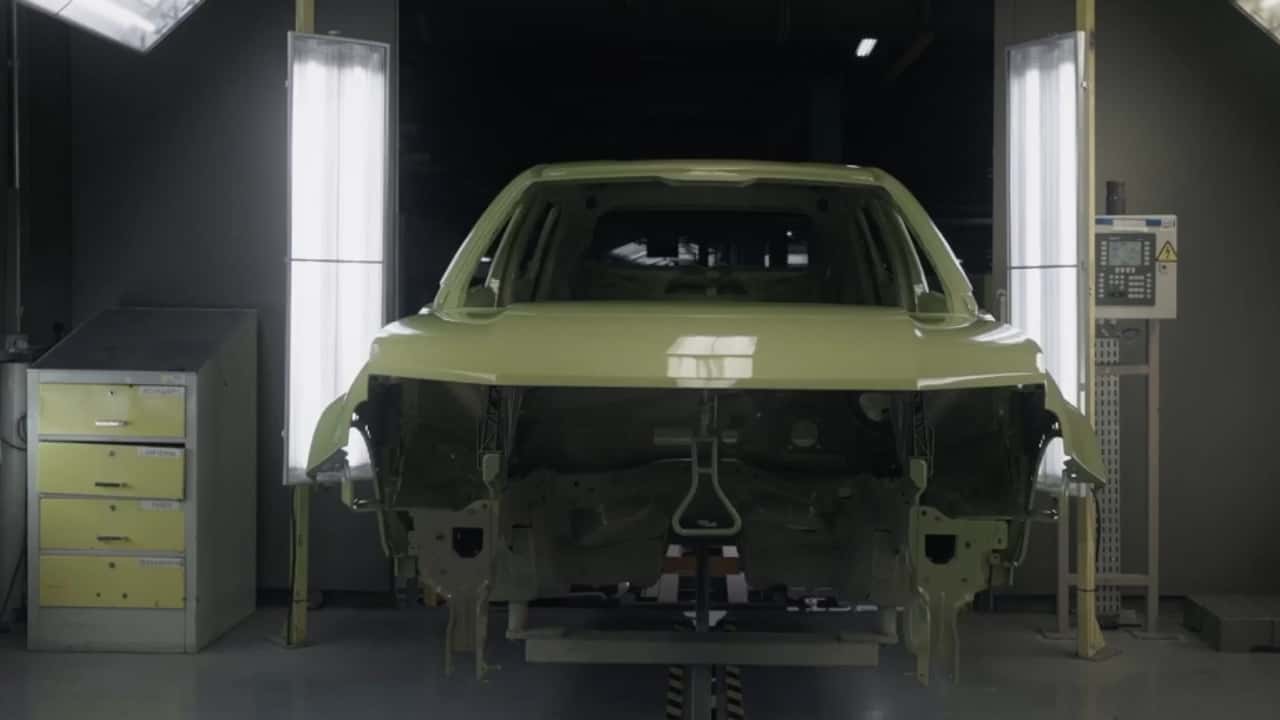
Jeep Avenger begins production in Brazil, debuting as the brand’s new entry-level SUV and inaugurating an unprecedented phase by becoming the first national Jeep manufactured outside of Goiana, as part of a R$ 3 billion plan.
-
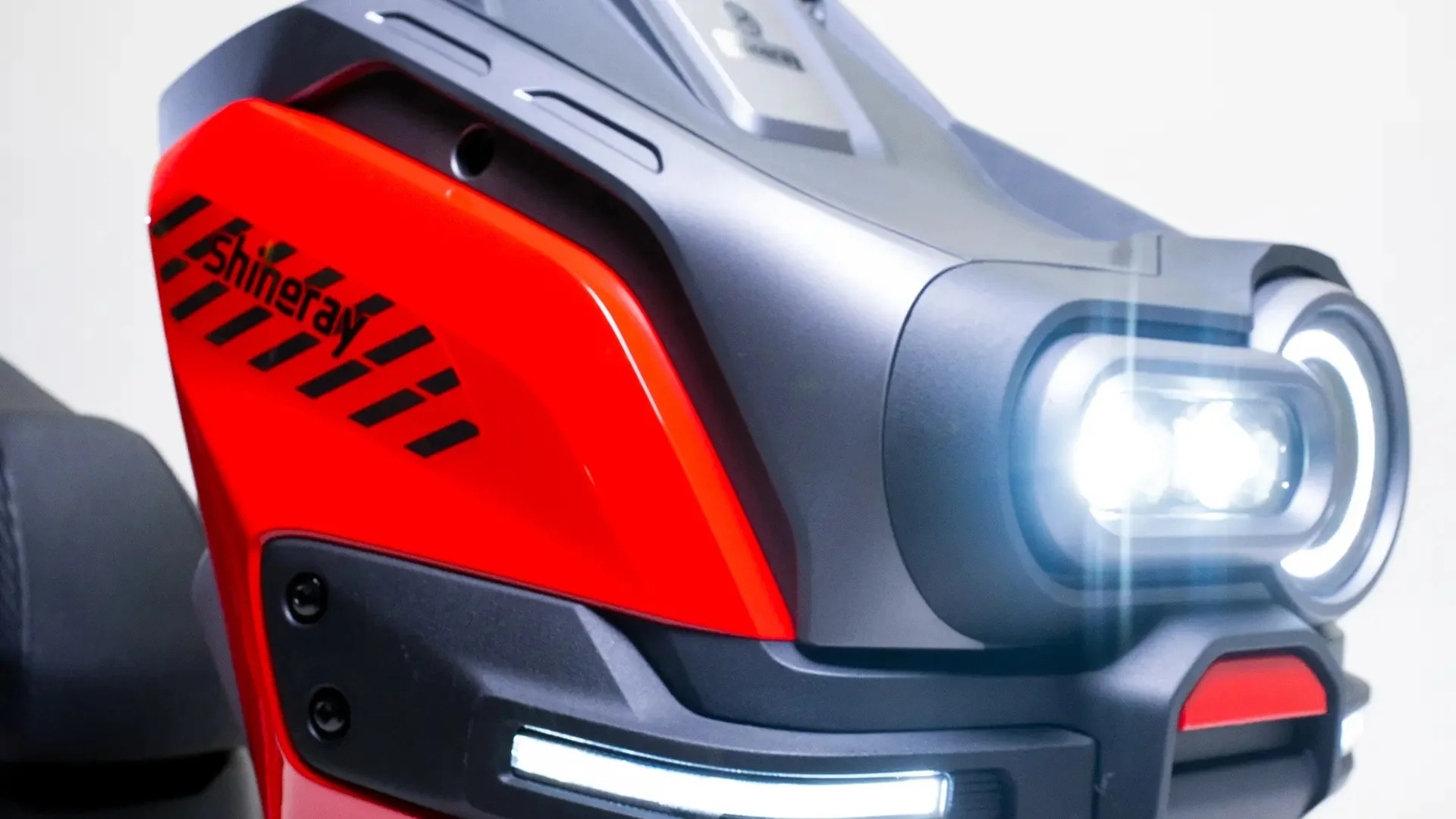
Costing R$ 12,490, the new Shineray Urban Lite 150 “cheap one” arrives in Brazil with a CVT transmission, digital dashboard, and LED lights, making it more affordable than the Biz and targeting those who want to abandon the bus.
-
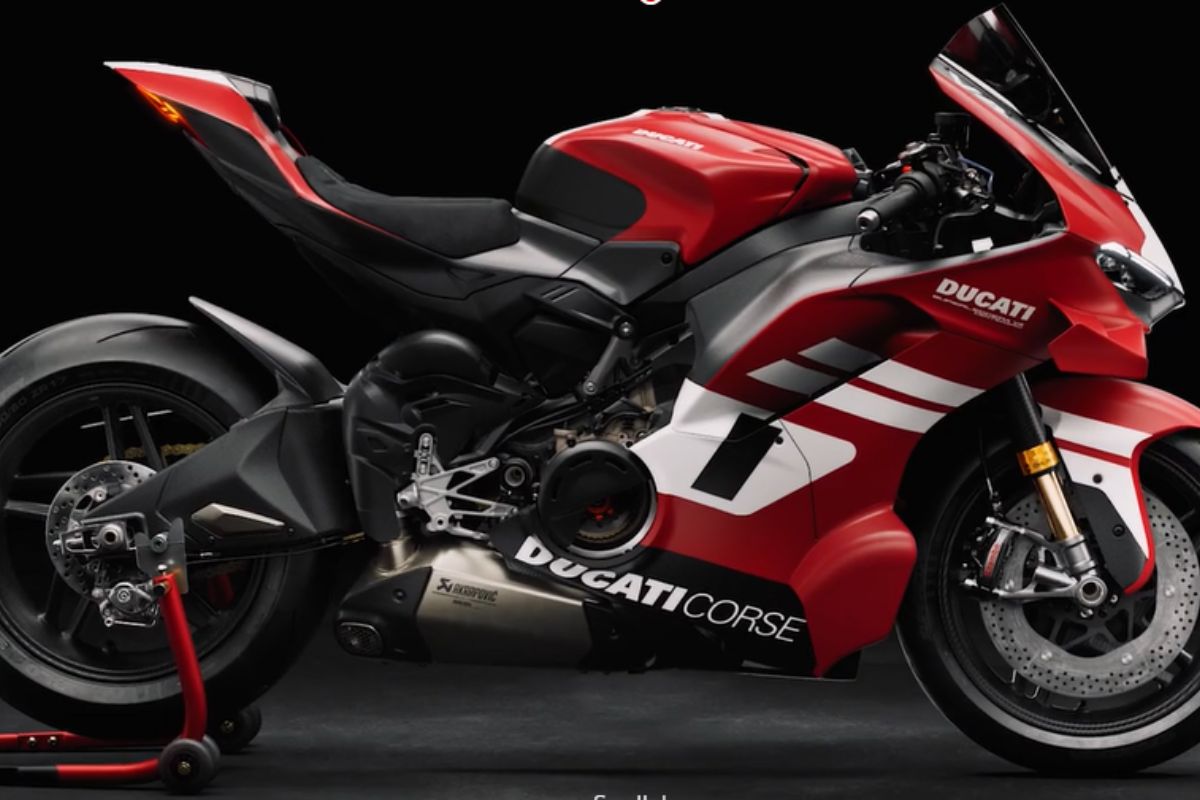
Ducati brings to Brazil the Superleggera V4 Centenario: 228 hp that become 247 with a track kit, carbon fiber and carbon-ceramic brakes, estimated price between R$ 1.5 and 2 million, deliveries only in 2027.

As part of this plan, Volkswagen has associated its strategy with a sequence of 21 new vehicles in South America by 2028, while also linking the investment to goals for industrial modernization, connectivity, and electrification at different levels.

Commenting on the announcement to Reuters, Ciro Possobom said that the Tukan marks the company’s entry into “an unprecedented segment in the pickup market,” indicating that the new model targets a product range that did not exist in the brand’s local portfolio.
Competition with Fiat Toro and Chevrolet Montana in the Mid-Size Segment
With the Tukan, Volkswagen aims to fill the gap between the Saveiro and the Amarok, competing more directly in the mid-size pickup segment, where models like Fiat Toro and Chevrolet Montana account for a significant portion of the demand.
The company already sells the Saveiro in Brazil and markets the Amarok, produced in Argentina, and has also indicated that it is working on the arrival of a new generation of the Amarok, in a move that repositions its presence in pickups.
In the interview cited by Reuters, Possobom stated that “the Tukan and the new Amarok are part of our new offensive in the pickup market,” while discussing the importance of the segment and the need to expand the brand’s presence.
According to the same interview, the executive highlighted the local nature of the product by saying that “the Tukan is made here, it doesn’t exist anywhere else in the world,” adding that the model was designed and developed in Brazil and could be scaled outside the region.

Possible Hybrid Technology and Electrification Strategy
Volkswagen has been linking its regional plan to the electrification of part of its range and, in a previous statement, Possobom stated that the company intends to offer hybrids “in all possible formats,” mentioning mild hybrids, hybrids, and plug-in hybrids as pathways.
In the specific case of the Tukan, however, the automaker has not yet publicly detailed which mechanical configuration and level of electrification the model will have, and the confirmed information so far focuses on the name, schedule, and production location.
Canary Yellow and Visual Identity Linked to the National Team
One of the first hints about visual identity came with the announcement of the name, along with the release of an image of the Tukan in Canary Yellow, a color that the brand related to the sporting context of the event and its communication strategy for the debut.
In the report based on Reuters, the information appears as an allusion to the Brazilian national team, mentioned shortly after the announcement of Volkswagen’s sponsorship of the Brazilian Football Confederation, which helped anchor the choice of color at the time of the launch.

Origin of the Name Tukan and Presentation at the CBF
The choice of Tukan was described as a reference to the fauna, in line with the association to the toucan, while the public announcement of the name took place at a presentation at the CBF headquarters in Rio de Janeiro, an event that also discussed the sponsorship.
With the announcement that sponsorship of the Brazilian teams will continue until 2027, the Tukan was placed in the same institutional narrative as the agreement, reinforcing the use of national symbols and the attempt to create immediate identification for the new product.
By situating the debut of the pickup in 2027, Volkswagen is reorganizing its lineup beyond the models already known to the public while signaling that the cycle of launches until 2028 will be used to fill gaps and increase its participation in competitive segments.
As the pickup market continues to thrive in Brazil and electrification advances in various formats within the industry, which combination of attributes will weigh more in the consumer’s decision when the Volkswagen Tukan finally hits the stores?








-

-

-

3 pessoas reagiram a isso.