





 Portuguese
  English
  Spanish
 3 min of reading
  1 comment




New Plant in Itajaí Strengthens the National Electricity Chain and Expands Production of Storage Systems to Boost the Energy Transition
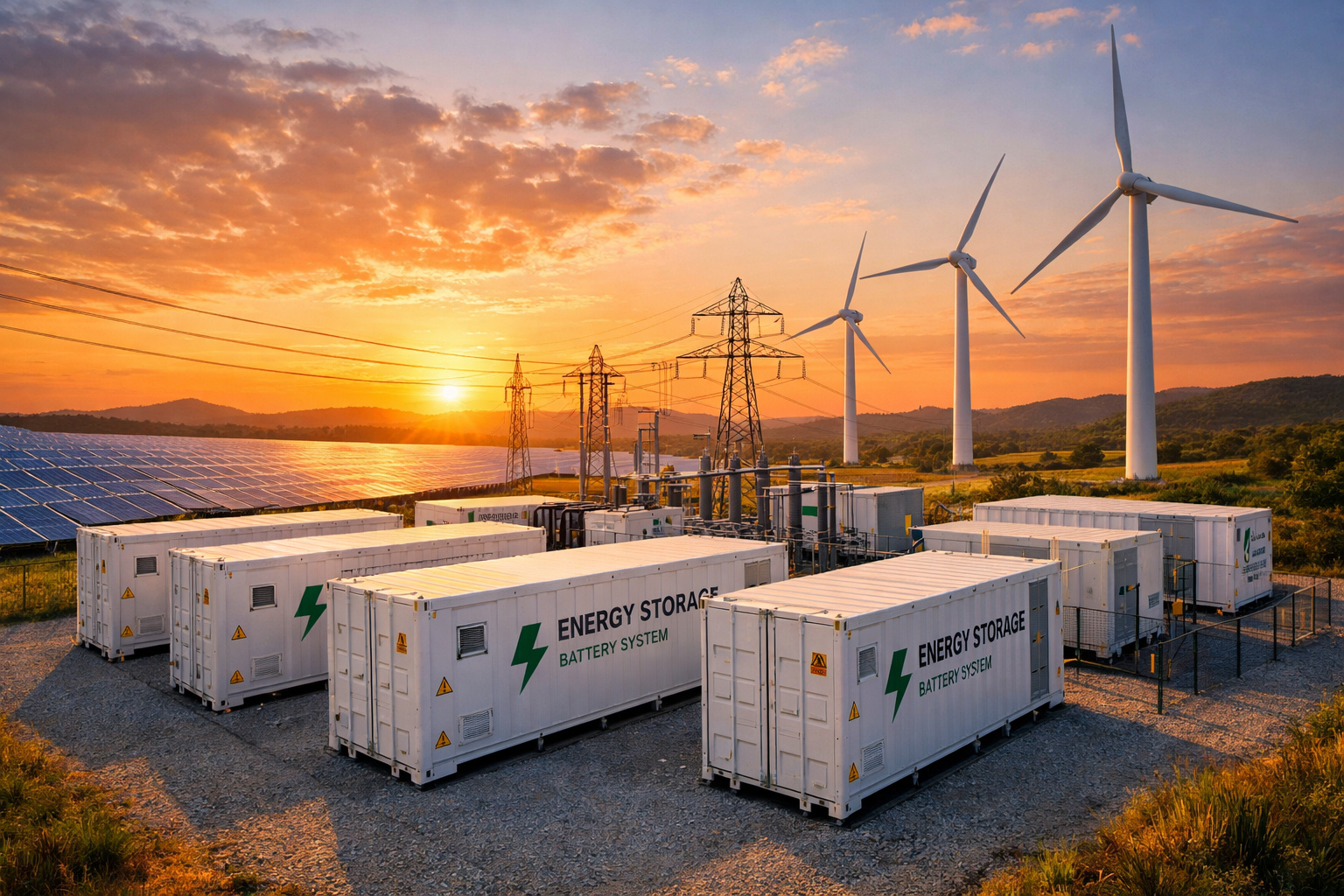
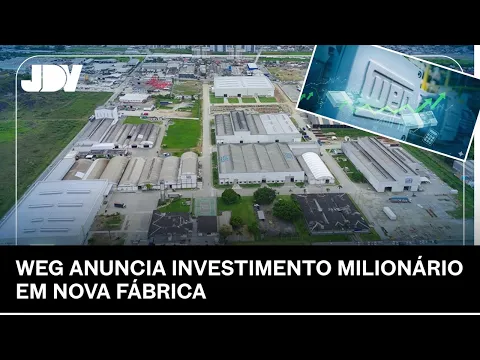
WEG has confirmed the construction of Brazil’s largest battery factory. The new facility will be located in Itajaí (SC) and will have financing of approximately R$ 280 million from BNDES.
With this move, the company accelerates its expansion strategy in solutions related to the energy transition and decarbonization.
According to the company’s official statement, the project will raise production capacity to up to 2 GWh per year in energy storage systems (BESS). This volume is equivalent to approximately 400 systems of 5 MWh.
-
With 74% of companies facing difficulties in hiring, technicians and engineers in renewable energy are becoming scarce in Brazil and are essential to support the expansion of solar, wind, and green hydrogen projects.

-
Historic bankruptcy of Centauro shocks the market, and the century-old company puts more than 500,000 products, machines, and complete infrastructure up for online auction.

-
New shoe factory in Ceará is expected to create 400 jobs and strengthen the local economy.
-
No one imagined it, but a mixture of sawdust with a mineral that fights fires surprises scientists with a result that changes the course of fire-resistant construction.

Additionally, operations are expected to begin in the second half of 2027.
In this way, WEG strengthens the national energy storage industry and expands its presence in a sector considered strategic for the future of electrical infrastructure.
Energy Storage Gains Prominence in Brazil

Contrary to what many may think, the new factory will not produce batteries for electric vehicles at this initial moment. The company will direct the plant to stationary energy storage.
These systems stabilize electrical grids and allow for better utilization of renewable sources such as solar and wind.
In practice, the system stores energy generated during low demand periods and returns it to the grid when consumption increases.
Therefore, energy storage has become a key component following the regulatory auctions promoted by the federal government to unlock the sector.
Consequently, the greater the storage capacity, the greater the energy security of the country. Furthermore, the electrical system can better support the growth of electrification, including electric vehicles.
Thus, even without direct focus on electric mobility, the project indirectly influences the advancement of this market.
Automation, Technology, and Impact on the Production Chain
The new plant will have a high level of automation. The WEG will use mobile robots in internal logistics and will install a structure dedicated to testing and development.
Additionally, the factory will introduce technologies such as cell-to-pack architecture to Brazil. This solution improves efficiency and increases the energy density of battery systems.
Although production is focused on stationary storage, the local presence of advanced engineering strengthens the Brazilian industrial ecosystem.
In the short term, the direct impact on the automotive sector will still be limited. However, in the medium term, technological development may open up space for automotive applications.
The investment also reinforces Brazil’s position in the global decarbonization chain. Projects like this increase energy security and encourage the expansion of renewables.
In a scenario where the country begins to advance in local production of electric vehicles, the battery industry is likely to become increasingly strategic.
Therefore, WEG’s initiative represents not just industrial expansion. It signals a long-term vision and consolidates Brazil as a relevant participant in the battery economy.
Do you believe Brazil is prepared to become a leader in the global battery industry and in the energy transition?








Sim obviamente temos que produzir tudo no Brasil e já estamos tarde demais!