





 Portuguese
  English
  Spanish
  3 min of reading
  0 comments


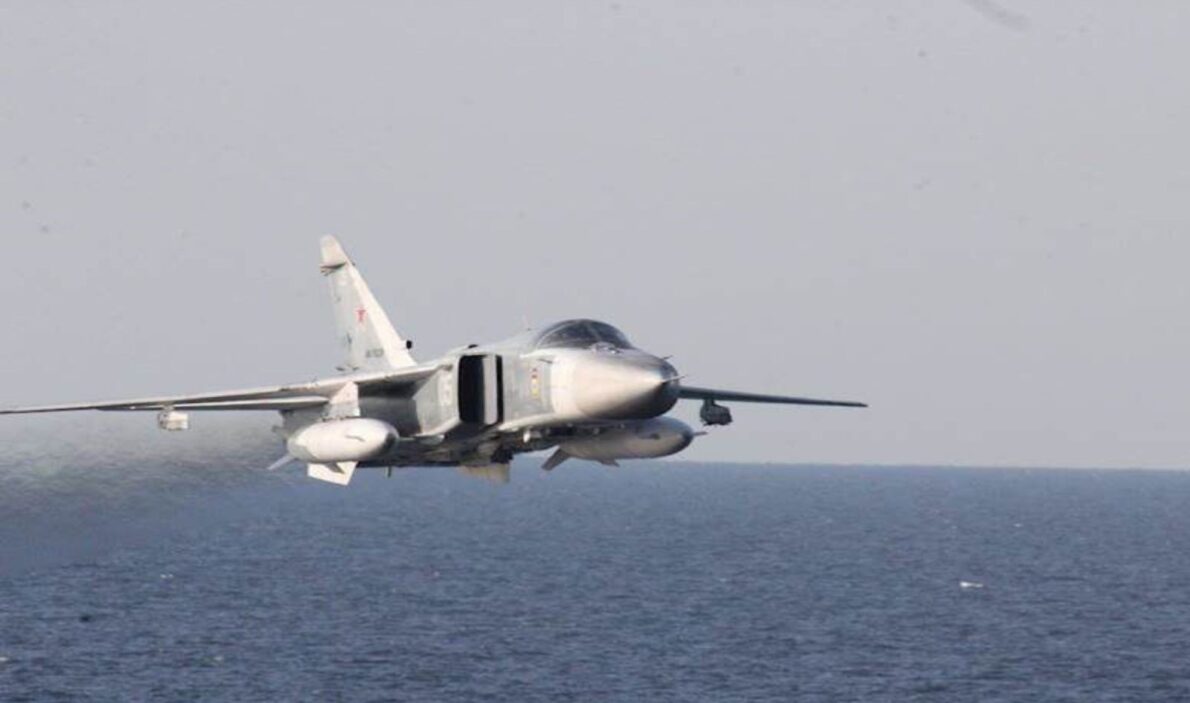
Russia’s Naval Training, The Largest Since The Post-Soviet Era, Brings Together More Than 90,000 Military Personnel and 400 Ships
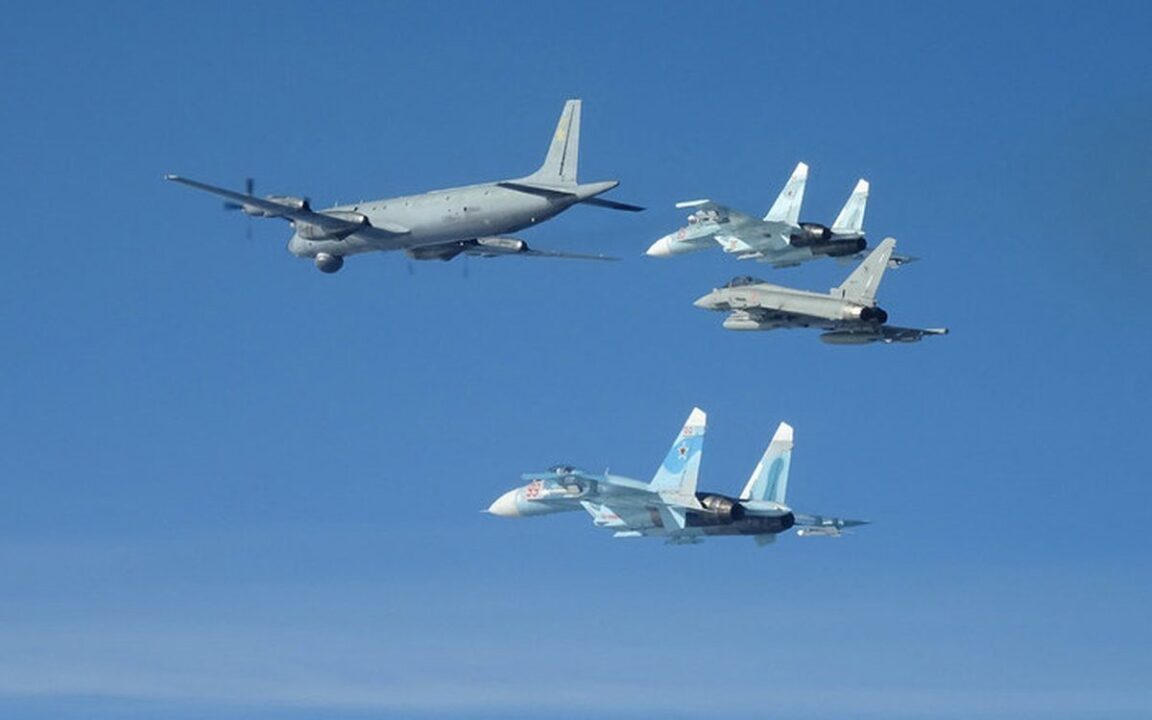
On Wednesday (11th), the Russian Ministry of Defense released impressive videos of aircraft and warships from the Northern Fleet participating in a simulation of hunting enemy submarines in the Barents Sea. The exercise is part of the naval training “Ocean 2024”, the largest in Russian history since the collapse of the Soviet Union. The event, launched by President Vladimir Putin, aims to test the readiness of the Russian armed forces in a vast naval operation encompassing both the Pacific Ocean and the Arctic, as well as strategic seas such as the Mediterranean, Baltic, and Caspian, according to CNN Brasil.
The Naval Training “Ocean 2024”
The “Ocean 2024” exercise involves more than 90,000 military personnel, a fleet of over 400 ships and 125 aircraft, including submarines, fighters, and war vessels. The maneuvers took place in early September and are scheduled to continue until the 16th. These military simulations cover vast geographic areas and are part of a strategic effort by Russia to demonstrate its naval power and responsiveness in conflict situations.
According to the Russian Ministry of Defense, the exercise aims to enhance the capabilities of the armed forces in detecting and neutralizing underwater and aerial threats, ensuring control over maritime routes in areas crucial to national security. The Northern Fleet, one of the most powerful in Russia, plays a vital role in this exercise, with its vessels and aircraft specializing in anti-submarine operations.
-
With 74% of companies facing difficulties in hiring, technicians and engineers in renewable energy are becoming scarce in Brazil and are essential to support the expansion of solar, wind, and green hydrogen projects.

-
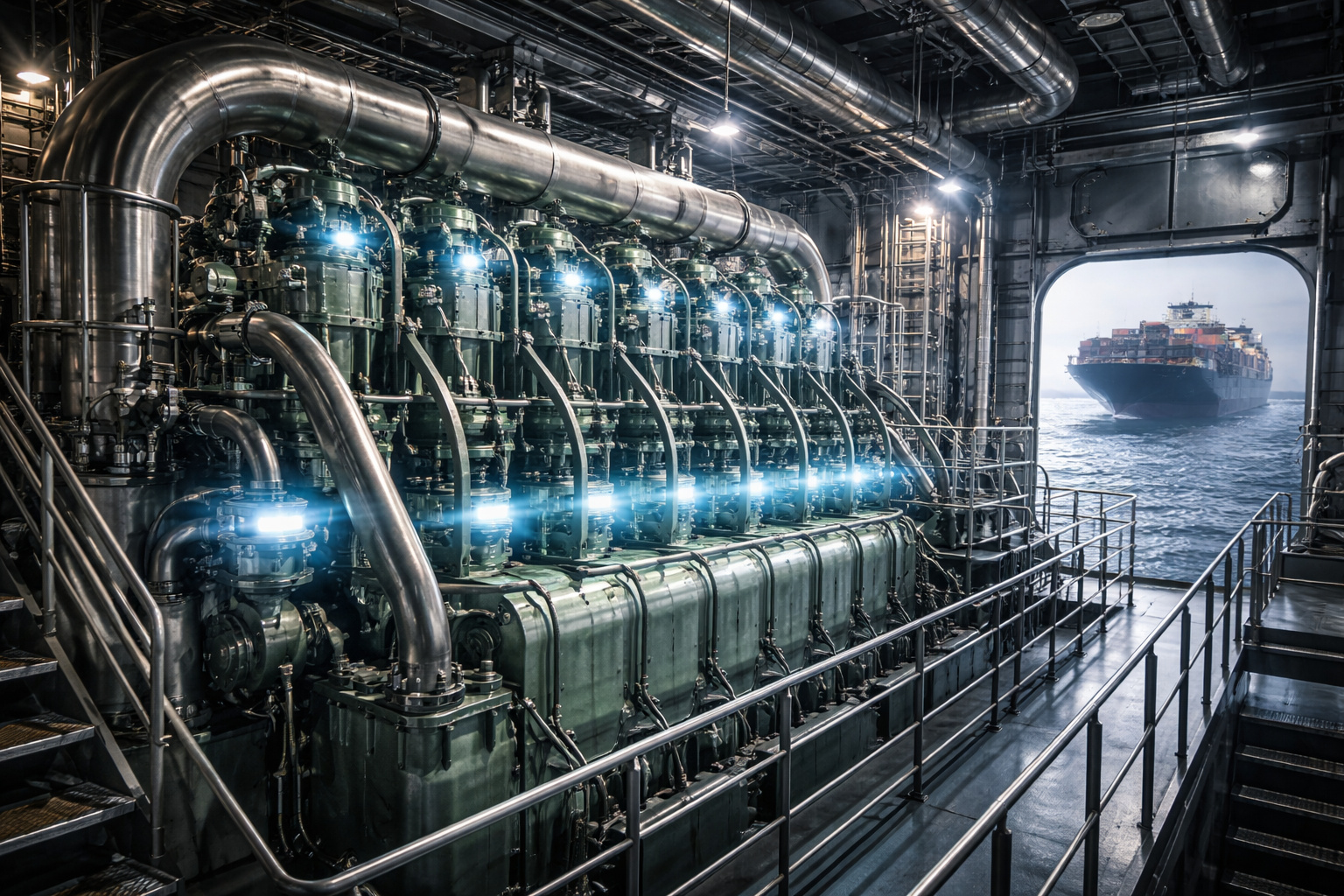
Europe is trying to create an ammonia-powered marine engine without auxiliary fuel, which could unlock the race for giant emission-free ships. The technology aims to eliminate one of the biggest obstacles to clean maritime propulsion.
-
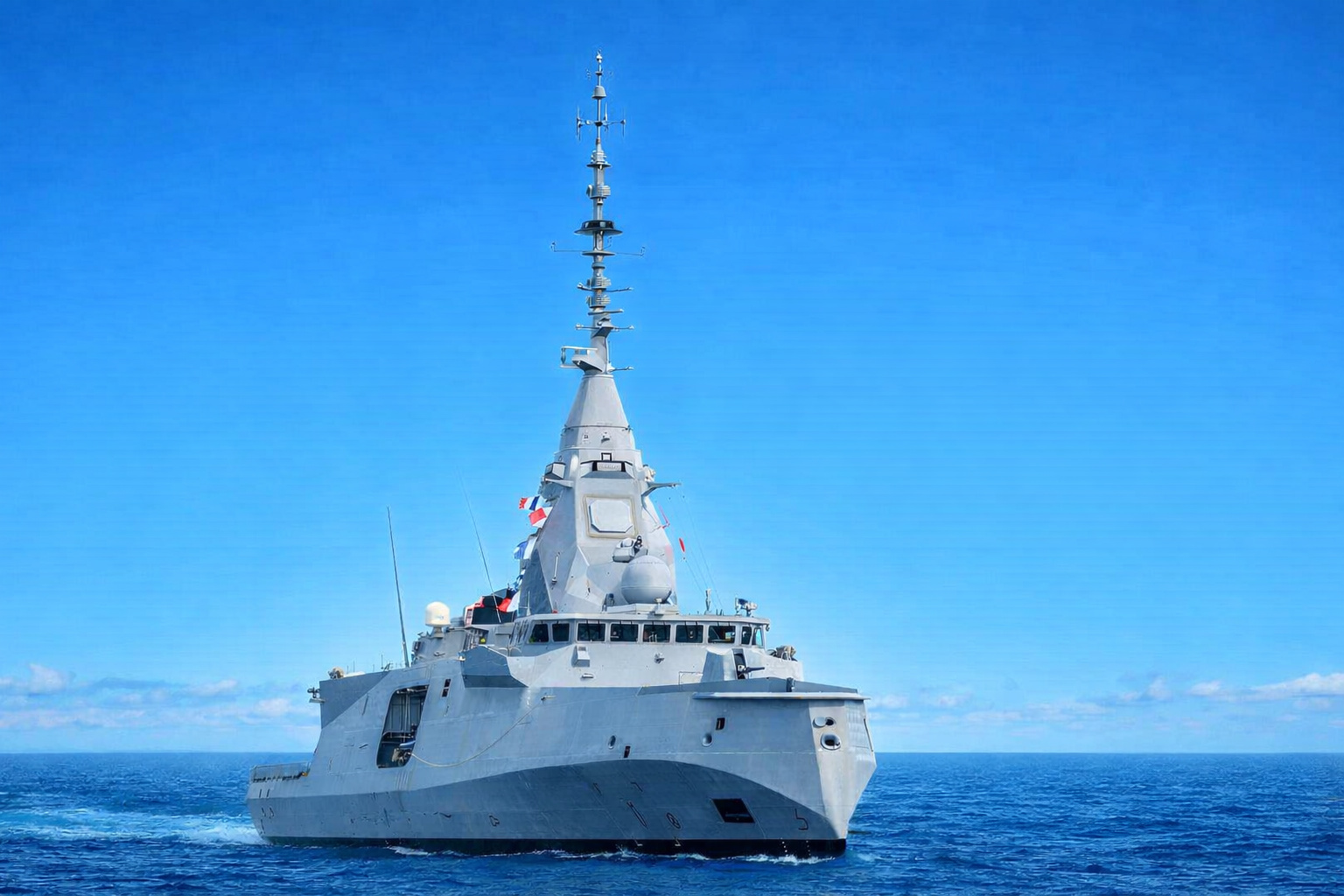
A 4,500-ton frigate with just over 100 crew members, state-of-the-art radar, and cruise missiles is being touted as the new standard of naval warfare in the 21st century.
-
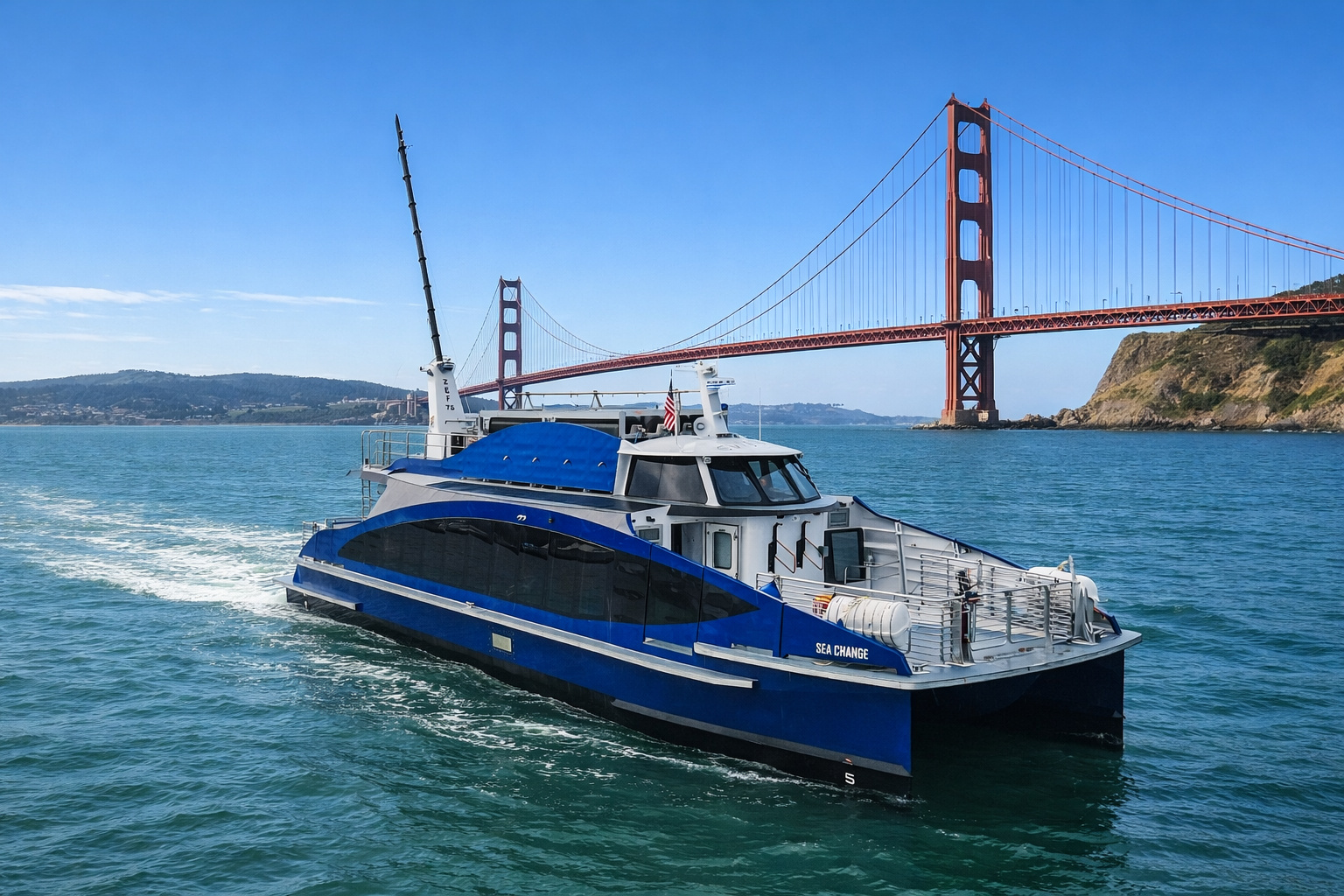
The first commercial hydrogen-powered ferry enters operation in the U.S., eliminates the use of diesel, uses fuel cells to generate clean energy on board, and transforms San Francisco Bay into a landmark of the new era of emission-free navigation.
Hunting Submarines in The Barents Sea
The video released by the Ministry of Defense highlights intense activity in the Barents Sea, where Russian warships, equipped with advanced radar systems and sonars, mobilized to hunt simulated enemy submarines. Specialized aircraft also participated in the mission, utilizing cutting-edge technologies to locate submarines hidden in the depths of the ocean.
The use of anti-submarine ships is a crucial part of Russia’s maritime defense strategy. These vessels are equipped with torpedoes, depth charges, and missile systems capable of destroying enemy submarines. In the Barents Sea, which borders the Arctic, this capability is even more important, as the region hosts some of the most strategic maritime routes in the world, in addition to being an area of growing geopolitical interest due to the exploration of natural resources.
Geopolitical Context
The “Ocean 2024” exercise occurs at a time of increasing tensions between Russia and the West. President Vladimir Putin stated that Russia needs to be prepared for any scenario, citing provocations from Washington as a risk factor for global security. Putin specifically criticized the United States for its plans to deploy intermediate-range and short-range missiles in the Asia-Pacific region, which he considers a direct threat to global stability.
The Pacific region, in particular, has been the scene of growing military rivalry among major powers. The deployment of U.S. missiles in the region, according to Putin, could lead to an arms race, similar to that which occurred during the Cold War. The Russian response, with massive military exercises like “Ocean 2024,” is seen as a show of strength and a clear message that the country is ready to face any external threat.







Seja o primeiro a reagir!