





 Portuguese
  English
  Spanish
  5 min of reading
  0 comments


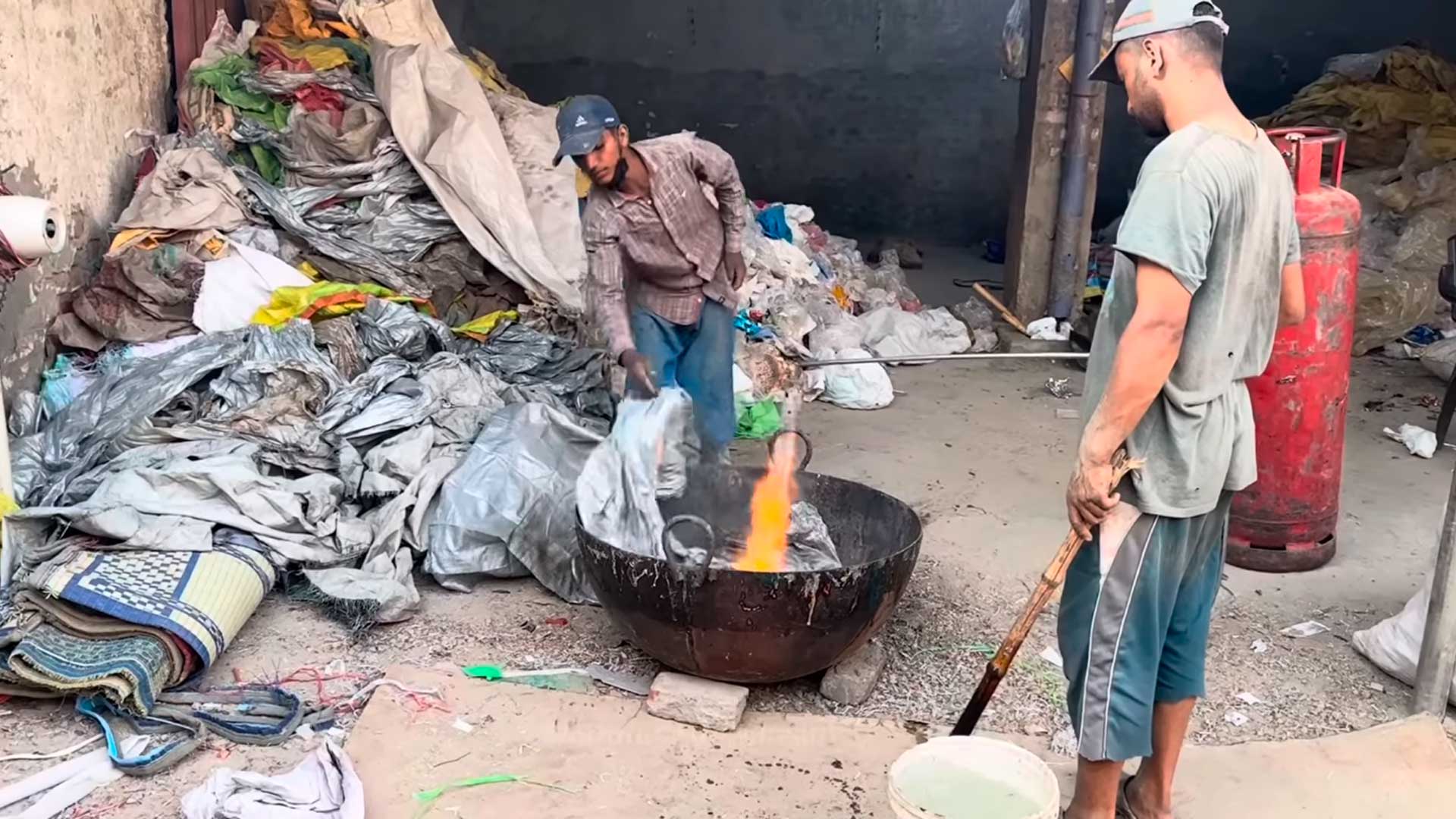
Sustainable Recycling Process Converts Nylon Bags and Plastic Waste into Durable Furniture Through Technology That Melts, Cleans, Transforms Into Pellets, and Injects Into Molds to Produce Resistant Chairs
The recycling industry has transformed what would be discarded in landfills into useful products for everyday life. The process of transforming plastic cornmeal packaging and other waste into plastic chairs reveals how technology and sustainability can go hand in hand.
According to information from Braskem, a company specializing in resins, mechanical recycling of plastics moves millions of tons annually in Brazil.
This type of industrial operation is capable of processing large volumes of recycled material monthly. The method uses controlled melting, shredding, washing, and extrusion to convert waste into quality raw material. The technology allows discarded plastic packaging to gain new life as resistant and durable furniture.
-
Friends have been building a small “town” for 30 years to grow old together, with compact houses, a common area, nature surrounding it, and a collective life project designed for friendship, coexistence, and simplicity.

-
This small town in Germany created its own currency 24 years ago, today it circulates millions per year, is accepted in over 300 stores, and the German government allowed all of this to happen under one condition.

-
Curitiba is shrinking and is expected to lose 97,000 residents by 2050, while inland cities in Paraná such as Sarandi, Araucária, and Toledo are experiencing accelerated growth that is changing the entire state’s map.

-
Tourists were poisoned on Everest in a million-dollar fraud scheme involving helicopters that diverted over $19 million and shocked international authorities.


The process begins with the careful collection and separation of materials. Flour packaging and other nylon bags undergo meticulous sorting before entering the production line. This initial step is crucial to ensure the quality of the final product, removing contaminants and separating compatible types of plastic.
How Controlled Melting Works in the First Stage
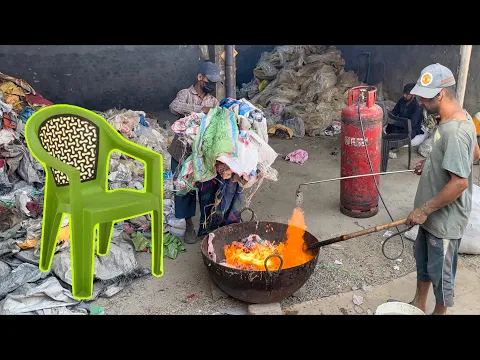

The first phase of the recycling process involves the controlled melting of the collected plastic materials. Intense heat is necessary to begin transforming solid waste. The torch heats the nylon bags and packaging until they reach the appropriate melting point.
This initial heating prepares the material for the subsequent stages. According to information from Neuplast, a recycling company, thermoplastics can be melted and remolded multiple times without losing their properties. The melting process breaks down the rigid structures of the plastic, making it malleable and ready for reprocessing.
The temperature must be constantly monitored during this phase. Each type of plastic has a specific melting point that must be respected. Low-density polyethylene (LDPE), common in bags and films, melts at temperatures different from polypropylene (PP), found in stiffer packaging.
Operators control the heating to avoid material degradation, as excessive temperatures can compromise the quality of the recycled resin. Proper melting ensures that the plastic maintains its essential mechanical properties for producing resistant furniture.
Shredding and Grinding Transform Melted Plastic into Fragments
After the initial melting, the material undergoes the process of mechanical shredding. High-capacity industrial mills reduce the melted plastic into smaller fragments known as flakes. According to information from PetroResinas, this fragmentation is crucial for facilitating the subsequent cleaning and processing stages.
The produced fragments have specific sizes that optimize the process. Controlled granulation allows the material to be washed more efficiently. The mixture of grains of different sizes improves the quality of the final product, as smaller granules fill the spaces left by larger ones.
The shredding machines operate continuously to maintain the production flow. Modern equipment can process tons of material per hour. Efficiency in this stage directly impacts the productive capacity of the factory and the quality of the granules produced later.
Washing Removes Impurities and Guarantees Quality of Recycled Material
The washing stage is essential for removing food residues, labels, glues, and other impurities from the plastic fragments. This phase uses abundant water and specific cleaning additives. The process separates the materials by density, with denser plastics sinking while lighter ones remain on the surface.
Industrial washing systems process large volumes simultaneously. Proper cleaning of the fragments prevents defects in the final product. Impurities such as dirt, grease, and organic remnants can compromise the mechanical strength of the produced chairs.
After washing, the fragments pass through industrial dryers with hot air. This stage removes all moisture before the material moves on to extrusion. Complete drying is essential to avoid bubbles and structural defects in the recycled plastic.
The water used in the process passes through treatment and reuse systems. Companies committed to sustainability implement closed-loop water circuits. This reduces the consumption of natural resources and minimizes the environmental impact of the operation.
Extrusion Converts Clean Fragments into Uniform Plastic Pellets
The extrusion process transforms the dried fragments into uniform pellets of recycled plastic. The material enters an extruder machine through a hopper. A screw conveyor moves the fragments through a cylinder heated by electric resistances, where complete melting of the plastic occurs.
The friction of the material against the walls of the cylinder generates additional heat. The melted plastic passes through three distinct zones: feeding, compression, and metering. In the feeding zone, the material is heated close to the initial melting point.
The compression zone progressively reduces the screw grooves. This compresses the material against the wall of the cylinder, promoting complete plasticization. In the metering zone, shallow grooves ensure homogeneous mixing and maintenance of flow through the generated pressure.
At the end of the cylinder, the melted plastic is forced against steel screens. These screens filter residual impurities like metal or rubber fragments. The material then passes through a die, where it is transformed into continuous filaments. These filaments are cut by a granulator, yielding recycled plastic pellets.
The produced pellets have characteristics similar to virgin plastic. The post-consumer recycled resin meets the same quality, durability, and strength standards. These pellets are packaged and ready for the next phase of transformation into furniture.
Injection Molds Recycled Pellets into Final Chairs
The final phase uses the plastic injection process to mold the chairs. The recycled pellets are transported to the feeding system of the injection machine. The material passes through a heated cylinder with a screw conveyor, where the pellets melt to form a homogeneous plastic mass.
This melted mass is pushed by the screw into the metal mold. The mold has the exact dimensions and details of the chair to be produced. The injection pressure ensures that the plastic completely fills all the cavities of the mold, accurately reproducing the established design.
The cooling time inside the mold is calculated precisely. Each piece remains in the mold until the plastic completely solidifies. Controlled cooling systems reduce cycle time without compromising the structural quality of the chairs.
After solidification, the mold automatically opens, and the chair is ejected. Specialized operators perform quality inspection, checking finish, dimensions, and strength. Small adjustments and removal of flash are made as necessary before final packaging.
And you, do you believe that the future of the furniture industry lies in recycling? Or do you still prefer products made from virgin materials? Leave your comment below about the environmental impact of plastic production and share your opinion on the balance between sustainability and quality in furniture manufacturing.










-

-

-

-

-

28 pessoas reagiram a isso.