





 Portuguese
  English
  Spanish
  5 min of reading
  0 comments


In Japan, Fish Waste Such as Scales and Bones Are Being Reused to Produce Marine Collagen and Fertilizers, Reducing Waste in the Fishing Industry.
Japan consumes millions of tons of fish each year and maintains one of the most structured fishing chains in the world. In wholesale markets, fishmongers, and processing units, tons of scales, bones, heads, and entrails are discarded daily after filleting. For decades, this material was mainly treated as organic waste intended for feed, composting, or controlled disposal. Today, however, part of this flow begins to integrate more sophisticated recycling chains aimed at extracting marine collagen and producing agricultural inputs.
The transformation does not occur in a single national megacomplex, but in industrial processes and projects integrated into the fish and biomaterials industry. Japanese and international scientific research documents that fish scales and bones are rich in Type I collagen, a structural protein widely used in cosmetics, dietary supplements, and medical biomaterials.
How Fish Scales and Bones Become Marine Collagen
Marine collagen is extracted through physical-chemical or enzymatic processes. In the case of scales and bones, the first stage involves washing and removing impurities. Next, demineralization occurs, usually with diluted acidic solutions, to remove the calcium phosphate present in the bones.
-
Motorola launched the Signature with a gold seal from DxOMark, tying with the iPhone 17 Pro in camera performance, Snapdragon 8 Gen 5 that surpassed 3 million in benchmarks, and a zoom that impresses even at night.

-
Satellites reveal beneath the Sahara a giant river buried for thousands of kilometers: study shows that the largest hot desert on the planet was once traversed by a river system comparable to the largest on Earth.

-
Scientists have captured something never seen in space: newly born stars are creating gigantic rings of light a thousand times larger than the distance between the Earth and the Sun, and this changes everything we knew about stellar birth.

-
Geologists find traces of a continent that disappeared 155 million years ago after separating from Australia and reveal that it did not sink, but broke into fragments scattered across Southeast Asia.


After the demineralization stage, the collagen-rich organic matrix undergoes controlled hydrolysis. Hydrolysis can be acidic or enzymatic, depending on the desired product. Enzymatic hydrolysis, more common in higher added-value applications, uses specific enzymes to break down the protein into smaller peptides, forming hydrolyzed collagen.
This material is filtered, purified, and dried, and may be transformed into powder or incorporated into industrial formulations. Marine collagen has specific advantages, such as lower molecular weight and higher bioavailability compared to traditional bovine sources.
The choice of fish waste reduces dependence on primary raw materials and adds value to byproducts of the fishing industry.
Transformation of Waste into Organic Fertilizers
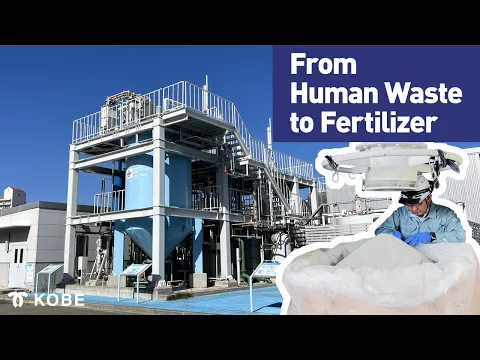
In addition to collagen extraction, part of the waste not used for biomaterials can be converted into fertilizer. One of the pathways is the production of fish hydrolysate, obtained by grinding and controlled digestion of waste with enzymes or fermentation.
The result is a liquid rich in organic nitrogen, amino acids, and minerals, used as a foliar fertilizer or soil conditioner. In other cases, solid waste can be composted or processed into fish meal, traditionally used as organic fertilizer or agricultural supplement.
In the Japanese context, environmental legislation and waste management policies encourage reducing landfill disposal and promoting the energy and agricultural valorization of organic waste. Although there is no single national chain dedicated exclusively to scales and bones, reuse integrates broader programs of circular economy applied to the fishing industry.
Applied Technology and Industrial Control
The extraction of collagen requires strict control of pH, temperature, and reaction time. If hydrolysis is excessive, the protein structure degrades; if insufficient, the yield decreases. Microbiological control is also essential, as organic material is highly susceptible to contamination.

In parallel, the production of fish-derived fertilizers requires stabilization to avoid odors and degradation. Closed systems of fermentation and anaerobic digestion can be used to turn part of the waste into biogas, adding an energy layer to the process.
This set of technologies demonstrates that reuse is not just artisanal. It involves chemical engineering, quality control, and integration with supply chains of the food industry.
Real Scale and Environmental Impact
Japan handles significant volumes of fish, but the fraction specifically intended for collagen production from scales and bones still represents a niche segment, although growing. The environmental impact, however, is relevant even at partial scale.
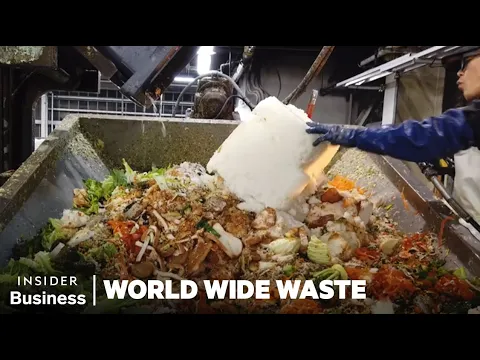
By preventing protein and mineral-rich waste from being simply discarded, the organic load directed to landfills and incineration is reduced. The recovery of collagen substitutes part of the demand for bovine-sourced collagen, whose production chain has a distinct carbon footprint.
In the case of fertilizers, the use of hydrolysates and fish-derived compounds contributes to the recycling of nutrients within the food system, reducing dependence on synthetic fertilizers.
Industrial Limits and Challenges
Despite the potential, there are clear limitations. The collection and separation of scales and bones require logistical organization in the initial stages of the processing chain. Variability among fish species also influences yield and quality of the collagen.
From an economic standpoint, the processing cost needs to be competitive compared to conventional sources of protein and fertilizers. The marine collagen market is sensitive to purity and health certifications, posing regulatory and investment barriers.
Furthermore, not all waste is suitable for high-value extraction. Some still go to animal feed or conventional treatment.
Silent Reuse in a Traditional Industry
What happens to fish scales and bones in Japan is not a visible industrial spectacle but a gradual movement toward the valorization of byproducts. The fishing industry, traditionally focused on selling food protein, is beginning to integrate parallel chains of biomaterials and agricultural inputs.
Instead of ending the cycle with the sale of fillets, part of the value returns in the form of collagen for cosmetics, supplements, or biomaterials, and in the form of fertilizer for the soil that supports new crops.

The logic is clear: the higher the efficiency in utilizing the whole fish, the less waste and greater economic return per ton processed.
In Japan, where the food culture deeply values fish, this technological evolution reinforces an increasingly present principle in the global industry: waste is not just an inevitable discard but potential raw materials waiting for appropriate engineering.
The chain may not be visible to the end consumer, but it shows that even scales and bones — traditionally ignored — can integrate productive systems that unite science, sustainability, and value generation.








-

-

-

-

6 pessoas reagiram a isso.