





 Portuguese
  English
  Spanish
  3 min of reading
  0 comments


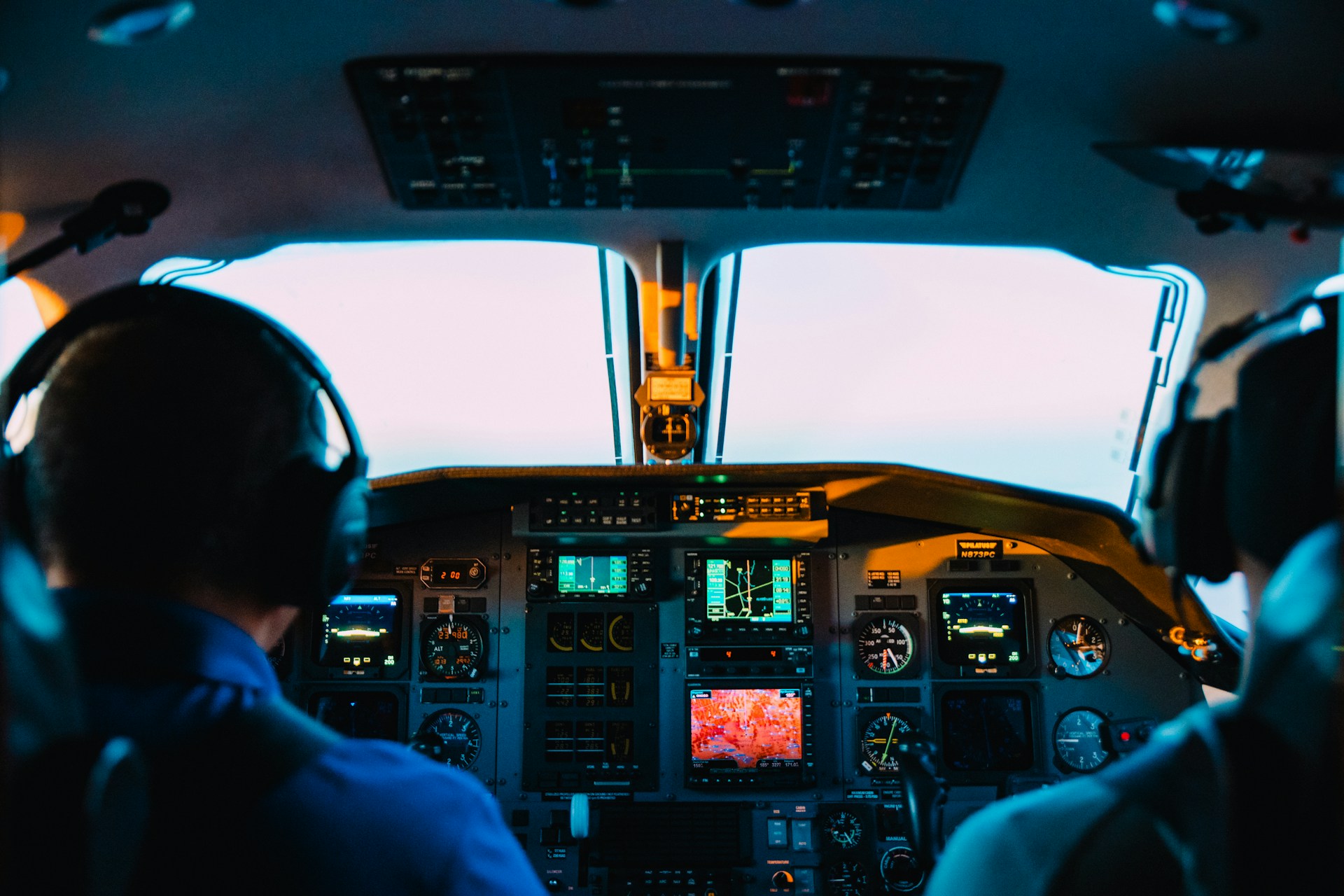
Pilot in India Reportedly Used the Term Before the Crash; Understand Why “Mayday” Represents the Maximum Alert in Life-Threatening Emergencies
On Thursday (12), the word “mayday” gained attention on social media after reports that the pilot of a plane that crashed in India allegedly sent this distress call shortly before the accident. The expression is known by many due to movies or series, but the real meaning goes far beyond what is seen in fiction.
What Does “Mayday” Mean?
“Mayday” is the most serious distress call that can be made in an aircraft or vessel. It is used in extreme emergency situations where there is a real and immediate risk to life.
According to Globe Air, the term represents the highest level of alert in both aviation and maritime navigation.
-
Friends have been building a small “town” for 30 years to grow old together, with compact houses, a common area, nature surrounding it, and a collective life project designed for friendship, coexistence, and simplicity.

-
This small town in Germany created its own currency 24 years ago, today it circulates millions per year, is accepted in over 300 stores, and the German government allowed all of this to happen under one condition.

-
Curitiba is shrinking and is expected to lose 97,000 residents by 2050, while inland cities in Paraná such as Sarandi, Araucária, and Toledo are experiencing accelerated growth that is changing the entire state’s map.

-
Tourists were poisoned on Everest in a million-dollar fraud scheme involving helicopters that diverted over $19 million and shocked international authorities.


This type of communication is done over the radio and follows a standard: the word must be repeated three consecutive times — “mayday, mayday, mayday” — to ensure that all listeners recognize the urgency and understand that it is not a transmission failure or a misunderstanding.
When the Term Is Used
The “mayday” should only be used in critical situations. Among the scenarios that justify this call are serious failures in the aircraft or vessel systems, medical emergencies on board, and severe weather conditions that endanger the lives of the occupants.
Once the call is made, air traffic controllers or maritime authorities spring into action. They activate emergency protocols and coordinate search and rescue teams. Other authorities may also be involved, depending on the severity of the situation.
For this reason, the use of the term is part of the official training for pilots and sailors. It cannot be used improperly, as it triggers an immediate mobilization of resources and professionals specialized in emergency responses.
Origin of the Word
The term “mayday” originated in the early 20th century. According to the Merriam-Webster dictionary, the expression appeared around 1923 and was attributed to British radio officer Frederick Stanley Mockford, who worked at Croydon Airport in London.
The choice was inspired by French. The expression “m’aider,” which means “help me,” was easily recognized even with interference in the transmissions. As aviation was heavily influenced by France at that time, “mayday” was adopted for being short, clear, and easy to understand.
Other Emergency Terms
In addition to “mayday,” there are two other terms used in emergency communications. “Pan-pan” is used for serious situations but without immediate risk to life. Meanwhile, “sécurité” is used to alert about potential dangers, such as changes in flight or navigation conditions.
Global Recognition
Today, the use of “mayday” is standardized internationally. It is recognized worldwide as the maximum distress signal, with clear rules for use and response. The standardization allows for a quick and coordinated reaction, essential for saving lives in critical moments.
With information from Olhar Digital.









-

-

2 pessoas reagiram a isso.