





 Portuguese
  English
  Spanish
  5 min of reading
  6 comments


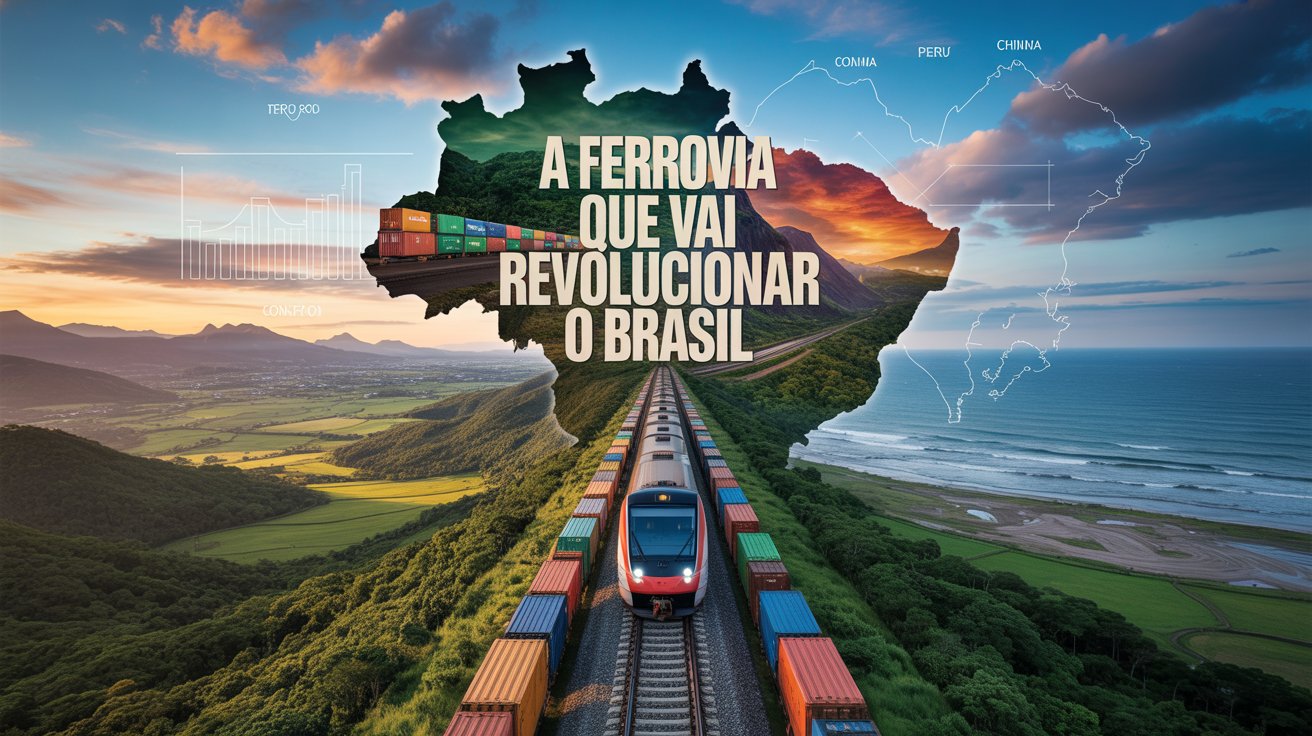


The Railway That Will Cross Brazil From East to West Promises to Revolutionize Transportation, the Economy, and Regional Integration, But Hides Challenges and Secrets That Few Know About This Ambitious Connection Project Between Brazil, Peru, and China.
Brazil may be about to gain one of the largest railway infrastructure works in recent decades, connecting the country to the Pacific Ocean through the so-called Bioceanic Railway.
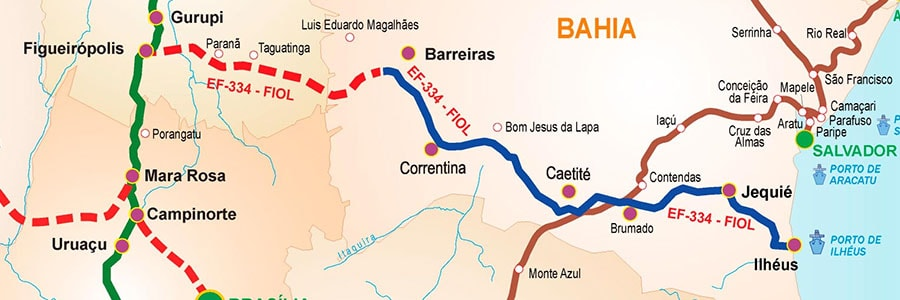
According to the federal government, the project consists of a railway line that will cross Brazilian territory from east to west, linking the city of Ilhéus, in Bahia, to the Peruvian port of Chancay.
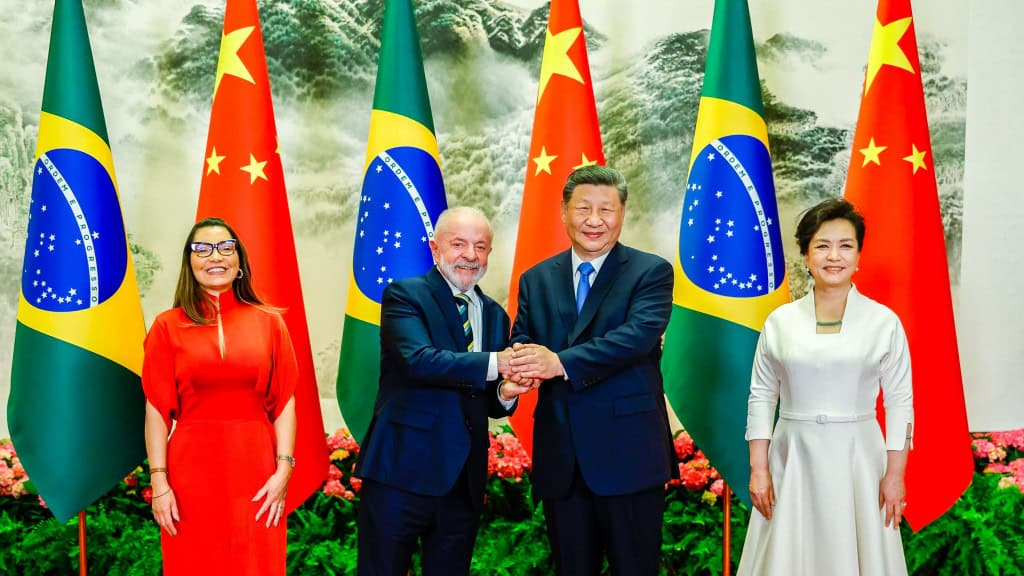
The initiative has strong Chinese interest and has already been the subject of billion-dollar agreements between Brazil, Peru, and China.
-
The government requests the Federal Revenue Service for a new system to automate the income tax declaration, reducing errors, time, and bureaucracy for millions of Brazilians.

-
Friends have been building a small “town” for 30 years to grow old together, with compact houses, a common area, nature surrounding it, and a collective life project designed for friendship, coexistence, and simplicity.

-
Pix in installments, international Pix, and contactless payment without internet: the Central Bank revealed the new features coming to the tool that is already used by almost every adult in Brazil.

-
This small town in Germany created its own currency 24 years ago, today it circulates millions per year, is accepted in over 300 stores, and the German government allowed all of this to happen under one condition.


According to the Minister of Planning and Budget, Simone Tebet, the railway “will tear through Brazil,” paving the way for economic development and logistical integration in regions that have been little explored until now.
A Project That Crosses Borders and Sparks Strategic Interests
The concept of the Bioceanic Railway is not recent.
According to reports, since 2014, when then-President Dilma Rousseff signed partnerships for studies of the section, the topic has already been on the diplomatic agenda.
Today, this railway is regaining momentum with the resumption of negotiations during President Lula’s visit to China in early 2025.
The planned route will cross essential areas for Brazilian agribusiness, such as Matopiba — a region that includes Maranhão, Tocantins, Piauí, and Bahia — in addition to connecting border regions.
The port of Chancay in Peru has already received billion-dollar investments from the Chinese state-owned company Cosco Shipping, which seeks to expand its operations in Latin America.
For China, this railway represents a direct route for exporting Brazilian products to the Asian market via the Pacific, reducing costs and time compared to traditional routes that use Atlantic ports.
Integrated Infrastructure to Boost the Economy
The Ministry of Planning explains that the route is still in the definition phase, but there are plans to connect the Bioceanic Railway with other important lines already under construction, such as the West-East Integration Railway (Fiol) and the Center-West Integration Railway (Fico).
This road articulation aims to create a railway network capable of serving different regions, reducing dependence on road transportation and optimizing the flow of goods.
According to Simone Tebet, the project will not only “transform the entire economic scenario of Brazil” but will also bring development to areas with significant agricultural potential but facing structural limitations.
“The railway will be a radical change for the country, positively affecting the North, Central-West, and the interior of the Southeast and Northeast,” declared the minister, comparing the impact of the project to a tax reform for industries in the South and Southeast regions.
The initial estimate indicates that the railway will be around 3,000 kilometers, a length that highlights the engineering challenge and financial investment needed to realize the project.
Investments and Challenges for Execution
Building a railway of this magnitude involves high costs and a series of complex steps, from environmental studies and expropriations to the installation of the actual infrastructure.
The government emphasizes that the participation of foreign capital is essential to make the venture viable.
In this case, China State Railway Group, the Chinese railway state-owned company, is one of the main interested parties in the negotiations, which indicates that investments may rely on international contributions.
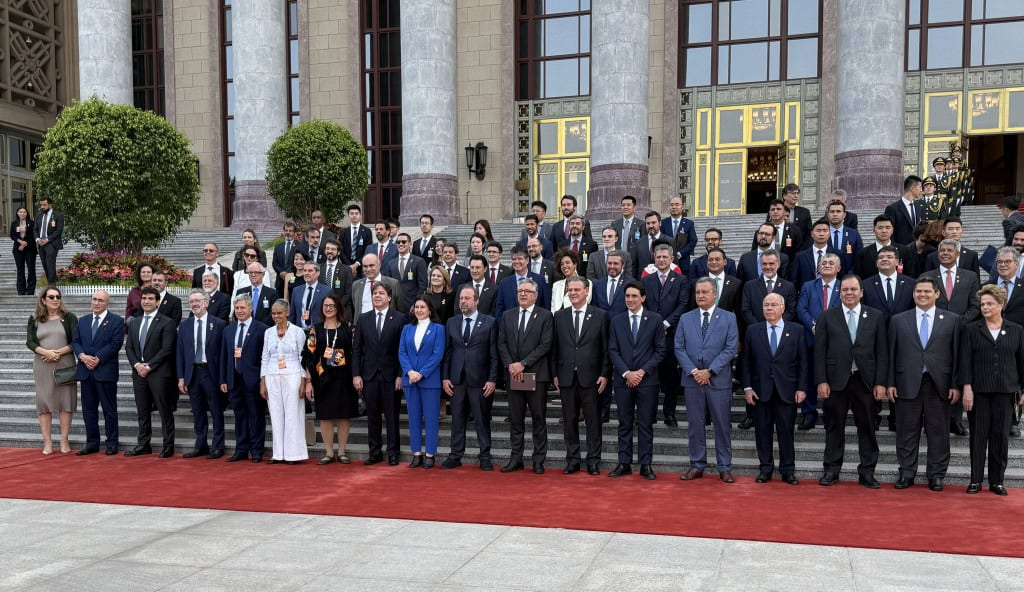
Simone Tebet emphasized to the press that the Chinese are still assessing technical and financial details of the project, with hopes for a decision before President Xi Jinping’s visit to Brazil, scheduled for the Brics Summit in Rio de Janeiro in July 2025.
Additionally, former President Dilma Rousseff, now the president of the Brics bank, confirmed that Xi Jinping has already approved the railway, indicating a significant advancement in the partnership.
The Impact on Brazil and Latin America
This railway is not just an investment in transportation: it is also a key piece of the regional economic integration strategy.
By linking Brazil to the Pacific, the project opens doors for Brazilian products, especially from agribusiness, to reach Asian and American markets faster and at lower costs.
This new corridor could encourage the attraction of new businesses, generate jobs, and foster development in regions that still struggle with inadequate infrastructure.
Experts note that the venture could help diversify Brazilian trade routes, reducing pressure on traditional Atlantic ports and paving the way for a more sustainable and efficient logistics system.
Moreover, the advancement of the railway could stimulate the modernization of production chains and increase the country’s competitiveness in the global arena.
What Are the Next Steps?
Although the project is still in a preliminary phase, the expectation is that construction will begin soon, provided there is political and financial consensus.
The decision on the exact route, environmental analysis, and agreements between the countries are some of the steps that need to progress for the railway to move forward.
The federal government also emphasizes that the involvement of the private sector and alignment with sustainable development policies will be essential for the success of the project.
In summary, the Bioceanic Railway represents a historic opportunity for Brazil, Peru, and China to create a strategic corridor for integration and development in Latin America.
Do you believe that this mega-project could really transform Brazilian infrastructure and economy? Share your opinion in the comments.








Eu acredito que esse mega investimento vai reposicionar o Brasil no cenário internacional de comércio exterior e mostrar que nós podemos sim ser capaz de melhorar nossa logística de transporte ferroviário e alavancar grandes desenvolvimentos econômicos principalmente no interior do Brasil.
Janilto – Juíz de Fora – MG
Se for bom para o Brasil, será que Marina Silva não vai colocar dificuldades da mesma forma que faz com o petróleo da foz do Amazonas? Espero que até lá, os políticos sejam outros e que pensem num bem comum para o povo em geral.
Uma obra faraônica. Acredito que se trata de uma Estatal chinesa, que será responsável pela realização desse grande empreendimento, e não fará como a maior parte das outras empresas ferroviárias privadas, optando tão somente, pela logística do transporte cargas.