





 Portuguese
  English
  Spanish
  5 min of reading
  1 comment


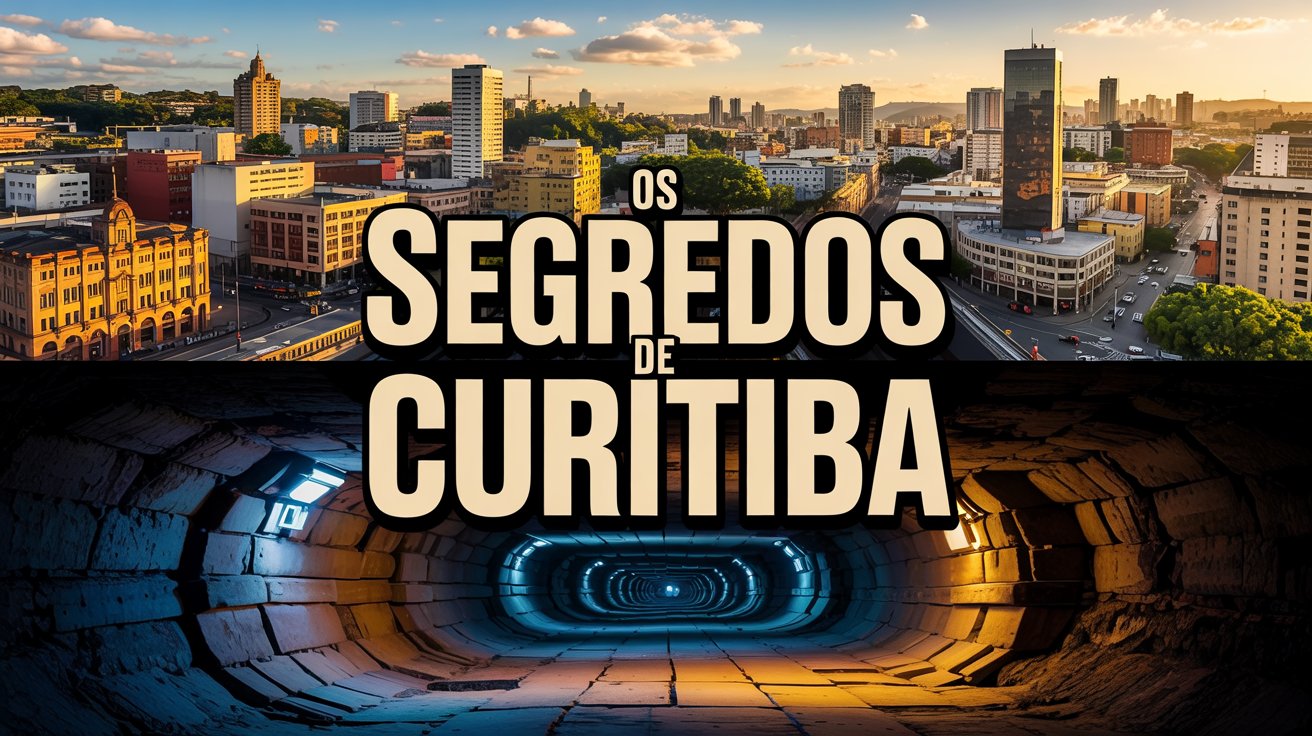


Curitiba Hides Century-Old Tunnels and Bunkers Filled with Secrets and Real Stories that Challenge Time and the Imagination of the Curious.
Curitiba holds an underground past filled with mysteries and century-old constructions that few know about.
Tunnels, bunkers, and secret passages hidden beneath churches, historic buildings, and even police stations reveal an unusual side of the Paraná capital.
According to researchers and historical records, some of these structures date back to the 18th century and gained prominence during the world wars, when they were built or adapted to protect authorities, the military, and strategic assets.
-
Friends have been building a small “town” for 30 years to grow old together, with compact houses, a common area, nature surrounding it, and a collective life project designed for friendship, coexistence, and simplicity.

-
This small town in Germany created its own currency 24 years ago, today it circulates millions per year, is accepted in over 300 stores, and the German government allowed all of this to happen under one condition.

-
Curitiba is shrinking and is expected to lose 97,000 residents by 2050, while inland cities in Paraná such as Sarandi, Araucária, and Toledo are experiencing accelerated growth that is changing the entire state’s map.

-
Tourists were poisoned on Everest in a million-dollar fraud scheme involving helicopters that diverted over $19 million and shocked international authorities.


These mysterious places help compose the popular imagination, fueling legends and theories that cross generations.
One of the first accounts of the search for underground tunnels arose from the interest in finding a pirate treasure supposedly hidden in Bosque Gutierrez, in the Vista Alegre neighborhood.
According to researcher Marcos Juliano Ofenbock, the story is linked to “Pirate Zumiro,” who supposedly left clues dated 1880 on Trindade Island and possibly lived in the Mercês neighborhood.
During investigations, passages that trace back to the Jesuit missions of the 18th century were discovered.
The Jesuits took advantage of the natural terrain and the proximity to water sources to build underground vaults, which continue to intrigue historians and the curious.
Tunnels in the Curitibano Club
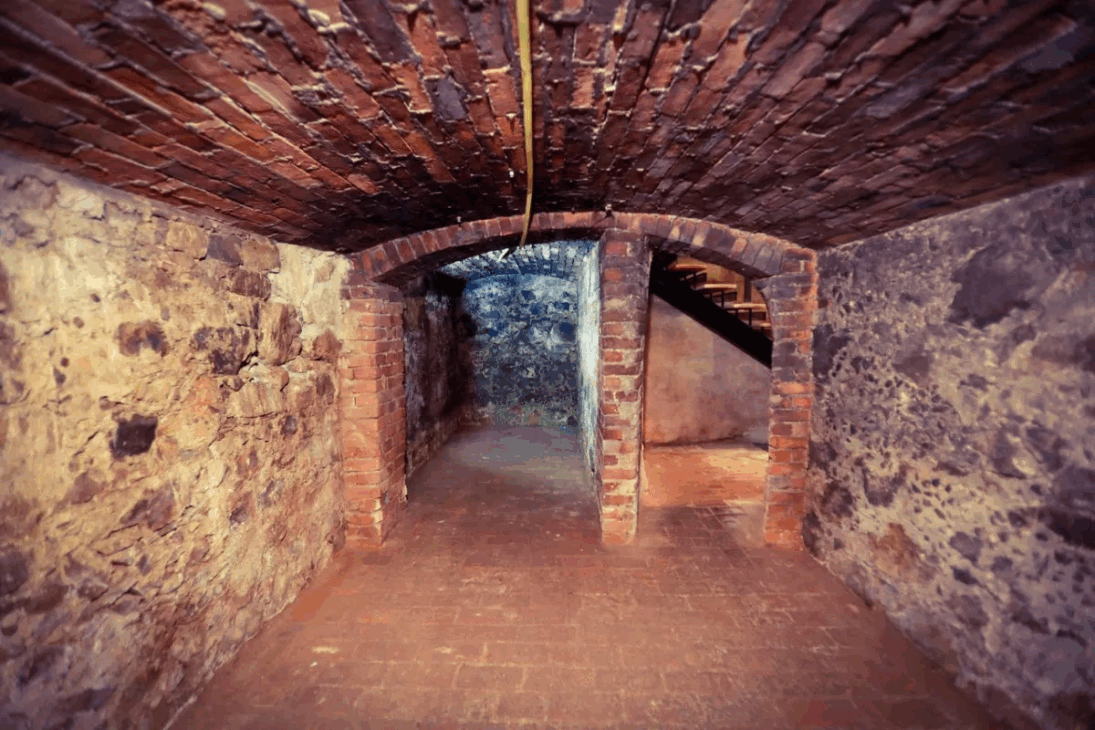
An emblematic location is the Concórdia headquarters of the Curitibano Club, founded in 1887 and situated in a historic building constructed by German immigrants.
In the club’s basement, there is a tunnel about 10 meters long, lined with rock and bricks, accessible by a staircase in one of the halls.
Although the original function of the tunnel is not fully known, experts speculate about its connection to an ancient system of underground passages that linked the Historic Center of Curitiba.
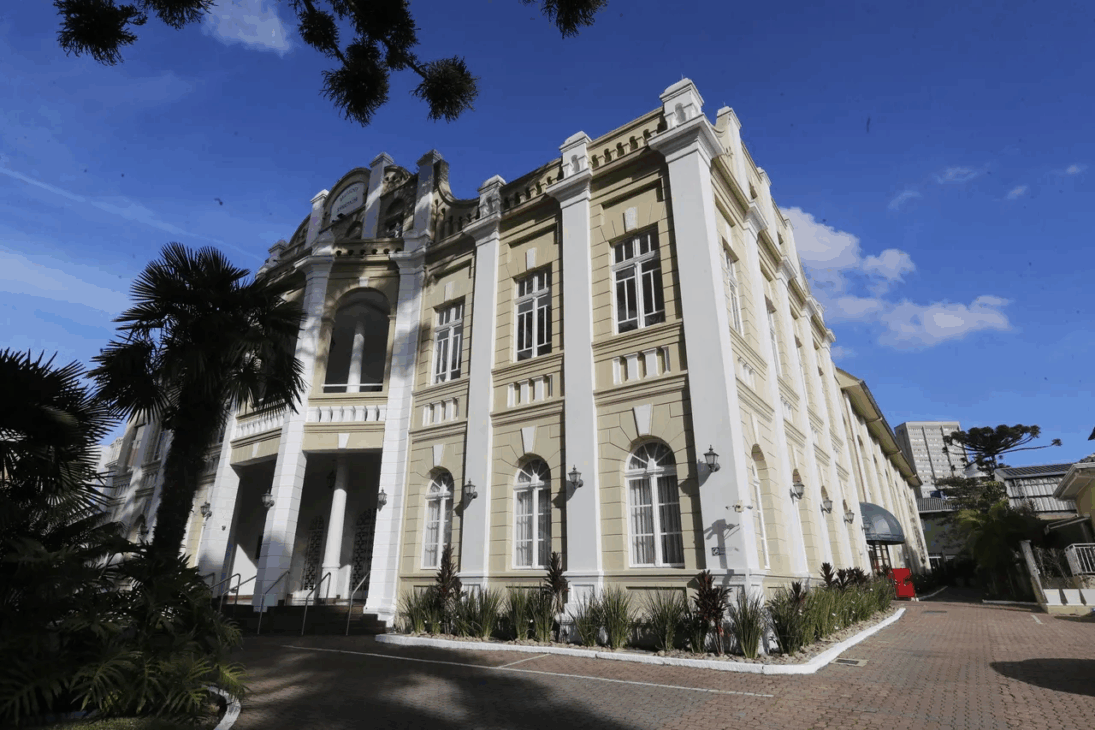
Documents indicate that this passage may have connected to a residence at the back of Rua Duque de Caxias, and there is also the possibility that it served as a storage for preserving supplies.
Near this structure, an underground wine cellar was later built, visible from the club’s restaurant hall through a glass panel in the floor.
Secret Passage in the Explosives Police Station
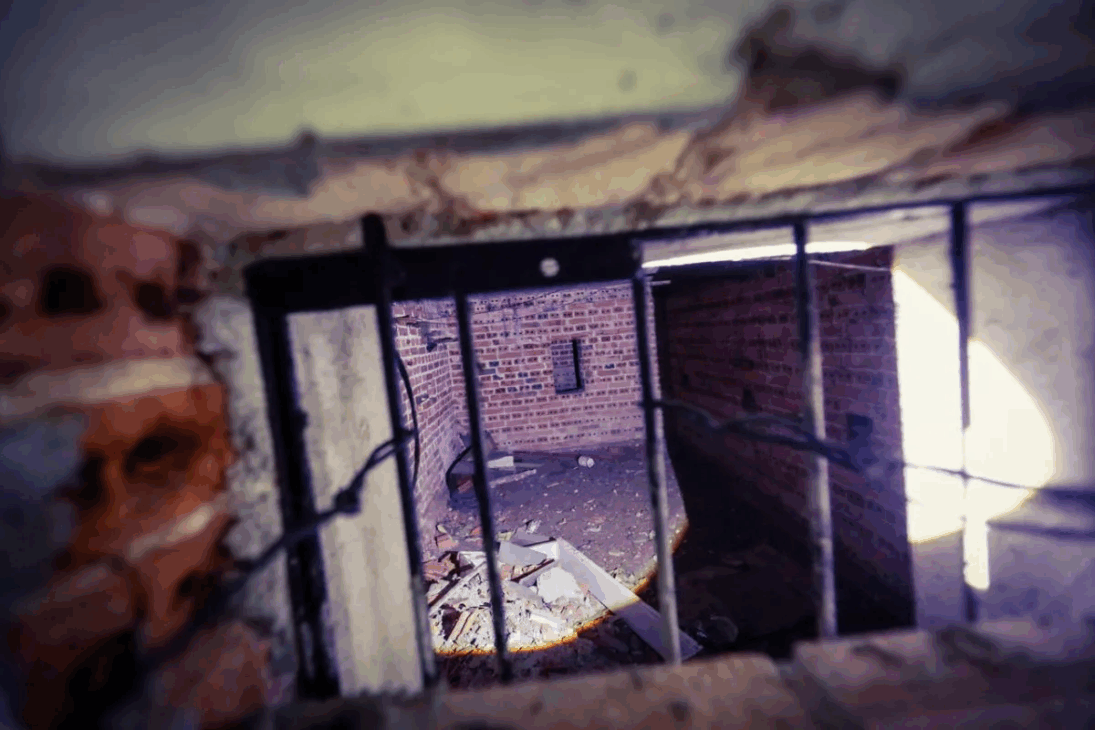
In the city center, the Explosives, Arms, and Ammunition Police Station (Deam), located in the São Francisco neighborhood, also houses an underground passage with a history linked to the Military Dictatorship.
The building served as the headquarters of the Department of Political and Social Order (DOPS), where three preserved cells used for detention still remain today.
The passage, which is said to connect with the Paraná Museum across the street, features thick masonry walls, similar to a bunker, reinforcing the idea of isolation and security.
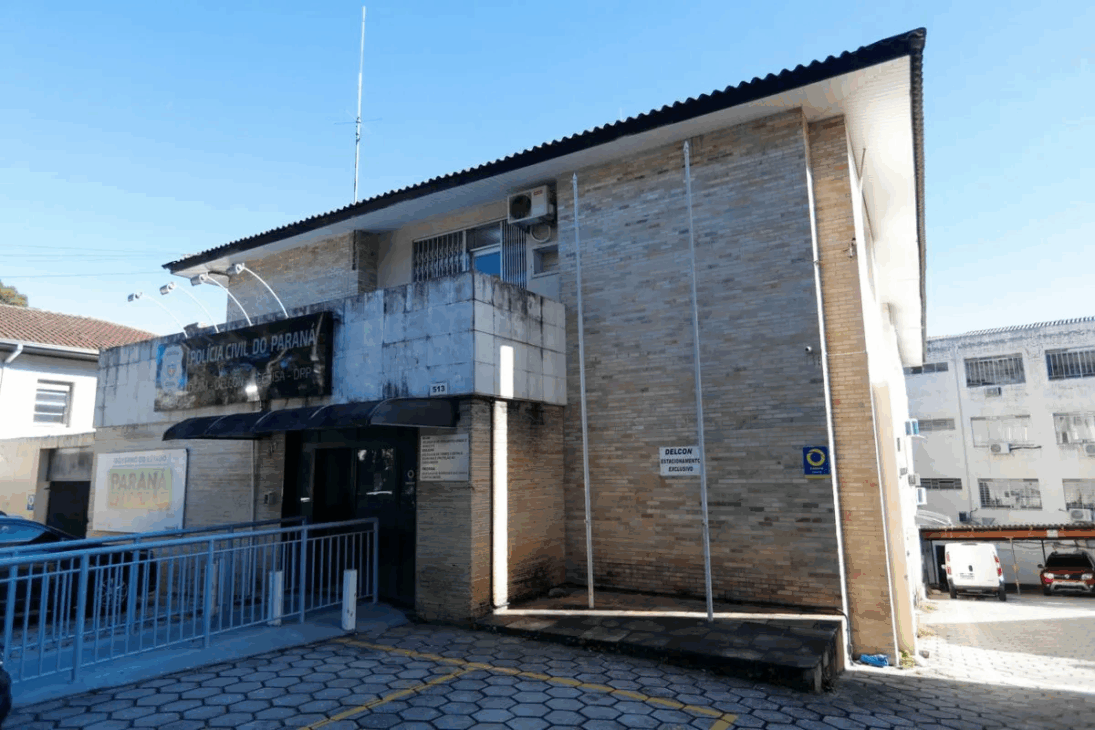
Currently, access to the tunnel is blocked by a wall, and the space is used as an arms depot by the Civil Police of Paraná, with enhanced security.
The Bunker of the State College of Paraná
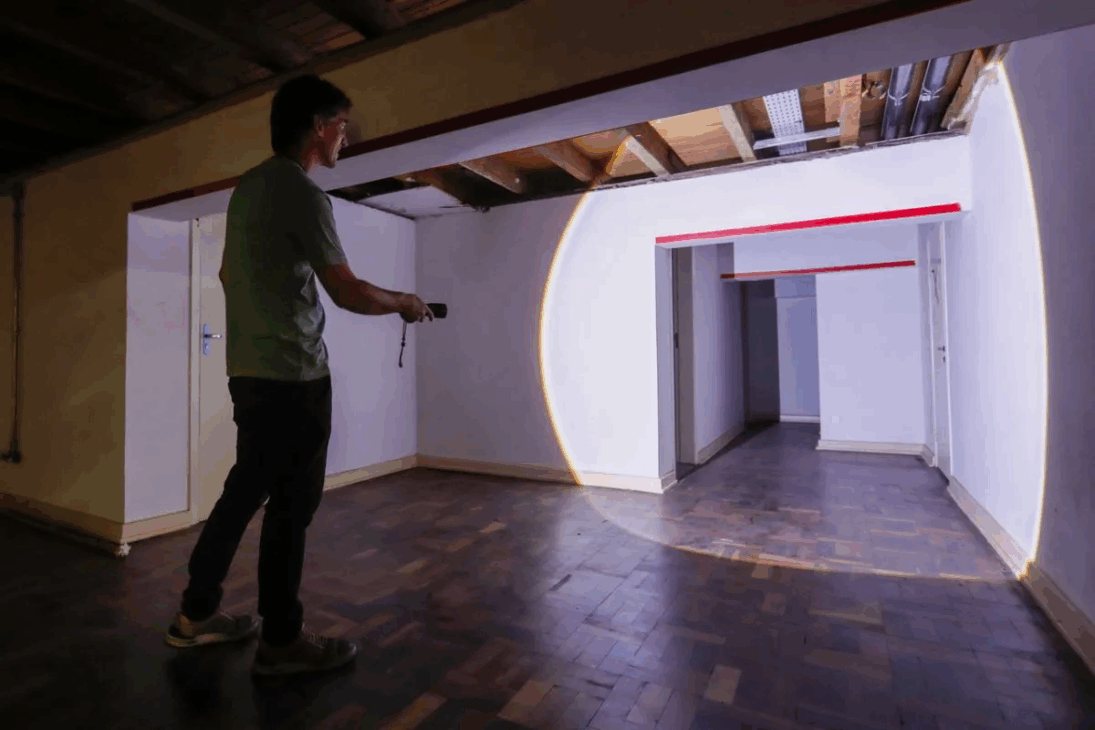
At the State College of Paraná (CEP), students are enchanted by an underground space known as the “bunker,” which currently serves as an art room and storage.
Built in 1943, during World War II, the site was designed with thick concrete walls, possibly to serve as an air raid shelter.
Some believe that the bunker is connected to other points in the Historic Center by tunnels, but there is no concrete evidence to confirm this theory.
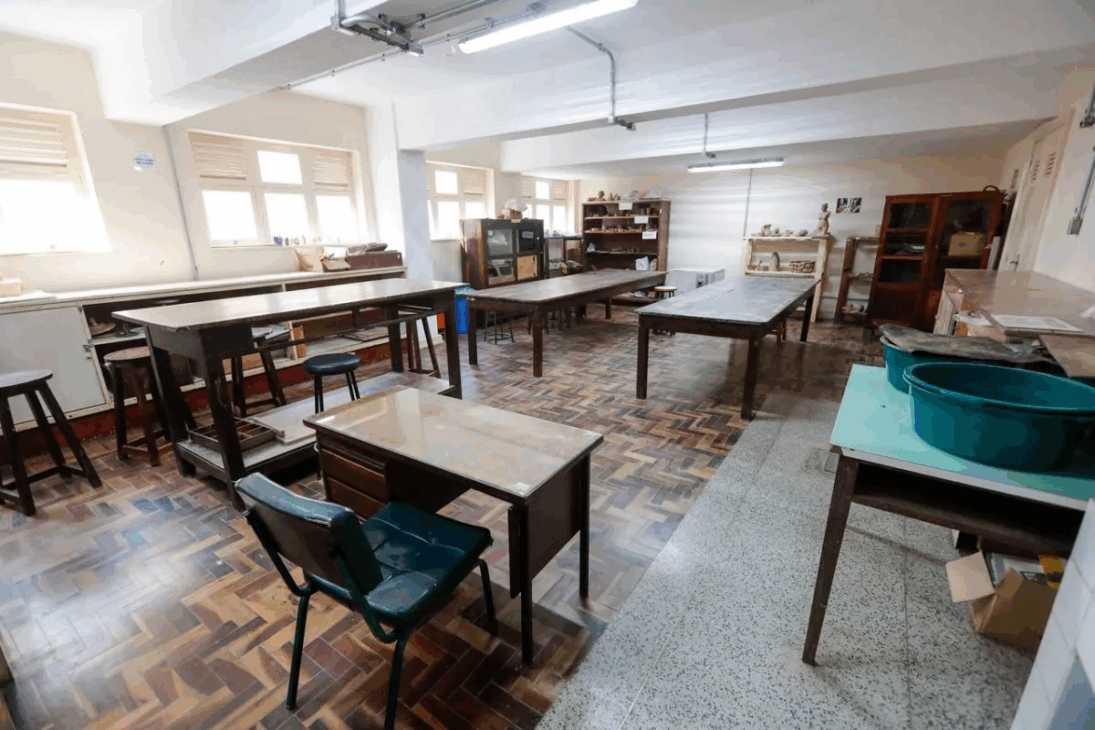
Windowless rooms with low ceilings located beneath the school’s auditorium house the theater group’s wings, and even a mechanical system for the piano, which was deactivated in recent renovations.
The Basement of Santa Casa Hospital
In the heart of Curitiba, Santa Casa Hospital, dating back to the 19th century, has a basement that followed the standards of the time for storage.
Although there is no evidence of underground connections between the hospital and other nearby buildings, such as old military barracks, some theories suggest that tunnels may exist, remaining a mystery.
These underground structures form an invisible network that enriches the history of the city and challenges the imagination of Curitibanos and visitors.
In addition to the historical aspect, the existence of these tunnels raises questions about architecture and urban strategy in times marked by conflicts and threats.
The use of these spaces for protection, storage, and covert transport reflects the city’s importance in the region over the centuries.
With recent research and initiatives to preserve these sites, the public has increasing access to accounts revealing a Curitiba that goes beyond the known streets and avenues.
Curious and filled with stories worthy of a movie, the underground of the Paraná capital continues to intrigue historians and awaken the curiosity of those who wish to unveil its secrets.
And you, have you ever imagined what could be hidden beneath your feet while walking the streets of Curitiba? What other underground stories does this city still hold to surprise its residents and visitors?









Há túneis também na antiga Fiat LuX hj swedish match, ao lado da rodoviária, eu mesmo vi, trabalhei uma ano lá… existem mesmo essas ligações subterrâneas…