





 Portuguese
  English
  Spanish
  5 min of reading
  0 comments


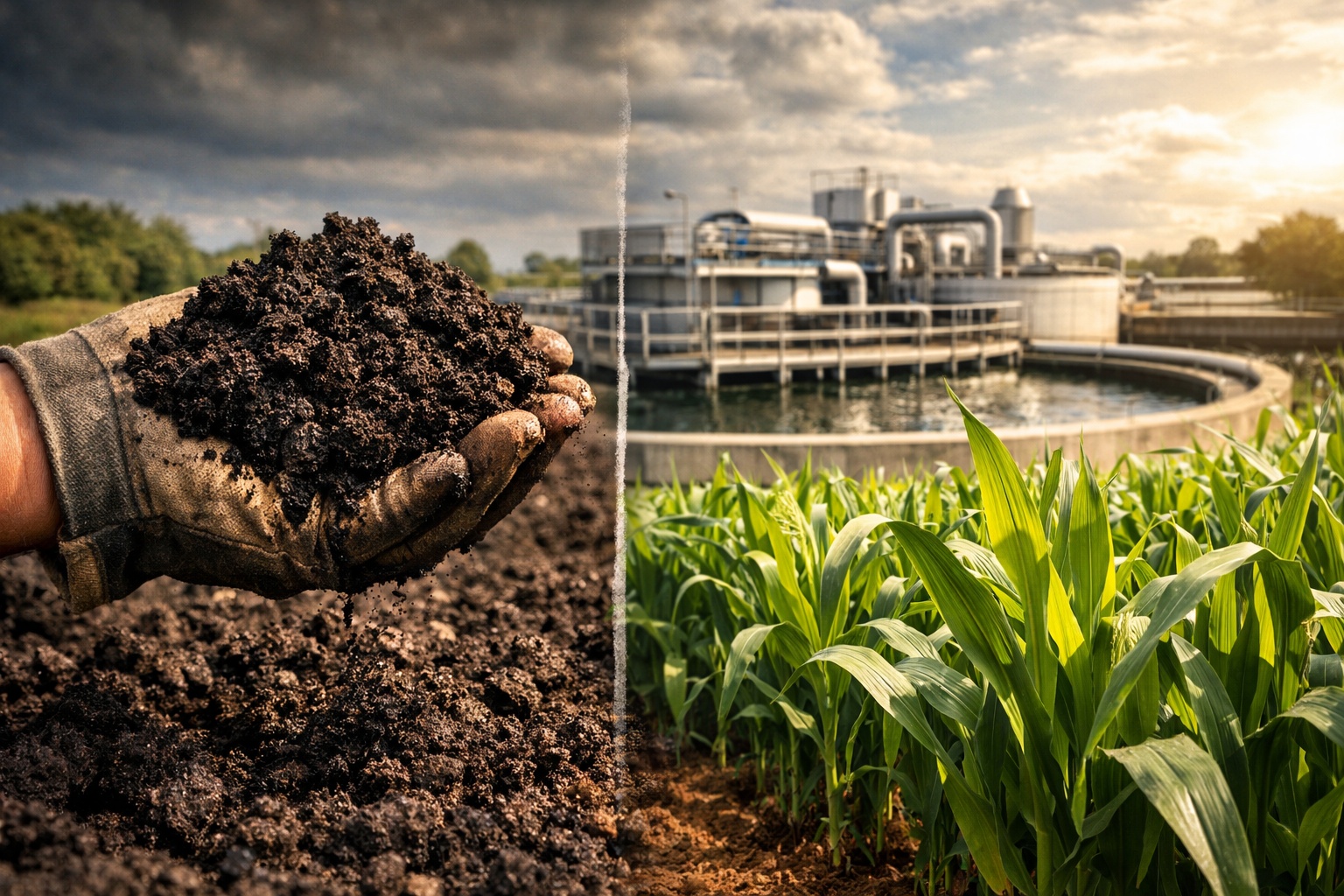
Treated Sludge Is Now Used As Agricultural Fertilizer In Controlled Projects In Brazil And The World, Reducing Costs, Recycling Nutrients And Raising Debates About Safety And Regulation.
In São Paulo, Brazil, starting in the early 2000s, researchers from the University of São Paulo (USP), the Luiz de Queiroz College of Agriculture (ESALQ), and São Paulo State University (Unesp) began to test, under controlled conditions, the agricultural use of what is called treated sewage sludge, also known as biosolids. The material, which previously represented a serious sanitary and environmental problem for sanitation companies, began to be studied as an organic and organo-mineral fertilizer, rich in organic matter, nitrogen, phosphorus, and micronutrients. In Brazil, these studies advanced in partnership with state sanitation companies, such as Sabesp, and under the regulation of the National Environment Council (Conama), especially after Resolution No. 375/2006, which established technical criteria for the agricultural use of sewage sludge.
The same logic has been applied, with varying degrees of success and controversy, in countries such as United States, Spain, France, Germany, and the United Kingdom, where the agricultural reuse of biosolids has been practiced for decades under rigorous environmental regulations. In poor regions or degraded soils, this practice has been seen as a way to recycle nutrients, reduce dependence on imported mineral fertilizers, and give useful destination to an inevitable urban waste.
What Is Treated Sewage Sludge And Why Has It Stopped Being Just Waste
Sewage sludge is the solid material that remains after the treatment of wastewater in sewage treatment plants. For decades, this waste was exclusively associated with diseases, foul odors, and environmental contamination, being discarded in landfills or, in older cases, improperly released into the environment.
-
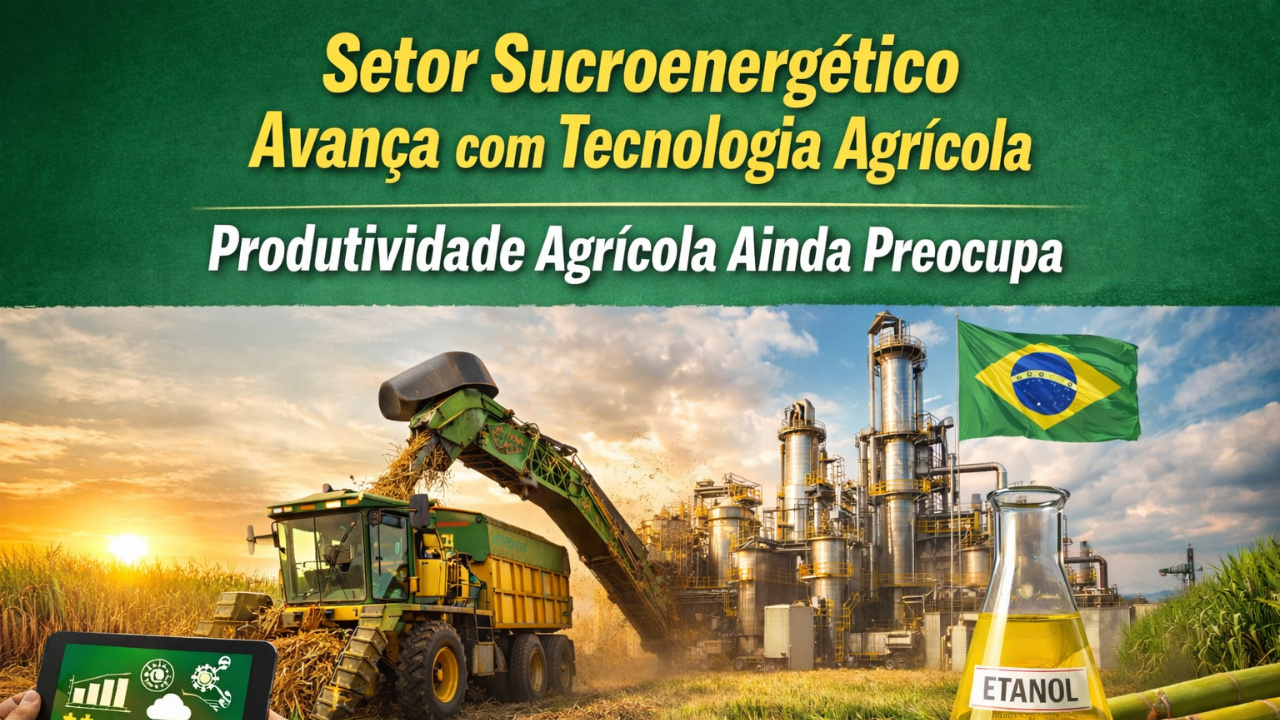
The sugar-energy sector advances with agricultural technology, but agricultural productivity still raises concerns.
-
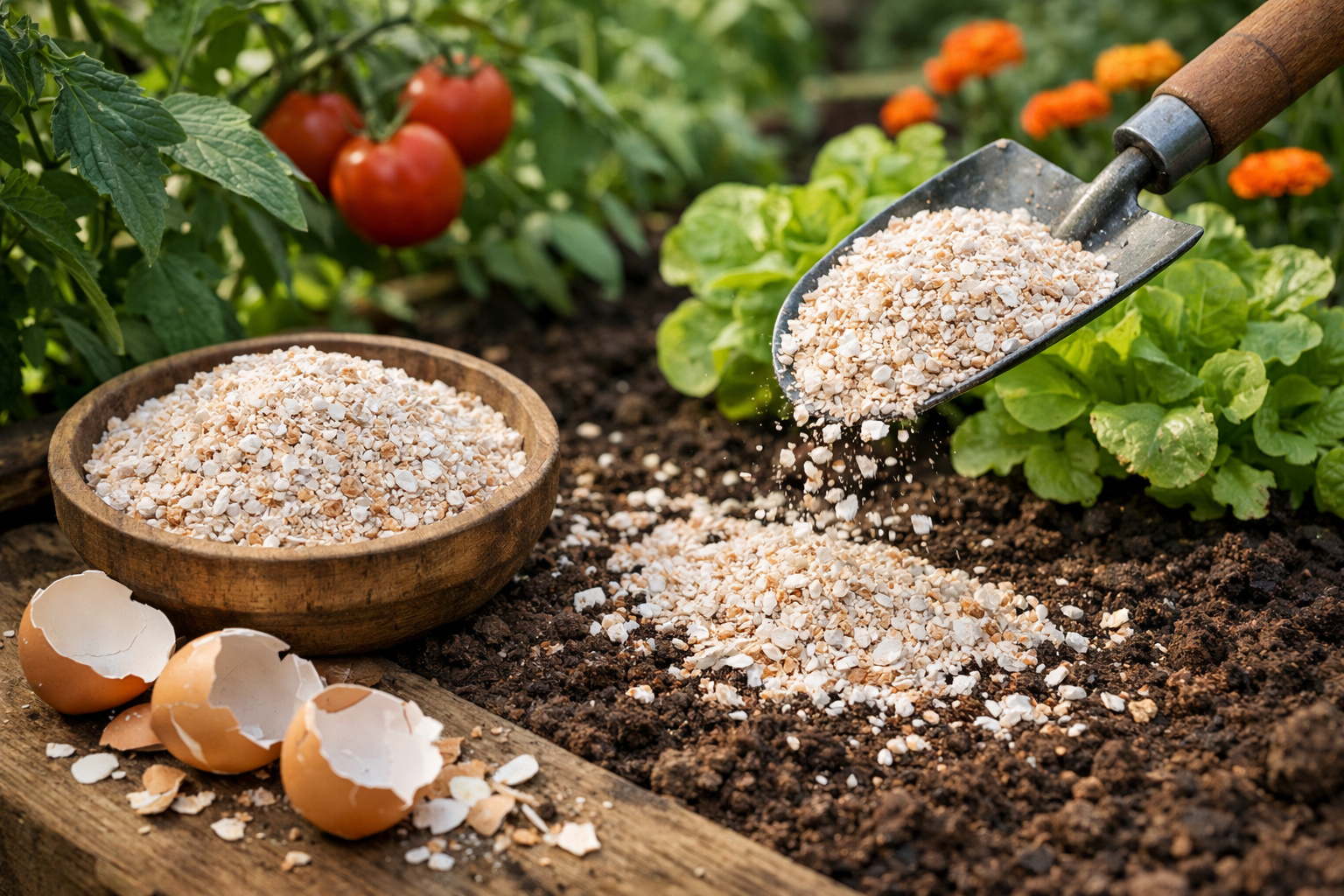
The eggshell that almost everyone throws away is made up of about 95% calcium carbonate and can help enrich the soil when crushed, slowly releasing nutrients and being reused in home gardens and vegetable patches.
-
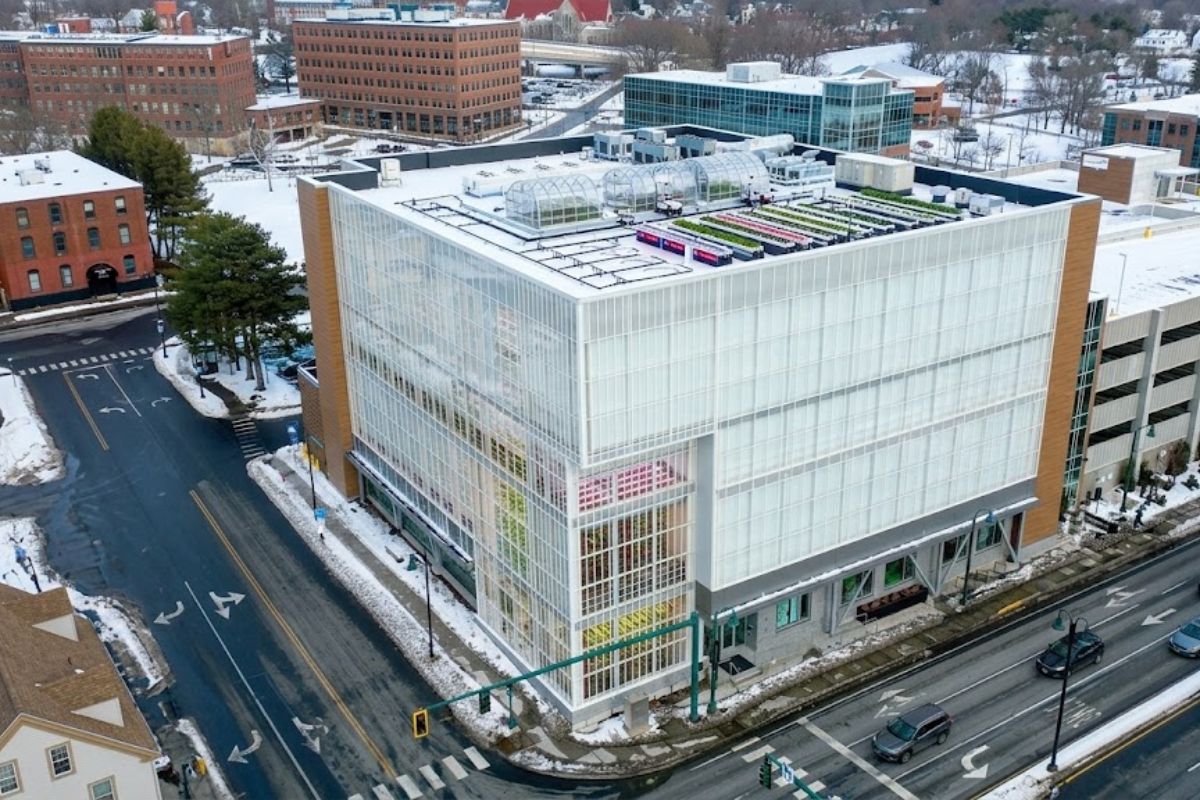
This farm in the United States does not use sunlight, does not use soil, and produces 500 times more food per square meter than traditional agriculture: the secret lies in 42,000 LEDs, hydroponics, and a system that recycles even the heat from the lamps.
-
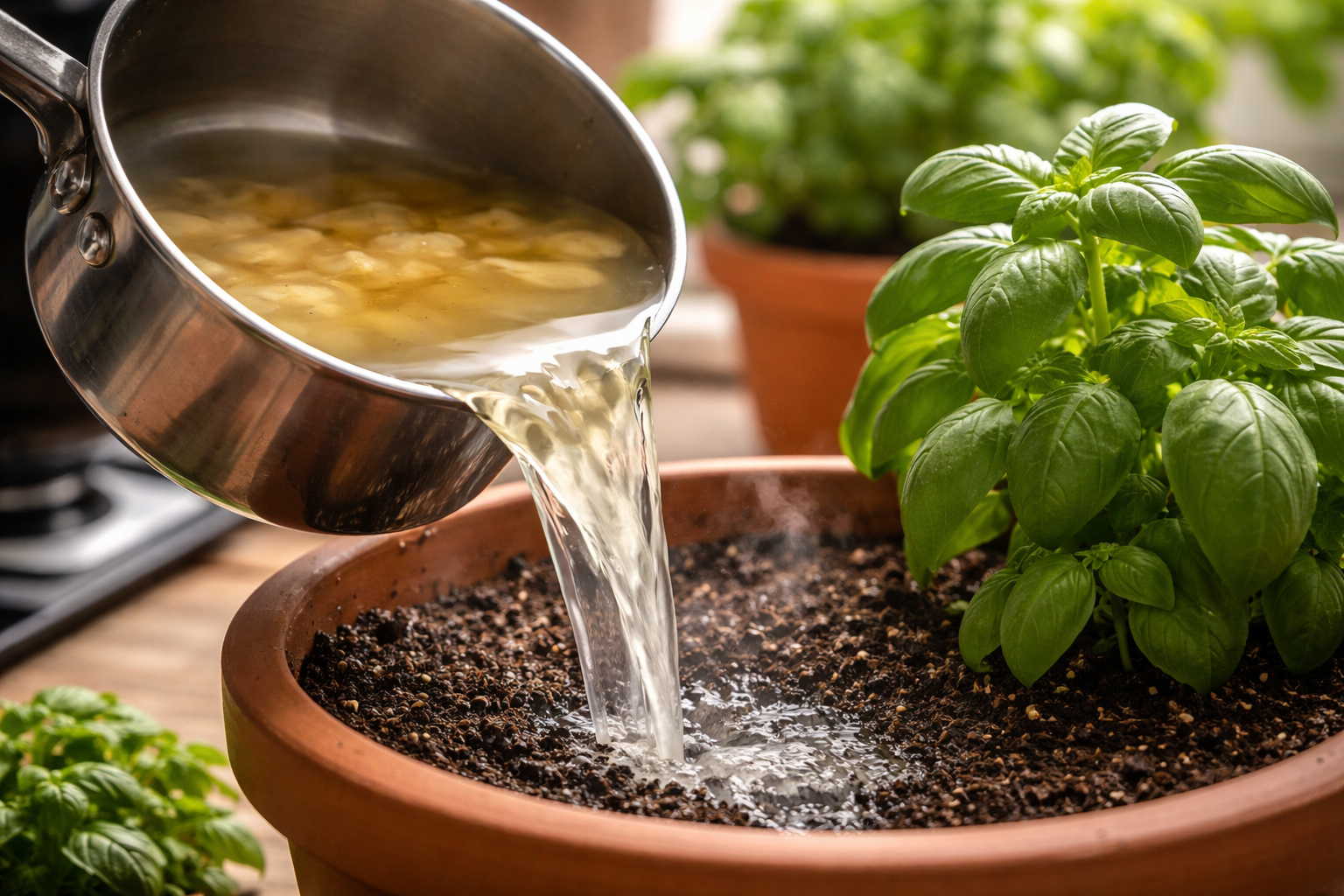
The water that almost everyone throws away after cooking potatoes carries nutrients released during the preparation and can be reused to help in the development of plants when used correctly at the base of gardens and pots, at no additional cost and without changing the routine.


With the advancement of sanitary treatment and microbiology, the sludge has begun to be stabilized, sanitized, and monitored, drastically reducing the presence of pathogens. When properly treated through processes such as anaerobic digestion, composting, or thermal drying, it transforms into biosolid, a material with a high content of organic matter and essential nutrients for plants.
Studies conducted by USP and Unesp, especially in poor soils of the Brazilian Cerrado, have shown that biosolid can improve soil structure, increase water retention, elevate organic carbon content, and provide nutrients gradually to agricultural crops.
Where the Practice Is Real And Documented In Brazil
In Brazil, documented experiences have occurred mainly in the states of São Paulo, Paraná, and Minas Gerais, starting in the 2000s. Sabesp, in partnership with public universities, developed pilot programs for the application of biosolids in forestry crops, such as eucalyptus, and later in experimental fields.
Research from ESALQ/USP, published in official scientific repositories of the university, showed that treated sludge can be transformed into organo-mineral fertilizer, reducing the need for conventional chemical fertilizers. Studies from Unesp have evaluated the long-term impacts on soil, concluding that when legal limits are respected, there is no dangerous accumulation of heavy metals.
These initiatives have always occurred under environmental licensing, with prior analysis of the soil, biosolid, and the crops involved, following parameters defined by Conama and monitored by state environmental agencies.
The Role In Poor Regions And Degraded Soils
In poor regions, both in Brazil and in developing countries, the cost of mineral fertilizers is one of the main obstacles to agricultural productivity. Biosolid emerges as a strategic alternative because it reuses nutrients already present in the urban cycle, reducing expenses and closing a cycle that previously ended in waste.
In areas of the semi-arid region and in highly weathered tropical soils, the organic matter present in treated sludge improves the soil’s capacity to retain water and nutrients, which is crucial for small producers. Brazilian research points to productivity gains in crops such as corn, pastures, and energy forests, always in controlled experimental areas.
How The Use Is Regulated To Avoid Risks
The agricultural use of sewage sludge is not unrestricted. In Brazil, Conama Resolution No. 375/2006 establishes strict limits on heavy metal concentrations, pathogen levels, types of allowed crops, and methods of application. Food crops consumed raw, for instance, have severe restrictions.
In the United States, the Environmental Protection Agency (EPA) regulates the use of biosolids under 40 CFR Part 503, which classifies the material into different categories according to the level of treatment and establishes standards for continuous monitoring.
In the European Union, environmental guidelines require complete traceability of the material, periodic analyses, and public reporting, ensuring that the fertilizer does not compromise human health or ecosystems.
The International Debate And The Limits Of The Solution
Despite the benefits, the use of sewage sludge in agriculture is not an absolute consensus. Recent studies and reports from international agencies, such as Reuters, have raised concerns about the presence of persistent compounds, such as PFAS, known as “forever chemicals,” in some biosolids in the United States.
These substances, present in industrial and household products, can resist conventional treatments and accumulate in the soil if there is no strict control. Therefore, environmental agencies have been reinforcing the need for continuous chemical monitoring and periodic review of regulations.
This debate shows that biosolid is not a universal solution nor free of risks, but a input that requires technical management, transparency, and ongoing oversight.
From Sanitary Problem To Strategic Agricultural Asset
The reuse of treated sewage sludge represents a profound change in the way societies deal with urban waste. What once spread diseases and pressured landfills is now part of circular economy strategies, especially relevant in countries with economic limitations and impoverished soils.
In Brazil, the experience accumulated by public universities, sanitation companies, and environmental agencies shows that when well regulated, biosolid can reduce agricultural costs, improve soils, and diminish environmental impacts. Internationally, the practice continues to expand, accompanied by scientific debates and regulatory adjustments.
Treated sewage sludge is not a miraculous solution but a concrete example of how science, regulation, and sanitary engineering can transform a historical liability into a productive resource, provided that technical and environmental limits are respected.










-

3 pessoas reagiram a isso.