





 Portuguese
  English
  Spanish
  3 min of reading
  0 comments


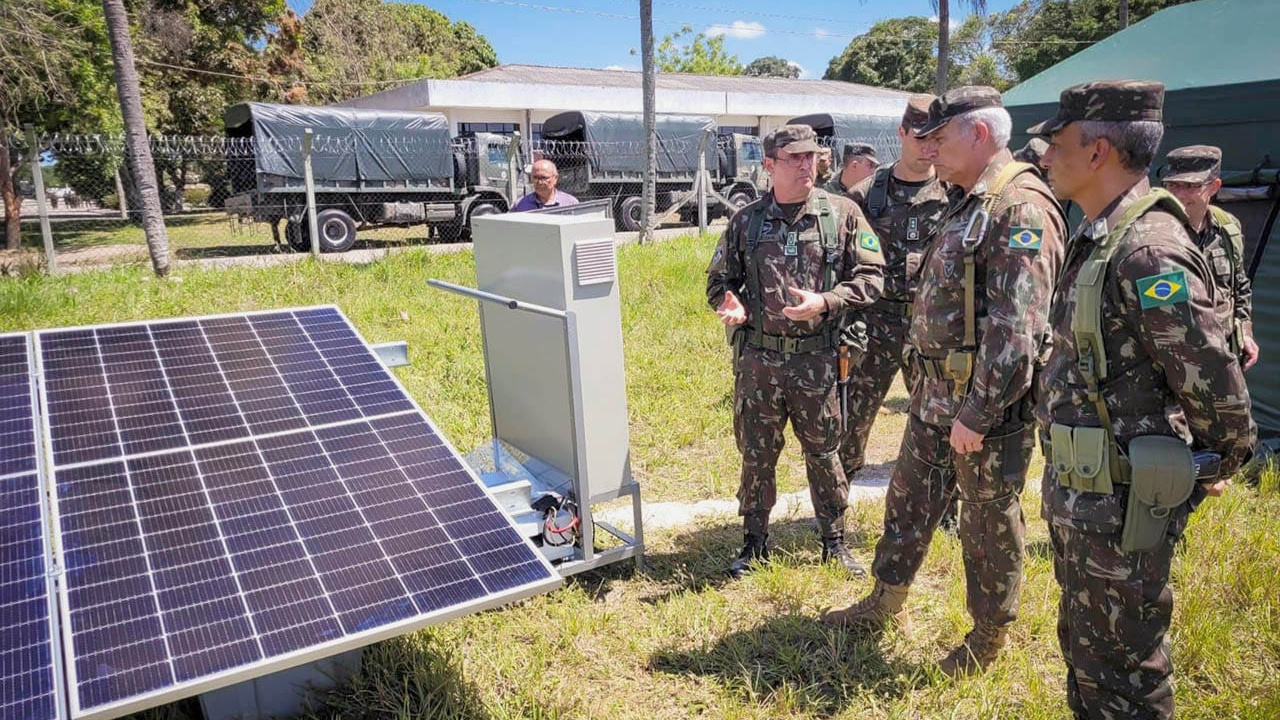
The Brazilian Army Begins Testing Renewable Energy in Military Operations with Mobile Solar Panels. The Bet Could Reduce Costs, Risks, and Dependence on Diesel in Barracks and on the Battlefield.
Renewable energy has firmly entered the radar of the Armed Forces. In a move that surprises and generates debate, the Brazilian Army has started testing, for the first time, a solar energy system capable of supplying entire platoons during operations and mobilizations.
The innovation promises to change the way troops remain active in the field, reducing costs, risks, and dependence on fossil fuels.
Moreover, the initiative arises at a moment when the debate on sustainability and public resource economy is becoming more intense in Brazil.
-
The Brazilian state accelerates industrial competitiveness with a focus on the extraction of strategic minerals to boost the energy transition in Goiás.

-
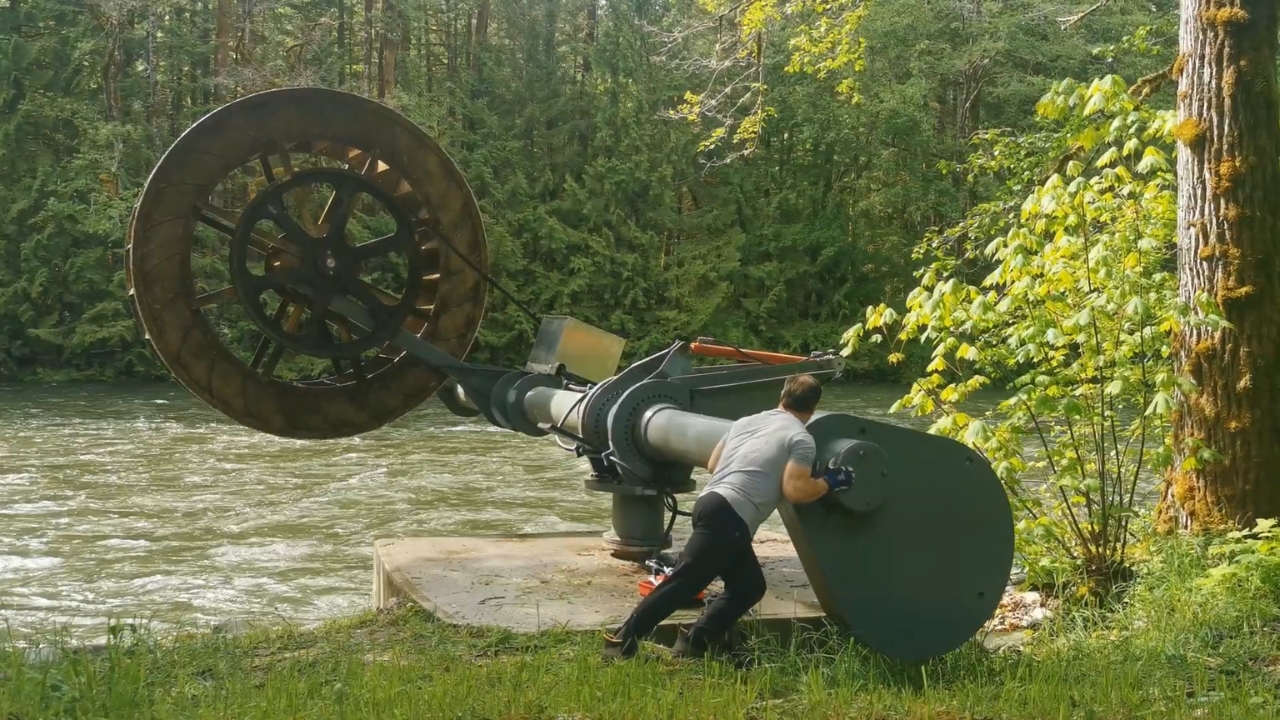
A Canadian retiree creates a hydroelectric system on a real river, generating energy continuously throughout the day and demonstrating how the power of water can supply a house with stability even in a simple structure.
-
Petrobras reaffirms its commitment to the market and ensures that it will carry out the energy transition safely to maintain national sovereignty.

-
Researchers discover a possible hydrogen deposit of up to 46 million tons beneath an ancient coal basin, and the volume could exceed half of the entire global production.


Renewable Energy Reaches Military Operations
The equipment at the center of this transformation is the so-called Campaign Energy Module (CEM).
It is a mobile platform equipped with solar panels, designed to ensure electric power supply in camps and missions far from the conventional grid.

According to information from the Directorate of Engineering Material (DME), four prototypes of the CEM have already begun to be used by different military organizations. They will supply communication systems, lighting, and other basic demands of the platoons, which gather about 30 soldiers each.
Meanwhile, the Army evaluates the performance of the equipment before deciding whether they will be definitively adopted throughout the country.
The use of renewable energy in the battlefield brings advantages that go beyond the environment.
The Director of Engineering Material, Brigadier General Luís Cláudio Brion Cardoso, highlighted the strategic impact of the innovation.
“By providing renewable energy to the troop deployed on the ground, the need for fuel supply for generators is eliminated, increasing the energy autonomy of the units deployed and reducing the exposure of supply convoys. Furthermore, solar energy emits no noise and generates no thermal signature, which enhances the troop’s camouflage capability.”
In practice, this means fewer trucks carrying diesel, less risk of attacks, and reduced public spending.
Technology That Fits on a Trailer
The CEM was designed to be simple, practical, and resilient. It consists of six solar panels of 610 Wp each, in addition to lithium batteries that store up to 20 kWh of energy.
The entire set is mounted on a small trailer, making it easy to transport to areas with difficult access.

During the day, the panels convert sunlight into electricity. At night or during cloudy periods, the stored energy ensures that the equipment continues to function without interruption.
The bet on renewable energy did not start now. Over the past seven years, the Army has installed 27 solar plants in barracks across Brazil.
With this, the Force saves about R$ 7.8 million per year and stops consuming approximately 360,000 liters of diesel.
Seven of these plants are located in Special Frontier Platoons, situated in isolated regions. In addition to supplying military personnel, the energy also reaches indigenous communities, uniting sustainability and social support.








-

2 pessoas reagiram a isso.