





 Portuguese
  English
  Spanish
 4 min of reading
  0 comments


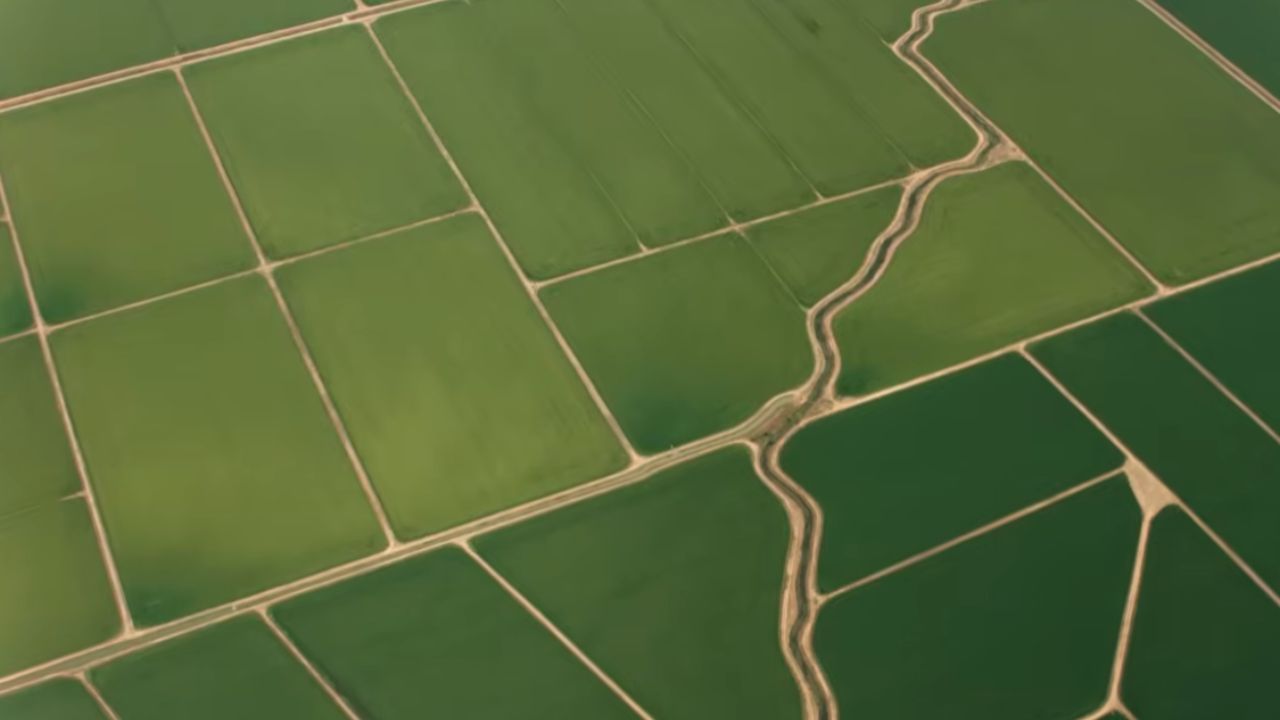
The Cheapest And Most Expensive Lands In Brazil Appear In Impressive Extremes, And The Land Market Atlas Shows Why Logistics, Soil, And Urban Expansion Change Everything
The cheapest and most expensive lands in Brazil are not separated only by distance or “luck.” The numbers show a country where the price per hectare can vary drastically, with cases below R$ 1,000 in Piauí and valuations exceeding R$ 2 million per hectare in São Paulo.
This snapshot appears in the Land Market Atlas released in November 2023, based on the analysis of 244 microregions and the work of over 200 technicians. The national average cited reaches R$ 14,300 per hectare, but the variation can be immense, reaching tens of thousands of times between one region and another.
Why Does The Price Of The Hectare Vary So Much In Brazil

When discussing the cheapest and most expensive lands in Brazil, it is worth remembering that “land” is not all the same. The value of bare land varies due to factors such as relief, water resource availability, soil fertility, logistics, and regional suitability for agribusiness or other economic explorations.
-
The Argentine government celebrates the lowest poverty rate in 7 years, but experts warn that the methodology has changed, real wages have fallen, unemployment has risen, and the number of people on the streets of Buenos Aires has increased by 57% since Milei took office.

-
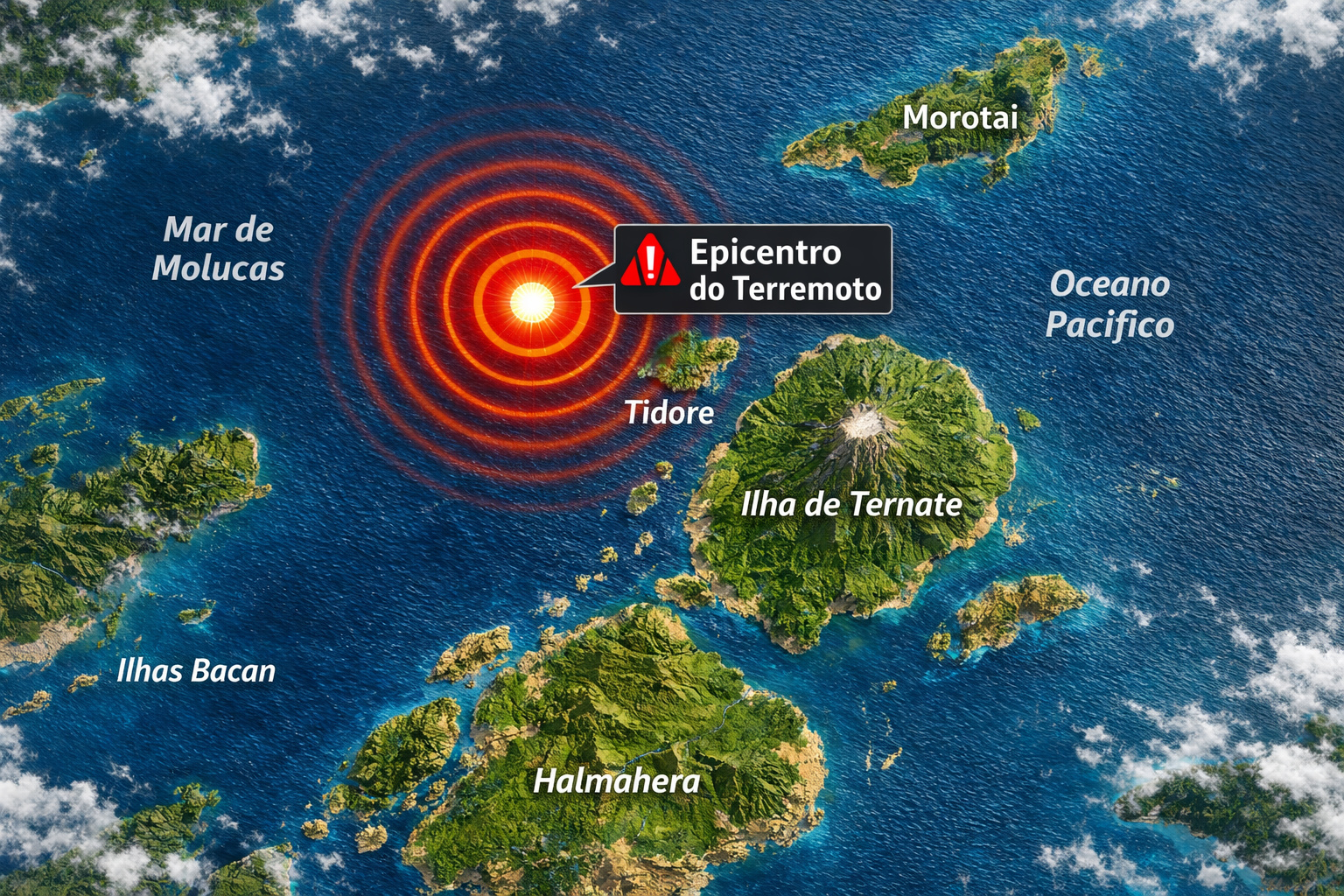
7.8 magnitude earthquake in Indonesia frightens the population, triggers tsunami alert, and hits an island with over 200,000 inhabitants this Thursday.
-
Google will finally let you change that embarrassing Gmail address you created in your teenage years without losing any accounts, logins, or old emails: the feature is already available in the United States.

-
Heading to Brazil in a Bonanza F33 single-engine aircraft: a couple departs from Florida on a visual flight, makes technical stops in the Caribbean to refuel and organize paperwork, and begins the staged crossing until they reach the country.


The extent to which the property allows for mechanization, the operational cost of production, and even proximity to drainage channels also matter. In some areas, location alone changes the game, especially when it shortens the distance to ports, airports, major centers, and consumer markets.
Where Are The Cheapest Lands In Brazil
In the mentioned extremes, the cheapest hectare in the country was estimated at R$ 80, located in the microregion Terras do Norte Piauiense, in the state of Piauí. The context itself suggests this may be an isolated case, associated with low productivity or some factor that further devalued the area.
When the focus shifts from the “outlier” to regional averages, the cheapest agricultural areas in Brazil appear in Piauí and in the central area of Ceará. In Piauí, regions such as Norte Piauiense, Vale do Rio Piauí, Vale do Carnaúba, Serra da Capivara, and Vale do Gurgueia are mentioned, in addition to others with very low average values. In Ceará, the highlight goes to the central sertão lands.
What this signals in practice: cheap land may signify a real production challenge, whether due to soil, water, logistics, or agricultural suitability limitations, which tends to reduce interest and put downward pressure on prices.
Where Are The Most Expensive Lands In Brazil
On the other extreme of the cheapest and most expensive lands in Brazil, the most expensive hectare was valued at R$ 2,131,000, in the microregion of Mogiana, in São Paulo. This value is associated, among other points, with location and the economic context of the region.
Following this, there are examples from Santa Catarina: the region of Joinville with R$ 786,000 per hectare, and Blumenau and Xanxerê with an average of R$ 350,000. Areas such as Vale do Paraíba and Campinas, in the interior of São Paulo, are also cited, with hectares above R$ 300,000.
Additionally, the text points out that expensive regions include the state of São Paulo, the Planalto do Rio Grande do Sul, the western Paraná, and Xanxerê lands in Santa Catarina, reinforcing that appreciation usually accompanies productivity, structure, and access.
What Makes A Land Appreciate Or Depreciate


The difference between the cheapest and most expensive lands in Brazil becomes clearer when the factors add up:
Fertility and Productive Potential
Cities and regions cited such as Campinas, Piracicaba, and Londrina are associated with lands having high soil fertility, with mention of the so-called “Terra Roxa,” a factor that tends to drive prices up.
Logistics and Drainage
The closer to ports, airports, and drainage routes for commodities, the greater the chance that the hectare will appreciate by reducing logistical costs and risks.
Urban Expansion
Urban expansion approaching rural properties can increase prices because some areas may eventually turn into urban lots later on, adding value even before the change occurs.
Topography and Mechanization
Surfaces with rough relief usually have a lower percentage of arable land and hinder mechanization, increasing operational costs and reducing value.
Installed Infrastructure
Properties with housing, warehouses, ongoing planting, or already structured businesses tend to receive added value because they shorten the path for buyers to produce.
What The Land Market Atlas Indicates About The Price Trend

The Land Market Atlas seeks to systematize data and support sector analyses, in addition to guiding processes such as agrarian reform. It is also mentioned that Incra is developing studies to construct a national dataset based on the evolution of prices.
There is an important signal: preliminary data indicate that, in some regions, prices per hectare have more than doubled in the last 5 years. One cited example is Paraná, with an increase of 121.5% from 2020 to 2022, showing how the market can accelerate in a short time depending on the regional context.
How To Interpret These Extremes Before Buying A Small Farm Or Site
For those dreaming of “a little piece of land,” the numbers of the cheapest and most expensive lands in Brazil serve as a warning: low price does not guarantee viability, and high price does not always mean “better for everyone.”
Before deciding, it is worth looking coldly at:
real productive suitability of the area
available water and regularity
access and logistical costs
possibility of mechanization
existing infrastructure and cost to implement what is lacking
local trend of urban expansion and real estate pressure
Quick Question For You To Comment: In Your Region, Is The Hectare Closer To Cheap Lands Or Expensive Ones, And What Factor Weighs Most On The Price Where You Live?








-

-

-

-

12 pessoas reagiram a isso.