





 Portuguese
  English
  Spanish
  5 min of reading
  1 comment


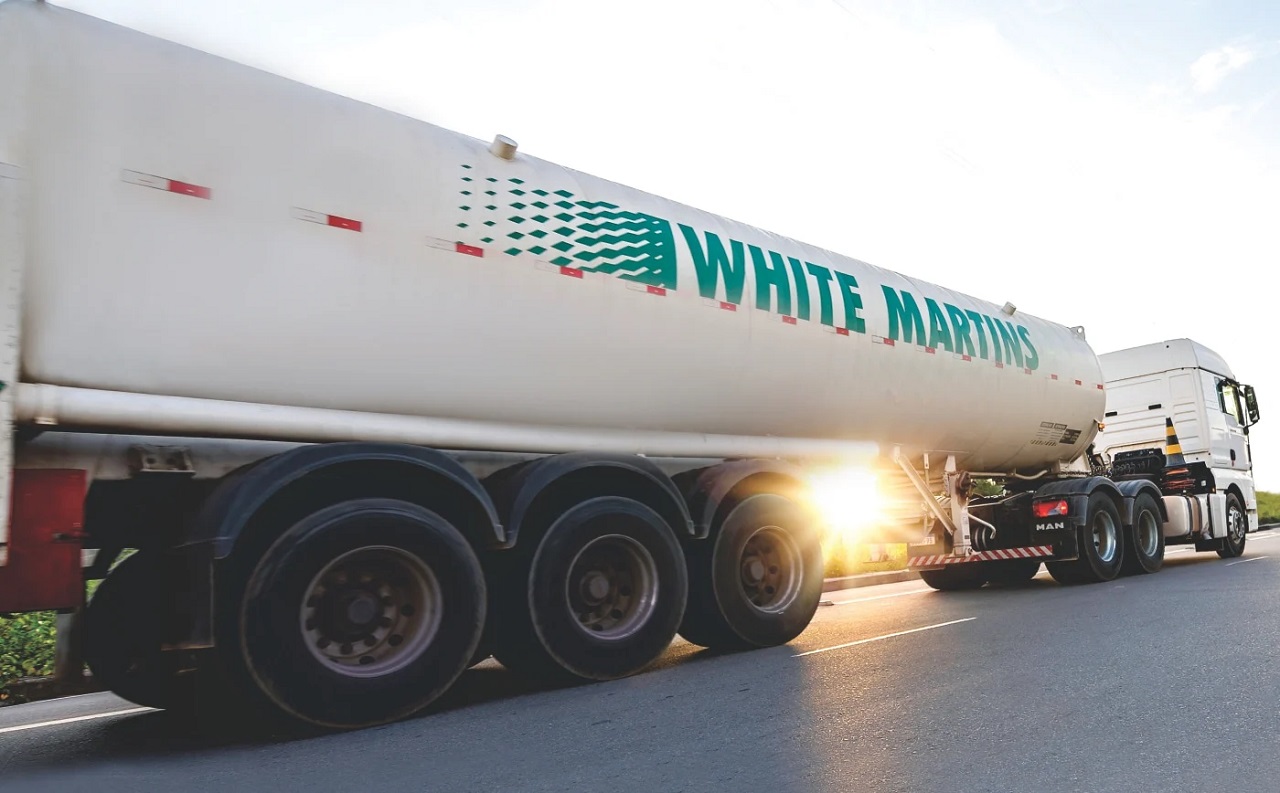

White Martins Leads The Production Of Green Hydrogen In Brazil With Its First Certified Plant And Plans To Expand Capacity With New Unit In São Paulo. Despite Technological Advances, The Clean Energy Market In Brazil Faces Challenges Due To Lack Of Regulation Of H2V, Which Hinders Sector Growth.
White Martins is at the forefront of green hydrogen production in Brazil. Since 2022, the company has been operating the first plant in South America certified to produce H2V, located in Igarassu (PE). Now, in 2025, it is preparing to inaugurate its second factory in Jacareí (SP), increasing the current production capacity fivefold. Even with this progress, the growth of the domestic market remains stalled due to the lack of specific federal regulation for green hydrogen.
The scenario is emblematic: while the multinational Linde, the parent company of White Martins, invests heavily in the “fuel of the future” in Brazil, the country still does not offer a legal framework for contracts, incentives, and certifications. The potential to transform Brazil into a global leader in clean energy supply exists — but depends on immediate government actions.
First Certified H2V Plant Of The “Fuel Of The Future” In South America
The White Martins unit in Pernambuco is, to this day, the only certified green hydrogen plant in industrial operation in Brazil.
-
China bets on the Fishery-PV model and transforms fish farms into giant solar plants, covering ponds with panels that generate energy while utilizing the same space for large-scale aquaculture production.

-
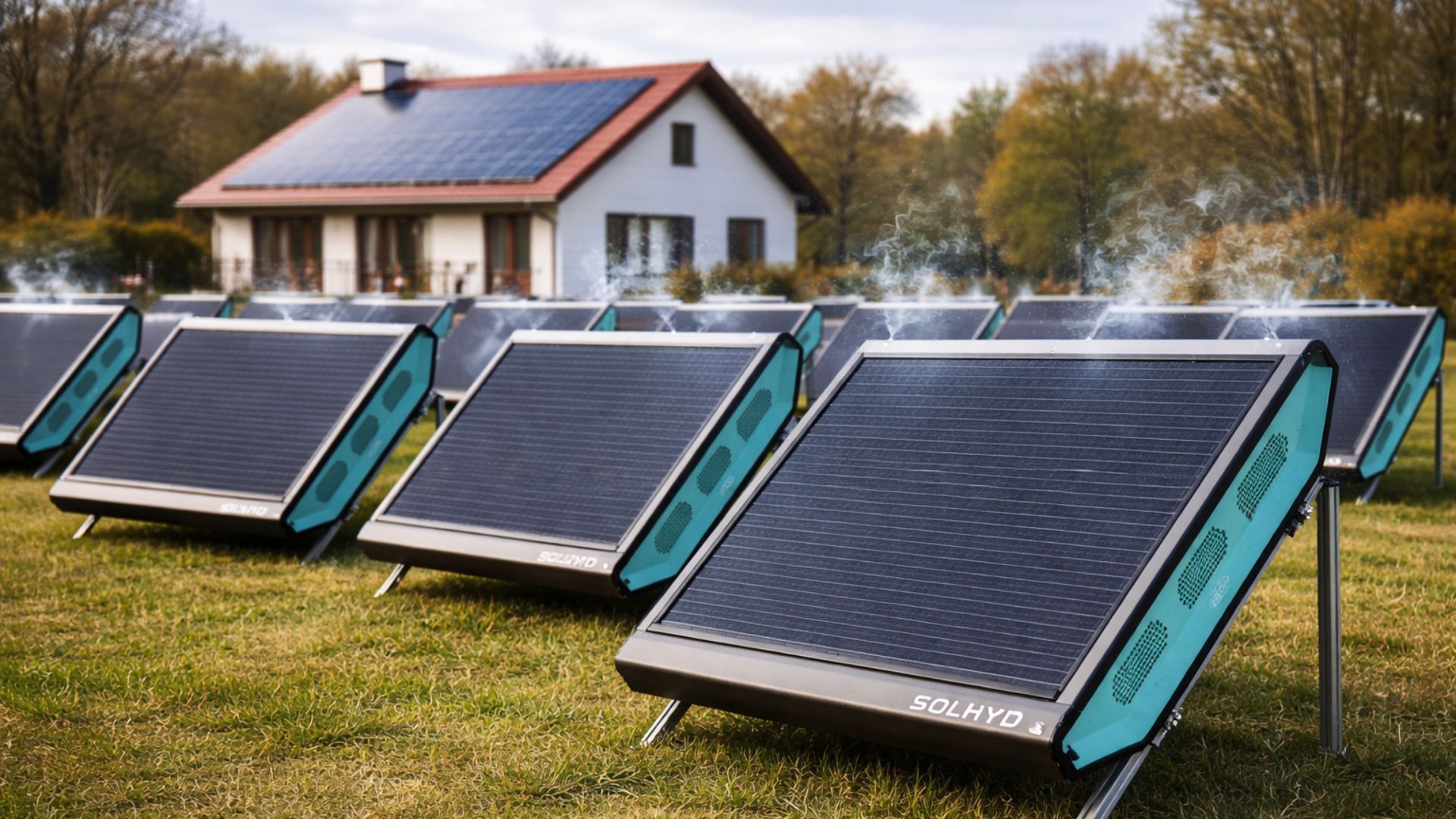
Green hydrogen at home: Belgium launches new technology that makes solar panels produce fuel from the moisture in the air, which could boost the energy transition.
-
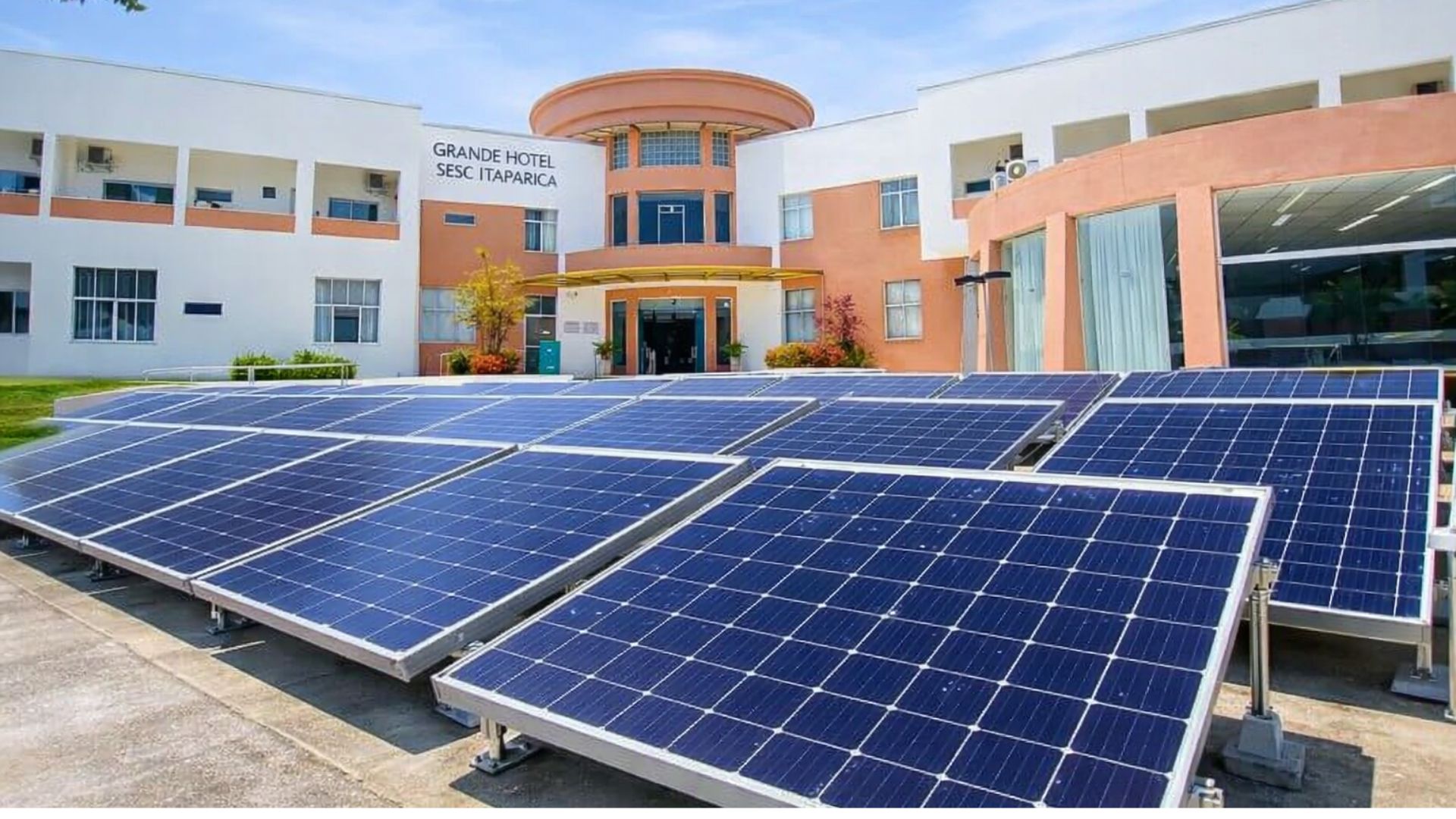
Sesc-BA bets on renewable energy with the support of EDP and drives the energy transition with a direct impact on cost reduction and the sustainability of its operations in Bahia.
-
Technology giant breaks global sustainability records: How Amazon’s leadership in renewable energy procurement transformed the global energy market in the past year.
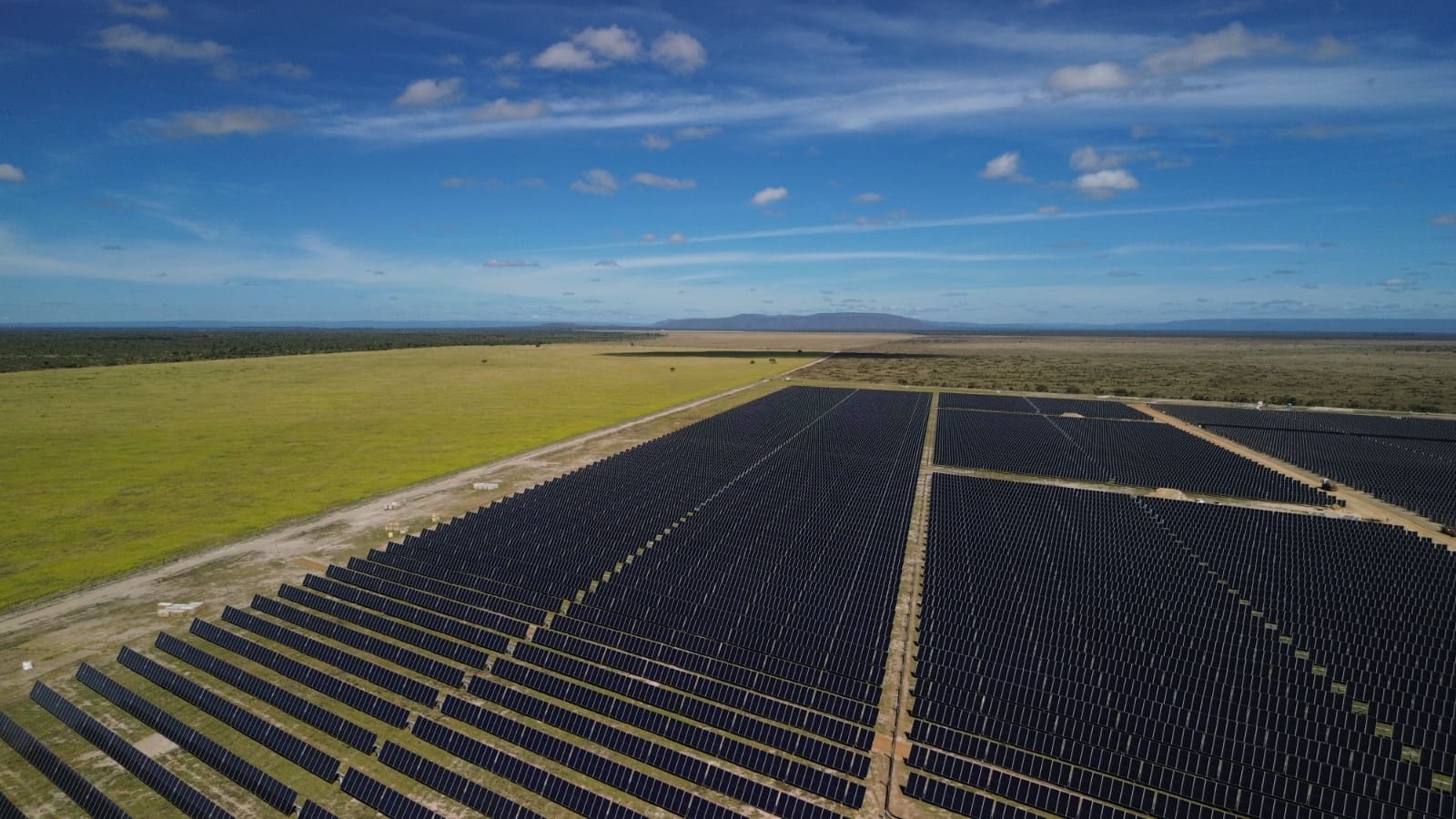
The production capacity is 156 tons per year, using solar energy in a water electrolysis process. The system is certified by TÜV Rheinland, according to the H2.21 standard, certifying that the fuel is produced without carbon emissions.
With this plant, the company inaugurated a new chapter for clean energy in Brazil. In addition to meeting part of its internal demand, the project allowed White Martins to test the national market, understand logistical limitations, and start conversations with potential industrial clients looking to decarbonize their operations.
New Hydrogen Plant Of White Martins In São Paulo
The hydrogen plant of White Martins in Jacareí, in the interior of São Paulo, will be equipped with a 5 MW pressurized alkaline electrolyzer. The plant will have a capacity to produce about 800 tons of green hydrogen per year — more than five times the volume of the unit in Pernambuco.
According to Gilney Bastos, CEO of White Martins in South America, about 20% of the production is already committed to Cebrace, a glass industry company, which will receive H2V through a local gas pipeline. The other 80% will be directed to clients in the chemical, food, and automotive sectors in the states of São Paulo, Rio de Janeiro, and Minas Gerais.
The company’s expectation is that, with scale and proximity to industrial centers, the price of green hydrogen will be competitive, potentially presenting a premium of only 10% to 15% compared to gray hydrogen — which can be offset by environmental gains and pressure from international markets for decarbonized supply chains.
Green Hydrogen In Brazil: High Potential, But Regulation Of The “Fuel Of The Future” Is Still Delayed
Brazil has one of the largest potentials in the world for the production of green hydrogen, thanks to its renewable energy matrix — over 90% of national electricity generation comes from sources such as hydroelectric, wind, and solar power. In addition, the country has abundant water resources, strategic port infrastructure, and a growing demand for clean energy in heavy industry and exports.
Despite these advantages, green hydrogen in Brazil is still an embryonic market. The absence of H2V regulation compromises the economic viability of new projects. Without clear rules, long-term contracts become risky, access to financing is limited, and international investors remain cautious.
The legal framework for green hydrogen is slowly moving through the National Congress, even with pressure from industrial associations, producing states, and multinational companies. It is expected to advance by COP30, scheduled for November 2025 in Belém (PA), where the Brazilian government intends to present more robust commitments regarding the energy transition.
Clean Energy In Brazil: Challenges And Opportunities
The production of green hydrogen represents a unique opportunity to transform Brazil into an exporting power of clean energy in Brazil. With the advancement of electrolysis technologies and the lowering of renewable resource costs, H2V could become the pillar of global decarbonization in the steel, fertilizer, maritime transport, and power generation sectors.
White Martins has already started conversations with the governments of Ceará, Rio de Janeiro, and Rio Grande do Sul for future plants, with the project in the Porto do Pecém potentially being up to 20 times larger than that in Pernambuco. The ambition is to create hydrogen hubs in Brazilian ports, with export capacity to Europe and Asia, regions that are already establishing stringent carbon neutrality targets.
According to the Brazilian Association of Green Hydrogen Industry (ABIHV), Brazil has 60 mapped projects, with projected investments of R$ 188 billion by 2050. The estimate is for an impact of up to R$ 7 trillion on GDP over 25 years, if the sector develops with regulatory support and consistent public policies.
The Role Of H2V Regulation In Unlocking The Sector
Without H2V regulation, the sector will remain dependent on isolated initiatives, such as that of White Martins, which operates with specific contracts and limited production. The regulatory framework needs to define technical parameters, certification criteria, tax incentives, transportation standards, and mechanisms for traceability of avoided carbon.
Furthermore, it is essential to enable public-private partnerships, energy auctions for electrolysis, and financing lines with public banks. Coordination between the ministries of Mines and Energy, Environment, Industry, and Finance will be crucial for Brazil not to miss the global opportunity window.
Companies like White Martins have already done their part by investing, testing solutions, certifying products, and engaging with local governments. It is now up to the public authorities to ensure legal security and predictability to transform green hydrogen into a strategic vector of the Brazilian economy.
The Future Of Green Hydrogen In Brazil Depends On Urgent Decisions
The advancement of White Martins and green hydrogen reveals that Brazil has the expertise, resources, and market to lead the energy transition. With two factories operational by 2025, the company consolidates itself as a reference in the sector and shows that it is possible to make sustainable industrial projects viable on national soil.
However, the future of green hydrogen in Brazil depends on one decisive step: the approval of clear and effective regulation. Without this, the country will continue to squander a natural competitive advantage in a market that will move trillions of dollars in the coming years.
The window is open, but not indefinitely. The time to act is now — to ensure that green hydrogen becomes not just a promise, but a reality of scale, impact, and economic transformation in Brazil.






A Universidade Federal de Itajubá tem uma planta de produção de hidrogênio verde com células PEM de 300 kW. A unidade tem uma HRS para abastecimento de veículos na pressão de 700 bar.