





 Portuguese
  English
  Spanish
  5 min of reading
  0 comments


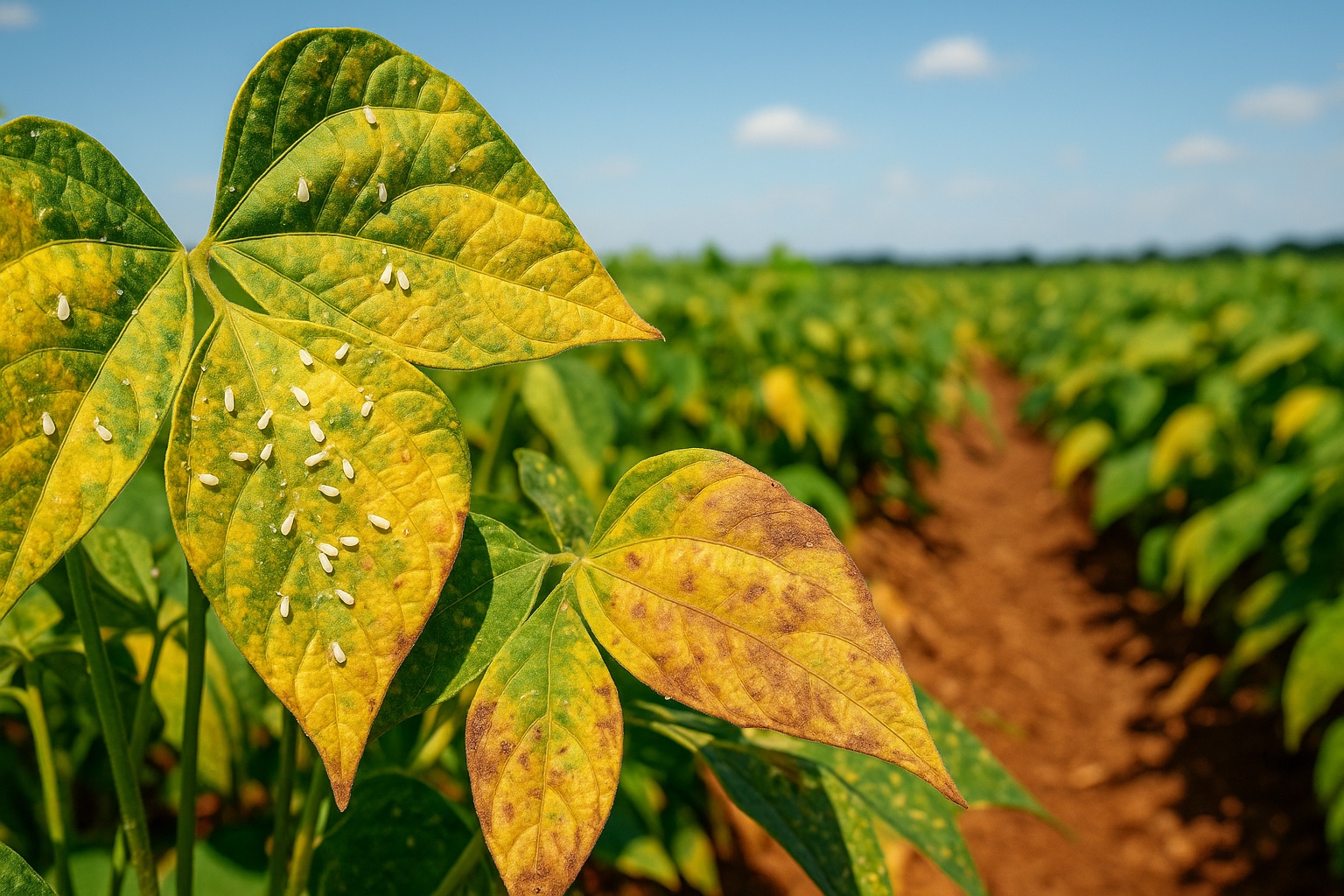
White Fly Hits Bean Crops in the Southeast and Northeast and Already Threatens the 2026 Harvest. Pest May Drive Prices on Shelves and Pressurize the Basic Basket.
Beans, an essential food in the Brazilian diet, are under attack from one of the most devastating pests in tropical agriculture: the white fly (Bemisia tabaci). In 2025, technicians from Embrapa and state agricultural agencies recorded unprecedented infestations in the Southeast and Northeast, regions responsible for a large part of national production. The situation is so serious that experts are already projecting a spike in prices in supermarket aisles for 2026, directly affecting millions of families.
The pest is not new to Brazil, but it has gained strength in recent years due to climatic factors and the intensive use of pesticides that have lost their effectiveness. Now, facing a historic infestation, beans are at risk of becoming the next product to pressure food inflation in the country.
Impact of White Fly on Bean Production
The white fly is a tiny insect but has a devastating effect. It feeds on plant sap and transmits lethal viruses, such as the golden mosaic of the bean plant, which compromises photosynthesis and drastically reduces productivity. According to data from Embrapa Rice and Beans, in critical areas, losses can reach 80% of the crop.
-
The sugar-energy sector advances with agricultural technology, but agricultural productivity still raises concerns.

-
The eggshell that almost everyone throws away is made up of about 95% calcium carbonate and can help enrich the soil when crushed, slowly releasing nutrients and being reused in home gardens and vegetable patches.

-
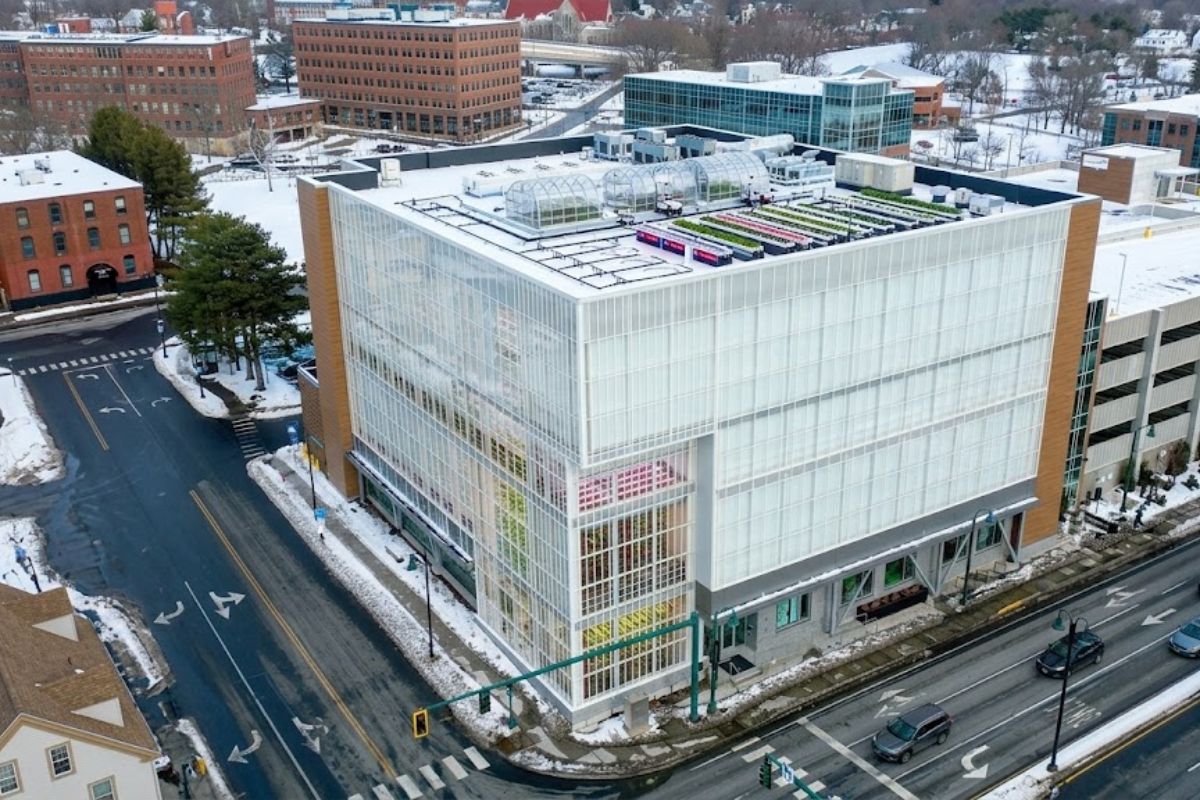
This farm in the United States does not use sunlight, does not use soil, and produces 500 times more food per square meter than traditional agriculture: the secret lies in 42,000 LEDs, hydroponics, and a system that recycles even the heat from the lamps.
-
The water that almost everyone throws away after cooking potatoes carries nutrients released during the preparation and can be reused to help in the development of plants when used correctly at the base of gardens and pots, at no additional cost and without changing the routine.




In states like Minas Gerais and Bahia, farmers are already reporting drastic reductions in the production of carioca and black beans.
In Piauí and Ceará, the situation is even more dramatic: with hot and dry weather favoring the pest’s multiplication, producers have been abandoning entire areas, unable to bear the rising costs of pesticides.
It is estimated that, in 2025, total losses in the bean harvest will exceed R$ 4 billion, a value that could double in 2026 if there is no effective control.
White Fly and the Risk of Price Increases for Beans
Brazil is the largest producer and consumer of beans in the world, with an average consumption exceeding 15 kg per capita/year. This means that any fluctuation in supply has an immediate impact on price. In 2025, the first effects were already felt in wholesale markets, with increases of up to 30% in some capitals.
If infestations continue to rise, experts project that the price of beans could increase by up to 50% in 2026, especially in the off-season when the market depends on the most affected regions. For consumers, this means a direct impact on the basic basket, worsening food insecurity for low-income families.
White Fly and the Difficulty of Controlling the Pest
The major threat from the white fly lies in its ability to adapt. The insect has already developed resistance to various active ingredients in insecticides used by farmers. This creates a vicious cycle: the more pesticides are applied, the more the pest evolves and returns in greater numbers.
Another aggravating factor is its short life cycle: in hot weather conditions, the white fly completes its life cycle from egg to adult in just 20 days, allowing for up to 12 generations a year. This explosive rate complicates management and makes outbreaks increasingly frequent.
Control requires integrated strategies, such as crop rotation, elimination of host plants, use of resistant varieties, and even biological management with natural predators. However, in practice, many farmers, especially small and medium ones, do not have access to these technologies.
The Golden Mosaic of the Bean Plant as a Consequence of the White Fly
One of the main problems of the infestation is the spread of the golden mosaic of the bean plant, a disease transmitted by the white fly that deforms leaves, reduces photosynthesis capacity, and practically makes harvesting impossible. This virus is already considered the most severe bean disease in Brazil.
Research from Embrapa indicates that, in severely affected areas, the golden mosaic can reduce production by up to 100%, leaving farmers without income. This threat reinforces the urgent need for investments in biotechnology and transgenic varieties resistant to the virus, which are still in experimental phase.
White Fly and the Social Impacts in the Field
The attack of the white fly affects not only large-scale agribusiness but also thousands of family farmers who depend on beans as their main source of income.
In regions like the semi-arid northeastern area, the impact can be devastating: entire families are already abandoning planting areas because they cannot bear the increased production costs.
This scenario threatens supply programs and public policies to combat hunger. The risk is that, in 2026, Brazil may need to increase bean imports, an unprecedented event on a large scale, further driving up domestic prices.
Management Strategies to Contain the White Fly
Experts advocate for the immediate adoption of Integrated Pest Management (IPM) to control the white fly. Among the main recommended practices are:
- Crop rotation to break the pest’s cycle.
- Biological control, using fungi, wasps, and predatory ladybugs.
- Elimination of volunteer plants that serve as hosts between crops.
- Rational use of insecticides, alternating molecules to avoid resistance.
The major challenge is to expand these practices to millions of small producers, who still rely on traditional methods and have little access to credit and technology.
The Turning Point for Bean Production in Brazil
The expansion of the white fly could become a turning point for the bean production chain. If emergency measures are taken in 2026, Brazil may contain the losses and preserve food sovereignty around such a symbolic and essential product.
Otherwise, the country risks facing a supply collapse, with profound social and economic consequences.
The battle against the white fly is more than just an agricultural dispute. It is a fight to protect the Brazilian table, national food security, and the stability of a sector that supports millions of families in the countryside and in the city.










Seja o primeiro a reagir!