





 Portuguese
  English
  Spanish
  4 min of reading
  0 comments


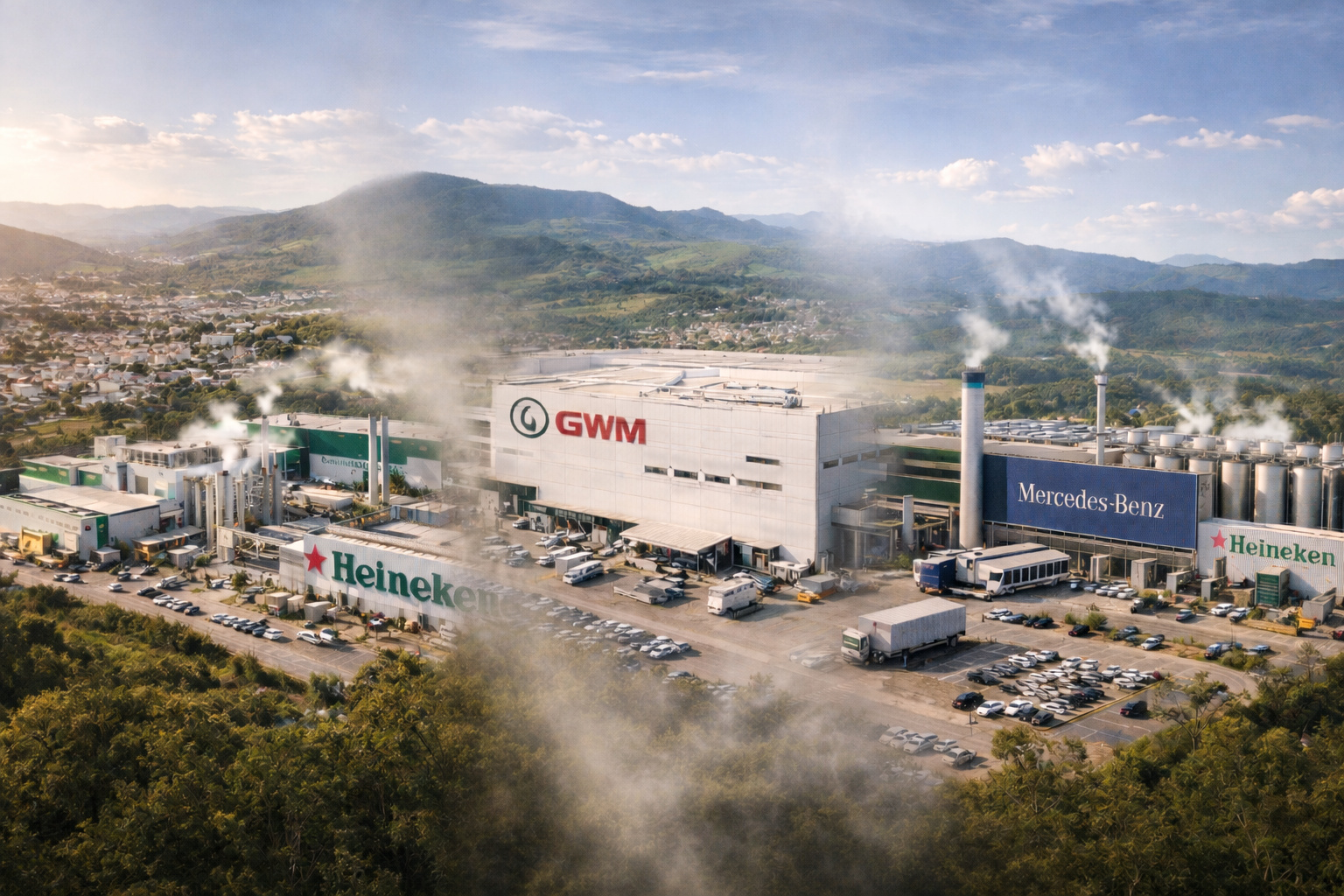
The Migration of Large Companies to Interior Cities Reveals Structural Changes in the Brazilian Industry, Reduces Production Costs, and Alters the Dynamics of Formal Employment in the Country
A silent transformation has been reshaping the industrial map of Brazil in recent years. Increasingly, large companies are leaving capitals and metropolitan areas to set up factories in the interior, altering the distribution of jobs, investments, and economic opportunities.
This movement became evident in November 2025, when Heineken opened a new factory in Passos, in the South of Minas Gerais. The unit received R$ 2.5 billion in investments, generated 2,200 jobs during the construction phase, and maintains 350 direct positions, according to data released by the company itself.

Industrial Employment Migrates from Capitals to Medium-Sized Cities
At the same time, the arrival of the brewery allowed professionals like Letícia Lemos Martins, an engineer graduated from Universidade Federal de Viçosa in 2023, to return to their hometown without giving up a career in a multinational. Thus, the process of moving inland began to unite professional growth and quality of life.
-
Historic bankruptcy of Centauro shocks the market, and the century-old company puts more than 500,000 products, machines, and complete infrastructure up for online auction.

-
New shoe factory in Ceará is expected to create 400 jobs and strengthen the local economy.

-
No one imagined it, but a mixture of sawdust with a mineral that fights fires surprises scientists with a result that changes the course of fire-resistant construction.

-
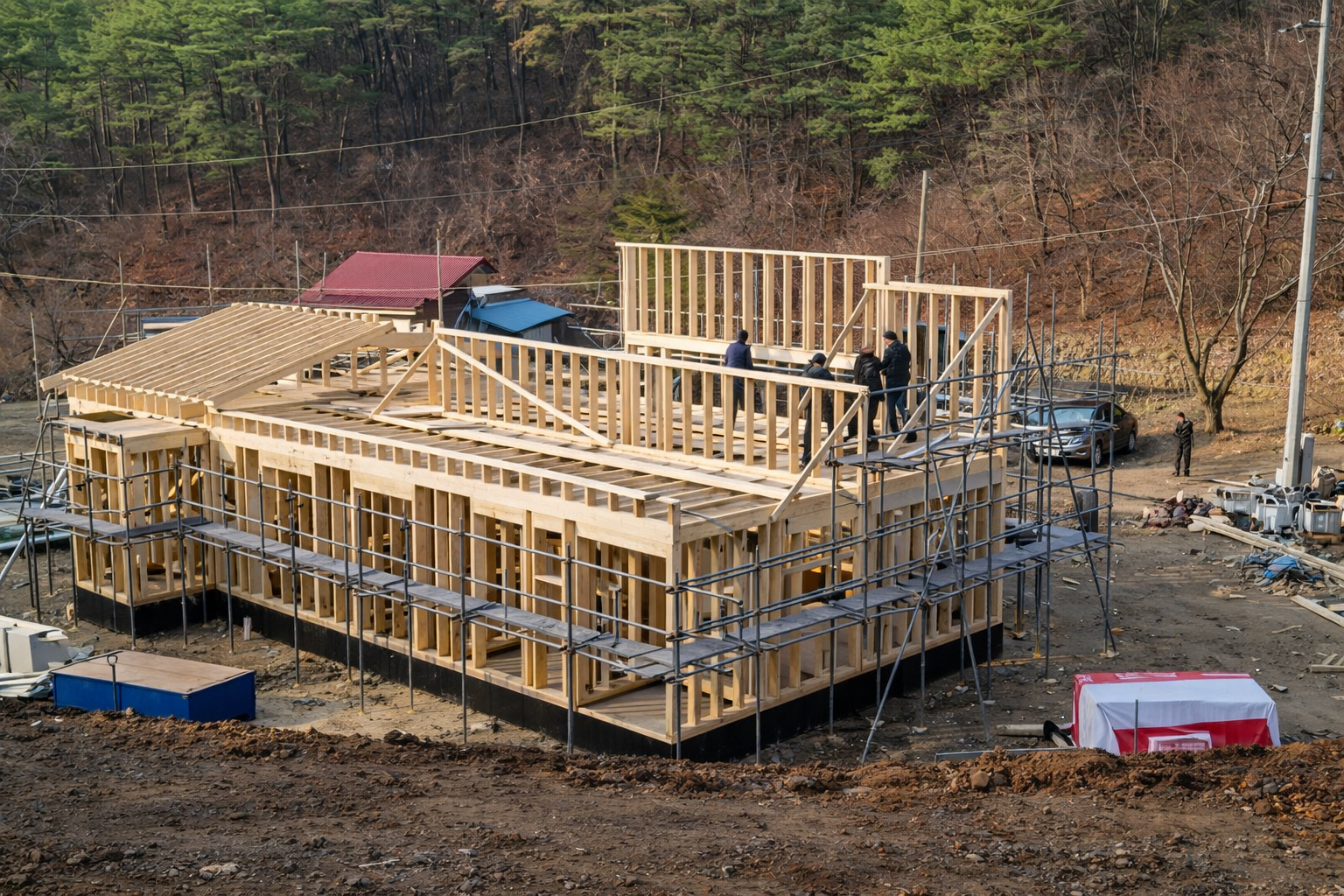
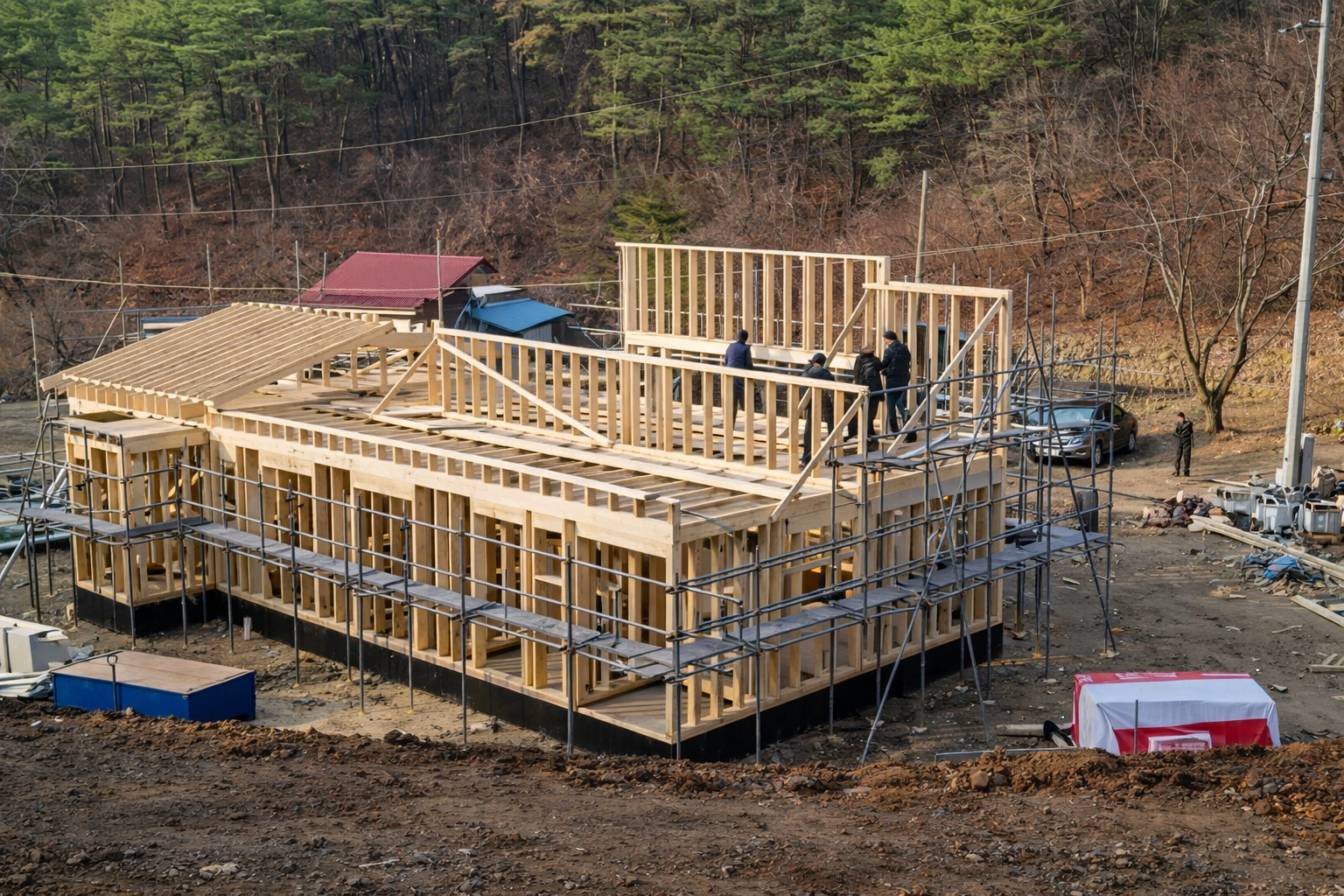
From empty land to a high-end house, wooden construction uses a lightweight system, metal structure for the foundation, ventilated ceramic cladding, and special windows to create an efficient and comfortable living space throughout the year.
Historically, the Brazilian industry has been concentrated in the capitals. In 1985, about two-thirds of industrial jobs were in metropolitan areas. However, in 2022, the scenario reversed. According to the Ministry of Labor and Employment, 54.4% of industrial positions were already in the interior of the country.
USP Study Confirms Advance of the Interior Over Metropolitan Regions
This reversal occurred in 2014 and gained momentum over the next decade. According to a study by the Regional and Urban Economics Center of the University of São Paulo, conducted by economists Paulo Morceiro and Milene Tessarin, states such as São Paulo, Rio de Janeiro, Minas Gerais, Rio Grande do Sul, Ceará, and Bahia led this shift between 1985 and 2022.
The survey, based on the Annual Social Information Report, also shows that 70% of national deindustrialization was concentrated in the metropolitan areas of São Paulo, Rio de Janeiro, and Porto Alegre. Meanwhile, the Midwest expanded its industrial participation, driven by agribusiness.
Deindustrialization Advances, But Less Affects the Interior
Despite the interiorization, the manufacturing industry has lost ground in the job market. The participation fell from 27.7% in 1986 to 15.1% in 2022, according to researchers from the University of São Paulo.
Initially, between 1986 and 1998, hyperinflation, a reduction in public investments, and trade opening eliminated 1.67 million industrial jobs. Subsequently, from 2008, global crises, low economic growth, and international competition kept pressure on the sector.
Urban Costs Push Factories Out of the Capitals
Still, the interior suffered a milder deindustrialization, especially in the State of São Paulo. According to Morceiro, rising urban costs explain part of this movement. Expensive land, high wages, traffic congestion, and more organized unions have reduced the attractiveness of the capitals.
Consequently, companies began to seek regions with less competition and available infrastructure, reducing operational expenses and increasing competitiveness margins.
Automotive Sector Leads Industrial Migration
This shift is clearly observed in the automotive sector. In August 2025, the Chinese automaker GWM opened a factory in Iracemápolis, in the interior of São Paulo, after acquiring an old plant from Mercedes-Benz.

The project foresees R$ 10 billion in investments by 2032 and a capacity of 50,000 vehicles per year, increasing the availability of industrial jobs outside the capitals.
Fiscal Incentives Accelerate the Interiorization of Factories
Besides costs, the so-called fiscal war boosted the movement. In Passos, the city hall granted tax exemptions for up to 15 years to Heineken, under legislation passed in 2022. Similarly, GWM received an exemption from IPTU and joined the federal Green Mobility and Innovation program.
Interiorization Helps, but Does Not Solve Deindustrialization
However, Morceiro warns that interiorization is not enough to reverse national deindustrialization. Midwestern states reduced only 4.4% of the losses accumulated between 1986 and 2022.
For Rafael Cagnin, executive director of the Institute for Studies on Industrial Development, high interest rates, logistical bottlenecks, and premature automation continue to limit the sector’s revival.
In light of this scenario, strengthening the industry requires cheaper credit, integrated infrastructure, and more complex production chains. But will the interiorization of factories be enough to reposition the Brazilian industry, or will the country need an even deeper and more coordinated industrial policy?








-

-

-

-

9 pessoas reagiram a isso.