





 Portuguese
  English
  Spanish
  5 min of reading
  0 comments


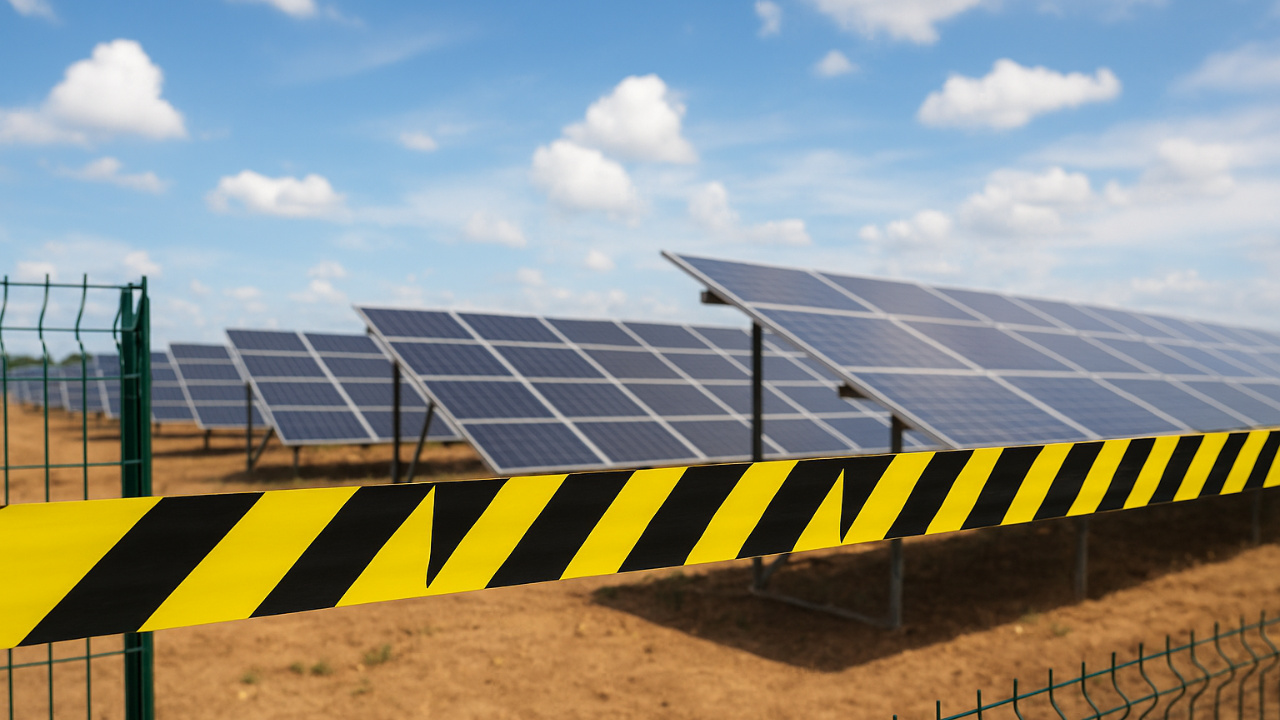
Despite Technological Advances And Cost Reduction, Renewable Energies Still Advance Slowly Worldwide. Regulatory, Political, And Financial Obstacles Continue To Hinder The Global Energy Transition.
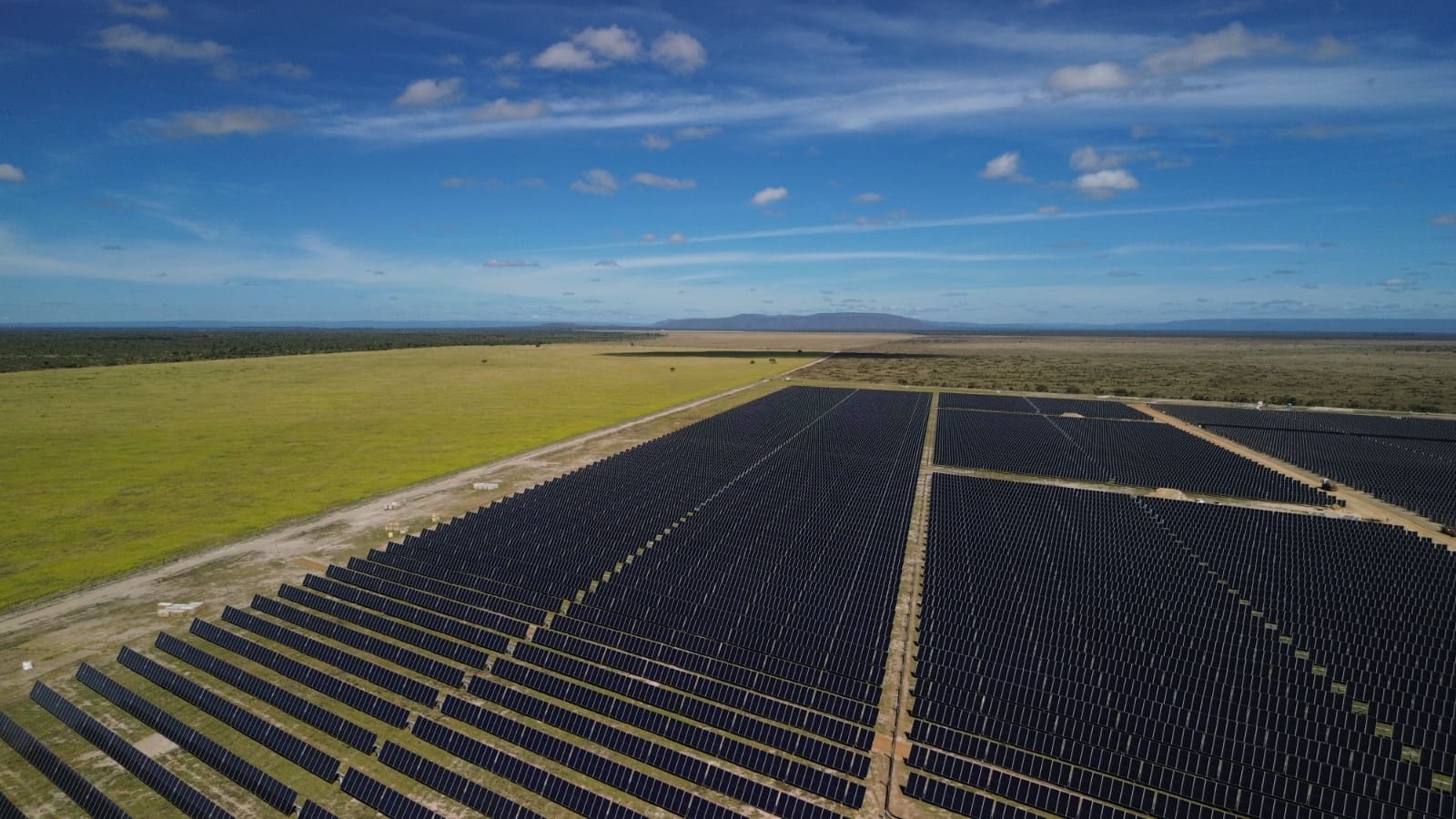
Although the public debate does not always highlight it, the global landscape of renewable energies has significantly improved over the past decade. The cost of solar and wind energy generation has consistently decreased.
Still, the replacement of fossil fuels with clean sources happens at a slower pace than necessary to contain the impacts of climate change.
Paradoxically, it has never been cheaper to produce clean electricity. However, it has never been so complex to unlock all the factors that prevent this transformation from occurring in an accelerated and balanced manner between developed and emerging countries.
-
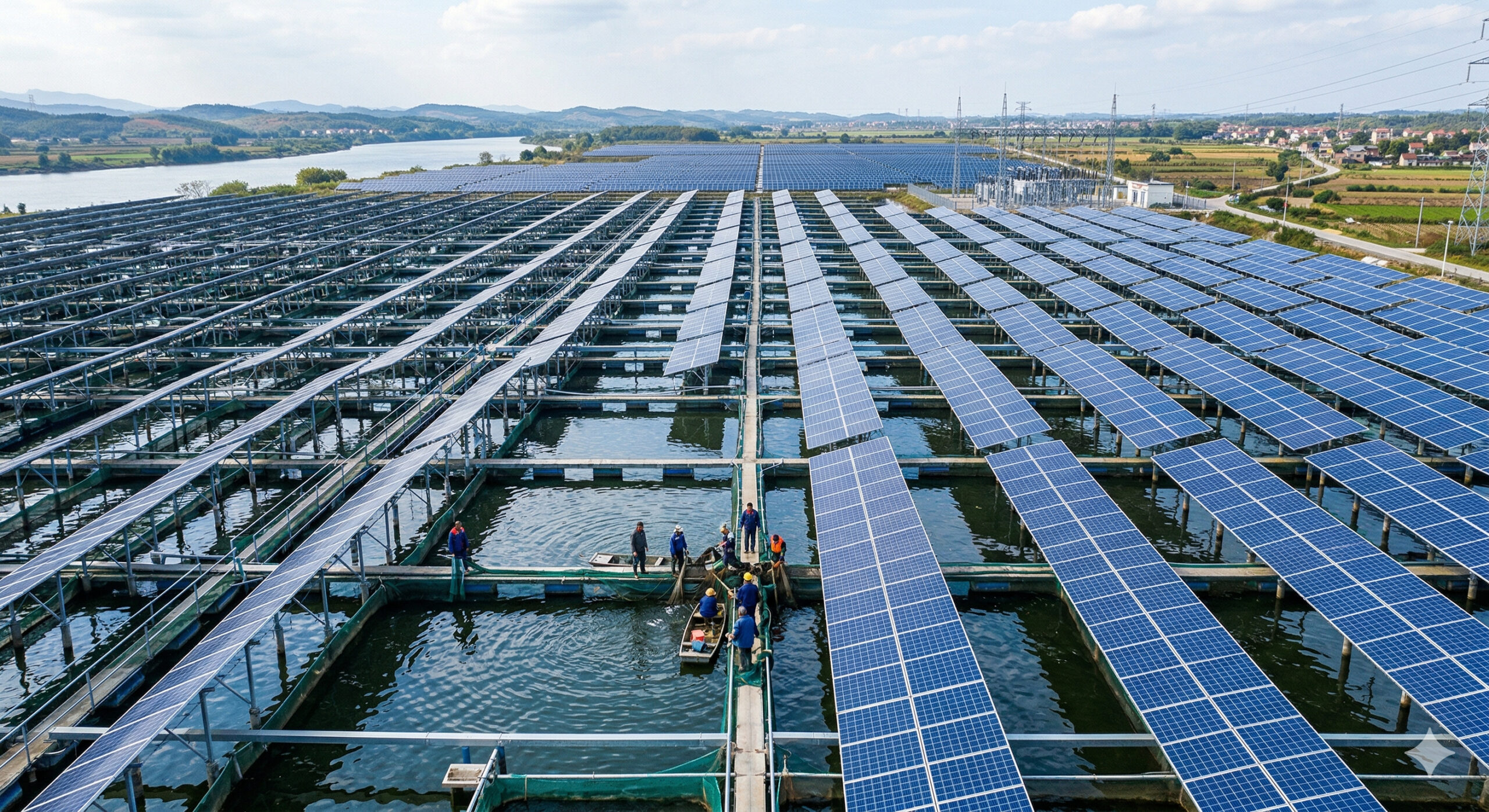
China bets on the Fishery-PV model and transforms fish farms into giant solar plants, covering ponds with panels that generate energy while utilizing the same space for large-scale aquaculture production.
-
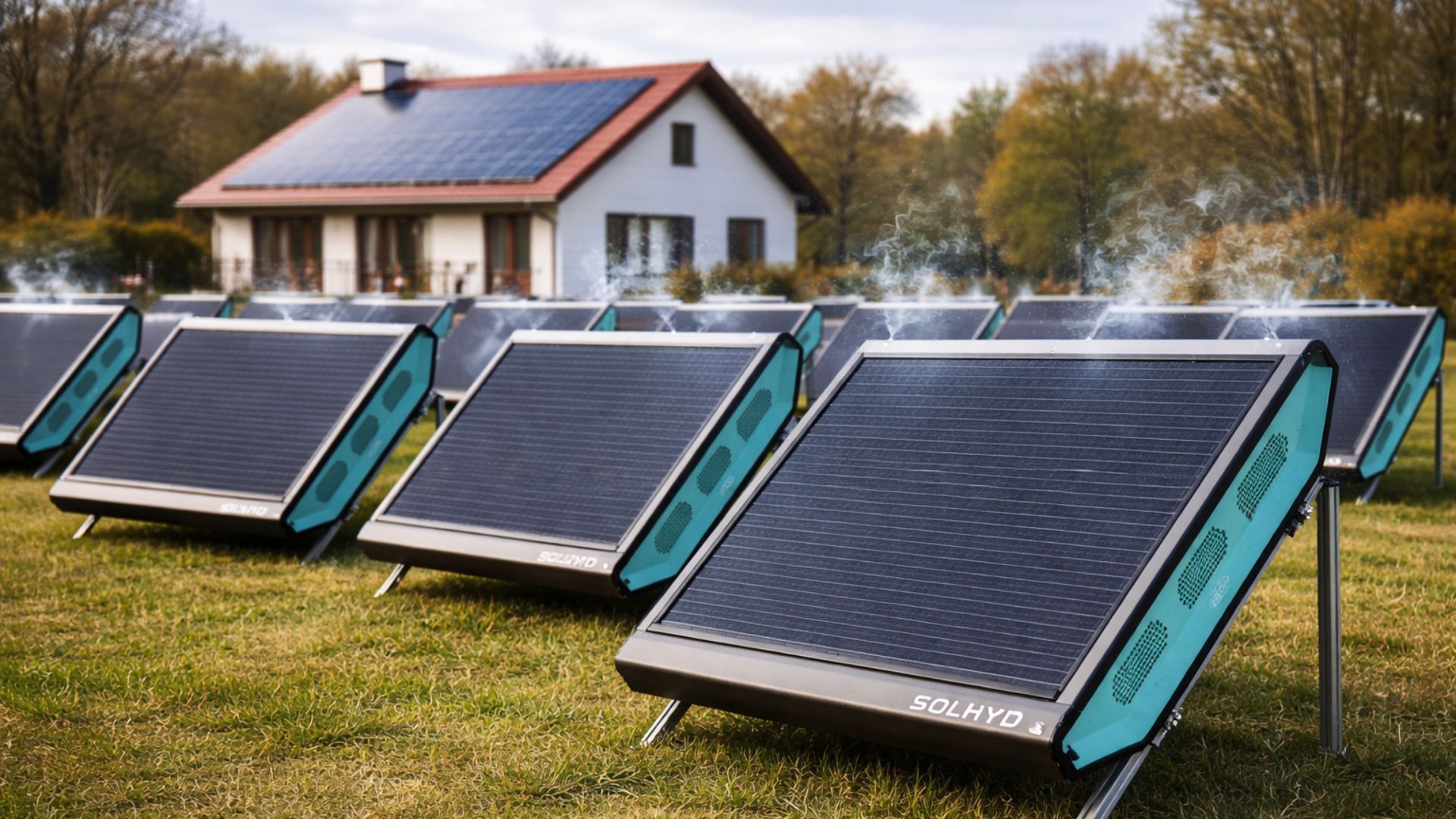
Green hydrogen at home: Belgium launches new technology that makes solar panels produce fuel from the moisture in the air, which could boost the energy transition.
-
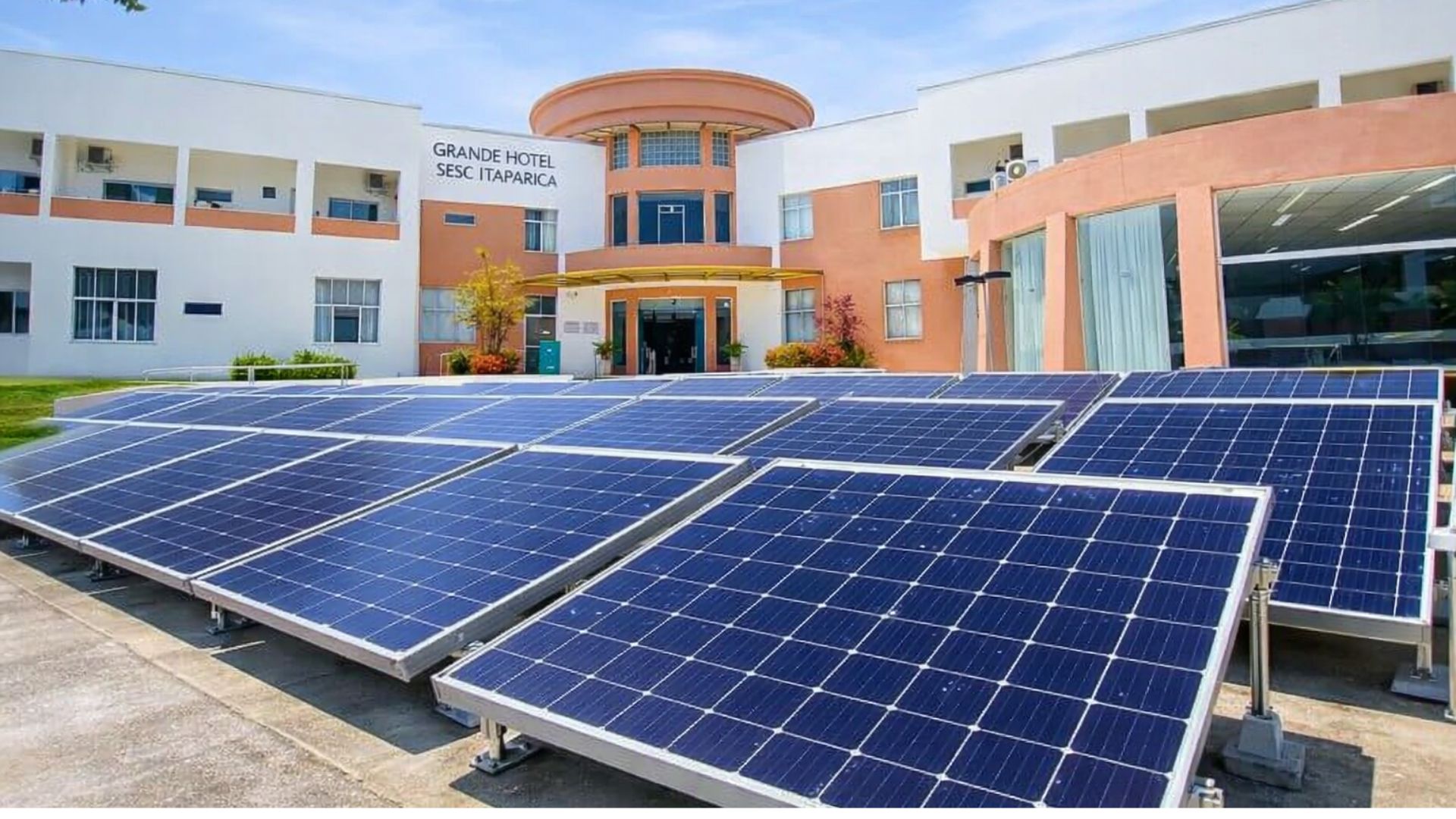
Sesc-BA bets on renewable energy with the support of EDP and drives the energy transition with a direct impact on cost reduction and the sustainability of its operations in Bahia.
-
Technology giant breaks global sustainability records: How Amazon’s leadership in renewable energy procurement transformed the global energy market in the past year.


Historic Change In The Cost Of Energy Generation
Until a few years ago, expanding electricity supply almost always meant betting on coal or natural gas. This logic has changed. With technological advancement and increased production scale, solar and wind energy have become not only environmentally more advantageous but also economically superior to fossil fuels.
Just in 2024, global renewable energy generation avoided an estimated expenditure of US$ 467 billion on fossil fuels. This number illustrates how renewable energies have shifted from being a niche alternative to becoming protagonists in the global electricity matrix.
Accelerated Expansion Of Global Clean Energy Capacity
The latest data confirms this progress. Over 90% of the new installed electricity generation capacity globally in 2024 came from clean sources. During the same period, the total capacity of renewable energy reached 46% of the global power grid.
The addition of 585 gigawatts in a single year set a new historical record. Solar and wind energy led this growth, driven by more efficient panels, larger turbines, and more mature supply chains.
Direct Benefits To Global Public Health
In addition to the economic factor, renewable energies offer clear advantages to health. The burning of coal, oil, and gas releases fine particles and toxic gases associated with respiratory, cardiovascular diseases, and cancer.
Recent studies indicate that pollution generated by fossil fuels is linked to about five million annual deaths worldwide, based on 2019 data. Therefore, reducing this burning also means alleviating healthcare systems and improving quality of life in cities.
By electrifying homes, transportation, and equipment with clean energy, countries can simultaneously reduce greenhouse gas emissions and local pollutants.
Regulatory Inertia As A Central Obstacle
Even in the face of these benefits, the energy transition is progressing slowly. One of the main obstacles is regulatory inertia. In many countries, especially developed ones, large energy generation or transmission projects face long licensing timelines.
In the United States, for example, large-scale projects take an average of 4.5 years just to obtain permits. Meanwhile, the implementation of new transmission lines can exceed a decade.
Since most new projects involve solar and wind energy, these delays directly impact the expansion of renewable energies.
Political Disputes And Institutional Resistances
In addition to bureaucracy, political conflicts also hinder progress. Changes in government, ideological differences, and pressure from fossil fuel sectors create an environment of regulatory instability.
Incentive policies can be interrupted, targets may be revised, and investors end up adopting a cautious stance. Even when there is technical consensus on the benefits of clean sources, the lack of political alignment delays strategic decisions.
Developing Countries Face Even Greater Challenges
The scenario is even more complex in developing economies. The International Energy Agency projects that these countries will account for about 85% of the growth in global energy demand between 2025 and 2027.
Despite this, the expansion of renewable energies in these regions occurs unevenly. The main reason is the high cost of financing. In many cases, installing solar or wind farms is more expensive, in the short term, than investing in coal or gas power plants.
Historical Advantage Of Fossil Fuels In Financing
Projects based on fossil fuels benefit from decades of established financial structures. Long-term contracts, government guarantees, and predictable revenue models reduce the risk for banks and investors.
On the other hand, clean energy projects, especially in emerging countries, still face distrust. Governments and creditors have less experience with these models, resulting in higher requirements for guarantees and elevated interest rates.
This difference increases the initial investment cost, even when the total cost over the lifespan of the plant is lower.
The Impact Of Interest Rates On Renewable Projects
As a direct consequence of the greater perceived risk, the interest rates charged to finance renewable energies in developing countries are significantly higher. This creates a paradox: the technology is cheaper, but the capital needed to implement it costs more.
This logic stifles investments and perpetuates dependence on polluting sources, compromising global climate targets and increasing future emissions.
To reverse this scenario, governments and development banks have a strategic role. Stable, predictable, long-term policies reduce the perception of risk. Additionally, the use of public resources to cover some uncertainties can unlock private credit.
Guarantees, risk mitigation funds, and climate insurance are instruments capable of reducing interest rates and expanding access to financing. When investors trust that they will be paid, capital flows more easily into clean energy projects.
International Cooperation As A Decisive Factor
Without international cooperation, the risk of energy exclusion grows. Developing countries may remain tied to fossil-fuel-based matrices for decades, increasing inequalities and exacerbating the climate crisis.
On the other hand, increasing accessible financing would allow for a fairer transition. Shifting the global energy matrix to renewable sources could cut about half of the current greenhouse gas emissions.
Although much of the emissions can be avoided with electrification and renewable energies, sectors such as steel, cement, chemical industry, aviation, and shipping still present complex challenges.
Solutions are being developed, but they require time, continuous innovation, and efficient governance. In this context, consistent public policies and accessible financing remain indispensable pillars for the energy transition to advance beyond discourse and solidify as a global reality.







Seja o primeiro a reagir!