





 Portuguese
  English
  Spanish
  5 min of reading
  0 comments


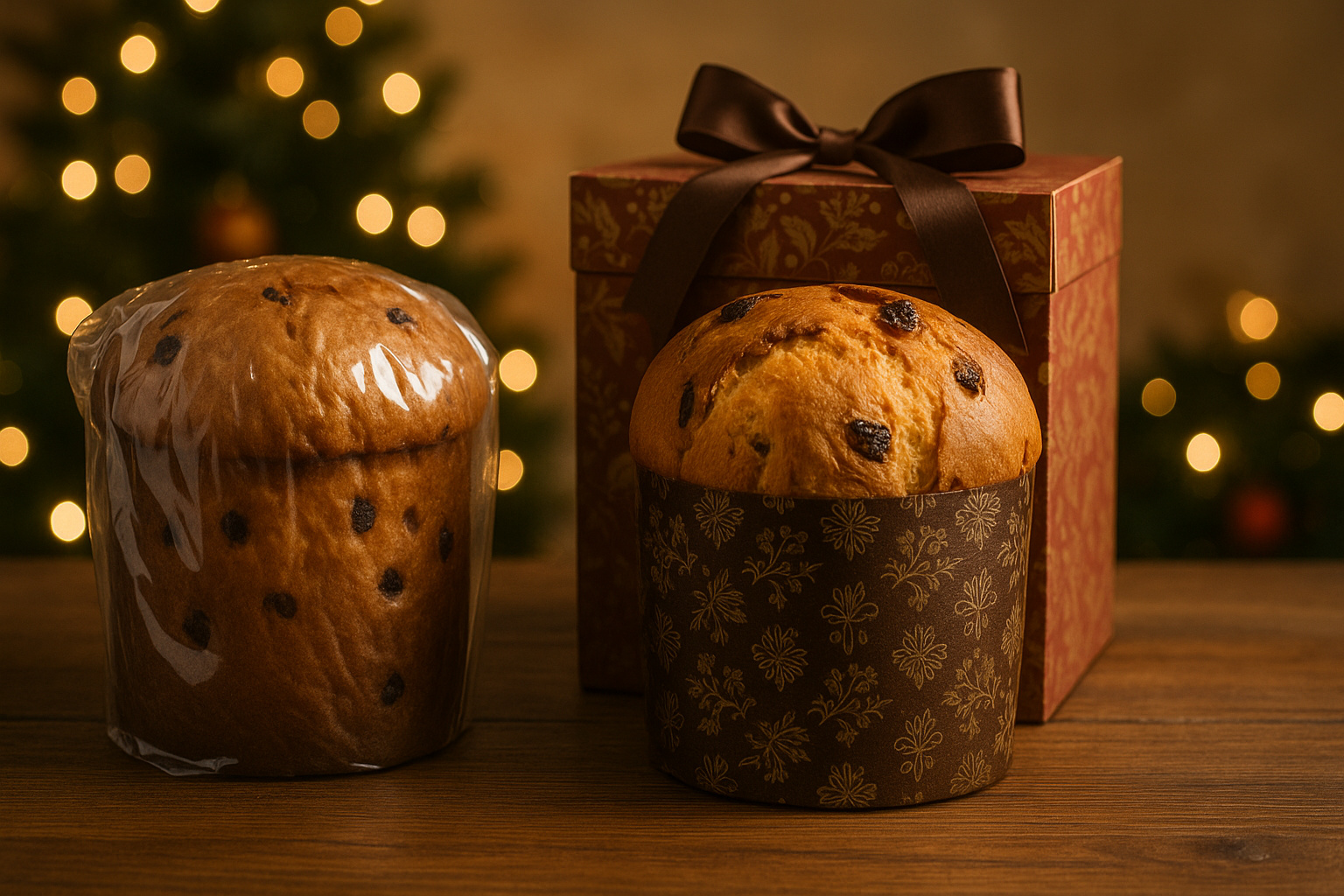
From The Panettone Flavor Cake To The Luxury Item That Became An In-Demand Gift In Brazil And Abroad, Understand What Really Differentiates The Products, Why Prices Skyrocketed And If The Value Is Justified
Every year-end the scene repeats itself. Upon entering any Brazilian supermarket, consumers are faced with shelves filled with panettone of all types, sizes, and flavors. There are options for R$20, R$30, and in some cases, versions that exceed R$80. In addition to the traditional fruit-studded panettones and chocotones, variations with guava paste, dulce de leche, and even pistachio have emerged, a flavor that has solidified as a trend in Brazil in 2024.
Despite the diversity, these products share a common element: the use of synthetic flavoring identical to natural. In practice, it is an industrial cake with “panettone flavor,” developed to reproduce aromas and tastes similar to the traditional recipe. Still, it only takes crossing the door of an artisanal bakery to find panettones sold for R$300 — and in extreme cases, products that exceed R$4,000.
This price difference raises an inevitable question. How did a relatively simple Christmas treat become a luxury item, a sophisticated gift, and even a valued export product? In 2024, Brazil exported over R$121 million in panettones, some sold abroad for up to $21 per kilogram. In light of this scenario, understanding what underlies these values has become essential for consumers.
-
The Argentine government celebrates the lowest poverty rate in 7 years, but experts warn that the methodology has changed, real wages have fallen, unemployment has risen, and the number of people on the streets of Buenos Aires has increased by 57% since Milei took office.

-
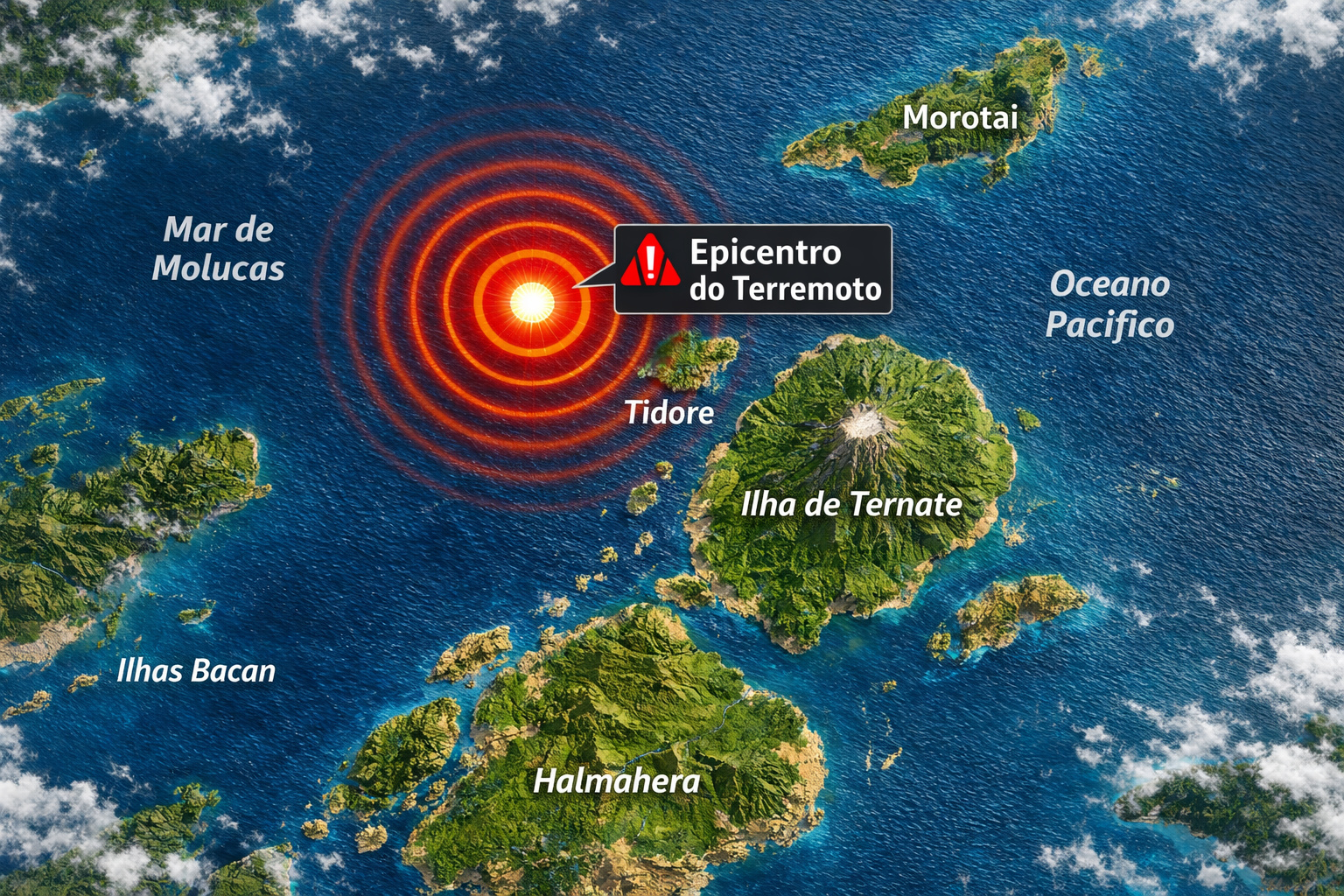
7.8 magnitude earthquake in Indonesia frightens the population, triggers tsunami alert, and hits an island with over 200,000 inhabitants this Thursday.
-
Google will finally let you change that embarrassing Gmail address you created in your teenage years without losing any accounts, logins, or old emails: the feature is already available in the United States.

-
Heading to Brazil in a Bonanza F33 single-engine aircraft: a couple departs from Florida on a visual flight, makes technical stops in the Caribbean to refuel and organize paperwork, and begins the staged crossing until they reach the country.


What Really Drives Up The Price Of Artisanal Panettone
At first glance, the panettone appears to be just an enriched sweet bread. However, behind the artisanal version lies a long, technical, and highly specialized production chain. According to chef Carolina Garofani, a confectionery specialist, producing a panettone faithful to the original recipe can take almost 48 hours from start to finish.
The process begins with the choice of flour. Unlike regular flour used in the industry, artisanal panettone requires a more protein-rich and strong flour, which costs around R$10 per kilogram, immediately raising production costs. Additionally, the butter used must be pure and of high quality, applied in large quantities, which increases the recipe cost and requires technical mastery to avoid compromising the dough structure.
Another central point is the yeast. Artisanal panettone uses natural fermentation, done with sourdough — also called “mother dough” in traditional Italian recipes. It is a living culture of yeasts and bacteria present in the environment, requiring strict control over acidity, humidity, and temperature. It is a slow, unstable process that demands years of practice to master.
After the first fermentation, which can last over 12 hours, the dough goes back to the mixer to receive new ingredients, is shaped, ferments again, and only then goes into the oven. After baking, the panettone must be hung upside down to avoid collapsing under its own weight. As Garofani summarizes, all these factors make true panettone an expensive product because it involves noble ingredients, time, technique, equipment, and specialized knowledge.
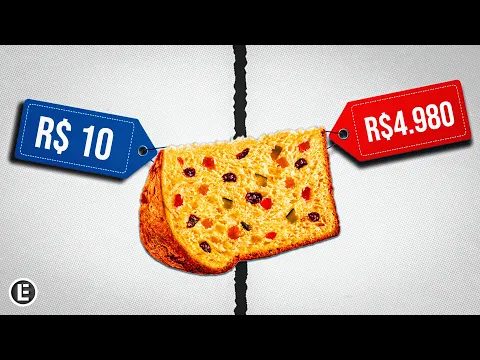

The Difference Between Industrial And Artisanal Panettone
In addition to the production process, the ingredients used help explain the price disparity. Industrial panettone is made with hydrogenated vegetable fat, regular flour, emulsifiers, and preservatives. The fermentation is accelerated, and additives are used to simulate the flavor and aroma of traditional panettone.
This so-called “panettone essence” is a trick of the food industry. It mimics the smell of natural fermentation, orange paste, and natural vanilla present in the original recipe. The flavoring consists of a mixture of ethyl alcohol and essential oils, allowing the product to be manufactured quickly and have a long shelf life.
On the other hand, artisanal panettone uses special flour, real butter, egg yolks, natural ingredients — often imported — and fermentation with sourdough, which can take up to 48 hours to reach the ideal point. The difference is also reflected in the texture. While the industrial version is drier and more resilient over time, the artisanal version features moist dough, with visible strands and a more delicate structure.
This characteristic, however, reduces its durability. Without preservatives, artisanal panettone can mold and typically lasts only a few weeks even when sealed. According to Italian chef Enzo Ambrosetti, once opened, artisanal panettone lasts about six to seven days when stored in a plastic bag, while industrial panettone tends to dry out after two or three days.
Luxury, Exports, And The New Role Of Panettone
It’s not just the ingredients that drive up the price of the more expensive panettones. Packaging has also come to integrate the concept of luxury. Premium brands invest in decorative tins, wooden boxes, embroidered fabrics, and even musical boxes with lights. In 2024, confectioner Mariana Junqueira launched a R$1,080 panettone packaged in a musical illuminated box, while Dolce & Gabbana opted for a tin featuring Italian art and Sicilian almonds for its R$612 panettone.
In this context, panettone has stopped being just a Christmas dessert and has begun to occupy the space of a sophisticated gift, comparable to a bottle of fine wine or a box of imported chocolates. As explained by Rodrigo Iglesias, international director of the Brazilian Association of Biscuit, Bread, and Pasta Industries (Abimapi), seasonality and added value make panettone one of the most profitable products in the sector.
According to data from Abimapi, a traditional fruit panettone can be worth around $4 per kilogram in the international market. Gourmet panettones, filled with Belgian chocolate and imported ingredients, exceed $21 per kilogram. In 2024, Brazil exported 5,200 tons of panettones, 3,200 tons of which went solely to the United States, totaling over R$121 million in exports.
Interestingly, in the United States, a Bauducco panettone is sold for around $4, while in Brazil the same product costs at least R$24. Converting at an exchange rate of R$5.44, the price in the US is approximately R$21, highlighting how the depreciation of the Brazilian currency impacts domestic consumption. Thus, panettone has become a symbol not only of Christmas but also of how added value, marketing, and the economy shape the final price.








-

-

2 pessoas reagiram a isso.