





 Portuguese
  English
  Spanish
  4 min of reading
  0 comments


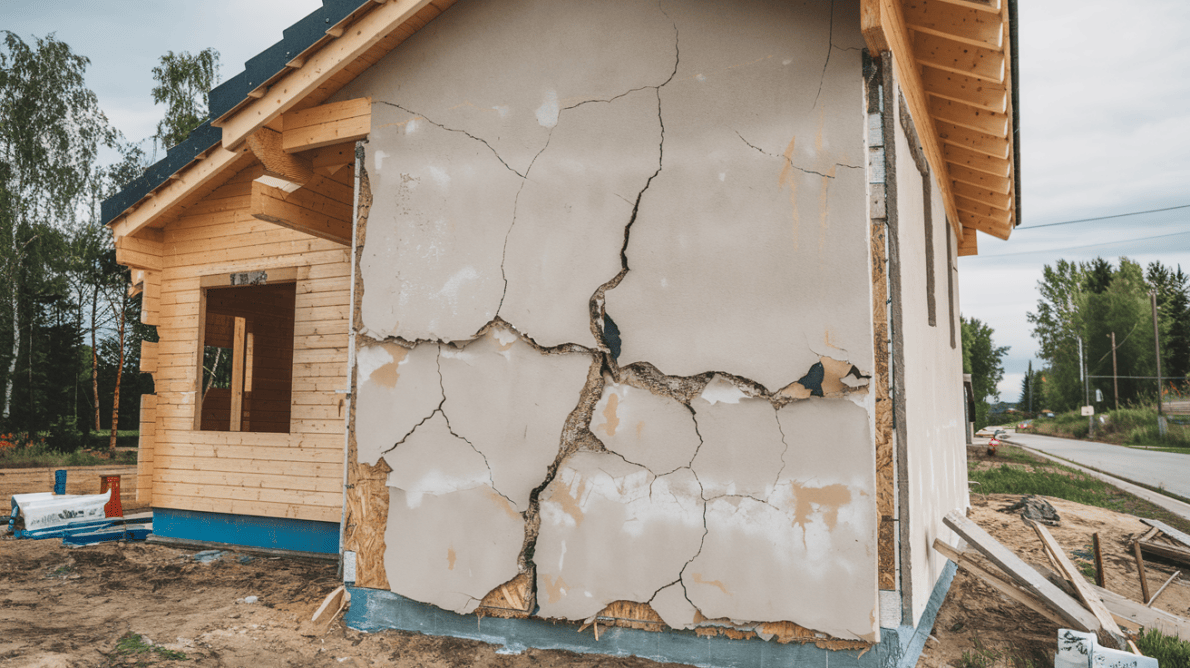
Cracks In New Or Old Houses May Seem Somewhat Common, But In Some Cases They Are A Genuine Warning Sign. Understand When A Cracked Wall Represents A Risk And What To Do.
If you have noticed cracks in your house, it is normal for some concern to arise. Although many cracks and fissures are merely superficial and affect appearance more than structure, others may indicate serious structural problems, such as failures in beams, slabs, or foundations. Knowing how to identify the type and severity of the crack is essential to avoid risks to the safety of the property and its residents.
When To Worry About Cracks And Fissures?
Not every crack signifies a serious problem, especially when it occurs vertically or horizontally and does not expand over time. However, if the fissure appears diagonally, especially in areas near doors and windows, it may indicate movement in the structure of the house — which requires immediate attention.


Another warning sign is when cracks appear in pillars, beams, or slabs. In these cases, the structural risk is real, and there may be a need for evacuation of the location and the involvement of Civil Defense or an engineer.
-
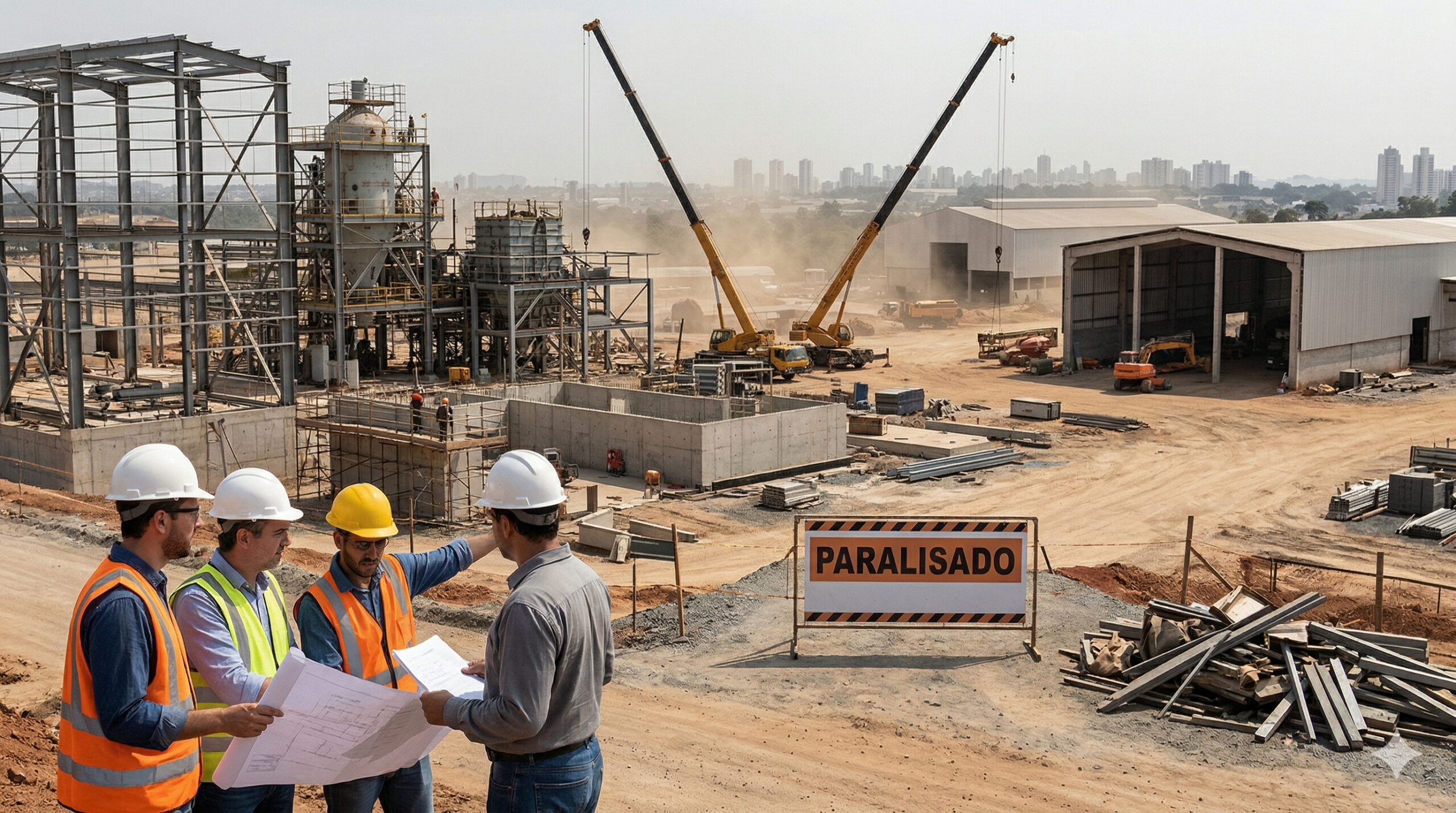
The lack of welders, electricians, and operators becomes a structural threat in 2025, with the construction industry and manufacturing already suffering from delays, cost pressures, and labor shortages in Brazil.
-
Brazil and Paraguay are just 46 meters away from a historic union on the bioceanic bridge that promises to revolutionize trade between the Atlantic and the Pacific.

-
With 55 km over the sea, a cost of US$ 20 billion, and enough steel to build 60 Eiffel Towers, China’s largest project has connected Hong Kong, Zhuhai, and Macau in a colossal bridge that defies the logic of engineering.

-
A trick with joint compound transforms a Styrofoam ceiling into a plaster-like ceiling: leveled panels, wires and mesh at the joints, sand, paint, and change the environment while spending little today.
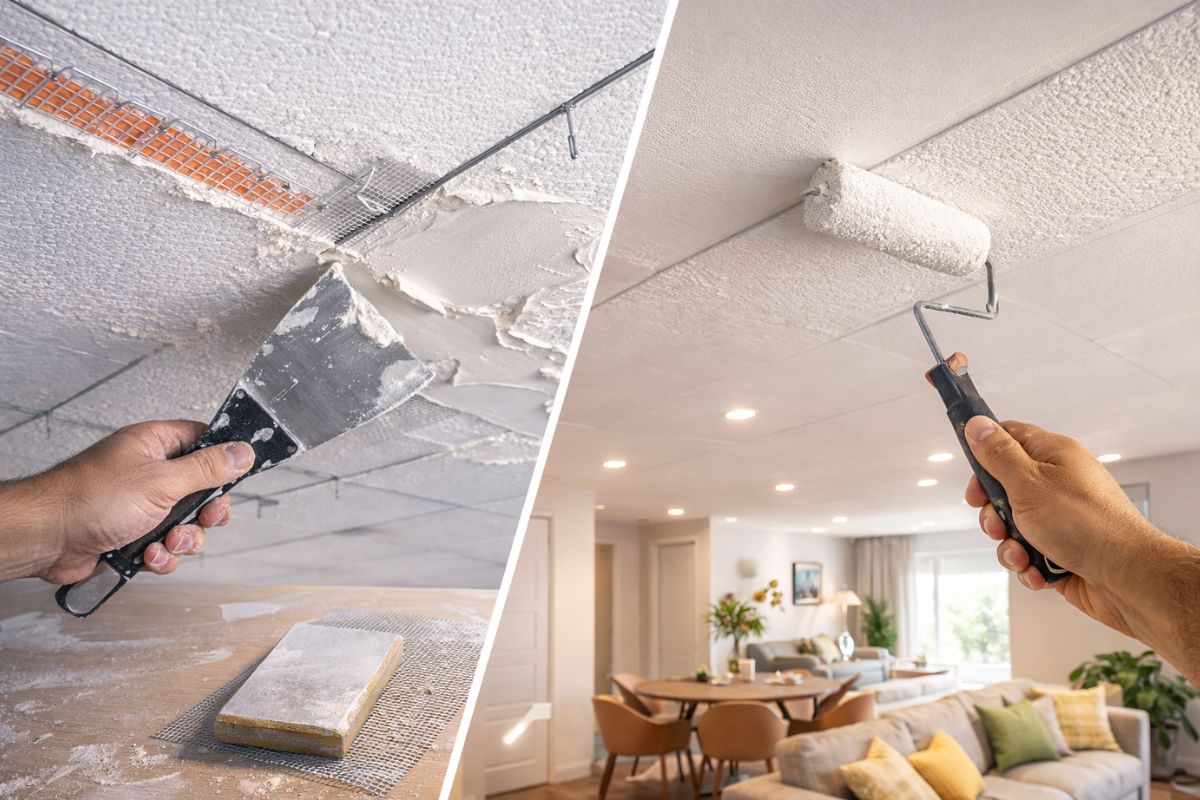

A practical way to check if the problem is evolving is to make a small repair and observe the area for a few days. For internal cracks, apply a mixture of plaster and water. For external areas, use a mixture made with cement, lime, and water in equal parts. If the crack opens again after a few days, the sign is clear: there may be a structural problem involved.
Difference Between Cracks, Fissures, and Fissures And Why Walls Crack In New Houses
Although often treated as synonyms, cracks, fissures, and fissures have distinct levels of severity:
- Cracks: are deeper and wider, more than 3 mm thick. They tend to open visible gaps in the wall and may reach the masonry, allowing light and water to enter. Generally, they indicate serious structural failures, especially in the foundation, and require urgent intervention.
- Fissures: range between 1 mm and 3 mm, possibly affecting the structure or just the walls. When they affect pillars and beams, they are also considered serious. However, if they are only in the plaster, it is important to monitor their progression.
- Fissures: are the most superficial, up to 1 mm thick. They only affect the finishing, such as paint or plaster, without compromising the masonry. Normally, they are merely an aesthetic nuisance.
Why Do Walls Crack In New Houses?
It may seem strange, but cracks in new houses are more common than one might think. Often, they arise due to excess weight on the slab, without proper structural calculation.
This occurs, for example, when building a second floor on a structure that has not been prepared to support this new weight, or when installing a larger water tank directly on the slab.
Other factors that can cause walls to crack include:
- Soil movement, including changes in the water table;
- Expansion and contraction of construction materials, caused by thermal variations;
- Infestation of insects (such as termites) that corrode internal wooden structures;
- Execution errors in the construction, such as using low-quality materials or lack of adequate curing time for concrete.
Even in newly constructed properties, it is important to remember that the materials are still “settling.” Small fissures may appear in the first few months and should not cause alarm — as long as they do not increase over time or affect structural parts of the building.
How To Act When Noticing Walls Cracking?
If you notice fissures or cracks in your house, the best course of action is:
- Check the location, size, and direction of the fissure;
- Make a simple repair and observe for a few days if there is any reopening;
- Contact a civil engineer if the crack increases, is diagonal, or affects pillars and beams;
- Evacuate the property and seek help from Civil Defense if there is a risk of collapse.
For those who want to monitor whether the fissure is increasing, it is worth investing in a fissure gauge, which measures up to millimeters and helps to know if it is just aesthetic or something serious.










Seja o primeiro a reagir!