





 Portuguese
  English
  Spanish
 4 min of reading
  0 comments


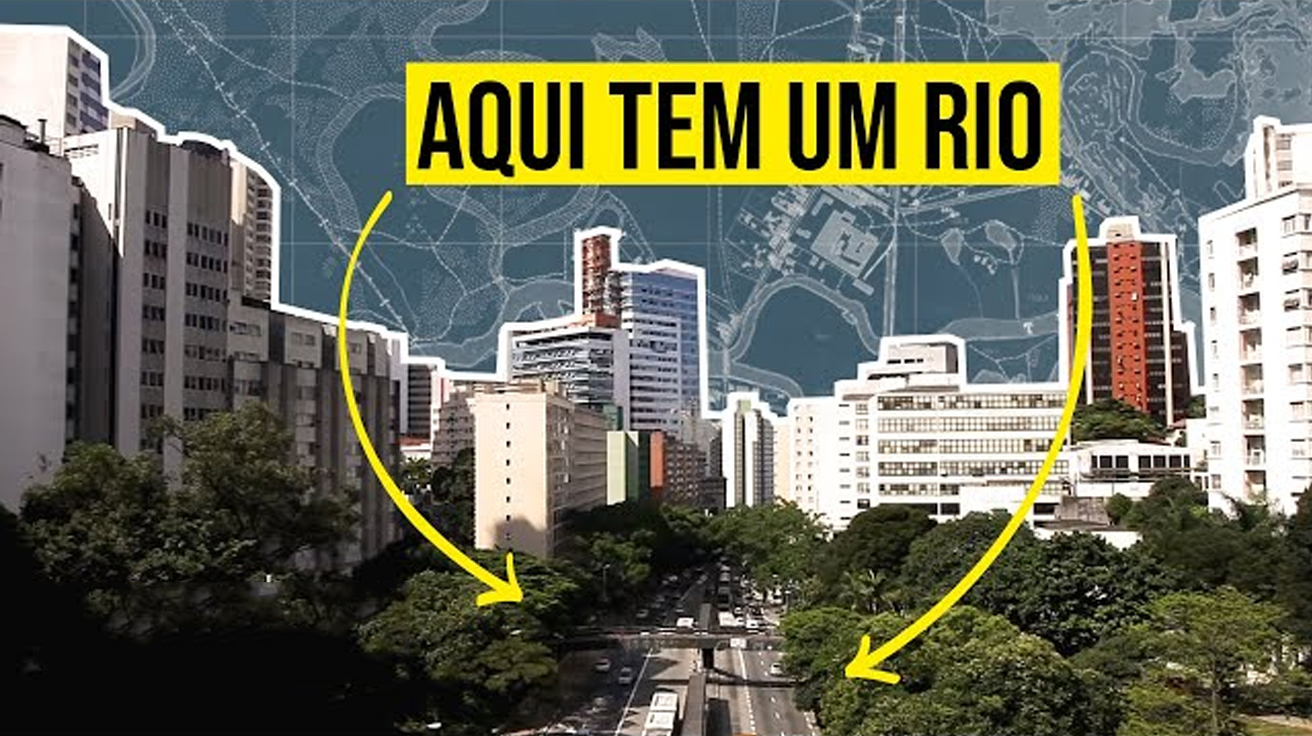
The Largest City In The Country Hides Entire Rivers Beneath Famous Avenues, Resulting From Urban Planning Decisions Of The Past Century.
São Paulo is one of the largest metropolises in the world, but few residents know that beneath its concrete and asphalt, dozens of rivers and streams that disappeared from the urban landscape once flowed.
This invisible water network, which has been channeled or buried, reveals much about the history of the city’s rapid growth and the environmental challenges we still face.
What Happened To The Rivers Of São Paulo?
At the beginning of colonization and during the first centuries in São Paulo, the territory was marked by an extensive network of rivers, streams, and natural springs.
-
He started running at 66 years old, broke records at 82, and is now a subject of study for having a metabolic age comparable to that of a 20-year-old, in a case that is intriguing scientists and inspiring the world.

-
Oldest tree on the planet reappears after 130 years of searches: Wattieza, 385 million years old, was 10 meters tall and had no leaves or seeds; Gilboa fossils in New York solved the mystery in 2007.

-
A 48-square-meter house assembled in hours with 4,000 bricks made of recycled plastic that does not absorb moisture, has natural thermal insulation, and costs less than 90,000 reais in a complete kit.

-
Luciano Hang revealed that Havan’s air fleet has already accumulated more than 20,000 landings, 10,000 flight hours, and 6 million kilometers traveled, and he says that without the planes, the company would never have grown so quickly.


These bodies of water were essential for the survival of the first inhabitants and for the initial development of the city.
However, with the population growth and intense urbanization, many of these waterways were literally “swallowed” by concrete.
The main reason for this was the need to occupy space for construction and urban infrastructure, which led to the channeling of rivers into underground galleries or their definitive burial.
This primarily occurred starting in the 19th century and gained momentum in the 20th century with accelerated industrialization and disorderly growth.
Examples Of Rivers That Now Flow Hidden
Some of the most well-known rivers in the city now flow completely buried, integrated into drainage systems.
Among them:
- Rio Anhangabaú — Once one of the main rivers in the central region of the city.
Currently, the Anhangabaú is completely channeled and runs beneath the area known as Vale do Anhangabaú, between the neighborhoods in downtown São Paulo.
- Rio Tamanduateí — Flows beneath neighborhoods like Ipiranga and Vila Prudente, part of it was also channeled to facilitate urban traffic and prevent flooding.
- Córrego do Sapateiro — A watercourse that is now almost completely buried in the Mooca area.
It is estimated that São Paulo originally had more than 400 kilometers of waterways.
Today, about 80% of these rivers and streams have been channeled or vanished beneath the city’s soil.

Environmental And Urban Consequences
The burial of rivers brings serious impacts, both for the environment and the quality of life of the population.
Among the most common problems are:
- Increased Flood Risk: By eliminating natural waterways, rainwater finds less space to drain, causing flooding in urban areas.
- Biodiversity Loss: Open rivers and streams sustained important local ecosystems that were destroyed.
- Pollution: Many of these underground rivers end up serving as open sewage systems due to inadequate treatment.
In recent years, some projects of “renaturalization” and “de-pollution” of these rivers have begun to gain traction, inspired by international initiatives.
An example is the project for the Rio Pinheiros, which, although not completely buried, suffers from pollution and seeks to reverse this situation.

Why Doesn’t The City Recover These Rivers?
The recovery of buried rivers faces very large technical, economic, and political obstacles.
To “unearth” these rivers, it would be necessary to demolish existing structures, alter traffic, construct leisure areas and parks, which generates extremely high costs and political resistance.
Moreover, the lack of historical urban planning, combined with real estate speculation, has transformed these spaces into valued and densely occupied areas.
However, environmental awareness and social pressure for greener cities have driven debates on how to recover part of this urban water network, at least in strategic sections.
Where Are These “Ghost” Rivers Today?
Today, these rivers flow hidden within concrete galleries or underground pipes, where rainwater and sewage flow together, making flood control and water quality a constant challenge for the city.
In most cases, these waterways are inaccessible to the public, but their existence can still be perceived in areas with a higher concentration of flooding.

A Look Toward The Future
São Paulo lives an environmental paradox: a city marked by the strength of its invisible rivers and the urgency to transform this reality to face climate change and improve urban quality of life.
The recovery of these rivers, even if partial, could bring benefits not only environmental but also social and economic, transforming the city into a more resilient and pleasant place for its residents.
And you, have you ever stopped to think that, while walking through the city, you might be passing over rivers that flow silently beneath your feet?
What do you think São Paulo could gain if these “ghost” rivers became a visible and living part of the city?







Seja o primeiro a reagir!